


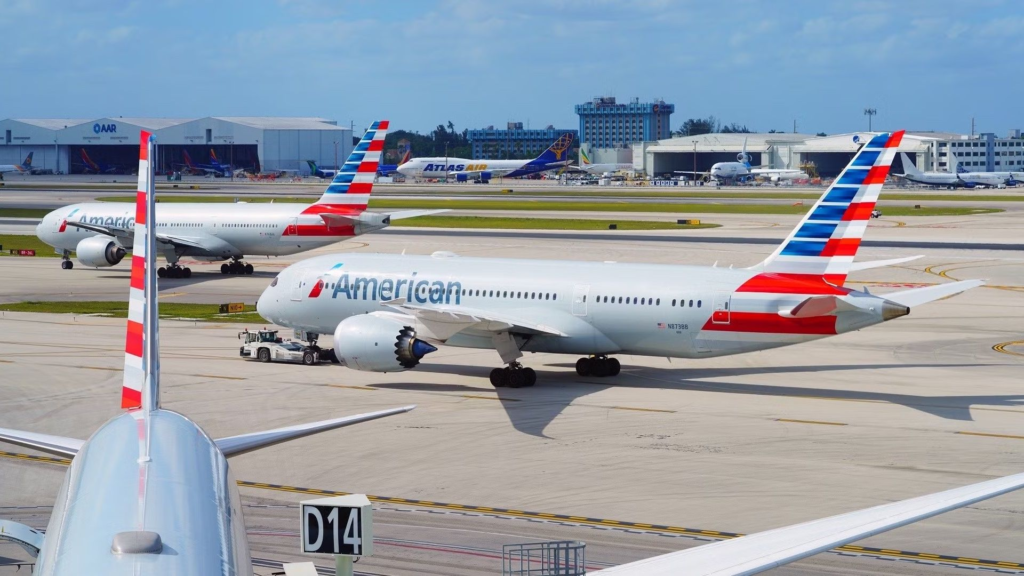
Miami-Dade County Commissioners want 

The board is also seeking new nonstop services to some other global destinations, such as Asunción, Paraguay, and Riyadh, Saudi Arabia. Miami already has some ultra-long-haul international services, with nonstop flights already operated to Dubai and Doha. The mayor will have to solicit airlines to serve these routes and is planning to deliver quarterly reports, including updates on other potential routes.
A Deeper Look At This Latest Development


The commissioners of Miami-Dade County have formally launched a push for Miami International Airport to have intercontinental service to Asia. On October 16, the board officially passed a resolution that directed Miami Mayor Danialla Levine Cava to solicit airlines for routes to Tokyo and Singapore, and for the office to report its progress in a quarterly fashion. This directive will also target new nonstop routes to Riyadh and Asunción, complementing preexisting ultra-long-haul services to multiple destinations in the Middle East.
There is a clear rationale for these service expansion efforts. Nonstop flights to Asia would entail faster travel for tourists and business travelers while offering a stronger appeal to global firms. It would also provide broader capacity for belly cargo. Miami International currently serves 170 routes and 100 international airports all across the Americas, Europe, and the Middle East. The commission clearly is aware of how valuable such a new service would be. In the resolution, they articulated as follows, according to reports from Aviation Week:
“Passenger flights to Tokyo and Singapore would provide direct connections between Miami and Asia for tourism and business travelers.”
Will The Airport Be Able To Pull This Off?

There are a few big questions to answer when it comes to this ambitious new expansion project. For starters, the first question is which kind of carrier is most likely to be a good candidate for serving this kind of ultra-long-haul service. Surprisingly, Miami International Airport does have some complications that will make airlines, especially from East Asia, a little hesitant to begin nonstop services. The ultra-long-range nature of these flights will make them expensive and logistically challenging.
Furthermore, several other US markets are more natural departure points for Asia-bound flights, as Florida is quite literally the farthest state from many destinations in East Asia. As a result, the airport will certainly have to make a case for why serving this route provides so much more additional value than existing connecting options.
It would be hard to make a case that Singapore Airlines should serve this route. The flight would absolutely push the limits of the Singapore Airlines Airbus A350-900ULR, and it would likely involve weight limitations and other operational restrictions. Japanese legacy carriers, ANA and Japan Airlines (JAL), could also be good potential candidates for this service. The airport might also be targeting Japanese low-cost airlines with long-range aircraft.
What About American Airlines?
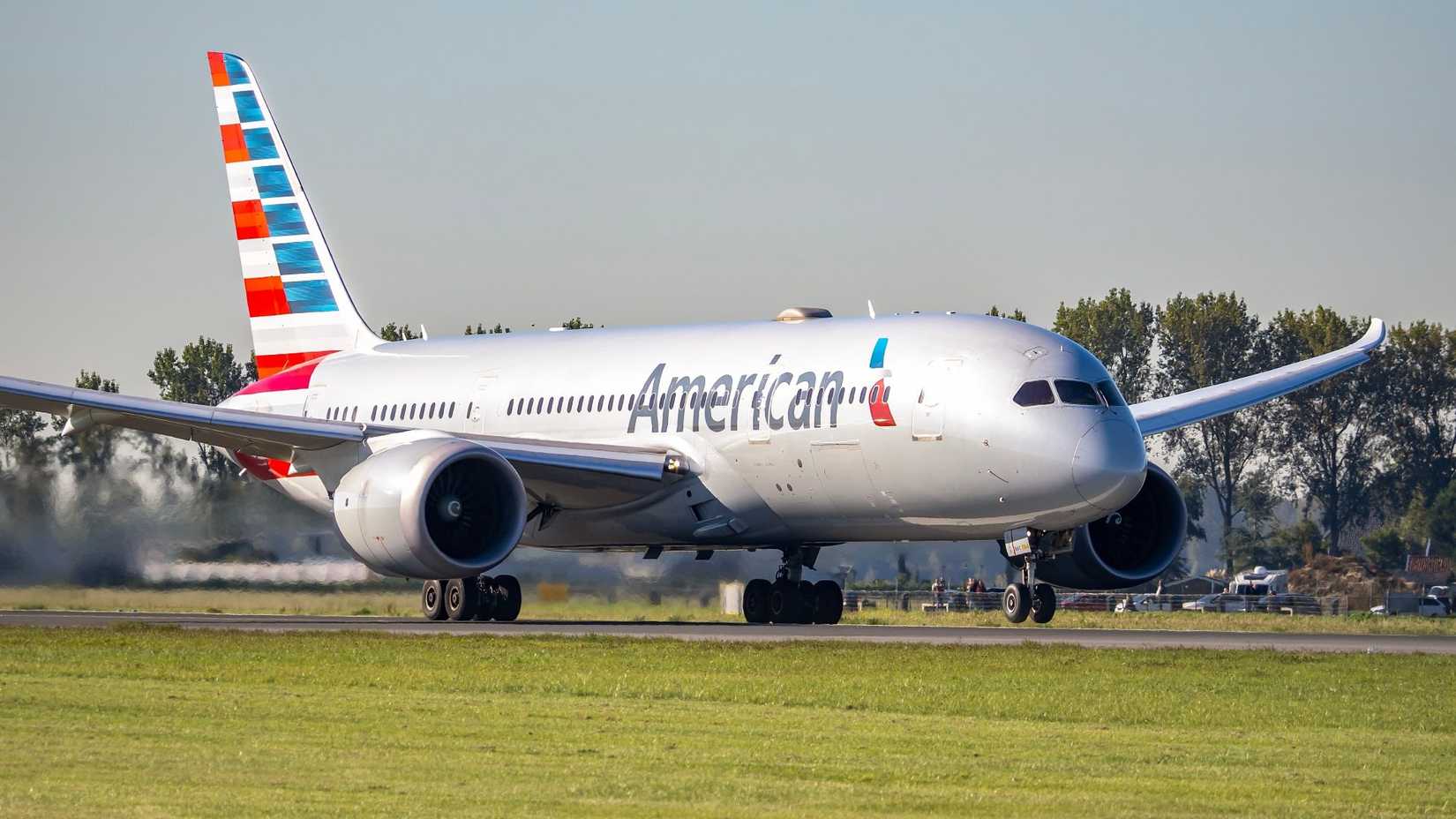
The most obvious candidate to connect Miami with these two destinations is US-based legacy carrier American Airlines. Currently, American has a major international hub located at Miami International, and this facility serves as the linchpin of the airline’s long-haul network to destinations across Latin America.
Because of its long-standing commitment to the Miami market, the airline would likely be the natural choice. American Airlines also has long-range aircraft with the ability to easily fly between Miami and Tokyo.
The airline likely has an interest in continuing to grow its presence in this kind of intercontinental market, especially due to the premium demand that could exist between the two markets. We will have to wait and see exactly which airlines the airport ultimately solicits to serve the route.
source