


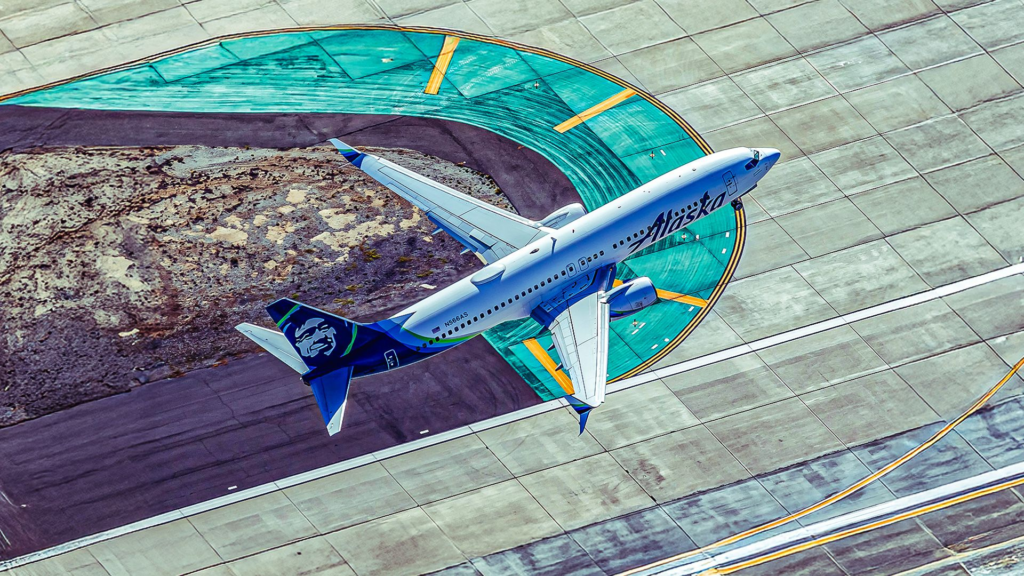
The Alaska Air Group (NYSE: ALK), the parent company behind 

The airline’s management team cited higher West Coast fuel prices and higher recovery costs tied to summer disruptions. Unit revenues rose in the third quarter and are expected to be positive again in the fourth quarter, helped by reduced discounting and loyalty momentum, although non-fuel unit costs remained high. To add insult to injury, an IT outage around the time of the earnings release compounded operational noise and postponed the airline’s earnings call. This combination led to a negative market reaction, with shares sliding around 4% intraday.
What Were The Drivers Of This Earnings Performance?

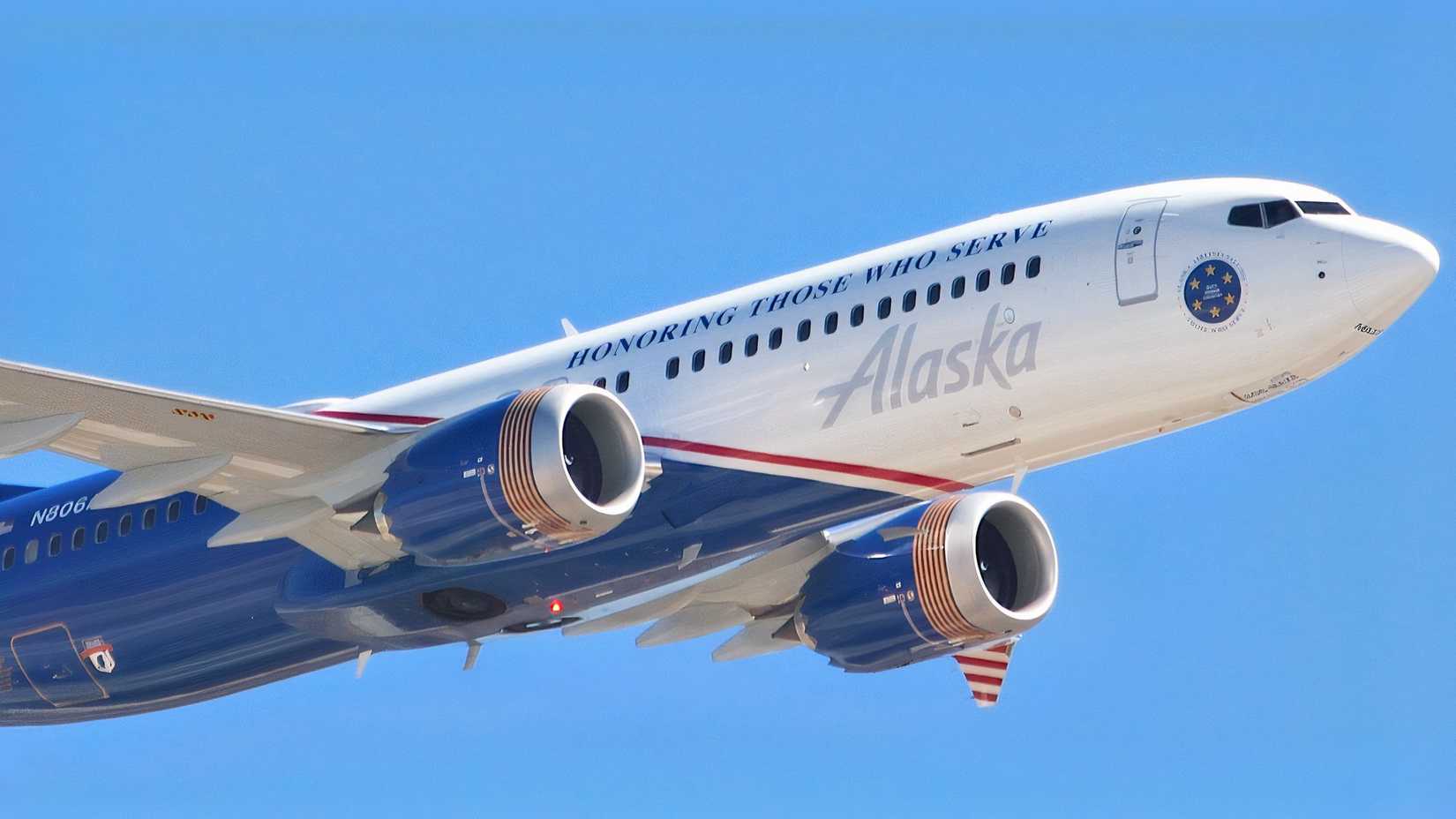
Adjusted earnings per share for the third quarter were reported at $1.05, with operating revenues reaching a record $3.77-$3.8 billion. Revenue per available seat mile (RASM) jumped 1.4% year-over-year. The overall mix was supportive, with premium revenues jumping 5%, cargo revenues jumping 27% and loyalty cash remuneration jumping around 8%. Non-fuel costs rose around 8.6%, towards the upper end of guidance and reflecting recovery expenses from an earlier IT outage and rough weather.
Fuel prices for the airline averaged $2.51 per gallon, reflecting tight West Coast refining spreads. For the fourth quarter, Alaska Airlines expects low single-digit RASM growth, low single-digit cost growth, roughly 2-3% overall capacity growth, and earnings per share exceeding $0.40. Full-year adjusted earnings are now set to be at least $0.40. Despite this, Ben Minicucci, the CEO of the Alaska Air Group, maintained a positive tone, sharing the following words in the company’s earnings release to investors:
“Alaska’s profitable quarter was powered by another period of industry-leading unit revenue. I’m proud of our people for taking care of our guests, executing major integration milestones and capturing synergies ahead of plan as we bring together Alaska and Hawaiian Airlines.”
What Does All Of This Mean For Alaska Airlines?
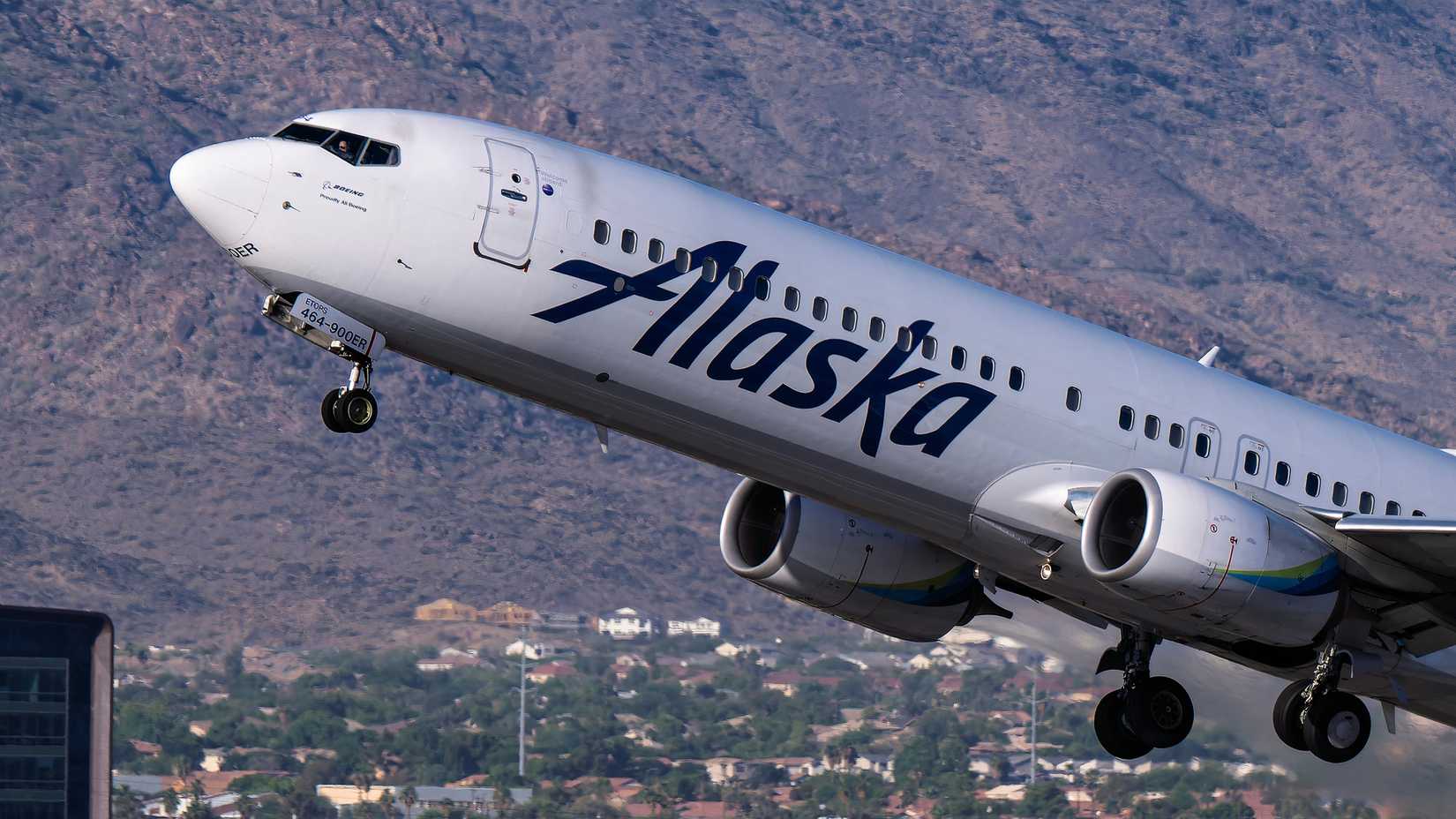
This quarter’s results tell investors that the airline’s commercial engine is thriving, but that cost control is currently holding the company back. Management is pushing forward a dynamic price mix narrative, one driven by premium and loyalty growth while signaling capacity discipline. The raising of the 2025 cost bar, however, and the acknowledgment that West Coast fuel prices are eroding the airline’s margins, are undoubtedly concerning for investors.
The airline’s trimmed outlook resets expectations and narrows the company’s path towards permanent profitability. Alaska Airlines is in need of sequential cost relief, stable fuel prices, and clean operations in order to translate revenue growth into earnings. On the positive side, it does appear that the airline’s integration process post-merger is going well, and that upgrades to the loyalty program are driving growth.
Near-term, the airline’s credibility will hinge on its ability to deliver its guided third-quarter profitability and make steps to reduce overall costs. The airline will also need to find a way to avoid further technological and weather shocks.
What Do We Make Of All This?
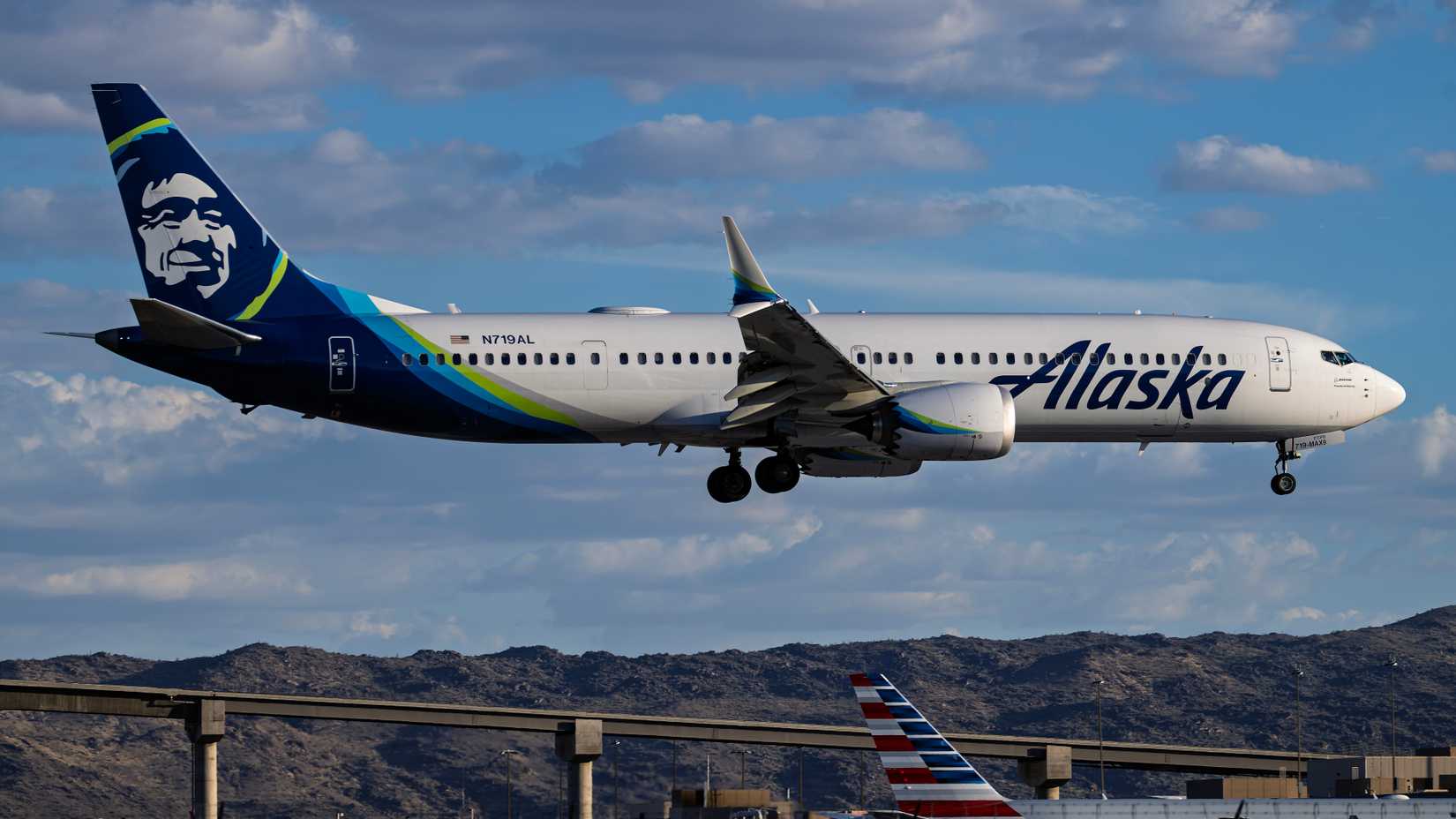
At the end of the day, Alaska Airlines has a compelling growth story. The airline’s post-merger integration has allowed it to expand beyond being just a regional carrier. Alaska has bold ambitions to enter the long-haul market, and now it has the technology, the willpower, and the overall risk tolerance to do so.
The airline’s long-term growth story relies on its ability to capture large shares of premium travelers and drive RASM growth on key routes, especially long-haul flights where it will be offering high-margin premium services. The good news for the airline is that despite its operational struggles recently, it was still able to deliver on these core metrics, offering a positive long-term growth picture.
The challenges for the airline are in the short term. Operational discipline and a lack of cost control have overshadowed a fairly strong quarter from the demand side. Today, the tape was moved by macro risks and cost controls, and they will likely be factors at the center of discussion when it comes to the carrier over the next few months. Nobody doubts Alaska’s ability to fill seats with premium travelers; the question is now whether they can do so while managing their costs in order to turn a profit.
source