


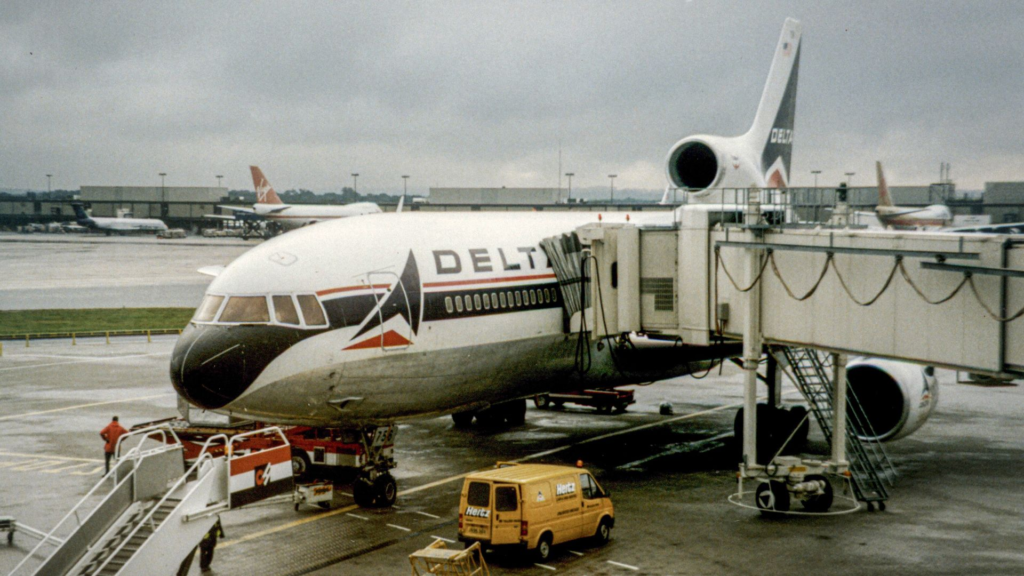
Lockheed and McDonnell Douglas were two of the most influential aircraft manufacturers of the 20th century, with both going on to produce some of the most innovative and iconic aircraft that the world of commercial aviation has ever seen.
In this article, we will take a closer look at Lockheed and McDonnell Douglas, including the aircraft each manufacturer built, to establish which was more popular with airlines around the world and which has had the longer-lasting legacy on the commercial aviation industry.
Lockheed: 50 Years Of Commercial Aircraft Innovation

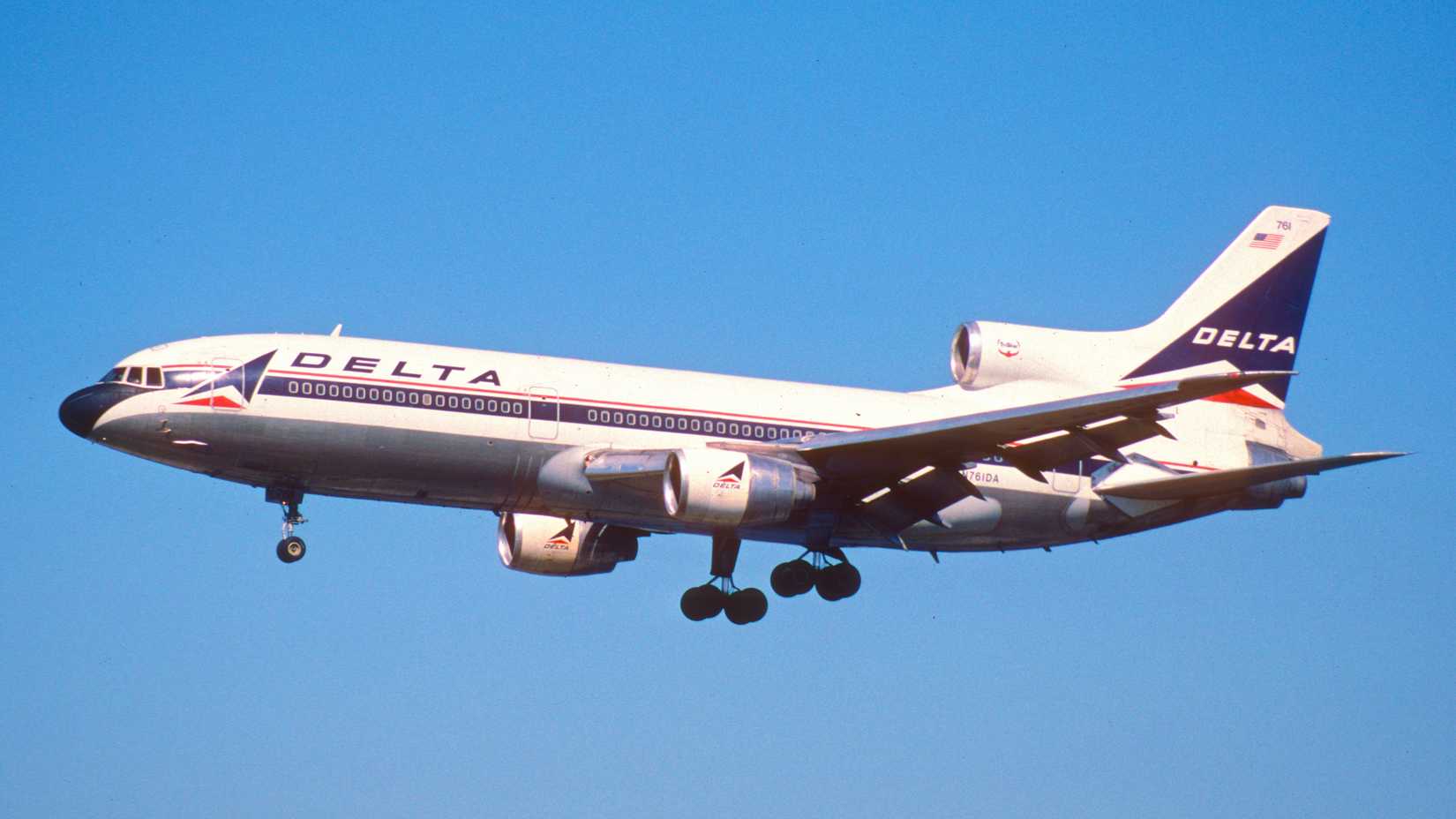
Lockheed may be best known today for its military aircraft, but for decades, it was also a key player in commercial aviation. The manufacturer’s journey in passenger aircraft design began in the 1930s, during the so-called Golden Age of air travel, when it produced some of the most innovative aircraft of the time, such as its iconic Constellation series.
Lockheed entered the jet age in the late 1950s with the L-188 Electra, a turboprop aircraft that served regional and medium-haul routes. Although it suffered from early structural issues, many L-188 Electras later found success as freighters and maritime patrol aircraft. However, perhaps Lockheed’s boldest step came in the 1970s with the L-1011 TriStar, a widebody trijet aircraft designed to compete with the McDonnell Douglas DC-10.
Lockheed Constellation

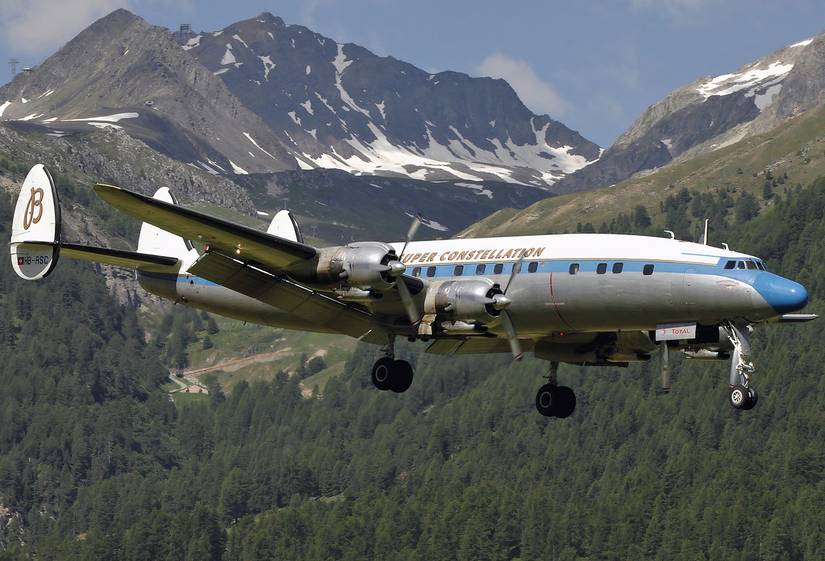
The Lockheed Constellation is known as one of the most iconic passenger aircraft ever built, with its distinctive triple-tail design and dolphin-shaped nose. Introduced in the 1940s, the Constellation became a symbol of luxury and speed, making it very popular with airlines and passengers alike at a time when commercial aviation was still very much in its infancy.
The Lockheed Constellation was powered by four engines, allowing it to fly longer distances and faster than most of its contemporaries, making it ideal for transcontinental and transatlantic routes. Airlines like Trans World Airlines (TWA), Pan American World Airways(PanAm), and Air France used the aircraft to offer passengers a comfortable and stylish flying experience, with spacious cabins and advanced pressurization for the era.
Lockheed L-1011 TriStar


The Lockheed L-1011 TriStar was introduced in 1970, and marked the manufacturer’s ambitious entry into the world of widebody aircraft. The L-1011 TriStar was designed to compete with the McDonnell Douglas DC-10 and offered airlines a modern, long-range aircraft with advanced technology. Its three-engine layout, with one engine mounted in the tail and two under the wings, gave it both power and reliability for long-haul operations.
One of the Lockheed L-1011 TriStar’s most impressive features was its automated flight control system, which was cutting-edge for its time. This system reduced pilot workload and made flying safer and more efficient. The cabin was also quieter than many competitors, offering passengers a comfortable ride.
However, despite its technological strengths, the Lockheed L-1011 TriStar faced challenges, including high development costs, competition from the DC-10, and production delays, which limited its commercial success. Only about 250 L-1011 TriStars were built before Lockheed exited the commercial market in the early 1980s. Eastern Air Lines was the world’s largest operator of the aircraft, operating a total of 55 L-1011 TriStars over the years. The five largest operators are listed in the table below:
|
Ranking |
Airline |
Lockheed L-1011 TriStars |
|---|---|---|
|
1 |
Eastern Air Lines |
55 |
|
2 |
American Airlines |
50 |
|
3 |
Delta Air Lines |
40 |
|
4 |
British Airways |
36 |
|
5 |
Trans World Airlines |
30 |
While its commercial career was short, the Lockheed L-1011 TriStar remains a symbol of innovation, combining advanced technology, passenger comfort, and engineering ambition in a uniquely graceful package.
McDonnell Douglas: Now Merged With Boeing
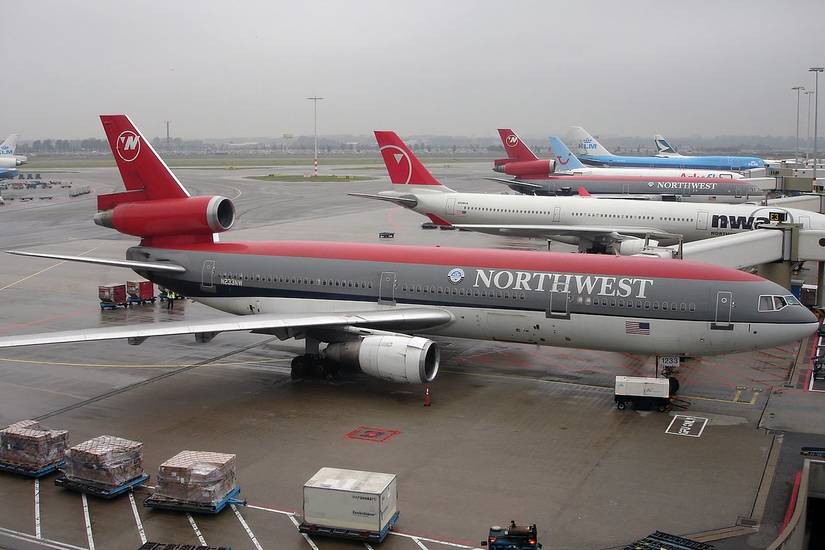
McDonnell Douglas was one of the most influential aircraft manufacturers in aviation history, producing some of the 20th century’s most recognizable aircraft. The manufacturer was founded in 1967 following the merger of McDonnell Aircraft and the Douglas Aircraft Company, bringing together two major players in US aerospace innovation. The Douglas Aircraft Company was already famous for its earlier aircraft, namely the DC-3, DC-6, and DC-7, which helped shape modern air travel. After the merger, McDonnell Douglas continued that legacy, producing highly successful jet-powered aircraft such as the DC-9 and DC-10.
In the 1980s and 1990s, McDonnell Douglas introduced the MD-80 and MD-11, which were updated versions of earlier models that extended the life of its designs well into the 1990s and 2000s. However, despite these efforts, the manufacturer began to lose ground to Boeing and Airbus, both of which were offering more advanced and efficient aircraft.
In 1997, McDonnell Douglas merged with 

The McDonnell Douglas DC-9

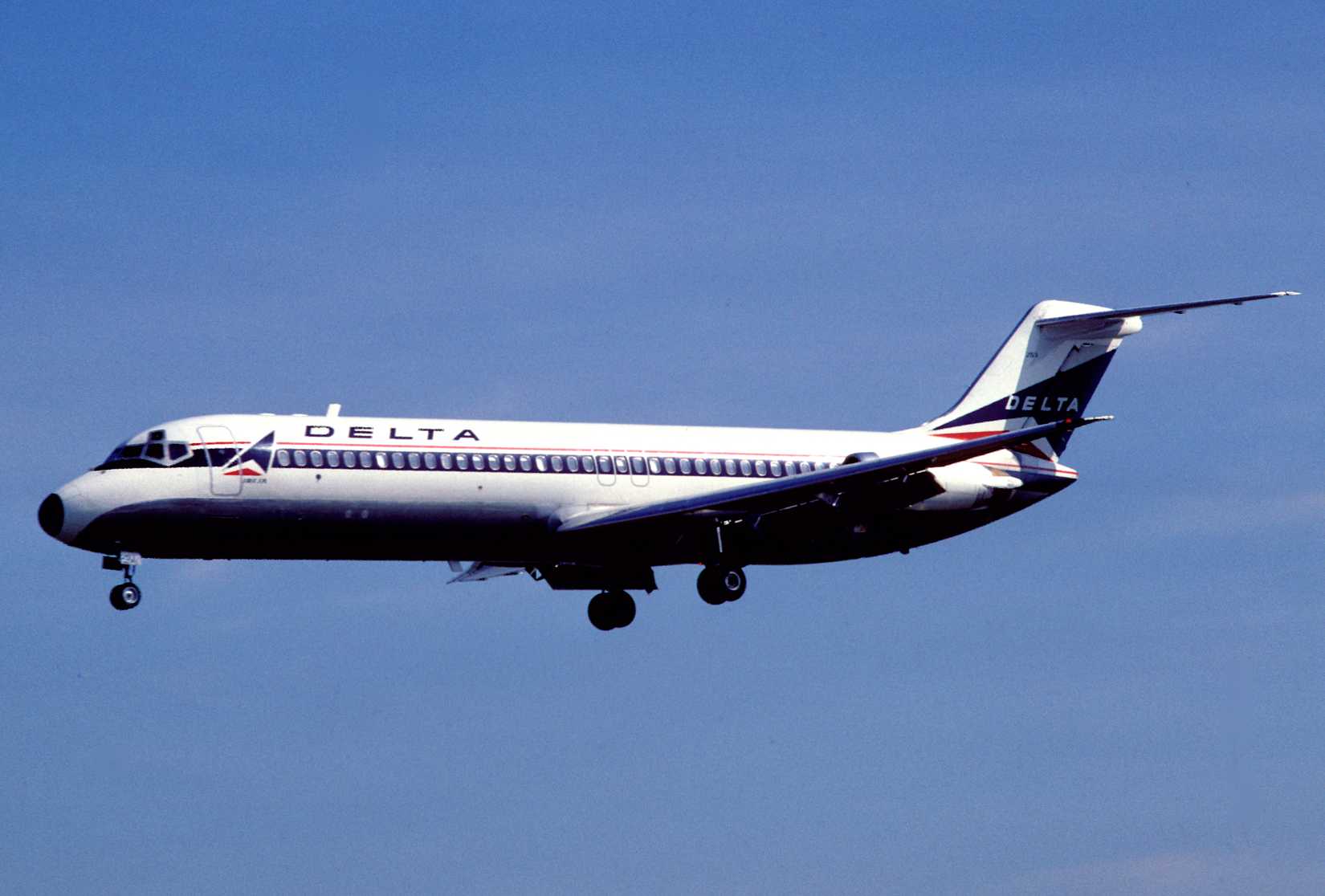
McDonnell Douglas introduced the DC-9 in the mid-1960s, changing the way airlines approached short and medium-haul flights. Designed as a smaller, efficient jet that could serve regional routes and operate from shorter runways, the DC-9 quickly became one of the most successful aircraft in commercial aviation history.
The McDonnell Douglas DC-9 was built with simplicity and performance in mind, with the aircraft’s two rear-mounted Pratt & Whitney JT8D engines giving it a clean wing design, improving aerodynamics, and making maintenance easier. The aircraft’s T-tail and low-set fuselage also gave it a distinctive profile, instantly recognizable at airports around the world.
Airlines loved the McDonnell Douglas DC-9 for its versatility: it could carry 90-135 passengers, depending on variant and configuration, and could operate from smaller airports. Over the years, McDonnell Douglas developed several improved variants, from the DC-9-10 to the stretched DC-9-50, offering greater range, capacity, and performance.
The McDonnell Douglas DC-9’s success paved the way for an entire family of aircraft, and its design evolved into the MD-80. Later, the MD-90 series, and even influenced the Boeing 717, which remained in production until 2006. In total, more than 970 DC-9s were built between 1965 and 1982 – a remarkable achievement for its era. Among the largest operators of the McDonnell Douglas DC-9 were Northwest Airlines (and later 
The McDonnell Douglas DC-10


The DC-10 was another of McDonnell Douglas’ immensely popular aircraft, cementing the manufacturer’s legacy in the history of commercial aviation. Designed to compete with the Lockheed L-1011 TriStar and the Boeing 747, the DC-10 was built to serve long-haul routes while offering airlines flexibility and efficiency. The aircraft’s distinctive design, with one of its three engines mounted at the base of the vertical tail, made it instantly recognizable.
The McDonnell Douglas DC-10 could carry between 250 and 380 passengers, depending on the configuration, and was praised for its spacious cabin and strong performance. Over time, several versions were introduced, including the DC-10-10 for shorter routes and the long-range DC-10-30 and -40 models, which opened new long-range possibilities. 
|
Ranking |
Airline |
McDonnell Douglas DC-10s |
|---|---|---|
|
1 |
American Airlines |
66 |
|
2 |
United Airlines |
60 |
|
3 |
Northwest Airlines |
45 |
|
4 |
Continental Airlines |
35 |
|
5 |
KLM |
29 |
However, the McDonnell Douglas DC-10’s reputation was marred early on by a series of high-profile accidents, most notably the 1979 crash of American Airlines Flight 191 at 
Despite its rocky start, the McDonnell Douglas DC-10 went on to have a long and successful career, with over 440 built, and its successor, the McDonnell Douglas MD-11, continued its legacy. Many were later converted into freighters and firefighting aircraft, some of which are still in active service today. Today, the DC-10 is remembered as both a technological milestone and a workhorse that helped shape modern widebody air travel.
Almost twice as many McDonnell Douglas DC-10s were sold as Lockheed L-1011 TriStars, highlighting the former’s greater popularity with airlines worldwide and securing the aircraft’s legacy as one of the most innovative and iconic in the history of commercial aviation. In terms of both the number of aircraft sold and the lasting legacy in the industry, it is safe to say that McDonnell Douglas was more popular.
source