


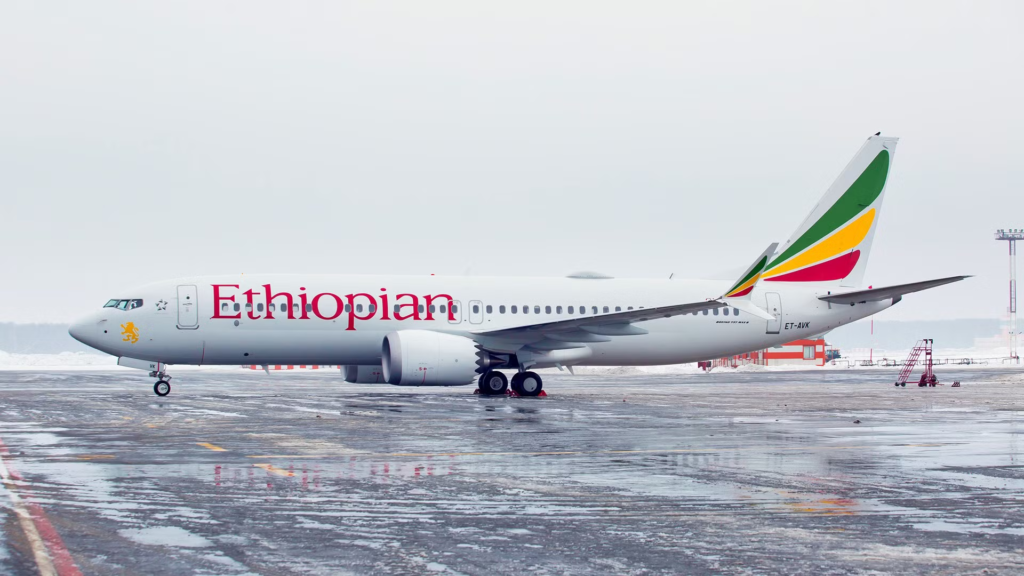


According to the family’s attorney, Boeing is not set to appeal the decision. This is the first of a dozen lawsuits that have been filed by family members of those killed in the Ethiopian Airlines crash, alongside Lion Air Flight 610. While the vast majority of claims have been settled outside of court, families are still entitled to pursue damages through the court.
Boeing’s Wrongful Conduct


Representing the family, Shanin Specter and Elizabeth Crawford, noted in a statement as reported by NBC News, this verdict provides ‘public accountability for Boeing’s wrongful conduct.’ The lawsuit alleged that Boeing knew that the 737 MAX 8 (registration ET-AVJ) was defectively designed, and the American plane maker opted not to warn passengers about the airplane’s airworthiness and apparent danger.
This accident occurred just five months following the fatal Lion Air crash, which saw more than 180 passengers killed as the plane plummeted into the Java Sea. It was found that the automated flight control system directly contributed to both of these aircraft’s fatal crashes. Thus far, Boeing has paid around 90% of all civil lawsuits related to the Lion and Ethiopian Airlines crashes, resulting in billions of dollars in compensation to the affected families who were killed.
|
Incident |
Date |
Aircraft |
Passengers Killed |
Crew Killed |
|---|---|---|---|---|
|
JT610 |
October 29, 2018 |
PK-LQP |
181 |
Six |
|
ET302 |
March 10, 2019 |
ET-AVJ |
149 |
Eight |
The global grounding of the Boeing 737 MAX, which was declared following two incidents, lasted from March 2019 to December 2020. This led to the 387 delivered MAX airplanes being grounded, affecting more than 8,600 weekly flights operated by 59 different airlines. The MAX suffered a second brief grounding in January 2024, following the Alaska Airlines Flight 1282, following the door plug incident.
Ethiopian Airlines Flight 302


ET302 was a scheduled international flight from Ethiopian Airlines’ home at Addis Ababa Bole International Airport (ADD) to the neighboring country, Kenya. The flight departed on March 10, 2019, and was expected to travel south to Nairobi Jomo Kenyatta International Airport (NBO). The flight had 149 passengers and six crew members onboard. The flight crashed into the ground near the town of Bishoftu, just six minutes after departure, killing everyone on board. This was the deadliest flight in Ethiopian history to date.
The aircraft, ET-AVJ, had departed from ADD at 08:38 local time, 44 seconds after takeoff, when the main gear lifted off the runway, but a sensor on the left side of the aircraft’s nose sustained damage that was believed to have occurred from a bird strike. This led to the aircraft receiving faulty sensor readings, leading the MCAS (Maneuvering characteristics augmentation system) to falsely detect that the aircraft was in an imminent stall, which led it to command the aircraft’s nose to be pushed downwards.
The autopilot was disengaged around a minute after takeoff, and the aircraft continued to descend following a flap retraction. The captain and co-pilot struggled to be able to manually adjust the aircraft’s stabilizers, and on its final attempt to regain control of the airplane, the MCAS re-engaged again, pitching the aircraft into a fatal dive, eventually crashing into the ground, which led to all crew and passengers being killed.
Lion Air Flight 610

JT610, wa s domestic flight from 
An investigation into the flight revealed that the aircraft had a faulty angle of attack sensor, which was triggered by the MCAS software. This led to the airplane’s nose being pushed down, resulting in the airplane crashing into the Java Sea.
The Indonesian Government deployed a search and rescue team, where aircraft debris and human remains were found across a 150 nautical mile (280 kilometer) wide search area. The first victim was only located and identified two days following the crash.
source