


Today, the world of commercial aviation is well into the era of twinjet domination, yet a long-serving cadre of quadjets remains in service around the world. The Airbus A340 is one of the last airliners equipped with four engines to still cruise the skies. The reason why it and its brethren like the Boeing 747 and A380 are going out of style is simple economics. So why would airlines choose to continue flying the “gas guzzling” A340?


New-generation airplanes have eclipsed the A340’s performance and efficiency, but as production bottlenecks mean slow deliveries, the A340 flies on. The high capacity, proven track record, and familiarity of the airframe to pilots and maintenance make it a simple aircraft to keep flying. It may not be as stunningly efficient as the latest and greatest models, but the big Airbus still gets the job done well, and it serves a critical, niche role for its remaining operators to this day.
Airbus’ Watershed Widebody

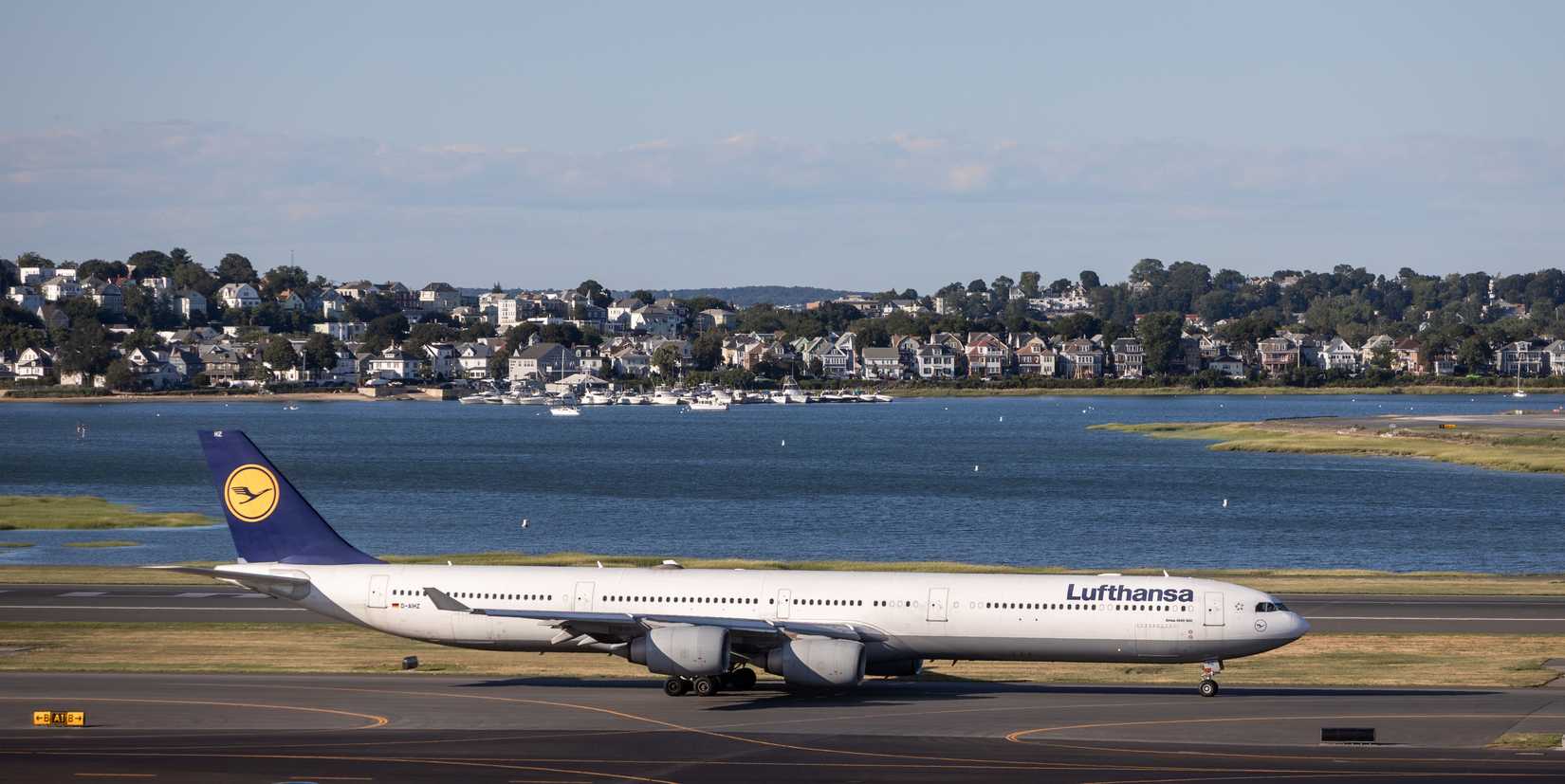
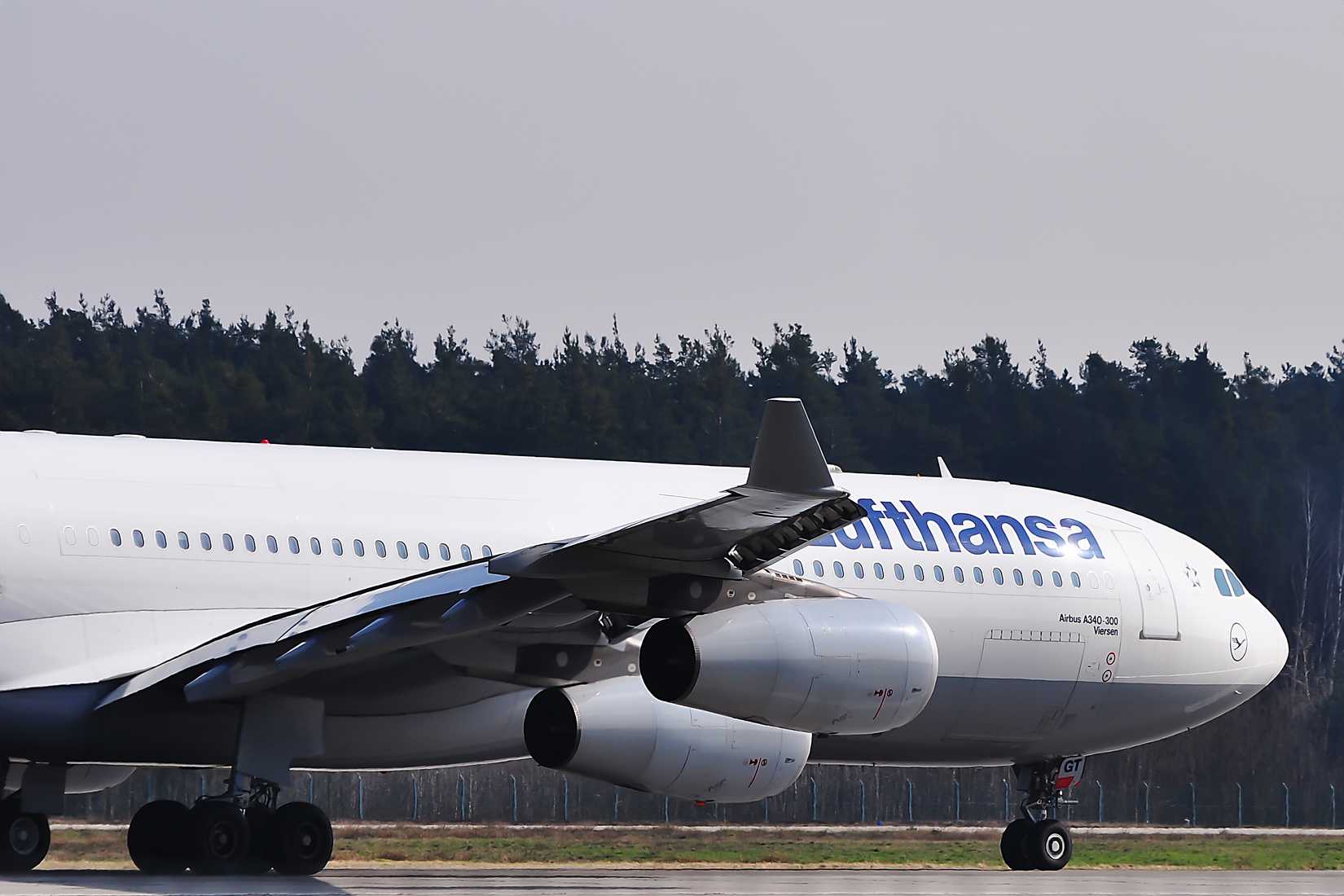
The A340 was Airbus’ first quadjet and developed in parallel with the A330 twinjet to succeed the A300, which was the world’s first widebody twinjet. At the time of its debut, in 1993, the redundancy of having four engines instead of two was still valuable, and the economics of the time made its operating cost worthwhile. That has changed in the intervening three decades, yet several dozen remain in service.
The A340 had stiff competition when it entered the market, with Boeing’s 747-400 having entered service just a few years before in 1989. The big-wing Airbus offered a different approach to the quadjet model. It wasn’t a jumbo jet like the 747, although its larger variants gave the “Queen of the Skies,” as the 747 is called, a run for its money in terms of range and passenger capacity. The smaller aircraft and its smaller engines were simply more economical, while retaining reliability and redundancy. There have been multiple variants of the A340, and below are the specifications of its longest-range variant:
|
Specification |
Airbus A340-500 |
|---|---|
|
Launch Customer |
|
|
Length |
67.90 m (222 ft 8 in) |
|
Wingspan |
60.30 m (197 ft 10 in) |
|
Height |
17.30 m (56 ft 9 in) |
|
Engine Options |
Rolls-Royce Trent 553 |
|
Range |
9,000 NM (16,670 km) |


The extra engines gave it a power advantage on short fields and “hot and high” operations over its twinjet counterpart, the A330. It also made it possible to ferry the plane with a non-operating engine, which could be very helpful for maintenance logistics. Of course, Extended-range Twin-engine Operations Performance Standards (ETOPS) had just started to really empower transcontinental and transoceanic twinjet flying, so some carriers still preferred a quadjet for those routes.

The A340-500 and A340-600 really made the type valuable, even though the -500 was far less popular in total sales. The -500’s range of 9,000 nautical miles while carrying 300 passengers far outstripped the 747-400’s 7,300 nautical mile range. Meanwhile, the -600’s average seating of 380 flyers was just shy of the big Boeing’s 410-seat average. Combining those qualities without ETOPS restrictions made it a powerful tool for frequent transoceanic carriers like Lufthansa.
The Global A340 Fleet Today
Production of the A340 ended in 2011, leaving the youngest flying example at 14 years old and the oldest over 33 years of age. Airbus sold a total of 377 jets between the four variants of the A340 series, with the largest operators (in order) being Lufthansa, Iberia, Virgin Atlantic, Singapore Airlines, and Air France. There were others that flew smaller numbers, like Cathay Pacific and Emirates. Today, just 72 are still flying, as ch-aviation data reveals.
|
A340 Model |
Total Ordered |
|---|---|
|
A340-200 |
28 ordered |
|
A340-300 |
218 ordered |
|
A340-500 |
32 ordered |
|
A340-600 |
97 ordered |
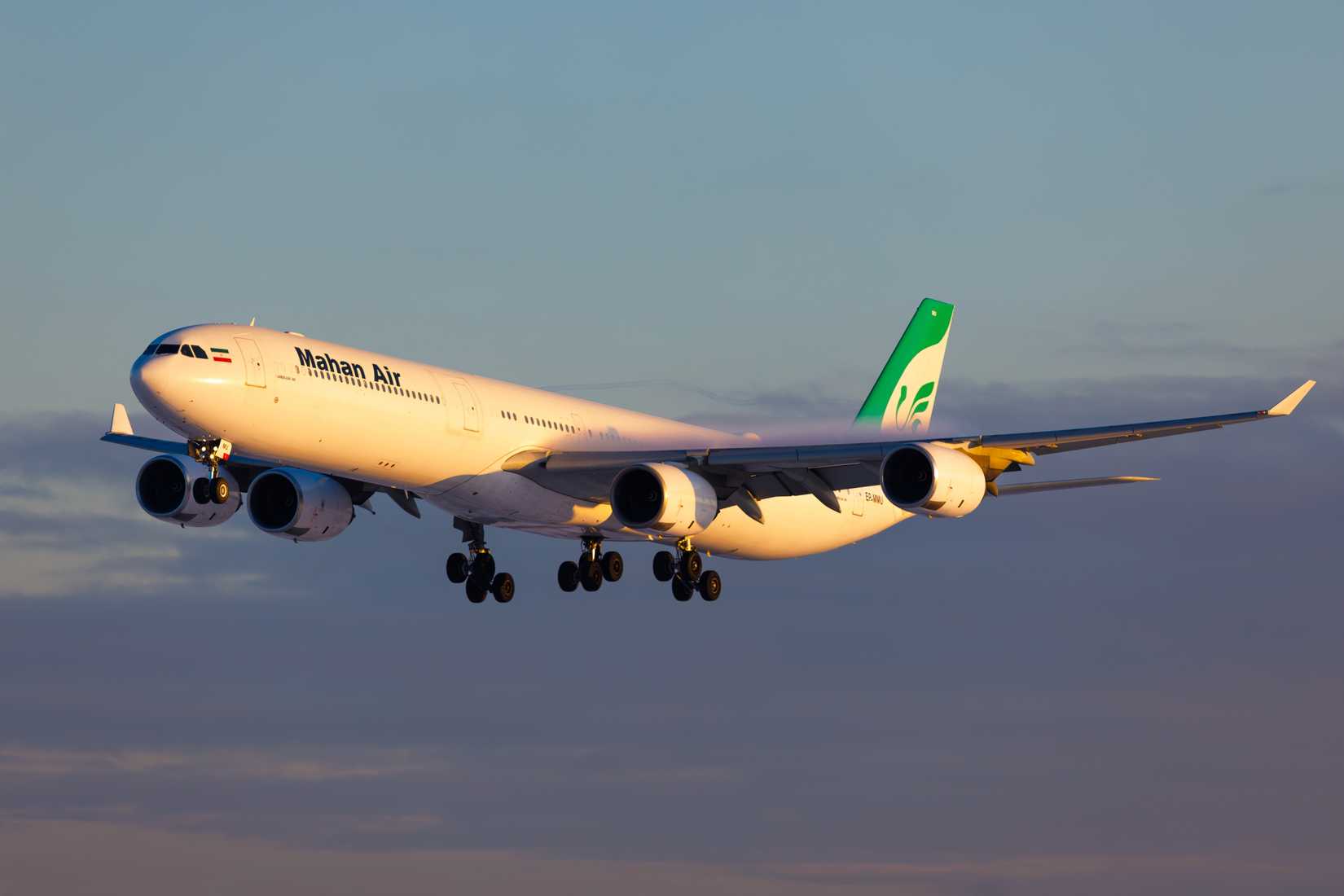
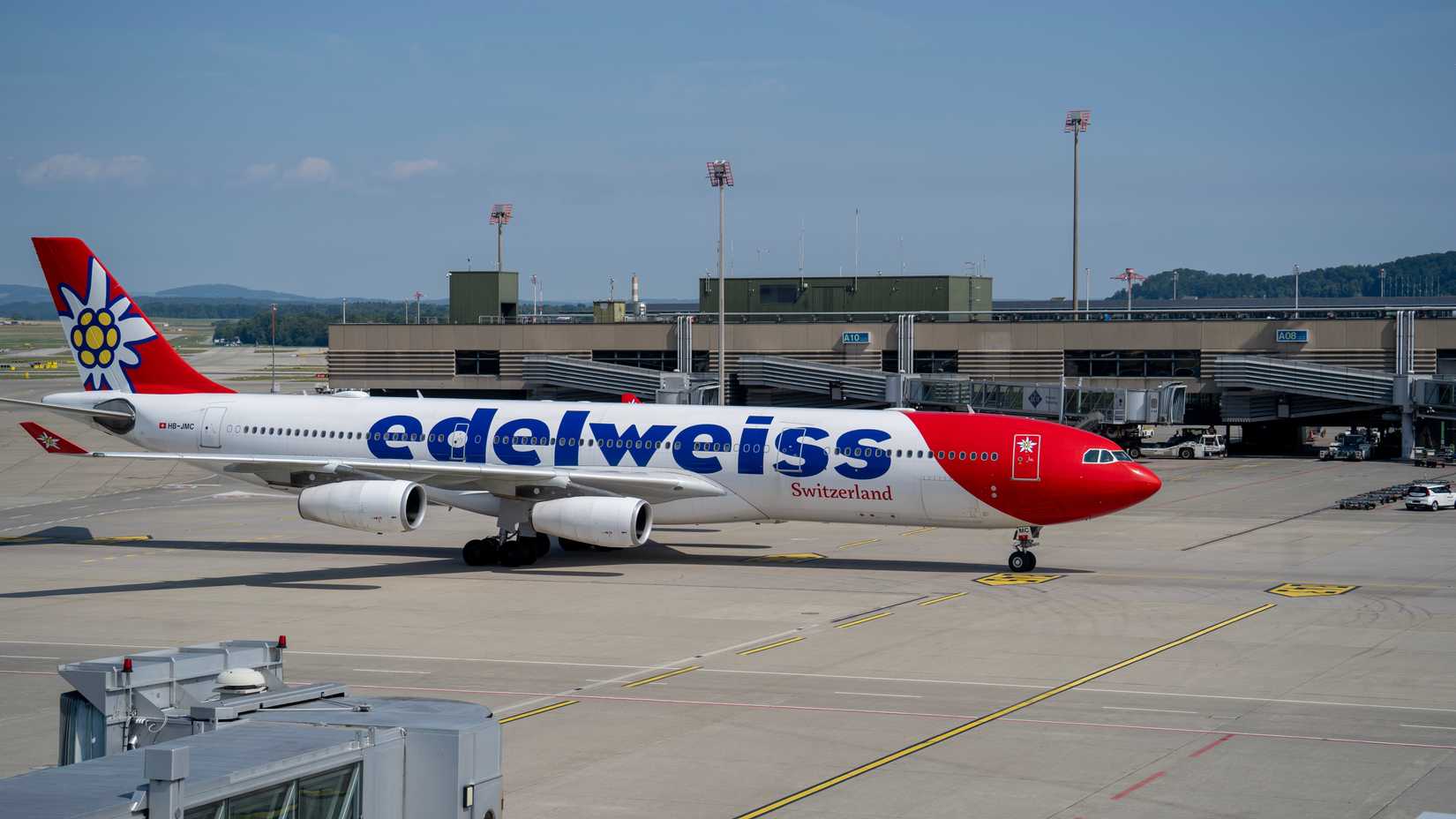
Lufthansa owns 22 in 2025, with 16 A340-300 and only six A340-600 still flying, according to Planespotters.net data. The next largest operator is Mahan Air in Iran with a single -200, nine -300s, and five -600s, for a total of 15 A340s. Aside from these two carriers, a number of dispersed operators have a handful around the world, like SWISS, Edelweiss, cargo haulers, and some specialized government-owned models.
The A340’s sunset is following a similar trajectory to that of its American rival, the 747, with commercial models slowly fading into the boneyard or cargo conversions. The unique qualities of mechanical redundancy and ample electrical power generation make the quadjet desirable for some specialized operators in the defense, government, and scientific fields, which will likely see a small number outlive the majority by many years, as a direct replacement is simply not available.
The Quadjet Difference
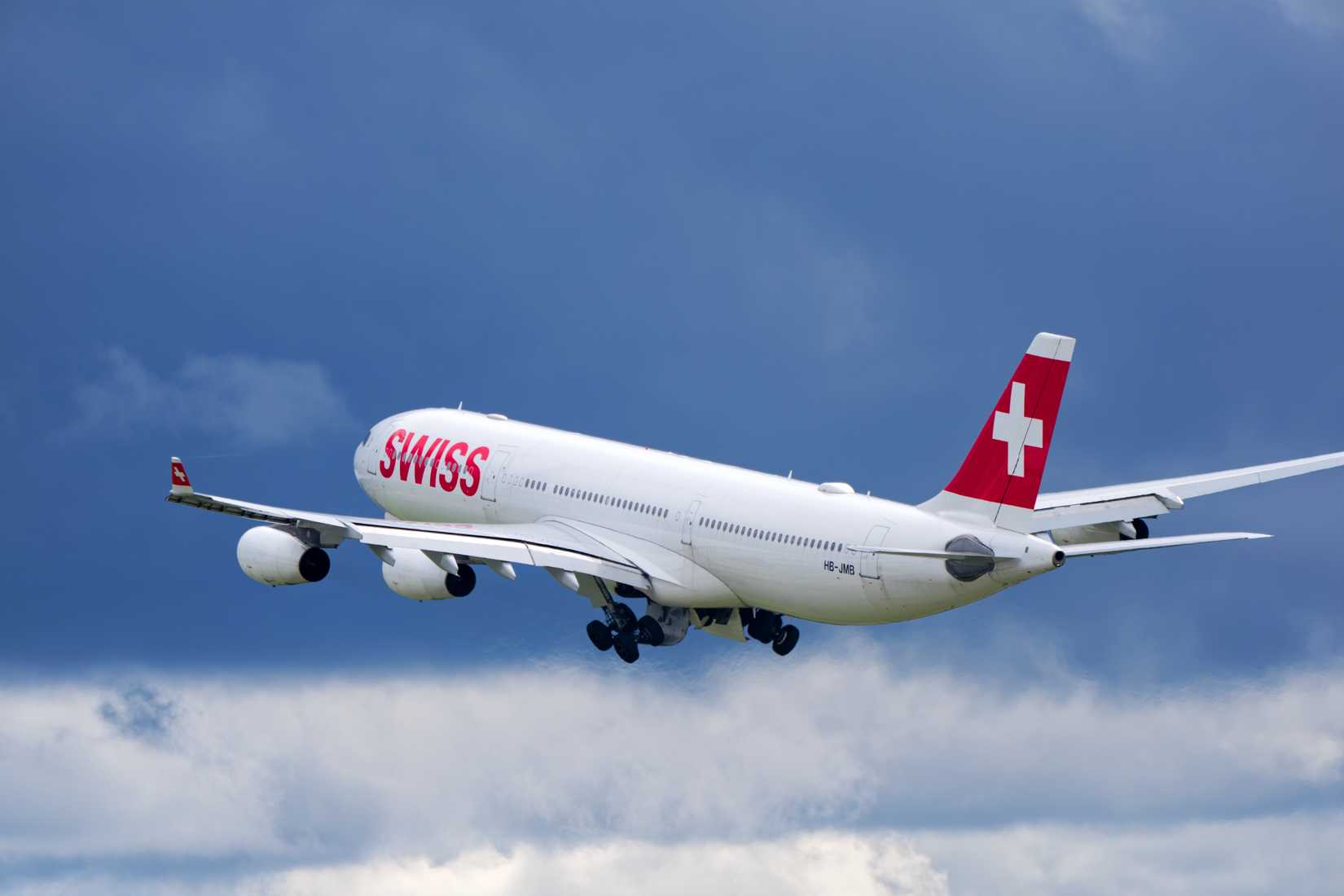
The A340 and A330 are sister-ships in the sense that they were developed at the same time with a large number of common design features and parts to simplify the maker’s production line as well as the lifetime maintenance of the planes. Comparing the two planes gives an excellent illustration of the difference between the two types, quadjet and twinjet. The lack of variables aside from the number of engines shows clearly just how each’s range, capacity, and efficiency compares.
The bottom line is that while the A340 has more range and hauls more payload, the A330 does achieve a roughly 10% better fuel burn rate. That difference, combined with less restrictive ETOPS rules, has empowered the rise of later twinjets like the 777-300ER, A350-900, and 787 Dreamliner.
|
Specification |
Airbus A340-600 |
|---|---|
|
Launch Customer |
Virgin Atlantic |
|
Length |
75.36 m (247 ft 3 in) |
|
Wingspan |
63.45 m (208 ft 2 in) |
|
Height |
17.39 m (57 ft 1 in) |
|
Engine Options |
Rolls-Royce Trent 556 |
|
Range |
7,800 NM (14,450 km) |
That is why Lufthansa, Emirates, Qatar Airways, and other airlines are still waiting for the nearly decade-late 777X to modernize the long-haul air travel segment. The 777X promises to deliver both the capacity and range of a quadjet like the A340, with a fuel consumption rate on par with a twinjet.
While the A330 is succeeded by an upgraded derivative, the A330neo, the A340 was abandoned, and a clean-sheet twinjet became its successor, the A350. Lufthansa currently plans to have the last of its A340s and 747s fully phased out by 2028 and replaced with 787s and 777Xs. Although it remains unclear when the final few A380 “Super Jumbos” will be divested from the German flag carrier’s flightline, as ch-aviation reported.
What Comes After The A340?

The Airbus A350 is succeeding the A340 and A330 gradually as airlines retire the legacy models and receive new aircraft. Similarly, the Boeing 787 and 777X offer a generational leap in fuel economy and performance without losing capacity, but as the new planes are slow to roll out of the factory, the A340 remains a reliable workhorse for long-haul operators.
Just recently, Boeing announced that the beleaguered 777X program is once again running past the deadline. The struggling American colossus of aerospace has had nothing but difficulty and crisis in the past few years, even managing to make huge losses on lucrative government programs like the next-generation Air Force One. The US planemaker now estimates first deliveries of the 777X in 2028, as a recent Bloomberg report revealed.
In 2022, Lufthansa pumped up its order for next-generation Boeing widebodies. Carsten Spohr, CEO, said:
“With Boeing’s new long-haul aircraft, the Lufthansa Group will continue to modernize its fleet with aircraft among the most fuel-efficient and sustainable long-haul aircraft in their class. The Boeing 787-9 passenger aircraft consume about 25 percent less kerosene than their predecessors, the 777-8F freighters nearly 15 percent less kerosene. Both aircraft will have an equally positive effect on the carbon footprint.”
The additional time it will take for the 777X to reach the world’s top widebody flyers like Emirates, Qatar, and, of course, Lufthansa doesn’t seem to be a saving grace for the A340, however. Lufthansa is once again the launch customer for the 777X, but it is destined to replace the 747s in its fleet. Despite many programs flailing at Boeing, the 787 Dreamliner has been a relatively strong success in the company’s history.
The 787 is its first clean-sheet design for many years, and that is replacing the A340, as is the A350. Ultimately, the era of quadjets appears to be largely relegated to the history books, at least in terms of commercial flying. Fortunately, we can expect to see the unique and specialized models of the A340 keep flying for the most discerning customers and demanding missions where two-engines simply don’t cut it.
source