


Some have claimed that the United States Air Force (USAF) uses refurbished commercial aircraft, leading some to imagine a bargain-bin airline hand-me-down with a coat of gray paint added on. The reality, however, is a lot more nuanced. The United States Air Force often flies aircraft that originate from commercial designs, and, in a smaller number of cases, it acquires airframes that previously flew for airlines or other private owners. Refurbished, however, is the wrong word for what actually tends to happen before an aircraft ever actually enters service with the organization. Once a civilian-derived platform has been selected, it can undergo a deep conversion, one that includes secure communications, additional electrical power and cooling, mission networking, reconfigured interiors, defensive systems, and extensive certification and subsequent testing.
At that point, the aircraft may actually share a silhouette with something that a passenger has boarded. However, it is operated, maintained, and equipped in a completely different manner. That is not to say that the claim comes completely out of left field. Military aircraft that are commercial derivatives by design serve a variety of purposes, including VIP roles for which the Air Force may actually buy pre-owned airframes to accelerate the entry into service process. Political one-offs that generate headlines are another example of these kinds of jets, typically not representing normal procurement. Once put into that framing, the answer becomes “at times.” We aim to analyze and verify this claim in detail and understand what role commercial aircraft (both former models and their derivatives) play in the air force’s fleet strategy.
Commercial Designs Paired With Secondhand Reality

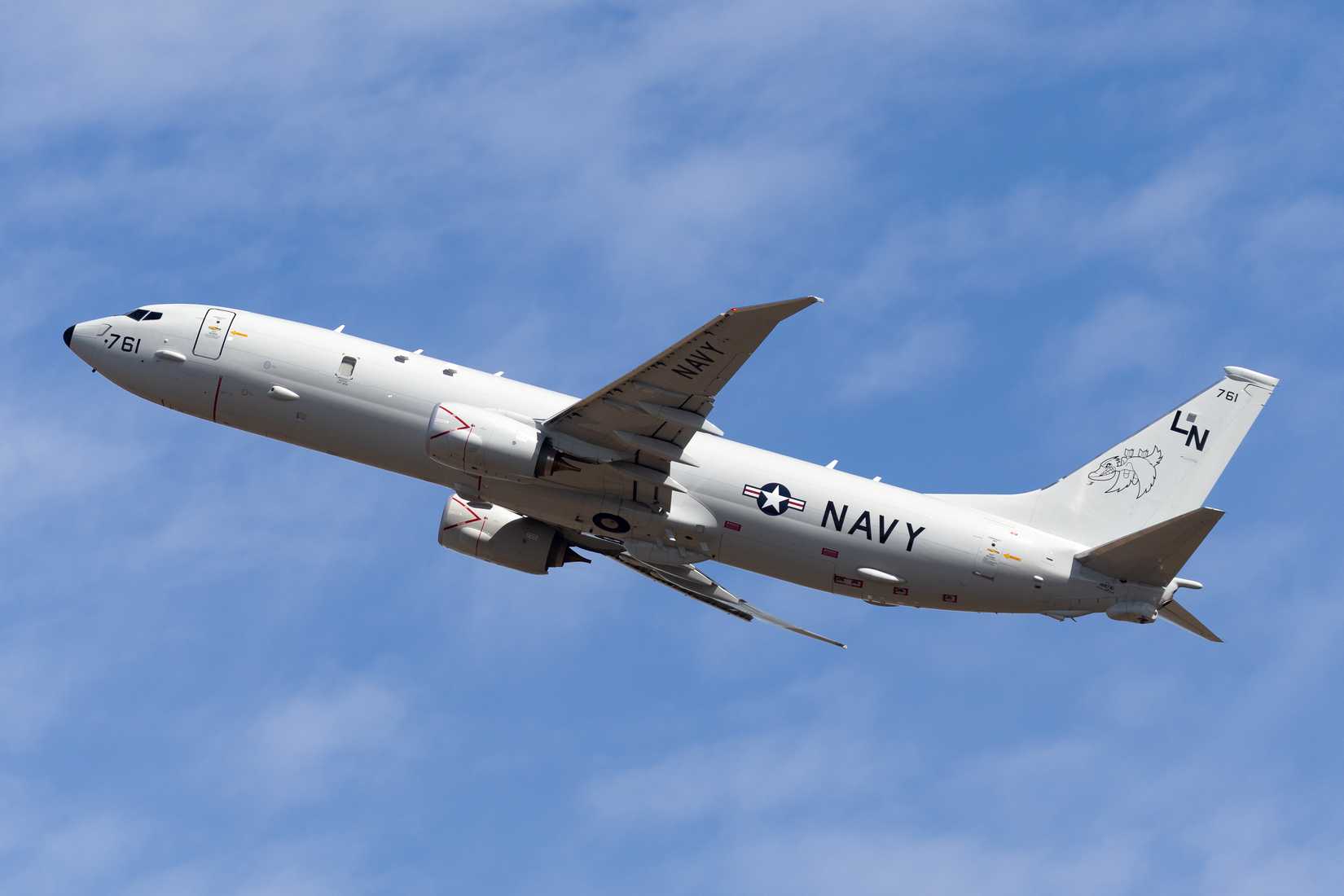
Most of this discussion of commercial jets is about platform strategy, not the Department of War literally going shopping in secondhand markets. The Air Force likes proven civilian airframes because they bring decades of engineering maturity, reliability, and a large-scale global support ecosystem. This supports lower technical risk and speed of acquisition compared with designing a clean-sheet aircraft for a mission that mainly requires range, cabin volume, and overall dispatch reliability. Therefore, it is the commercial nature of an aircraft’s design that makes it valuable to the organization, not the jet’s second-hand nature.
This misconception starts with the word refurbished, as a civilian-derived jet can be bought new and still be a commercial aircraft. Conversely, a pre-owned airliner can be acquired before being stripped, rewired, and subsequently rebuilt so that very little of the original passenger configuration actually remains. The cost driver is thus rarely the actual airframe itself, but rather the mission systems, cybersecurity and encryption, electromagnetic compatibility, and redundancy requirements.
This is ultimately the documentation trail that regulators actually demand. Thus, the United States Air Force does fly aircraft that look similar to commercial models. However, the aircraft themselves were rarely actual commercial aircraft. Many things have to be added to a design for it to be secure, survivable, and, ultimately, supportable in its own right. This is the key difference between a commercial aircraft model and a military-derived version that can serve a specific purpose.
What Makes Military Conversions So Costly?


By turning a civilian platform into a military tool, the military is able to build a flying communications node instead of just swapping seats. Contractors start by securing communications links, data connections, and encryption software. These systems all require new antennas, radios, racks, and wiring. Power and cooling systems also play a key role in keeping the platform stable and maintaining heat management.
When configured for a VIP mission or national command, the standards for aircraft conversion efforts will only continue to climb. In these situations, the aircraft is not just carrying individuals but also supporting decision-making, protecting sensitive information, and, ultimately, ensuring communications continuity when capabilities on the ground continue to be degraded. This ultimately means compartmentalized work areas, secure meeting spaces, and systems that were designed to keep the aircraft functioning under abnormal conditions. Defensive countermeasures are often used, and they may be applied to some military conversion efforts and in certain threat environments.
Lastly, there is the invisible mountain of testing, certification, and configuration control that a manufacturer and the military will have to overcome. All of these changes must be individually validated, documented, and maintained over a period of multiple decades. This is why a commercial airframe can become an incredibly expensive program. The Air Force is not paying for aluminum and engines but rather for secure capabilities, verified performance, and long-term sustainment discipline across the board.


Why Are Passenger-To-Freighter Conversions So Popular?
These kinds of transformations can bring a lot to the table.
A Look At The VC-25B

The presidential airlift mission is one of the clearest examples of a familiar commercial aircraft development program being employed for something entirely different. The VC-25B is a program built around the 

This is, at the end of the day, why the acquisition story really matters. The Air Force’s decision to buy additional Boeing 747-8 airframes formerly operated by an airline is not about creating extra Air Force One models. It is about creating the ecosystem that is required to operate and maintain a highly specialized fleet as it transitions from older Boeing 747-200-based VC-25A aircraft. Training flights, parts availability, tooling, maintenance practice, and the ability to keep crews current are real constraints.
This is especially true now that Boeing 747 production has ended and the global support base for the aircraft is slowly shrinking. In this context, a used commercial aircraft can be strategically valuable, even if it was never designed for this purpose. The aircraft is a sustainment lever and a way to reduce overall program risk, while reducing bottlenecks that could cause a real headache for the United States Department of War down the line. The aircraft will remain an iconic mode of transport for the American President for decades to come.
The C-32 Is America’s Executive-Lift Workhorse

If the VC-25B is, at the end of the day, a headline-grabber, the C-32 is the day-to-day proof that civilian platforms can also be ideal military tools. Based originally on the Boeing 757-200, the C-32 supports senior-leader travel and high-priority government missions, those where flexibility and reliability matter more than raw payload. The Boeing 757’s strengths, which include range, runway performance, and a narrowbody footprint that fits a wide variety of airports, all translate well to executive lift missions.
The conversion process is what turns the aircraft into a capable military asset. Instead of high-density seating, the aircraft’s interior is tailored for both work and security. This includes dedicated staff spaces, meeting areas, and communications capabilities that support operations while an aircraft is airborne. The jet’s avionics and communications suite are configured for secure coordination, not cabin service. The following table displays some additional specifications for the Boeing C-32, according to technical documents published by the United States Air Force Museum:
|
Category |
Boeing C-32 Specification |
|---|---|
|
Range |
5,650 nautical miles (10,460 km) |
|
Cruising Speed |
Mach 0.8 |
|
Capacity |
45 |
|
Service Ceiling |
42,000 ft (13,000 m) |
From an operational perspective, the aircraft functions inside a protection bubble that commercial operators will not touch. It has completely different airfield procedures, passenger handling, and mission scheduling. Even when an aircraft is derived from an airliner, it is not treated like an airline jet in late-service life. The Air Force’s maintenance regime is, by nature, extremely mission-oriented.

Disaster? Why The F-35 Program Is Under Fire Again
A storm of controversy surrounds the F-35 program, but what’s really behind the criticism?
A Look At The C-40 Modified Boeing 737

The Boeing 737 is the world’s archetype of an airliner, which is precisely why it works as a government transport platform. While in service with the United States Air Force, the C-40 family fills roles that reward dispatch reliability and global supportability. The jet can quickly and efficiently move teams, equipment, and officials on short notice, often through major airports where a common narrowbody footprint simplifies operations across the board. A mature commercial supply chain is required to support this.
The military version of the Boeing 737 diverges from the civilian variant when it comes to systems and overall mission utility. Certain C-40 variants emphasize executive transport, while others incorporate communications access and layouts that prioritize functionality over top-of-the-line passenger count.
The broader point here is ultimately strategic. Civilian-derived aircraft can be boring in the best way possible, as they can support predictable maintenance, known performance, and proven overall reliability curves. For a military that must manage fleet readiness across decades, this predictability is incredibly valuable.
What Is Our Bottom Line When It Comes To All This?

At the end of the day, the conversion of passenger aircraft variants into specified military designs is an essential part of how the military is able to access incredible long-haul capabilities. These aircraft designs are behind some of the United States Air Force’s most iconic individual jets.
However, these are challenges that exist at all stages of the conversion process. This is especially true when unproductive bureaucracy puts contractors in a difficult position, managing many different priorities. However, unlike commercial development programs, which are incredibly subject to shifts in demand in the global economy, military programs often face limited financial strain during recessions.
The United States Air Force is one of the world’s most capable and iconic military organizations, and often its aircraft are derived from the same kinds of planes that you or I would fly in today. Essential missions, executive transportation, and other military efforts today would not be as easily or as effectively completed without the support of these conversion efforts.
source