



The Boeing 747-400 is perhaps one of the most iconic aircraft to ever grace the skies, with its forward upper deck giving it the distinctive hump it is known for. The Boeing 777-300ER also an impressive jet, and is powered by what are currently the largest and most powerful commercial aircraft engines in the world. However, which of the two aircraft is bigger?
In this article, we will compare the Boeing 747-400 and the Boeing 777-300ER to determine which aircraft is bigger. In doing so, we will look at a number of different factors, including the physical size of the two aircraft, their power, and their passenger capacities.
The Boeing 777-300ER Is Longer & Wider

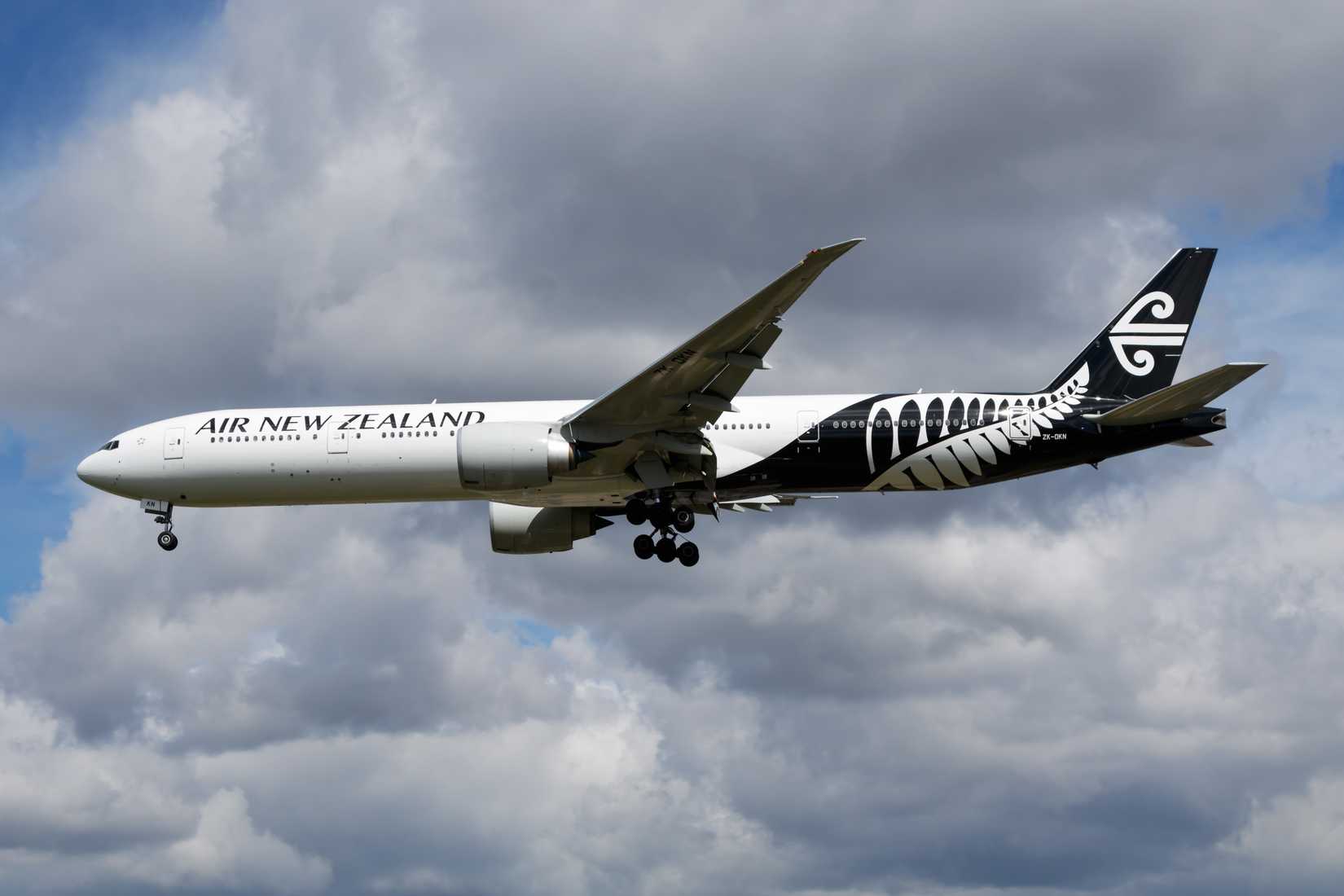
When looking at the length of the aircraft, it may surprise many to learn that the Boeing 777-300ER is longer than the 747-400. The 777-300ER is 73.9 m (242 ft 5 in) long, while the 747-400 is 70.7 m (231 ft 11 in) long, making a substantial difference of more than 10 ft between the two aircraft. When it comes to the width of each aircraft, measured by its wingspan, the Boeing 777-300ER is also larger than the 747-400, with a wingspan of 64.8 m (212 ft 7 in) versus 64.4 m (211 ft 5 in).
However, one area in which the 

However, airlines soon realized that they could make more money by filling the area with passenger seating instead, increasing the aircraft’s capacity. This led to the upper deck area being extended further back on later variants of the 747, and likely inspired Airbus in its production of the mighty A380.
The Boeing 777-300ER Is More Powerful

The Boeing 777-300ER is powered by the most powerful commercial aircraft engines in the world – the General Electric GE90. Each of the aircraft’s two engines is capable of producing up to 115,000 lbfs of thrust. At the time of its debut, the General Electric GE90 was groundbreaking for several reasons. It was the first commercial aircraft engine to feature composite fan blades, which reduced its weight while maintaining the engine’s strength and durability.
The fan diameter of the GE90-115B variant measures 128 inches, making it the largest turbofan engine in the world. The engine’s advanced technology and materials also help to reduce maintenance costs and extend its working life. When it comes to the Boeing 747-400’s four engines, there are three different engine options – the Pratt & Whitney PW4000, the General Electric CF6-80C2, and the Rolls-Royce RB211-524G/H. Each of these engines produces varying amounts of thrust.
|
Engine |
Thrust |
|---|---|
|
Pratt & Whitney PW4000 |
56,000 – 62,000 lbfs |
|
General Electric CF6-80C2 |
59,000 lbfs |
|
Rolls-Royce RB211-524G/H |
59,000 lbfs |
The most commonly used engine for the Boeing 747-400 throughout the aircraft’s life has been the General Electric CF6-80C2. Among the airlines that have operated 747-400s powered by CF6-80C2 engines are Thai Airways, Air France, All Nippon Airways, KLM, and Japan Airlines.
The Boeing 747-400 Has A Higher Passenger Capacity


Both the Boeing 747-400 and 777-300ER are large widebody aircraft, capable of carrying hundreds of passengers at one time. However, the 747-400 is the clear winner when it comes to the total number of passengers carried, with its upper deck giving it a distinct advantage over the single-deck 777-300ER.
In a typical three-class configuration, the Boeing 747-400 can accommodate around 416 passengers, although this can be extended to upwards of 600 passengers in an all- economy class configuration. Meanwhile, the 777-300ER typically carries around 365 passengers in a three-class configuration, increasing to around 450 in higher-density layouts.
All About The Boeing 747-400


The Boeing 747-400 entered commercial service in February 1989 with Northwest Airlines. It initially operated domestic routes such as Minneapolis/St Paul International Airport (MSP) to Phoenix Sky Harbor International Airport (PHX) for training purposes, before being deployed on long-haul international routes. The 747-400 went on to become the most popular variant of the 747 family, combining range, capacity, and reliability in a way that reshaped the global airline industry.
However, as fuel prices rose and more efficient aircraft such as the Boeing 787 and Airbus A350 entered the marketplace, the fuel-hungry 747, with its four engines, fell out of favor with many airlines around the world. The COVID-19 pandemic was the final nail in the coffin for the iconic aircraft, with several airlines opting to retire their remaining 747s earlier than planned due to the unexpected downturn in global passenger demand.
Among the carriers to do so were Qantas, British Airways, Virgin Atlantic, China Airlines, and Air India. Qantas, for example, had operated the 747 for nearly 50 years, with all variants of the aircraft being part of the carrier’s fleet at various points.
All About The Boeing 777-300ER
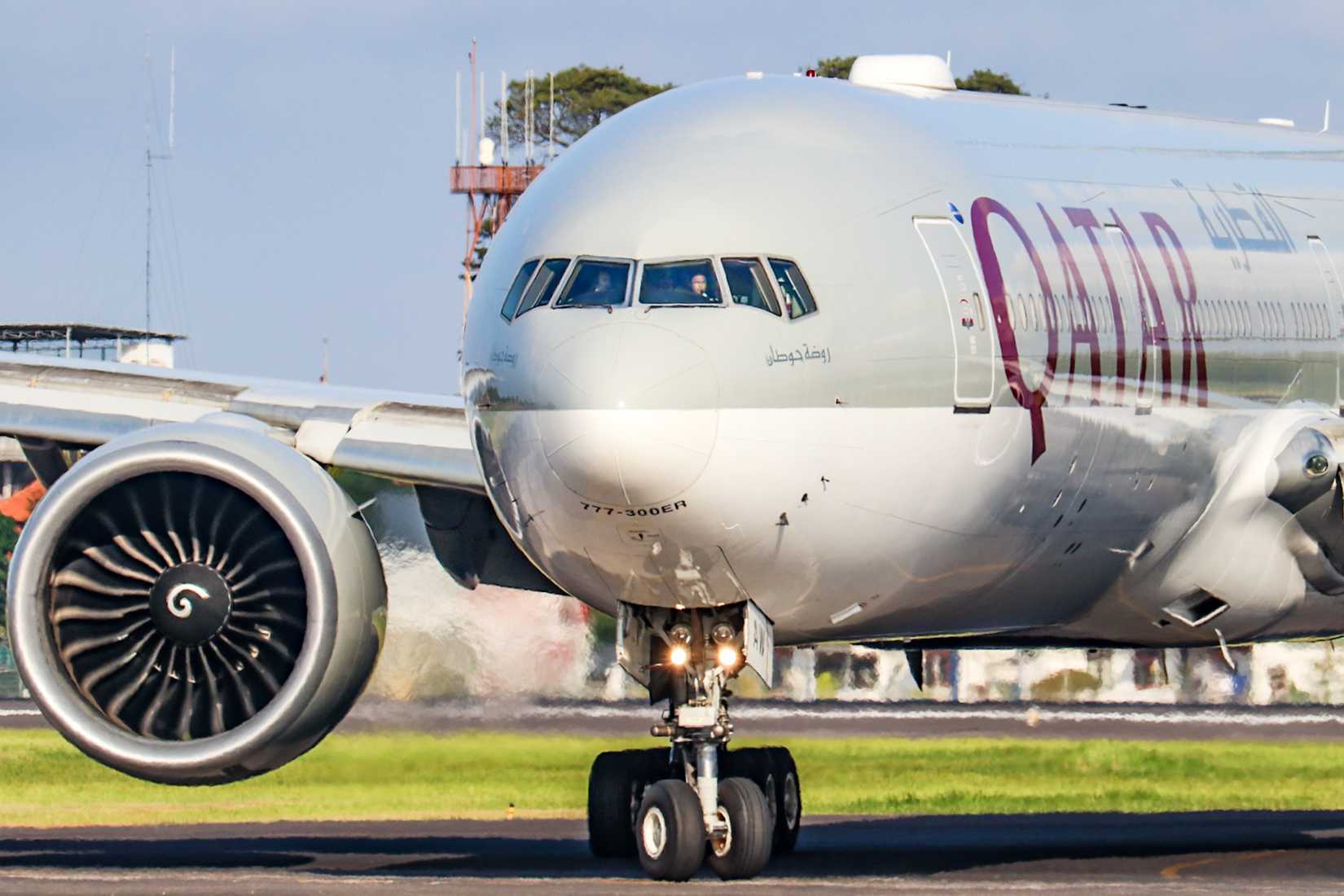
The Boeing 777-300ER is a much newer aircraft, entering commercial service in 2004 with Air France. The first route operated by the aircraft was between the carrier’s primary hub at Paris Charles de Gaulle Airport (CDG) and New York John F. Kennedy International Airport (JFK). This high-profile route was perfect for showcasing the impressive power of the 777-300ER and its comfortable passenger cabins, and the Boeing 777-300ER went on to become the best-selling 777 variant.
One of the key factors behind its popularity is its operational efficiency, as, with only two engines, it has significantly lower fuel consumption and maintenance costs compared to older four-engine aircraft such as the 747-400. It also meets ETOPS regulations, allowing it to fly long distances over oceans and remote areas. This is something that was once only possible for commercial aircraft with three or four engines.
The Boeing 777-300ER is set to be succeeded in 2026 by the upcoming Boeing 777X, when the US manufacturer’s latest aircraft eventually enters service, some six years behind schedule. The 777X program consists of two main passenger variants, the 777-8 and 777-9, and aims to combine cutting-edge technology with greater passenger comfort and longer range than its predecessor.
The Boeing 777X will also feature composite wings and folding wingtips, improving its fuel efficiency by as much as 14% compared to older models. 

The Largest Operators Of The Boeing 747-400


Before production ended in 2023, Boeing had built and delivered more than 1,500 747s, making it one of the most popular widebody aircraft of its time. The 747-400 was the most popular variant of them all, with more than 440 delivered to airlines across the world. Major operators of the 747-400 over the years have included British Airways, 
|
Airline |
Boeing 747-400 |
|---|---|
|
Lufthansa |
8 |
|
Rossiya Airlines |
5 |
|
Air China |
2 |
|
Mahan Air |
1 |
However, the latest data from ch-aviation shows that today, there are just 16 Boeing 747-400s left in commercial service around the world, operated by four different airlines, as shown in the table above.
Who Flew The Most Examples Of The Boeing 777-300ER?

Just as the 747-400 was the most popular variant of the 747 family, the 777-300ER has been the most popular 777 variant, with more than 800 built and delivered by the US manufacturer since production began. The final delivery of a passenger 777-300ER took place in May 2021, with the aircraft going to the Russian carrier Aeroflot. With production of the aircraft emding, Boeing has since been able to concentrate its efforts on the production of more modern aircraft such as the 787 and 777X.
Today, by far the largest operator of the Boeing 777-300ER is Emirates. The carrier, based at 
|
Airline |
Boeing 777-300ER |
|---|---|
|
Emirates |
124 |
|
Qatar Airways |
57 |
|
Air France |
43 |
|
Cathay Pacific |
35 |
|
Saudia |
35 |
|
EVA Air |
34 |
|
Turkish Airlines |
33 |
|
Air China |
28 |
|
Korean Air |
25 |
|
Singapore Airlines |
22 |
The world’s second-largest operator of the 777-300ER is 
When it comes to the question which aircraft is larger – by many measures, the Boeing 777-300ER is, surprisingly, larger than the 747-400. However, when looking at passenger capacity and the legacy left by the aircraft on the wider commercial aviation industry, one could say that the winner is, most definitely, the iconic 747-400. What do you think?


- Stock Code
-
BA
- Date Founded
-
July 15, 1916
- CEO
-
Kelly Ortberg
- Headquarters Location
-
Chicago, USA
source