


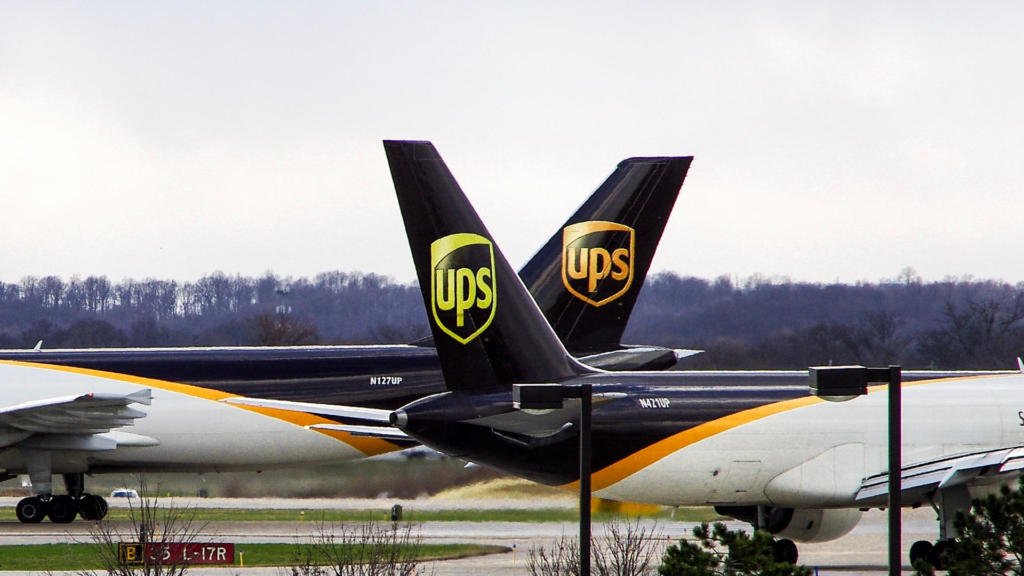
Kentucky Governor Andy Beshear has officially declared a state of emergency on the morning of November 5, 2025, after a UPS McDonnell Douglas MD-11 cargo jet crashed and exploded near Louisville Muhammad Ali International Airport (SDF), an incident which resulted in the deaths of nine individuals and injured multiple others. The aircraft was operating UPS Airlines Flight 2976 at the time of the crash.
This order unlocks state resources and National Guard support, while also activating the Team Kentucky Emergency Relief Fund to cover urgent needs, including funeral costs. Louisville has opened up a city resources and debris-reporting portal. For those investigating how to help, they are encouraged to donate to the relief fund and follow all federal guidance on debris reporting and avoid the crash area while investigators rush to secure evidence.
What Were The Key Developments In This Incident?

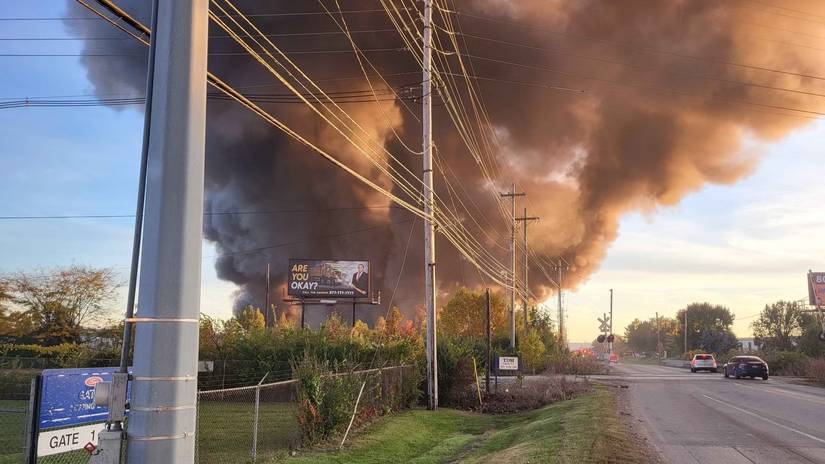
At around 5:15 PM Eastern Time on November 4, a UPS flight, which was bound for Honolulu’s Daniel K. Inouye International Airport (HNL), caught fire and crashed just south of Louisville Airport’s principal runway. Officials have reported that at least nine died in the incident and a number more were injured, numbers which could be set to change as the search intensifies over the next few days. On November 5, Andy Beshear elected to declare a state of emergency, enabling the rapid mobilization of state agencies and the Kentucky National Guard.
The city of Louisville has established resources for families and a web portal that allows passengers to report debris. The airport has reopened with severe operating restrictions, and one runway is expected to remain closed for days as the National Transportation Safety Board investigates with a full go-ahead team. In a statement to the media, the Governor had the following words to share:
“I’m declaring a state of emergency to help us deal with this plane crash. It allows us to move resources more quickly through emergency management and the Kentucky National Guard. It allows state resources to be used also through our agencies to be readily available, including disaster resource management, expenses related to response, and more as well as reimbursement.”
What Are The Impacts Of This Incident On Passengers?

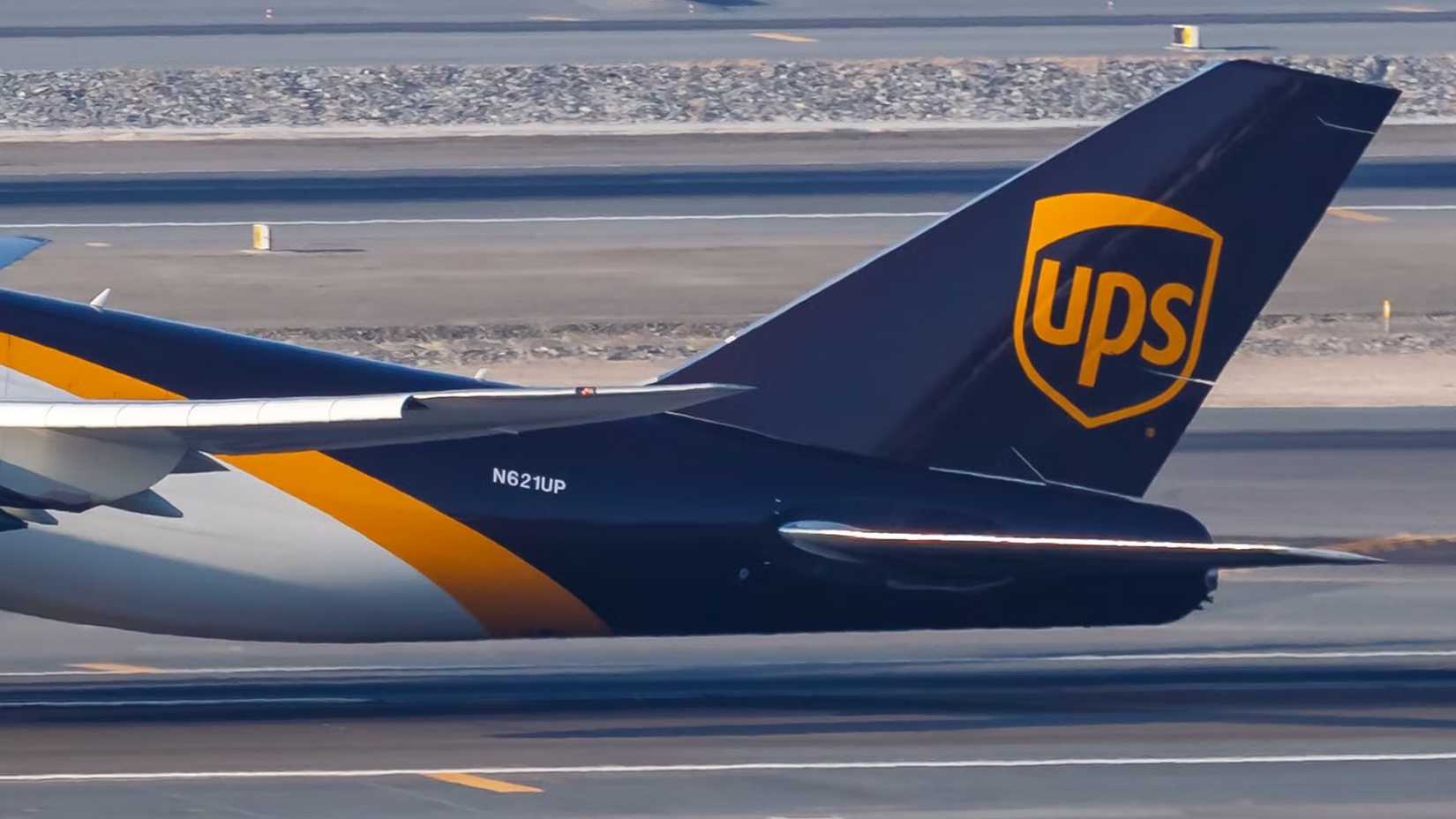
There were no fare-paying passengers on this cargo flight, but travelers to, from, or through Louisville may face knock-on effects as a result of the tragedy. One runway remains closed both for investigation and repairs, and the airport is operating at reduced capacity. This could likely lead to delays, cancellations, and diversions, especially during peak afternoon and overnight flight banks.
Airlines may consolidate flights or substitute smaller aircraft while taxiway and airspace restrictions remain in place. For those holding a ticket, monitoring your airline app for rebooking options and waivers may be a good strategy. Passengers through Louisville will now want to allow extra time at the airport, as longer security lines and runway queues are affecting normal operations.
Those traveling or living near the crash site should follow all applicable guidelines for reporting debris. They are encouraged to preserve evidence by not handling any debris, a move that allows first responders clear access.
What Will Be The Impacts On UPS?


UPS’s immediate priority in the wake of this incident will be caring for employees and families while cooperating with the National Transportation Safety Board (NTSB) and the Federal Aviation Administration (FAA). From an operational perspective, Tuesday night’s shutdown at its Louisville Worldport hub and the continuing runway restrictions will ripple across the airline’s global network, increasing the risk of service delays, volume rollover, and contingency routings in the near future.
Customers could see later delivery commitments on select freight lanes until flows normalize. The loss of an MD-11 on its own will trigger insurance and recovery processes while also requiring aircraft and crews to be temporarily repositioned. The airline may also look to upgauge certain routes in order to fill more capacity on these routes. The airline will also need to heighten safety reviews across its fleet while maintenance providers analyze data, video evidence and recent maintenance records.
There will be some near-term headwinds that include overtime costs, disruption expenses and facility repairs. The magnitude of these headwinds will depend on how quickly Worldport is able to return to full throughput and how long this runway closure will last during the critical holiday shipping period.
source