


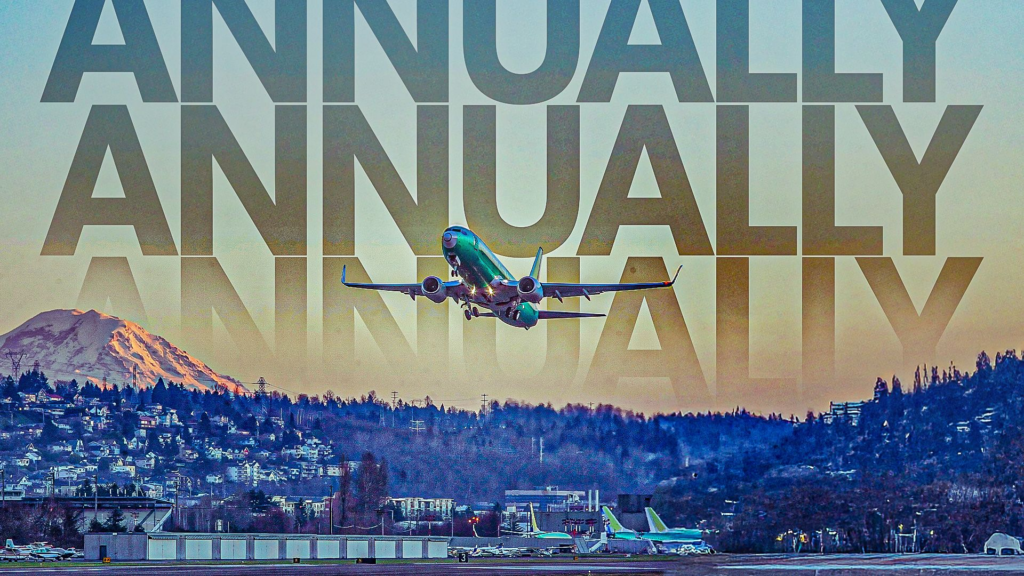
Boeing remains one of the world’s two dominant commercial aircraft manufacturers, sharing the stage with Europe’s Airbus. Its annual aircraft output is more than just a statistic: it’s a reflection of industrial capability, financial stability, and global airline demand. The number of jets Boeing produces each year offers insight into the company’s production efficiency, supply chain resilience, and its ability to recover from crises that have shaken the aerospace industry in recent years.
Determining how many aircraft 

Production Vs Delivery: Why They Diverge

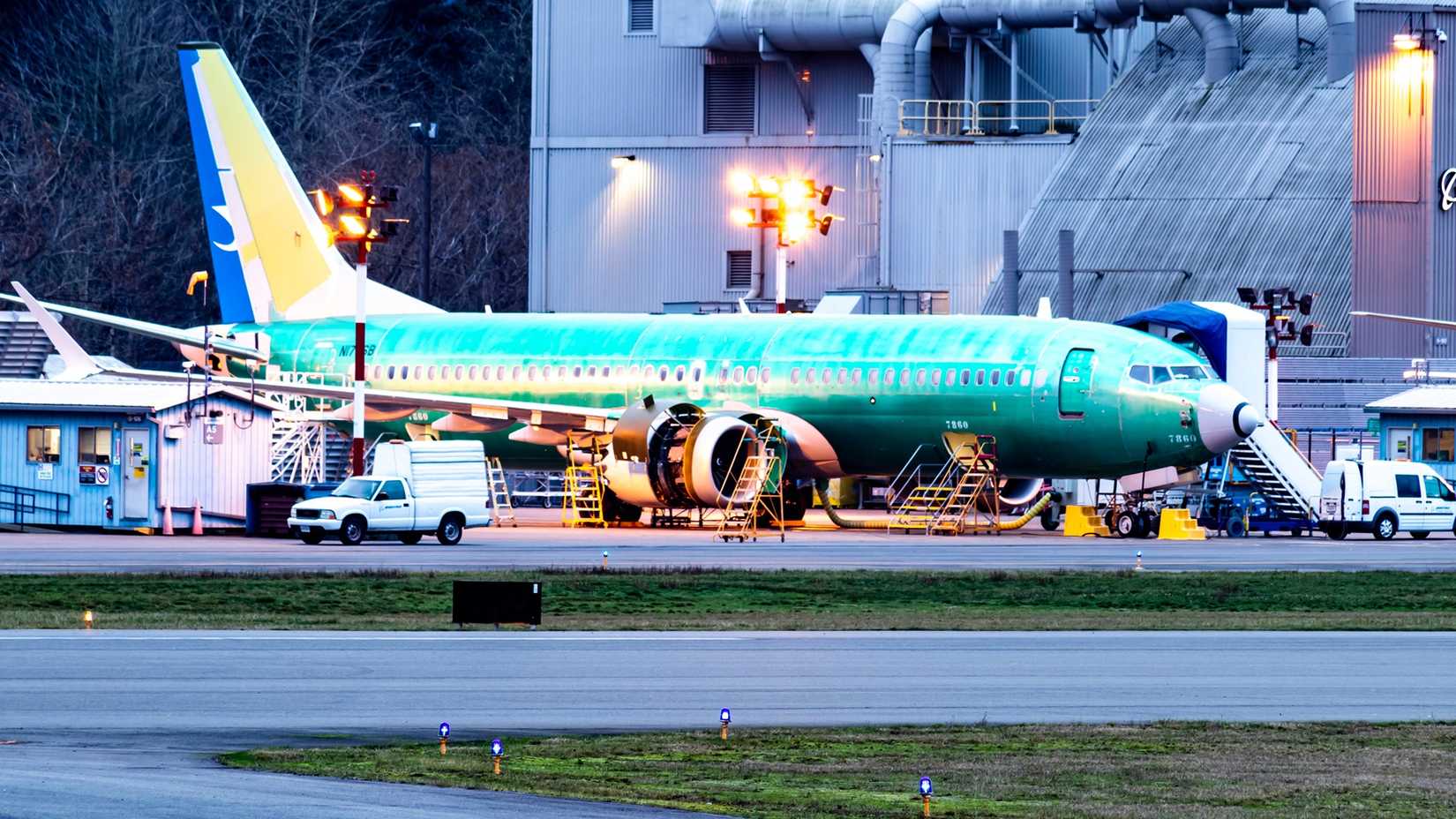
Boeing’s aircraft count can be interpreted in two ways: production and deliveries. Production refers to how many aircraft the company builds in a given period, while deliveries represent how many are actually completed, tested, certified, and handed over to customers. Deliveries are typically used as the benchmark for performance because they directly correspond to revenue, but Boeing’s production rate may exceed deliveries in years when inventory builds up due to certification delays.
In recent years, this divergence has become particularly significant. Boeing has accumulated a sizable inventory of aircraft that are technically complete but not yet cleared for delivery due to regulatory issues or logistical bottlenecks. This includes hundreds of Boeing 737 MAX jets that were built during the global grounding period and still await final delivery modifications or customer acceptance. The company has been working to reduce this inventory gradually.
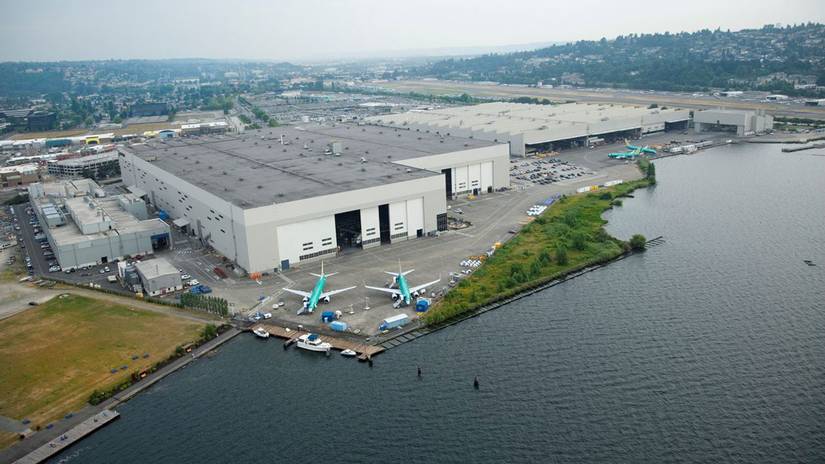
The result is that Boeing’s official delivery numbers may understate its true production capacity. Even if the factories in Renton and Everett are capable of producing more aircraft per month, the company has to coordinate these rates with its suppliers, regulatory agencies, and customer schedules. Production planning in aerospace is, therefore, a careful balancing act between manufacturing speed, certification readiness, and delivery logistics.
Recent Baseline: Boeing Deliveries In 2024

Boeing delivered 348 commercial aircraft in 2024, a significant decline compared to its pre-pandemic and pre-grounding figures. This was the company’s lowest total since the early 2020s, when COVID-19 severely disrupted global aviation. The 2024 results were affected by a combination of internal and external challenges: production slowdowns, stricter quality inspections, and labor disruptions that limited output. This decline set a new baseline for Boeing’s recovery efforts moving into 2025.
One of the most pressing issues in 2024 was quality control. Following incidents and investigations, Boeing was forced to enhance its inspection protocols across production lines, which added time and complexity to the process. At the same time, shortages of components such as engines and avionics systems continued to hamper production flow. Boeing acknowledged that while factory throughput was improving, the pace of certified deliveries remained cautious and measured.
This slower pace of output reflects a broader strategic shift for Boeing, prioritizing stability and reliability over raw production volume. After several years of reputational and operational turbulence, the company’s main goal became restoring confidence among regulators, customers, and investors. The 2024 delivery count may seem low, but it also represented a deliberate choice to maintain quality control while rebuilding toward higher rates.
Forecasts & Targets: 2025 Outlook

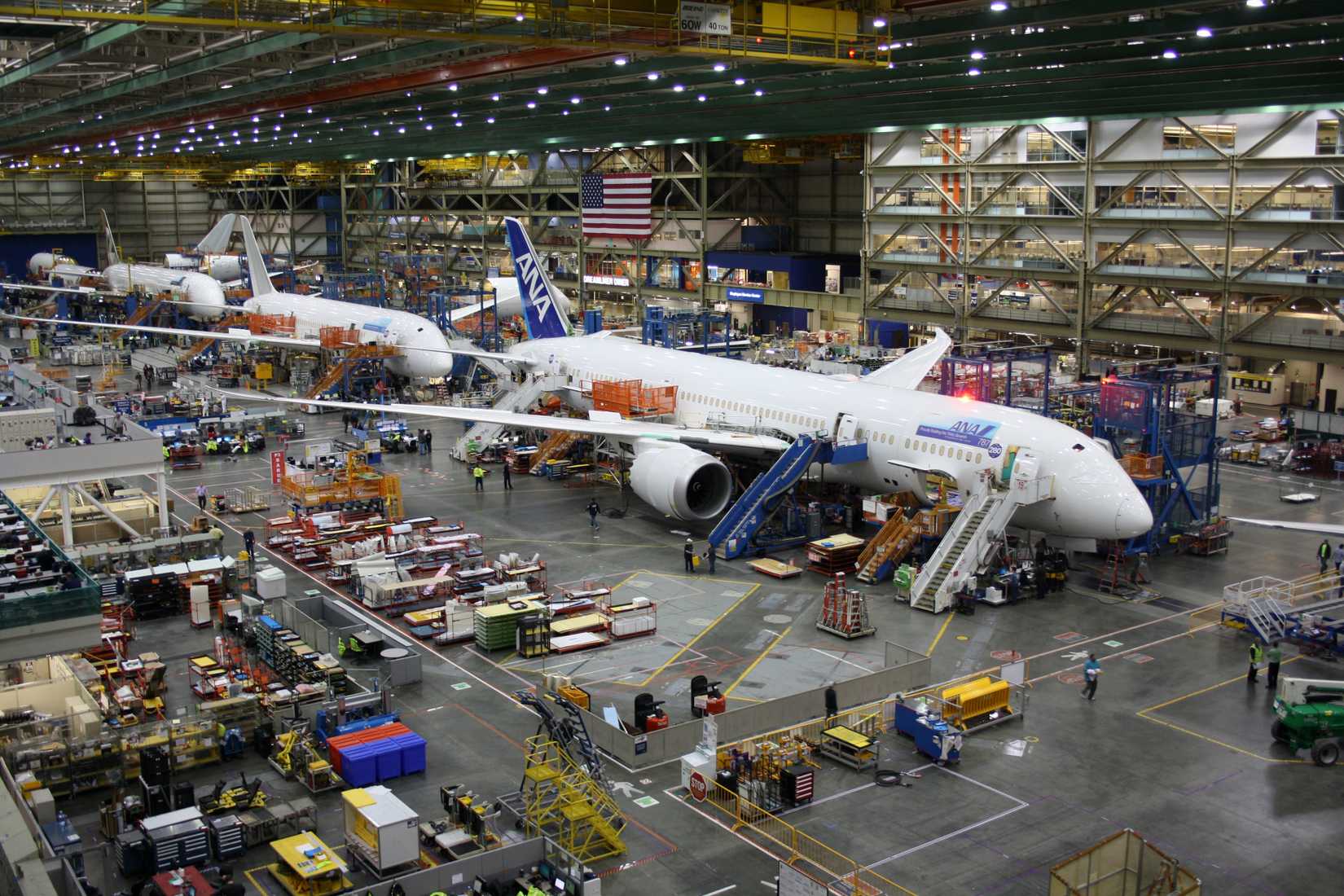
Looking ahead to 2025, Boeing’s production and delivery figures are expected to rise from the 2024 baseline, and analysts forecast that Boeing could deliver 580-600 commercial jets in 2025 if it maintains a consistent output. This would represent a recovery of roughly 70% from the previous year and indicate a gradual return to pre-crisis production rhythms. The company’s focus will likely remain on the 737 MAX line, which continues to be the backbone of its commercial portfolio.
To achieve this growth, Boeing has stabilized production of the 737 MAX at 38 aircraft per month, and has received FAA approval to increase to 42 aircraft per month. On the widebody side, the Dreamliner line continues to ramp up at a more moderate pace, with the Boeing 787 expected to see the largest year-over-year increase due to resumed international demand. This mixed production portfolio is what allows Boeing to steadily scale output without overextending any single facility.
|
Metric |
Airbus (August 2025) |
Boeing (August 2025) |
|---|---|---|
|
Deliveries in August (Per Flight Plan) |
61 aircraft |
57 aircraft |
|
Cumulative deliveries through August 31 |
380 aircraft |
385 aircraft |
|
Breakdown of Boeing’s August deliveries |
— |
42 × 737 MAX, 1 × 737-700, 1 × 767-2C, 4 × 777, 9 × 787 |
|
Breakdown of Airbus’s August deliveries |
7 × A220, 47 × A320neo family, 2 × A330, 5 × A350 |
— |
|
Boeing’s projected full-year deliveries |
— |
580 aircraft |
|
Airbus’s projected full-year deliveries |
820 aircraft |
— |
|
Average deliveries needed per month (August–December) |
97 aircraft |
49 aircraft |
Still, Boeing’s 2025 success will depend heavily on how effectively it can deliver aircraft already in its inventory. A significant portion of its output will come from clearing previously completed planes that are finally ready for customer handover. Therefore, while the company might ‘produce’ around 600 new aircraft, actual deliveries could include both newly built and previously completed jets, blurring the line between production and backlog reduction.
Constraints: Regulatory, Certification & Supply Chain

Regulatory oversight has been a defining feature of Boeing’s production environment, as, today, the FAA exercises far more direct supervision over Boeing’s quality systems and production rates. This increased scrutiny, though necessary for safety, means that certification and inspection processes can slow production significantly. Boeing has had to introduce additional documentation, checks, and process controls for each aircraft before it is approved for delivery.
Certification delays are another major constraint. The 737 MAX 7 and MAX 10 variants, both in advanced stages of development, have faced repeated certification deferrals that limit Boeing’s ability to increase total output. These variants are critical to meeting airline demand in specific market segments, and their absence from active production schedules creates inefficiencies in resource allocation. Until these aircraft are approved, Boeing’s production rate will remain capped.
On top of these issues, supply chains remain fragile. Engine makers, electronics suppliers, and component manufacturers are struggling to meet demand after years of pandemic-related disruptions. Even a single shortage, such as a delayed shipment of fasteners or wiring harnesses, can stall production. Boeing’s leadership has acknowledged that supply chain stability will be one of the most important factors determining how many aircraft it can produce going forward.
Historical Peak Vs Present Reality

To understand Boeing’s current output, it helps to look back at its historical peaks. In 2018, Boeing delivered a record 806 aircraft, a level that symbolized both its industrial dominance and operational efficiency at the time. However, since the 737 MAX grounding in 2019 and the COVID-19 Pandemic in 2020, Boeing’s production has never fully recovered. The gap between past and present performance underscores how structural and systemic its challenges have become.
Today, Boeing’s monthly delivery rate hovers between 40 and 60 jets, depending on the mix of models and the pace of approvals. This is a significant step-down from the 70-80 per month rate achieved during its peak years. The difference is not solely due to internal issues, as global demand cycles, workforce shifts, and supplier reliability have all changed dramatically in recent years. Rebuilding that momentum requires careful coordination across every stage of Boeing’s production ecosystem.
Nevertheless, Boeing’s current position shows cautious progress. Each quarter since mid-2024 has seen incremental improvement in output and delivery performance. The company’s goal is not to chase its historical record immediately but to build a more sustainable production foundation. If Boeing can maintain steady monthly increases without new setbacks, it could reach 600 deliveries within the next few years, a meaningful milestone on the road to full recovery.
What’s Ahead: Growth Path & Risks
Boeing’s growth trajectory depends on multiple moving parts: regulatory confidence, supplier performance, workforce stability, and airline demand. The company aims to gradually raise its monthly production rates across all major programs, but these plans will unfold only as conditions allow. Industry forecasts suggest that if Boeing can maintain consistency and avoid major disruptions, it could return to 600–700 aircraft per year by 2026 or 2027.
However, risks remain significant. Any new quality incidents, part shortages, or certification setbacks could again force Boeing to slow production. Global economic uncertainty and fluctuating fuel prices also affect airlines’ willingness to take new aircraft, which in turn influences Boeing’s delivery schedule. Furthermore, Airbus’s continued market strength places competitive pressure on Boeing to not only produce more but to deliver flawlessly.
In the long term, Boeing’s production rate will serve as a barometer of its recovery from one of the most challenging decades in its history. The company’s ability to steadily increase output, maintain safety and quality, and meet global demand will determine whether it can regain its position as the world’s leading aircraft manufacturer. If successful, Boeing could return to producing more than 700 aircraft annually within the next few years, a level that once defined its global leadership in aviation.
source