


Subscription Required
By Scott Hamilton
Part 3
April 21, 2026, © Leeham News: In 2000-2001, Boeing revealed the concept it called the Sonic Cruiser.
This sleek, futuristic airplane was conceived to cruise just below the speed of sound. Once an airplane crosses this threshold, it flies at supersonic speeds. The Sonic Cruiser’s concept cruising speed was 0.97 Mach.

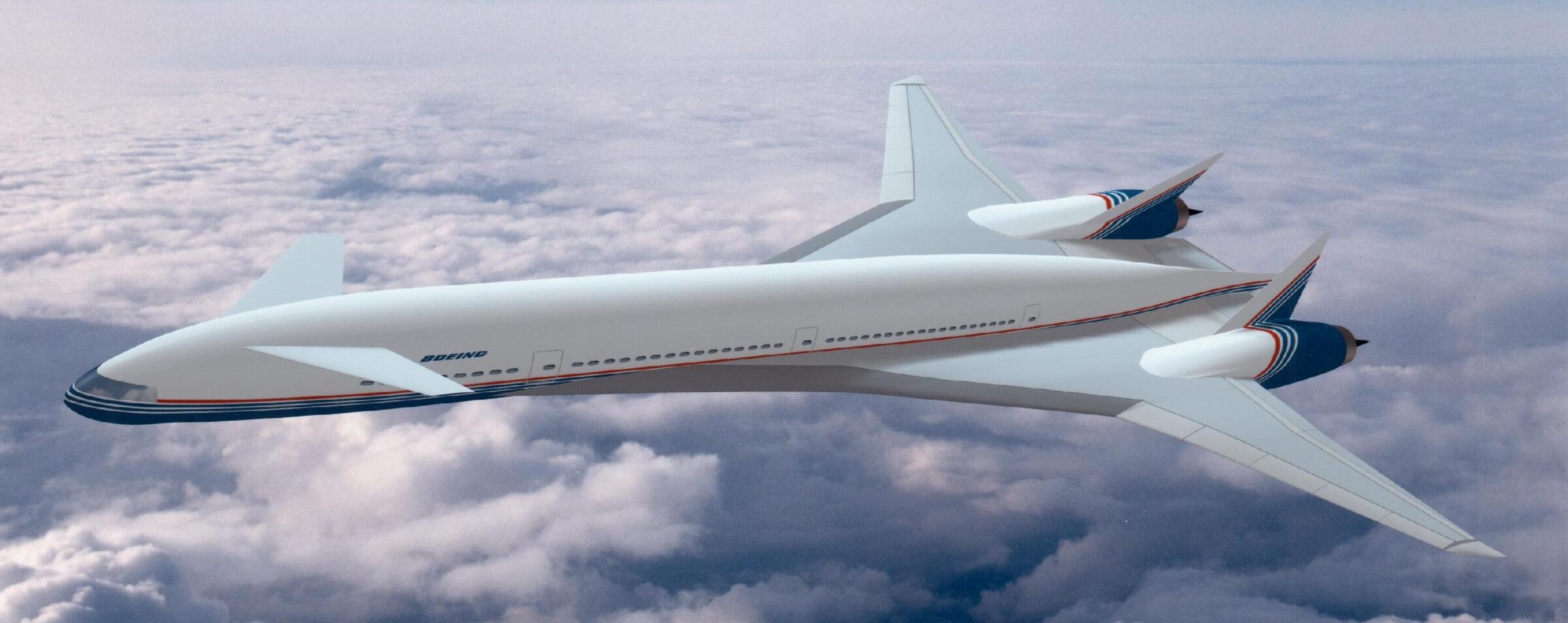
In 2000-2001, Boeing floated the Sonic Cruiser as a possible new airliner. Cruising just below the speed of sound, the concept died after the 9/11 terrorist attacks. Airlines wanted efficiency, not speed. Technology from the Sonic Cruiser were shifted to what became the Boeing 787. Credit: Boeing.
There are all sorts of technical challenges for cruising just below the speed of sound, but this isn’t what killed the project. The terrorist attacks of 9/11 were a game-changer for airlines. They became more interested in dramatically lower fuel consumption. The Sonic Cruiser would burn the same fuel as 1982’s Boeing 767.
So, Boeing scrapped the Cruiser and began applying technology from this to a new idea, the 7E7. Thus, a new, all-composite airplane with an advanced wing design and a spacious, futuristic-looking interior was born: the 787.
Airlines wrecked the spaciousness by putting nine economy seats in a space designed for eight, but the 787 went on to become the best-selling twin-aisle airplane in the world.
Applying new technology from a design that never went beyond the concept stage is not new. Boeing today continues to follow this pattern with its WISK four-passenger autonomous eVTOL.-

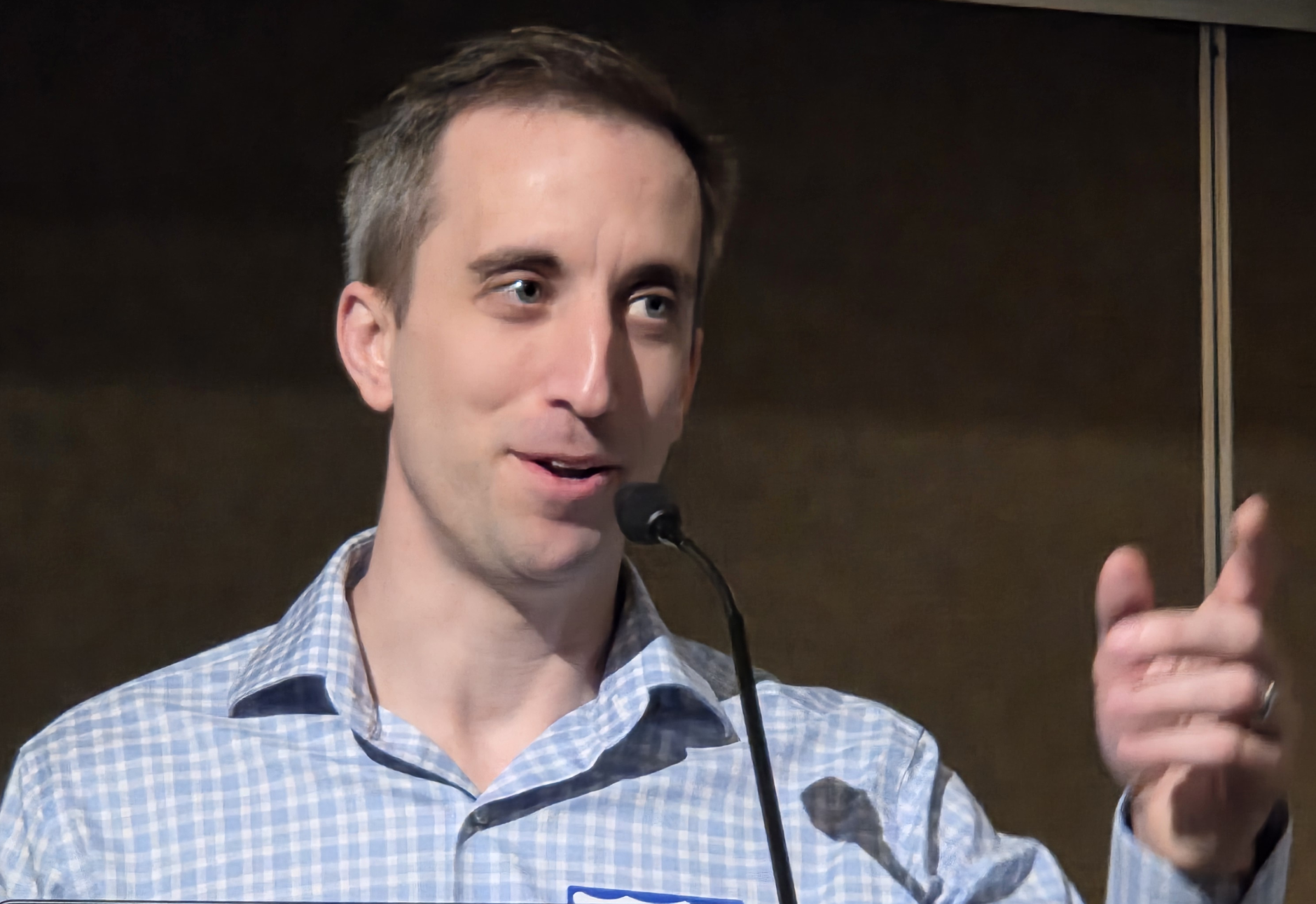
Brian Yutko, VP of Product Development for Boeing Commercial Airplanes. Credit: Leeham News.
Brian Yutko, Boeing Commercial Airplanes’ VP of Product Development, last month outlined how WISK’s new technology is likely to migrate to the next new airplane, whatever it is. He spoke at the Pacific Northwest chapter of AIAA (American Institute of Aeronautics and Astronautics).
WISK is Boeing’s four-passenger autonomous eVTOL. The first test flight was at the end of last year. There were no squawks, he said.
Related Articles
source