


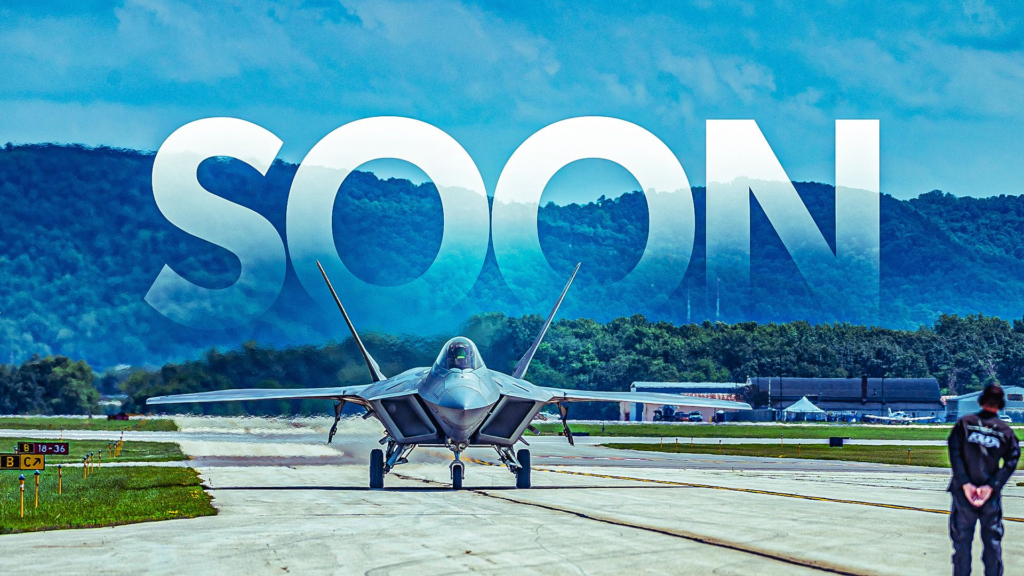
Development of the F-22 Raptor initially started in the Cold War, with the Air Force planning to purchase 750 of the next-generation fighters. But the Soviet Union collapsed, and with it disappeared any peer adversary that justified the US spending vast sums of money on high-end and expensive systems. The Navy’s A-12 Avenger II was canceled, and the Air Force’s F-22 and B-2 programs were heavily truncated. In the end, only 187 serial production F-22s were procured, of which over 30 were training variant Block 20 that are not combat worthy.
Faced with rising China, the United States once again has a technologically advanced adversary, and it is once again in an arms race. Having failed to retire the expensive Block 20 F-22s, the Air Force is now considering upgrading them to combat status. The Air Force has to balance retiring older aircraft (including A-10s) to free up resources to develop new fighter jets and platforms (e.g., the F-47).
The USAF’s Block 20 Training F-22 Raptors

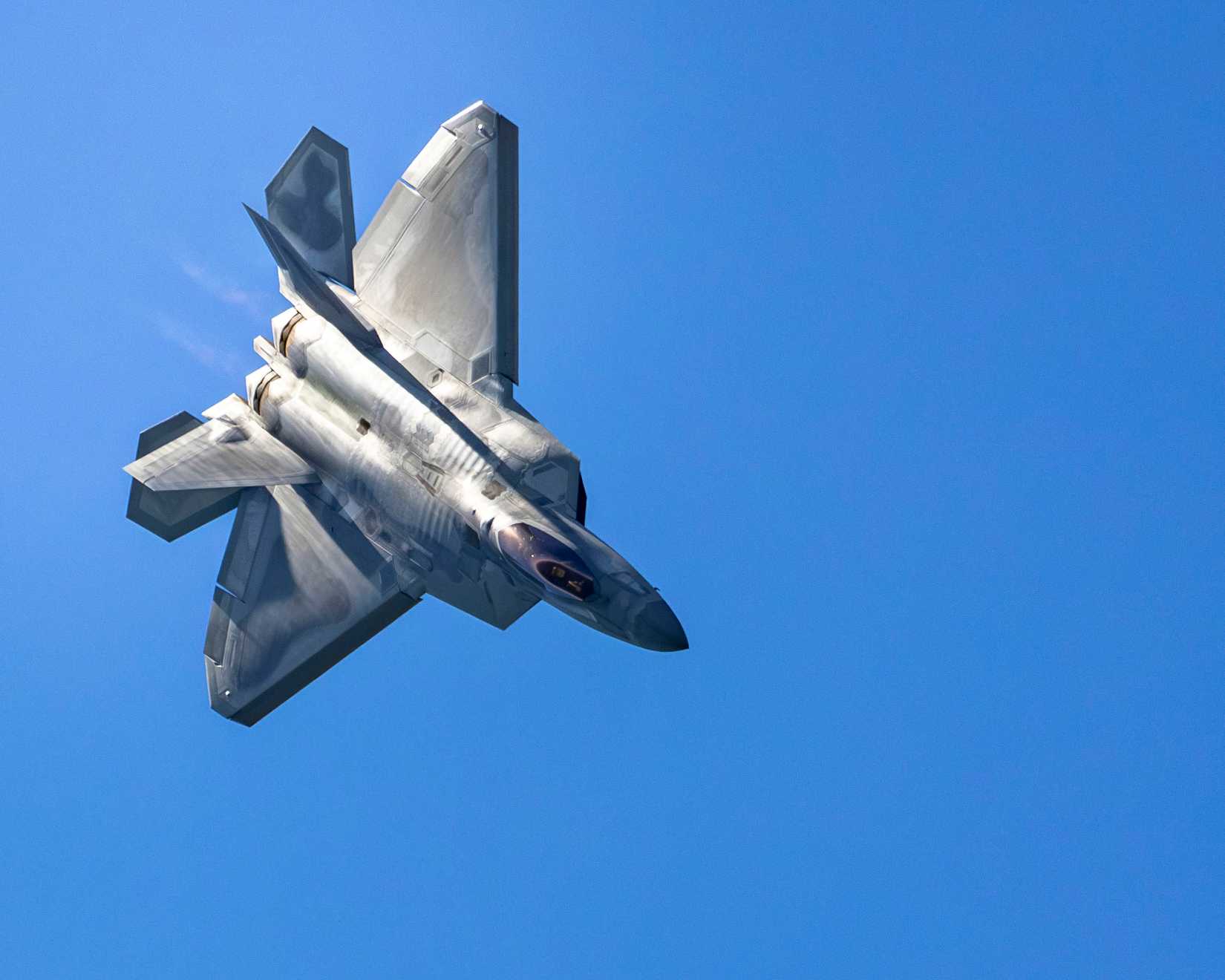
The USAF only procured 187 F-22s, of which at least five are known to have been written off after accidents over the years. Its combat fleet is 142 airframes. For years (including its FY 2025 budget request), the Air Force has been asking Congress for permission to retire its 32 older, training-only Block 20 Raptors so that it can better focus on developing new, next-generation aircraft. This has been rebuffed every time.
Now it seems the Air Force may be looking to not only keep them, but bring these older training jets up to combat code. While the Air Force is rushing development of its new F-47, it will be years before that sixth-generation is available in numbers. Even then, as a system-of-systems, the extremely expensive and high-end F-47 may never be available in large numbers.
The F-22 remains the most advanced air-to-air fighter in service today and can be upgraded to remain at the tip of the spear into the 2030s. That said, no new F-22s will be built. The production line went cold many years ago, and the Air Force’s focus on new airframes is on the F-47, F-35, F-15EX, and various autonomous Collaborative Combat Aircraft and other unmanned systems.
The F-22 Raptor Defined 5th-Generation

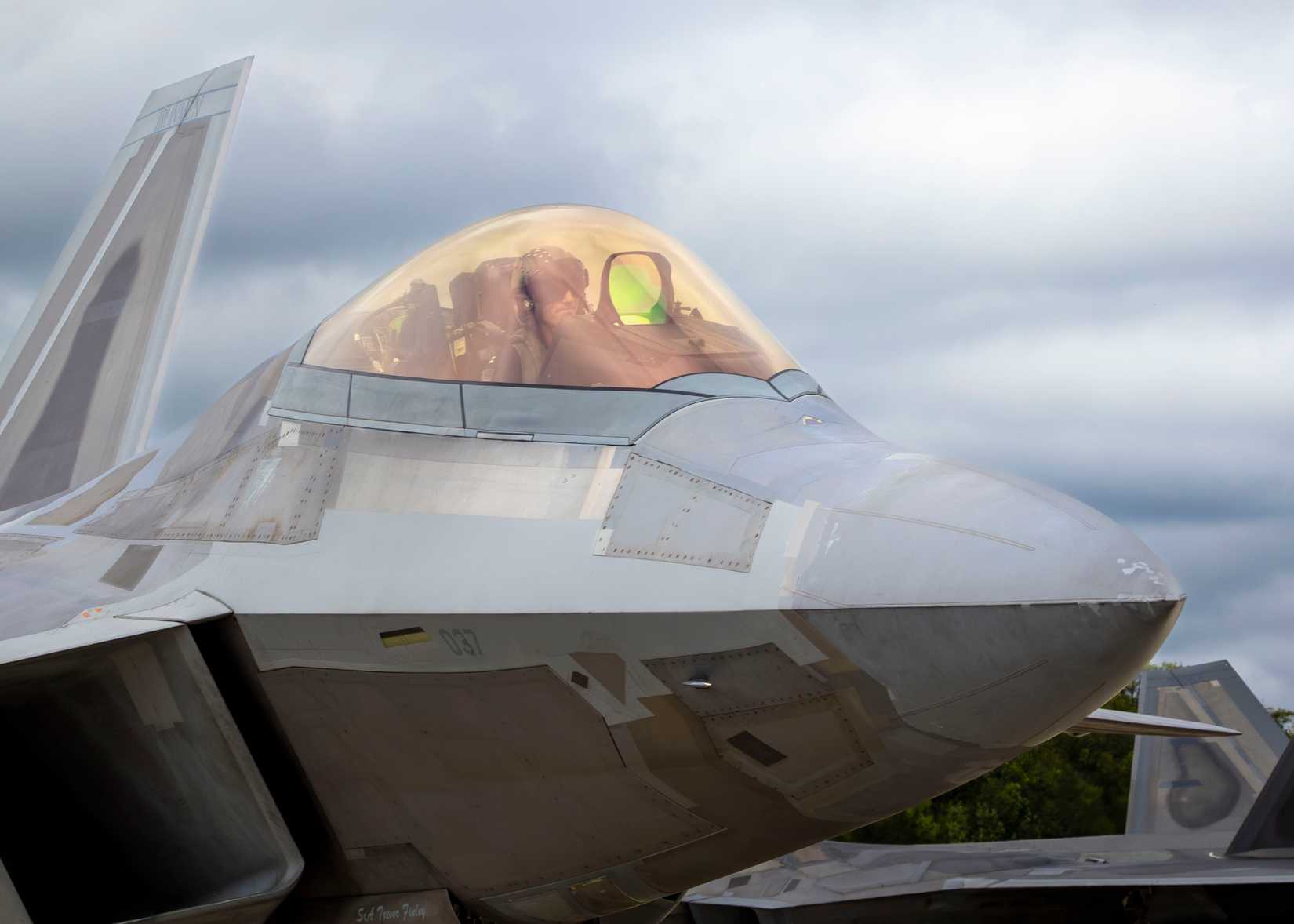
In the early 1990s, the concept of fighter jet generations was first put forward, and the classification system was quickly popularized to help highlight just how advanced the upcoming F-22 would be. The nascent F-22 program was marketed as the world’s first fifth-generation fighter jet to explain why the jet cost so much and to underline the massive leap in capabilities it offered. Since then, the multirole F-35 has been developed and has made many improvements over the F-22.
As time goes on, unrelenting, sustained investment in the F-35 is progressively maturing the jet. It is now considered to be the world’s most advanced all-round fighter jet and the second-best air-superiority fighter. The Air Force is investing in upgrading its F-22 Raptors to restore their edge in air dominance that has gradually eroded as China has developed more advanced fighters like the J-20 and J-35. The Raptor is set to be the first USAF fighter jet to be equipped with CCAs (aka loyal wingman drones) by the end of the decade.
Until now, the Air Force has only planned to upgrade 142 combat-coded F-22s. That number is based on the number of tablets the Pentagon as requested to purchase for Raptors to control the loyal wingman drones. According to The War Zone, Lockheed Martin is in discussions with the Air Force to add the 32 or 35 Block 20s to the upgrade package. If this moves forward, it would mean the Air Force would have a fleet of 174 or 177 upgraded Raptors.
Air Force’s Consideration To Upgrade Block 20s


The exact number of Block 20 Raptors that would be upgraded is unclear. In budget documents, the Air Force has listed 32 it would like to divest; meanwhile, TWZ reports the discussions are to upgrade a total of 35 Block 20s. At the same time, Lockheed is moving forward to upgrade the Block 30/35 jets to enable them to “see, and shoot, and go farther.” The modernization has been described by Lockheed’s Skunk Works as “hefty.”
It is unclear what upgrades the older Block 20s would receive if the Air Force agrees, though they would likely remain less capable than upgraded Block 30/35s. Details of the Block 20 and Block 30/35 upgrades are largely opaque due to extensive classification. Block 30/35 aircraft are known to be getting Infrared Defensive Systems (IRDS), stealth improvements, enhanced radar capabilities, a more capable electronic warfare suite, and other upgrades. Most of these upgrades will not be visible to the casual observer.
The Air Force is working on other upgrades for the Raptor. Known programs include podded infrared search-and-track (IRST) sensors and new stealthy drop tanks. The latter will help address the key issues with US fighter jets, that of range in the Pacific. US fighter jets are reliant on the Air Force’s massive fleet of tankers, but China has developed the J-20 and other systems to threaten those tankers. Carrying external tanks reduces the Raptor’s stealth, and so specialized stealthy tanks are required.
F-22 Raptor Complementing The F-47

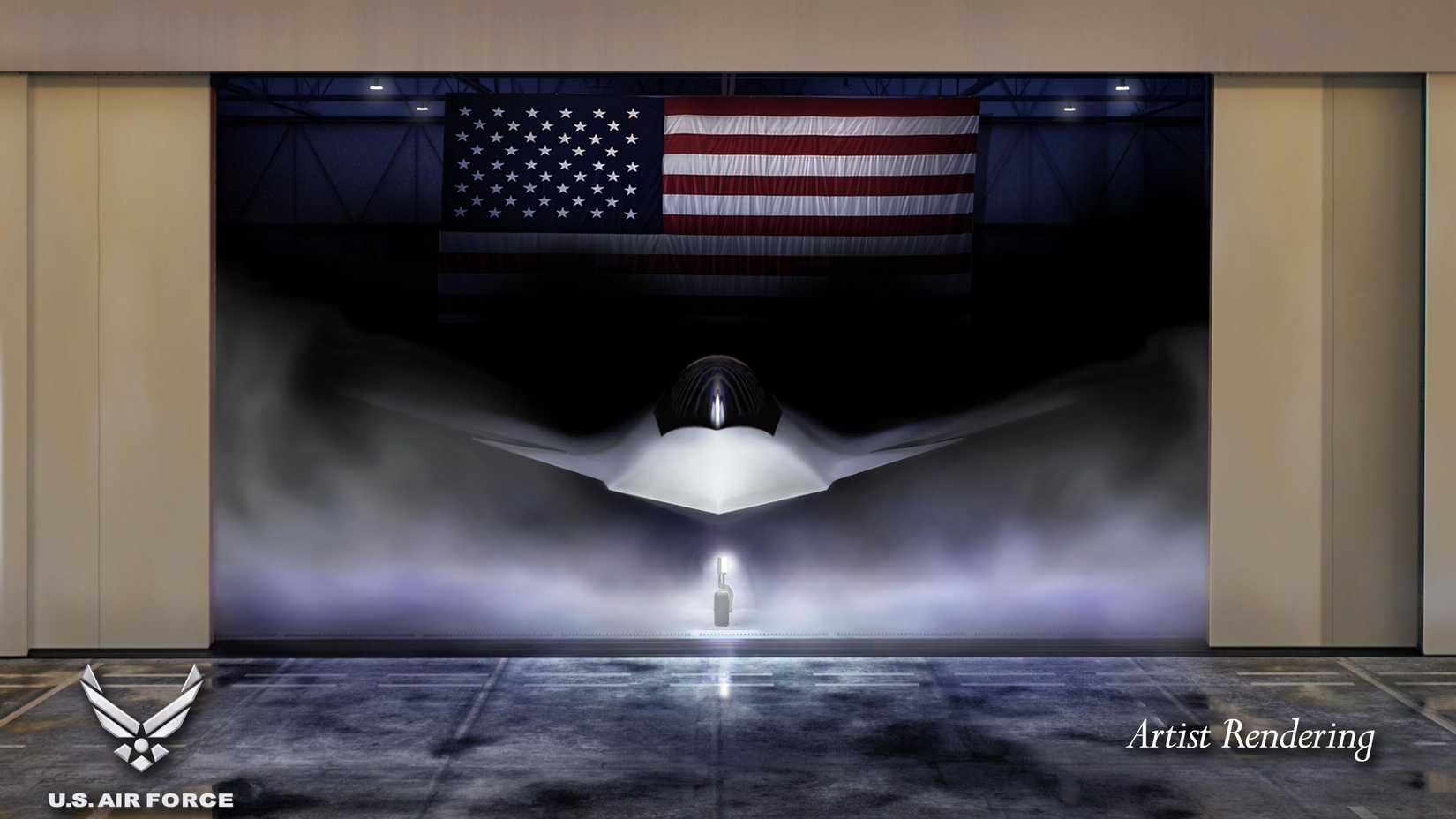
At one time, the F-47 fighter jet was thought to be a sixth-generation air dominance fighter that would replace the F-22 Raptor. But in 2024, then-Air Force Secretary Frank Kendall stated the F-47 (then known as NGAD) would not be a replacement for the Raptor. NGAD or Next-Generation Air Dominance is a program that includes both the manned F-47 fighter and loyal wingman drones, called Collaborative Combat Aircraft.
As stated, the F-22 will be the first to benefit from the NGAD program, as it will be the first to receive CCAs. The F-22 is playing a role in the development of the Boeing F-47 and the NGAD program overall. An Air Force infographic released in May 2024 suggested acquiring over 185 F-47s, which would amount to a one-for-one replacement for the F-22. By the end of 2024, the Air Force got the jitters over whether its expensive F-47 fighter would be canceled and put the program on hold for the incoming Trump Administration to decide.
The Trump Administration enthusiastically endorsed the program and is rushing it into service as soon as possible. Even so, it won’t be until 2028 that the first F-47 prototype flies, and it may not enter service until 2030. As a new aircraft, there are questions about how long it will take to perform as advertised. The F-35 has illustrated that it can take a long time to mature.
The Question Of Numbers

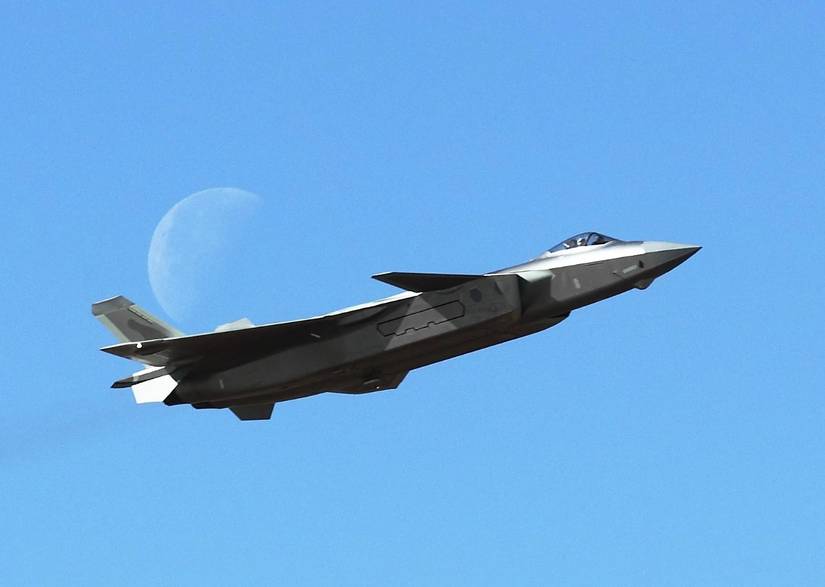
Perhaps the most pressing question is the number of air dominance fighter jets, and the Air Force may feel it needs to increase their numbers. After all, China is now known to have produced over 300 J-20s. It will take time for the F-47’s presence to be felt. Meanwhile, China has been ramping up production of its air-superiority jet, the J-20. It is estimated to have delivered 50 in 2022, 80 in 2023, 100 in 2024, and 120 in 2025, while the J-35 entered serial production in 2025.
The US’s F-35 production amounts to around 156 annually (170-190 planned for 2025), although many of these are exported. With the F-22 out of production and the F-47 some way off, one of the ways the US Air Force can boost its effective air superiority fighter fleet in the near term is to upgrade its Block 20s.
A general rule for fighter jets is that around a third are down for maintenance at any given time. This means that, out of a fleet of 142 combat-coded Raptors, the Air Force likely has only around 95 available. Upgrading the Block 20s will allow the Air Force to have another 20 or so air dominance fighters available, even if these are not as capable.
The Jury Remains Out On The F-22 Block 20s
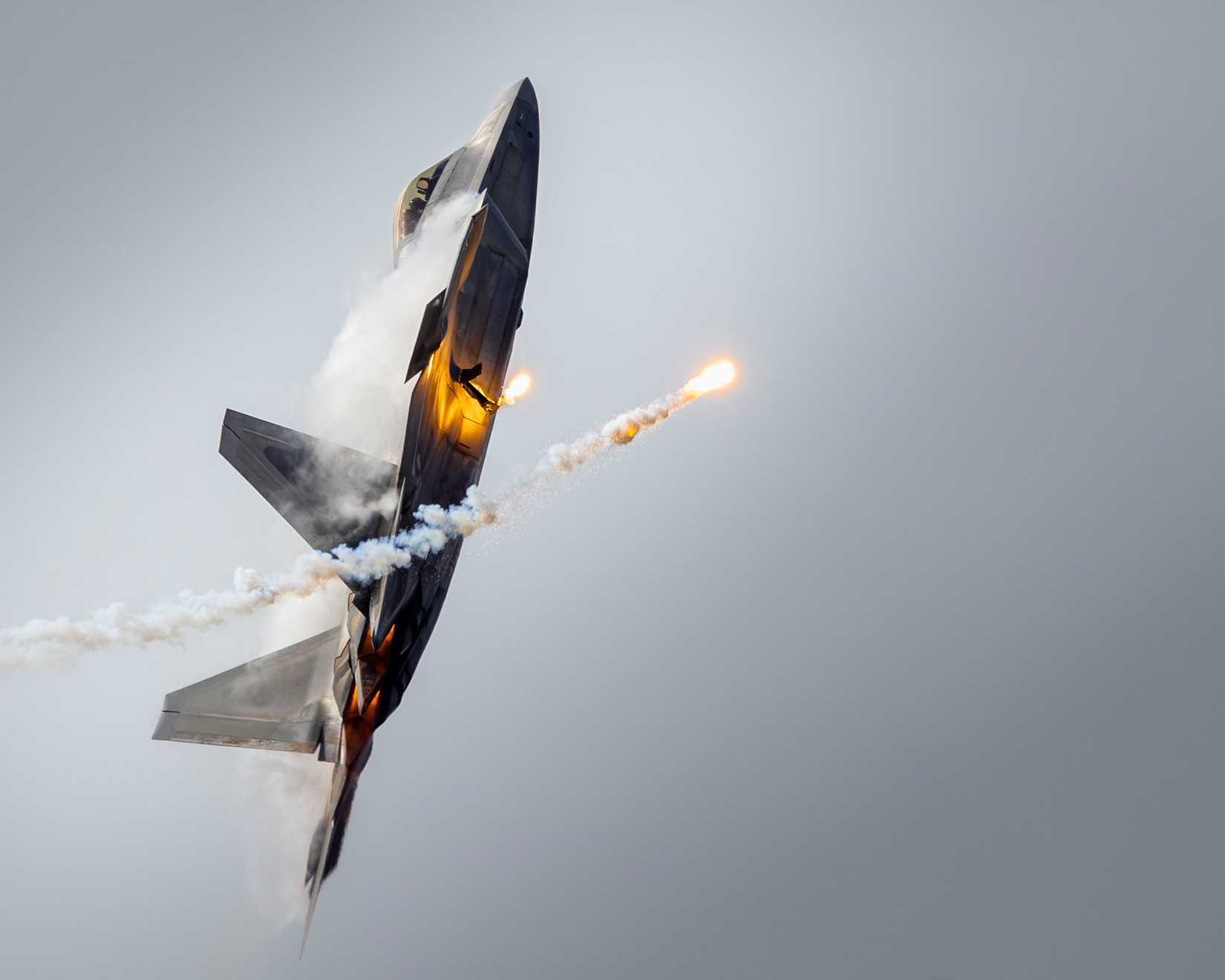
It remains unclear if the Air Force will upgrade its Block 20s. The existing upgrade plans for the Block 30/35s are already expected to cost $4.3 billion between 2026 and 2029, although some sources cite much higher numbers. The Air Force is already committed to funding a series of expensive programs like the F-45, F-35, Sentinel ICBM, Wedgetail, and others.
Much of the decision-making comes down to what the Air Force can afford to do and how much Washington is willing to fund. The Air Force has repeatedly tried to retire all the A-10 Warthogs, some older F-15Es, F-22 Block 20s, and cancel the expensive E-7 Wedgetail radar airplane. The Air Force tried to do this to focus on other programs.
Washington has repeatedly blocked most of these retirements and cancellations. Washington has been in favor of the Air Force keeping the Block 20s and even upgrading them. But it’s also a matter of whether Washington is willing to provide the extra funds to make that happen. If these funds are not forthcoming, then it’s a matter of the Air Force deciding where its limited funds are best spent, knowing that upgrading the Block 20s could come at the expense of another program.
source