



Flying narrowbody jets on transatlantic routes, according to 

While some Boeing 757s were retrofitted with lie-flat seats, the overall cabin experience is not comparable to modern widebodies, which generally offer more space and better amenities. Long-haul flights require more physical space for passengers to stretch, move around, and enjoy a less crowded experience, which is provided by widebody aircraft. Delta wants all international long-haul flights to offer a superior, consistent widebody experience, which typically includes lie-flat Delta One suites and a separate Premium Select (premium economy) cabin.
A Brand Identity Issue


Delta prioritizes luxury experiences and brand distinction, particularly for high-value and corporate travelers. The larger premium cabins seen in widebody aircraft, like lie-flat Delta One suites and Premium Select (premium economy) cabins, are more difficult to incorporate into narrowbody aircraft’s smaller layout, like the 757.
Delta’s corporate image as a premier international carrier may be at odds with operating narrowbody jets for transatlantic routes, which can make the flight feel more like a domestic or short-haul international trip than a premium international voyage. Additionally, widebody aircraft offer greater room for galleys, crew rest spaces, and powerful in-flight entertainment systems—all of which are critical for an excellent, lengthy flight experience.
Rivals like 

No More Long & Thin Routes For The Flying Pencil

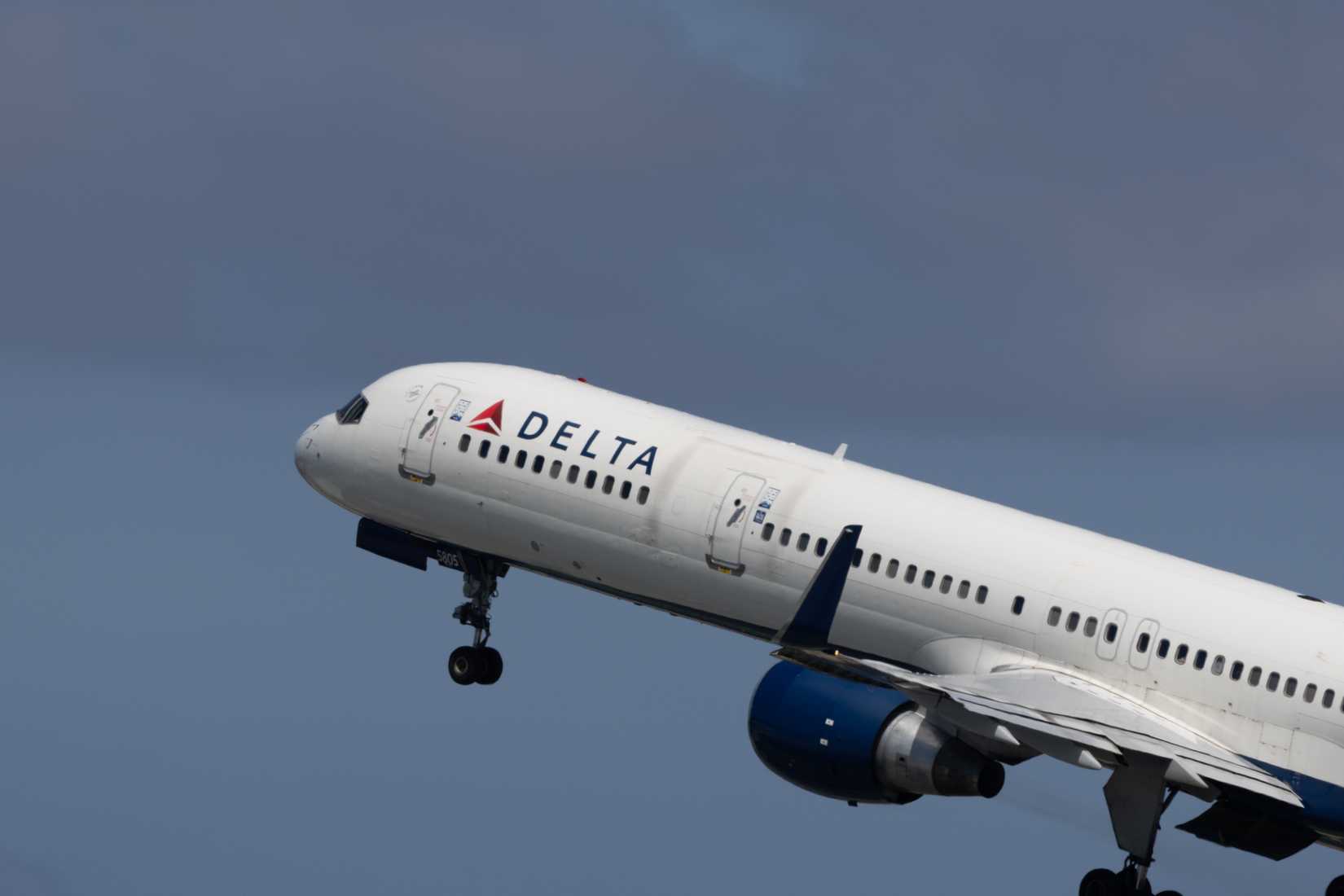
Until very recently, and in a few cases still seasonally, the primary narrowbody jet Delta Air Lines flew on transatlantic routes was the Boeing 757-200. Delta has used the Boeing 757-200 on numerous “long and thin” routes to Europe, which are routes that require the range of a long-haul aircraft but do not have enough passenger demand to justify a larger, widebody jet.
The airline has almost completely phased out the 757 on these routes to move toward an all-widebody transatlantic operation, citing the desire for product consistency and a superior passenger experience as the core “brand issue” with single-aisle aircraft on such long journeys.

A narrowbody plane will feel more cramped than a widebody during a lengthy trip, which would reduce passenger satisfaction. Long flights felt less luxurious since the 757 cabins on foreign routes sometimes lacked amenities seen on widebodies, such as the bigger 13.3-inch in-flight entertainment displays and designated crew rest spaces.
The last remaining 757 transatlantic routes were seasonal services, which have also largely switched to widebody jets such as the Boeing 767-300ER. Delta Air Lines has also explicitly chosen not to fly the Airbus A321, including the long-range A321LR or A321XLR variants, on transatlantic routes.
The Big Wings Take Over

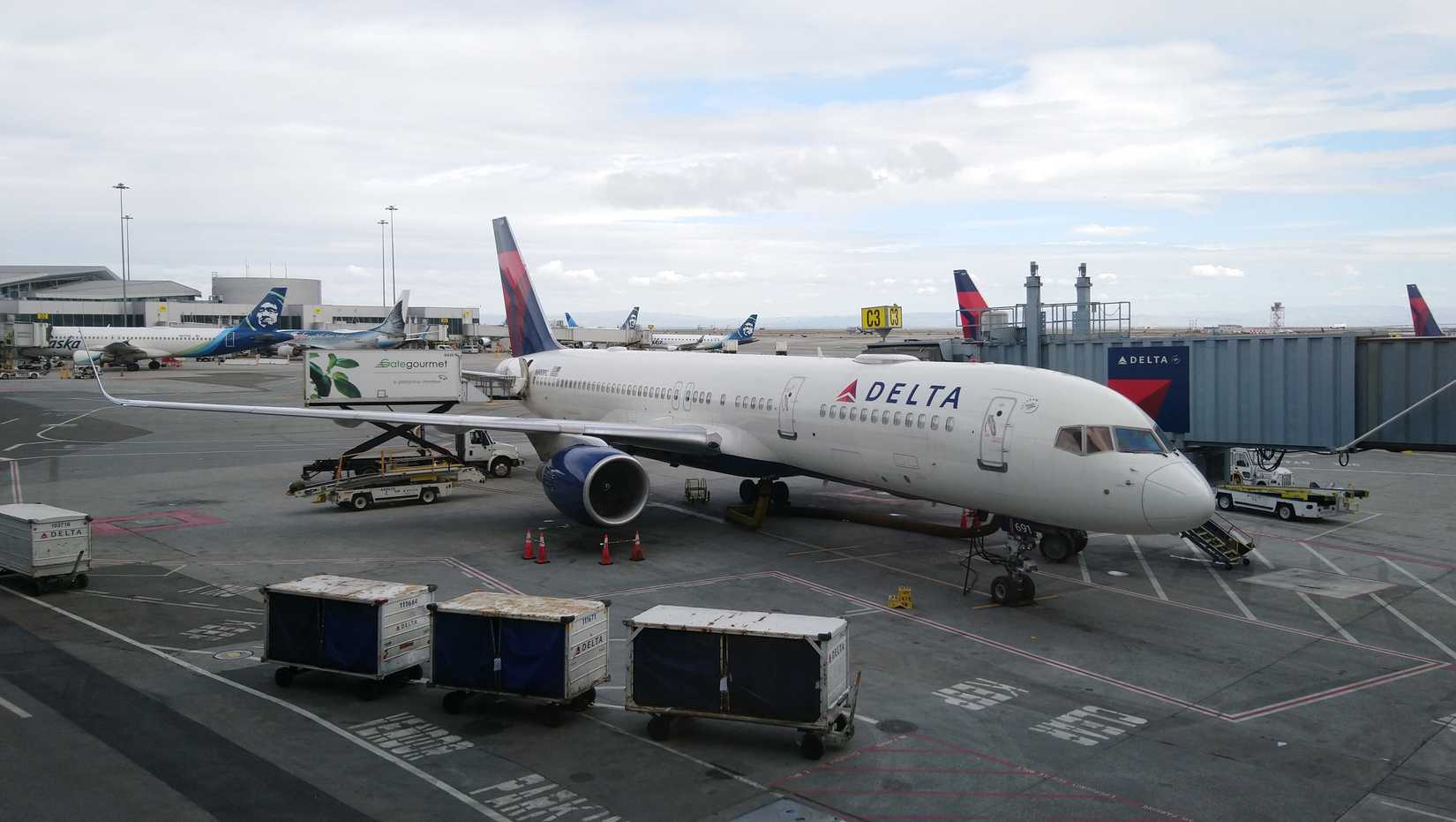
Delta is the world’s largest operator of the 767. The aircraft offers a genuine widebody cabin, including more premium seats, which aligns with Delta’s brand preference for transatlantic service. It features a spacious twin-aisle cabin, typically configured in a four-class layout with around 216-226 seats.
The 767 offers the consistent widebody passenger experience Delta wants for international flights, including additional restrooms, galleys, and overall space, despite being older than more recent widebodies. It provides the superior cabin consistency that Delta values over narrowbody 757s, but it is less fuel-efficient than modern aircraft.
Delta has upgraded to its state-of-the-art Airbus widebody fleet on routes with increased demand or that can support additional capacity. Larger in-flight entertainment screens and quieter cabins are just two examples of the cutting-edge passenger experience that the A330neos and A350s provide, along with increased fuel efficiency. The “cramped” feeling of a single-aisle aircraft on lengthy flights is lessened by widebody seating arrangements, which guarantee improved aisle access for economy passengers.

Some of the features that modern Airbus aircraft provide to enhance comfort on long flights include larger in-flight entertainment screens, better cabin mood lighting, improved cabin pressurization (especially on the A350), and larger restrooms. Compared to the 757’s modified lie-flat seats, the new widebodies’ four-cabin layout offered more room, privacy, and consistency.
These modern aircraft feature Delta’s most recent upscale features, including private Delta One Suites with full-height doors and lie-flat beds, as well as a dedicated Premium Select (premium economy) cabin. By using these larger aircraft, Delta avoids the “brand issue” it sees with long-haul narrowbody flights and instead focuses on offering international travelers a superior and dependable product offering.
Boeing 757 By The Numbers
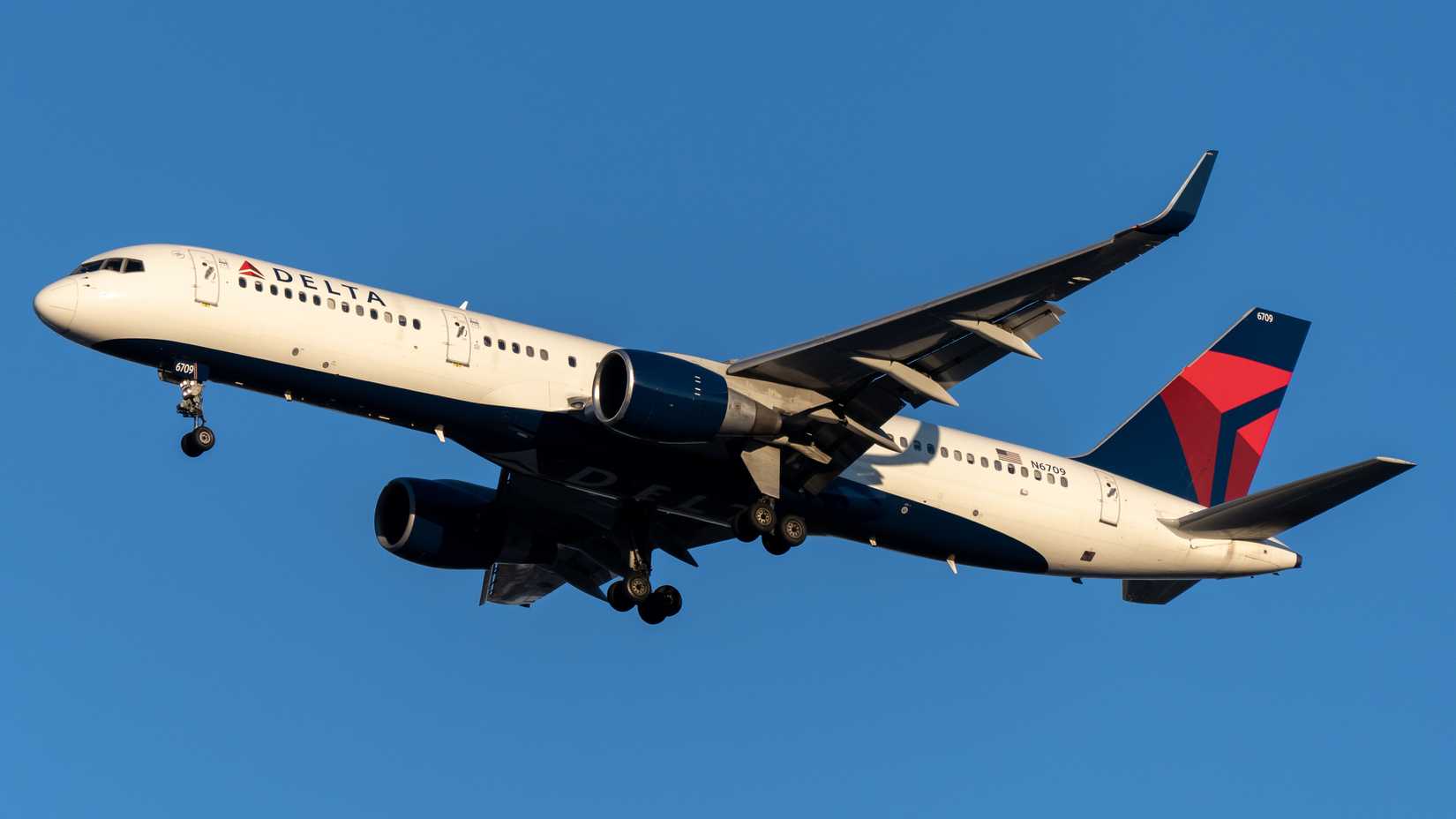
Delta Air Lines highly values the Boeing 757 because it fills a unique and vital gap in its operations that no other aircraft currently in production can match. The 757 serves as an indispensable “Swiss Army knife” in the fleet due to its specific combination of operational performance, economic value, and network flexibility. The aircraft fits between a huge widebody like a 767 or A330 and a smaller A321 or 737, making it ideal for the “middle of the market” (MOM). It doesn’t require the capacity of a big, possibly less economical widebody jet in order to transport about 200 passengers across long distances.
The majority of Delta’s 757s are older than 25 years. Despite Delta’s internal maintenance skills, this results in increased maintenance expenses, more frequent inspections, and a continuous search for spare parts. Compared to competitors’ newer narrowbodies, such as the A321neo or A321XLR, the 757’s older engines are substantially less fuel-efficient.
|
Specification |
Boeing 757-232 |
|---|---|
|
Seats |
187 passengers (16 First Class, 171 Economy Class) |
|
Length |
155 feet 2 inches (47.29 meters) |
|
Wingspan |
124 feet 6 inches (37.95 meters) |
|
Height |
44 feet 6 inches (13.56 meters) |
|
Engines |
2 Pratt & Whitney PW2037 |
|
Thrust (total) |
76,400 pounds-force (339.5 kilonewtons) |
|
Cruise Speed |
530 miles per hour (853 kilometers per hour) |
|
Range |
2,650 statute miles (4,265 kilometers) |
|
MTOW |
230,000 pounds (104,300 kilograms) |
Pilots favor the 757’s performance because of its high thrust-to-weight ratio. Because of this, it can function effectively from airports with shorter runways or those in “hot and high” conditions (such as Salt Lake City or Latin America), which could pose a problem for other narrowbody aircraft.
Because the 757 and the larger Boeing 767 have the same type rating, pilots can switch between the two aircraft types with ease, and crew training costs are greatly reduced. The primary reason the 757 is still in Delta’s fleet is that neither Boeing nor Airbus has a true, one-for-one modern replacement. Newer aircraft, such as the A321neo, are more fuel-efficient, but none have the 757’s unique combination of short-field performance, cargo capacity, and range.
The Next Generation
Due to the 757 fleet’s growing age and the A321neo’s improved fuel efficiency and contemporary passenger comforts, Delta Air Lines is switching from Boeing 757s to Airbus A321neos. Compared to the older 757, the A321neo uses an estimated 20–30% less fuel per seat, making it substantially more fuel-efficient. This results in significant operational cost reductions and supports Delta’s sustainability objectives to lower carbon emissions.
Larger overhead bins, more personal space at shoulder level, quieter surroundings, and the newest in-flight entertainment systems are all hallmarks of the A321neo’s contemporary “Airspace” cabin. Compared to the outdated 757 cabins, which can no longer effectively compete with contemporary aircraft, this offers a better, more reliable passenger experience.
For many domestic and transcontinental routes, the A321neo’s capacity and range closely match the 757-200’s mission profile, making it a logical, contemporary replacement that can manage comparable passenger loads and flight distances. Despite having lower ownership costs, the 757 is less cost-effective for many routes than the A321neo due to its high operating costs. A greater variety of routes can be operated profitably with the A321neo.
Opting Out Of The 777X

Delta has made a significant strategic shift toward an all-Airbus widebody fleet, using the A350 and A330neo as its flagships. The jets have proven to be favored by Delta since its Boeing 747s and 777s were retired. Despite the long-time loyalty the airline has had for Boeing and its massive international network, Delta chose to skip ordering the upcoming 777X from Boeing and rely on its new Airbus jets instead.
The 777X, specifically the 777-9 variant, is designed to be a massive, high-capacity aircraft intended to replace the Boeing 747 and Airbus A380 superjumbos. Delta found this sheer size too large to consistently fill with enough passengers across its various hubs without significant load-factor pressure.
Flexibility is a top priority for Delta, which chooses smaller widebodies like the A350 and A330neo that can be used more effectively on a greater range of routes and adapt capacity to demand without running the risk of operating a nearly empty, extremely big aircraft. While the 777X program has had many delays, delaying its introduction into service by several years, the A350 is a proven aircraft already in service worldwide.
The first delivery dates for the 777X program have been pushed back from 2020 to at least 2027 due to ongoing delays, engine problems, and certification difficulties. Delta was hesitant to commit to the delayed 777X because of Boeing’s ongoing problems with other programs, which also damaged relationships and trust. Due to these problems, there was uncertainty regarding the aircraft’s future dependability and delivery schedule, which conflicted with Delta’s requirement to update its fleet on a regular basis.
source