


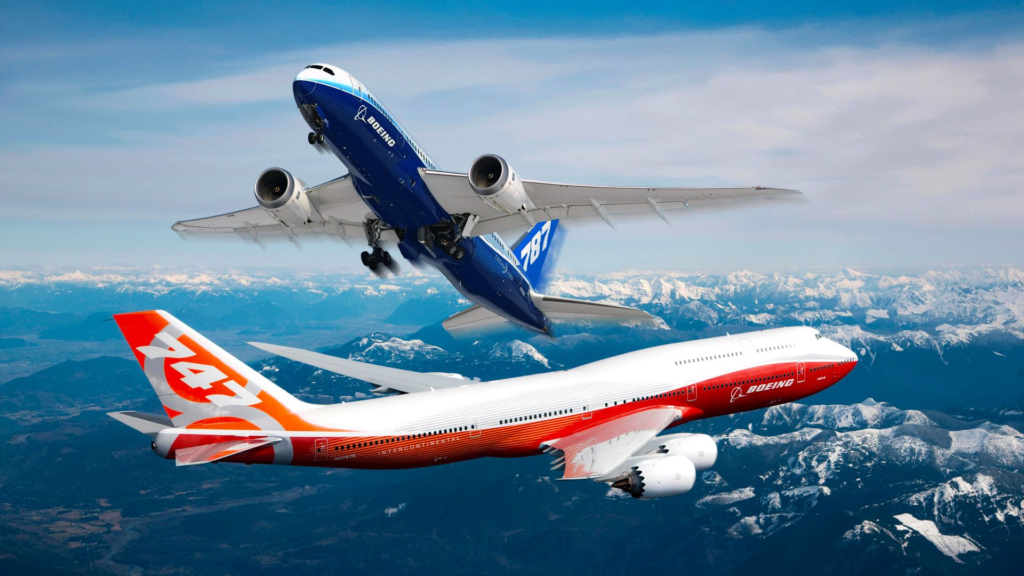
The introduction of the first widebody aircraft, the Boeing 747, in the late 1960s was one of the most definitive achievements in the commercial aviation industry. Before this aircraft was introduced, long-haul travel was constrained by small cabins and limited passenger capacity. However, after the 747 was introduced, global air travel was drastically changed, as airlines could afford to make intercontinental flights more accessible, reliable, and economical. The 747 quickly became a symbol of mass air transportation and set a new standard for long-haul travel among airlines.
The widebody market developed further throughout the late 1990s and early 2000s. Rising fuel prices encouraged manufacturers to prioritize lighter materials and more efficient turbofan engines. This era culminated in the development of the Boeing 787, which included composite structures and a more efficient design to dramatically lower operating costs. Where the Boeing 747 once defined widebody innovation, the Boeing 787 later redefined the market through its improved efficiency. Let’s take a closer look at these two popular widebody aircraft, as well as the costs it may take to fly each of these aircraft in modern times.
A Brief History Of The Boeing 747

In the 1960s, Boeing was seeing significant success with its Boeing 707, which helped to usher in the jet era in the commercial aviation industry. Because of this, in the mid-1960s, one of Boeing’s most important airline customers, Pan American Airways, asked Boeing to develop a new aircraft over twice the size of the Boeing 707. This aircraft was intended to offer mass air travel on international routes.
Boeing immediately began developing a new clean-sheet aircraft, later designated the Boeing 747. This aircraft was so large that Boeing eventually built a new plant in Everett, Washington, which was the largest building by volume ever built. Boeing rolled out the first production 747 in September 1968, with the maiden flight occurring on February 9, 1969. The aircraft achieved certification later that year, and Pan Am took delivery of the first 747 in January 1970.
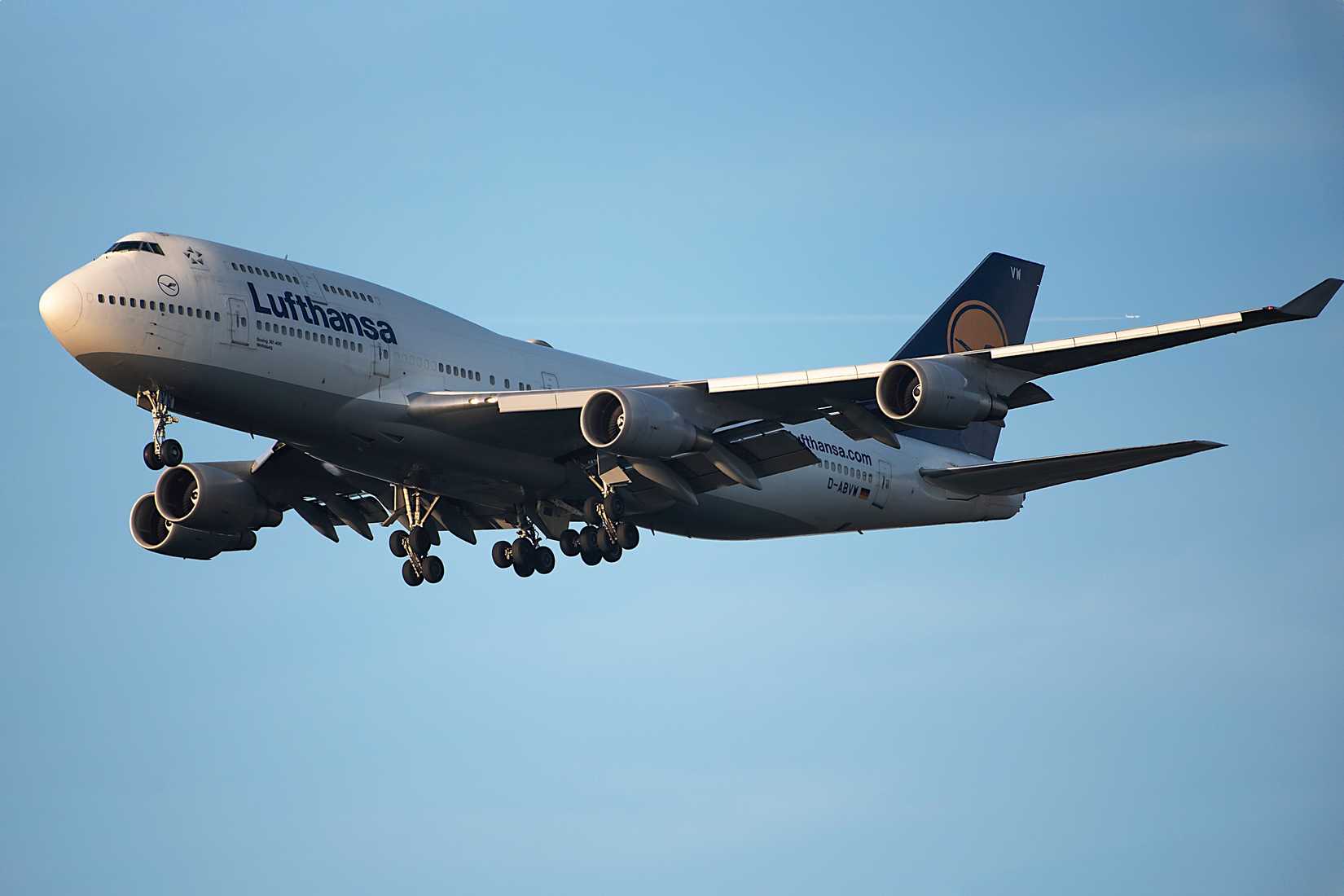
Pan Am entered the 747 into commercial service on January 22, 1970, flying from John F. Kennedy International Airport (JFK) in New York City, New York, to London Heathrow Airport (LHR) in the UK. Since then, Boeing has produced over 1,500 Boeing 747s, eventually ending production of the legendary aircraft in 2023 due to declining customer interest. Even so, the Boeing 747 was used by global air carriers around the world for decades, including Lufthansa, 


The Major Design Features And Performance Specifications Of The Boeing 747
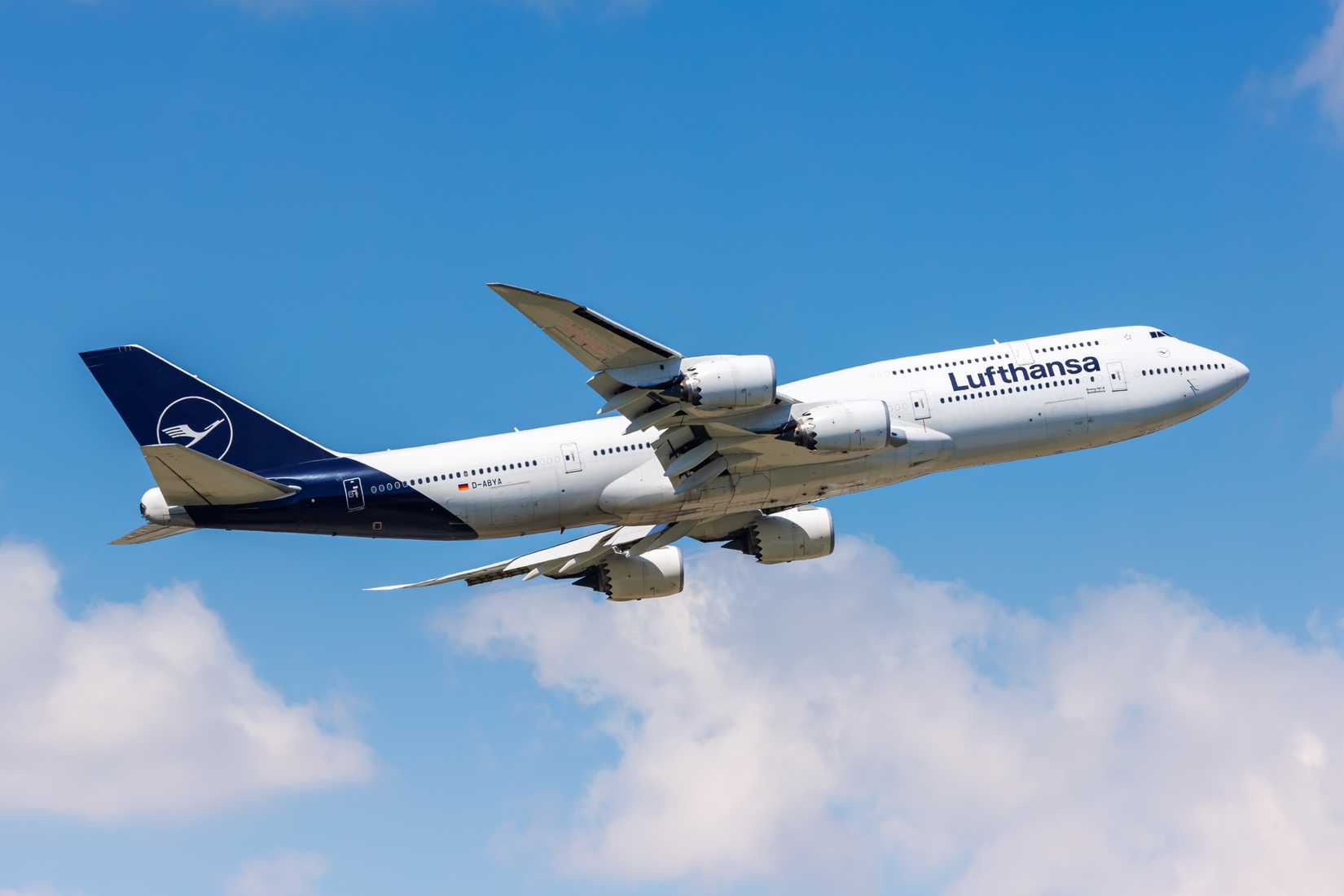
The Boeing 747 family is one of the most recognizable aircraft series of all time. The widebody aircraft features a notable second deck on the first half of its fuselage. It was also designed with a highly swept wing that features a sweep angle of about 37.5 degrees. Over the years, 
Older variants, such as the 747-100, 747-200, and 747-300 were powered by the Pratt & Whitney JT9D, the Rolls-Royce RB211, or the General Electric CF6. Older variants utilized improved turbofan engines, capable of higher thrust. According to Boeing, the table below details some of the 747’s key performance specifications.
|
Specification |
Boeing 747-200 |
Boeing 747-400 |
Boeing 747-8 |
|---|---|---|---|
|
Length |
225 feet, 2 inches |
231 feet, 10 inches |
250 feet, 2 inches |
|
Height |
64 feet, 3 inches |
63 feet, 8 inches |
63 feet, 6 inches |
|
Wingspan |
195 feet, 8 inches |
211 feet, 5 inches |
224 feet, 5 inches |
|
Maximum takeoff weight (MTOW) |
833,000 pounds |
910,000 pounds |
987,000 pounds |
|
Typical cruise speed |
507 knots (583 miles per hour) |
490 knots (565 miles per hour) |
490 knots (565 miles per hour) |
|
Range |
6,560 nautical miles |
7,670 nautical miles (8,826 miles) |
7,730 nautical miles (8,895 miles) |
|
Service ceiling |
45,000 feet |
43,100 feet |
43,100 feet |
The 747 was revolutionary in the commercial aviation industry due to its high-capacity capabilities. The earliest model, the 747-100, was introduced with a maximum capacity of 550 passengers or 450 passengers in a two-class configuration. The most widely used passenger variant, the 747-400, featured a maximum capacity of 660 passengers or 500 passengers in a two-class configuration. The latest variant, the 747-8, had a smaller cabin and featured a maximum capacity of 605 passengers.

Ultra-Large Private Jets: A Look At The Private Boeing 747 Jumbo Jet
A private 747 is a luxury reserved only for the ultra-rich.
The Purchase And Operating Costs Of The Boeing 747
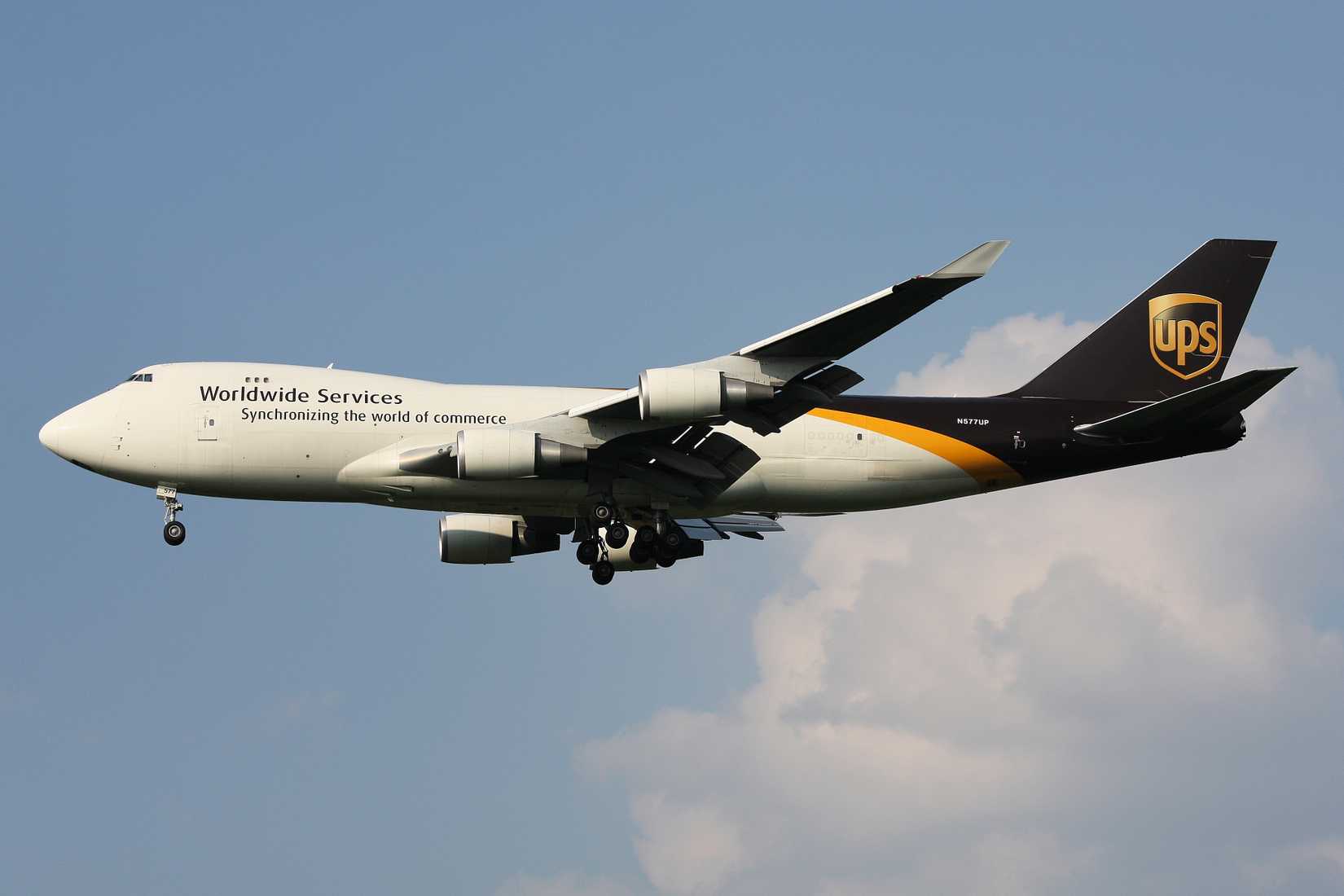
The Boeing 747 has always been a major financial commitment for airlines worldwide. When the 747-100 was introduced in the 1970s, its purchase cost was estimated at around $24 million. Adjusted for inflation, this would be about $150 million today. This was a staggering number for many airlines. Even so, due to the aircraft’s long range and high capacity, many global airlines were willing to pay this price to remain relevant in the long-haul intercontinental market.
As the aircraft family evolved, prices also rose. The introduction of the 747-200, 747-300, and 747-400 featured longer ranges, improved avionics, and better fuel efficiency. By the early 2000s, a brand-new 747-400 could cost up to $250 million, depending on the configuration. The final 747 variant, the 747-8, featured an initial cost of $380 million, although most airlines negotiated discounts for large fleet commitments. Overall, the purchase price of each of these aircraft includes:
|
Aircraft Variant |
Year Introduced |
Approximate List Price |
|---|---|---|
|
747-100 |
1970 |
$24 million |
|
747-200 |
1971 |
$39 million |
|
747-300 |
1983 |
$83 million |
|
747-400 |
1989 |
$156 million |
|
747-8 |
2011 |
$400 million |
Operating the 747 has also always been a costly challenge. Because the aircraft uses four engines, it has a higher fuel burn, greater maintenance demands, and more expensive spare parts. Even so, the 747 remained profitable for airlines due to its unmatched combination of range and capacity. However, over the years, manufacturers began introducing twin-jet aircraft capable of the same capacity and range as the 747. However, these aircraft, with fewer engines, had significantly lower fuel burn and maintenance costs. The Boeing 787, in comparison, has a similar or better range with up to 30% lower fuel burn.
A Brief History Of The Boeing 787 Dreamliner
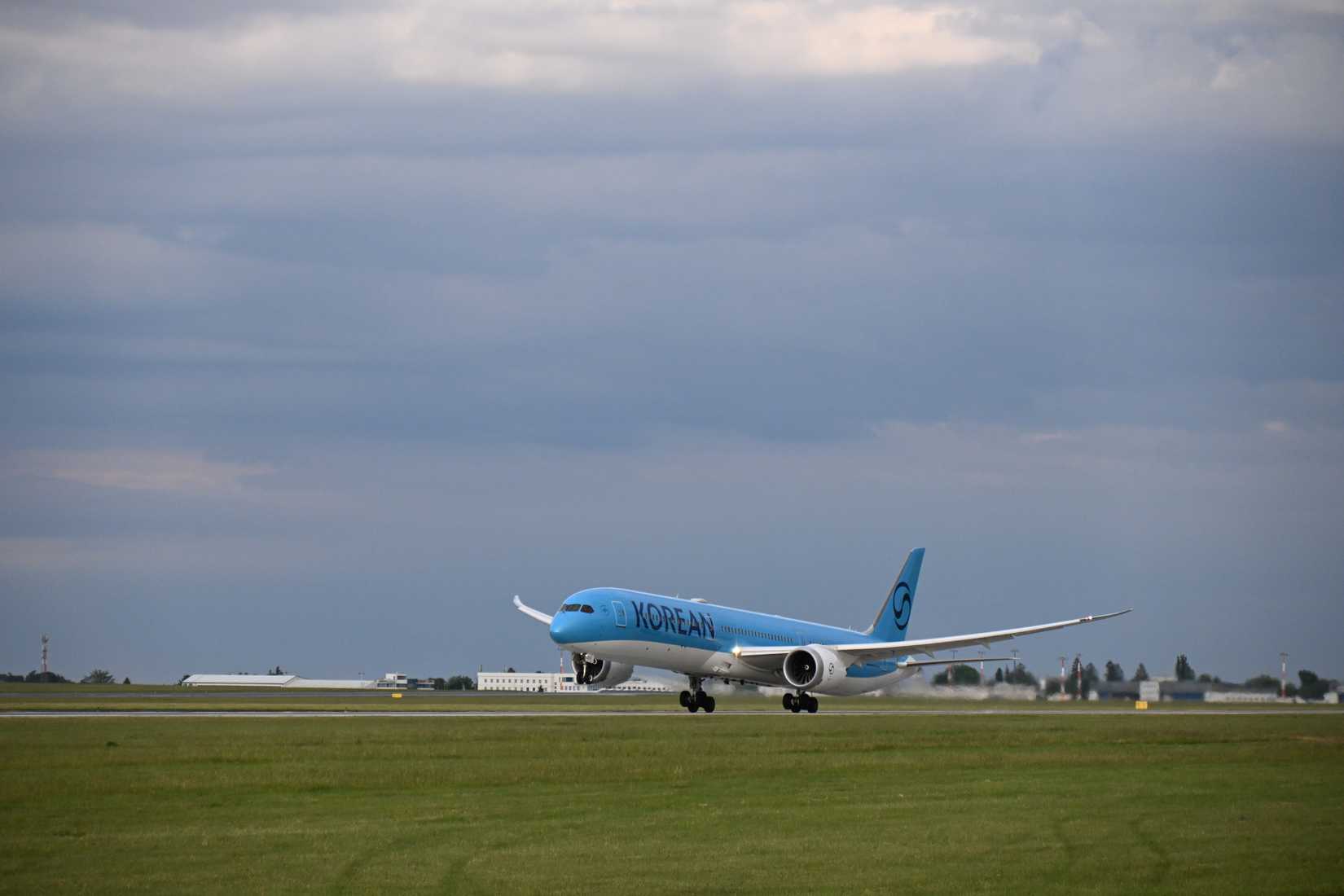
In the 1990s, as Boeing began to see slower sales of its existing widebody aircraft,
The first Boeing 787 conducted its maiden flight in December 2009. After an extensive flight testing program, the Federal Aviation Administration (FAA) and the European Aviation Safety Agency (EASA) certified the aircraft in August 2011. Boeing was producing aircraft at both its Everett, Washington, and Charleston, South Carolina, facilities, although later the entire 787 production line would be moved to Charleston.
ANA took delivery of the first Boeing 787 in September 2011. It introduced the aircraft into commercial service on October 26, 2011, flying from Narita International Airport (NRT) in Tokyo, Japan, to Hong Kong International Airport (HKG). Over the years, Boeing has produced over 1,200 total 787s, flying for major carriers like 

Widebody Luxury: A Look At The Boeing Business Jet 787 Jumbo Jet
The Boeing Business Jet BBJ 787 offers a prestige aircraft with intercontinental range and bespoke luxury.
The Major Design Features And Performance Specifications Of The Boeing 787 Dreamliner
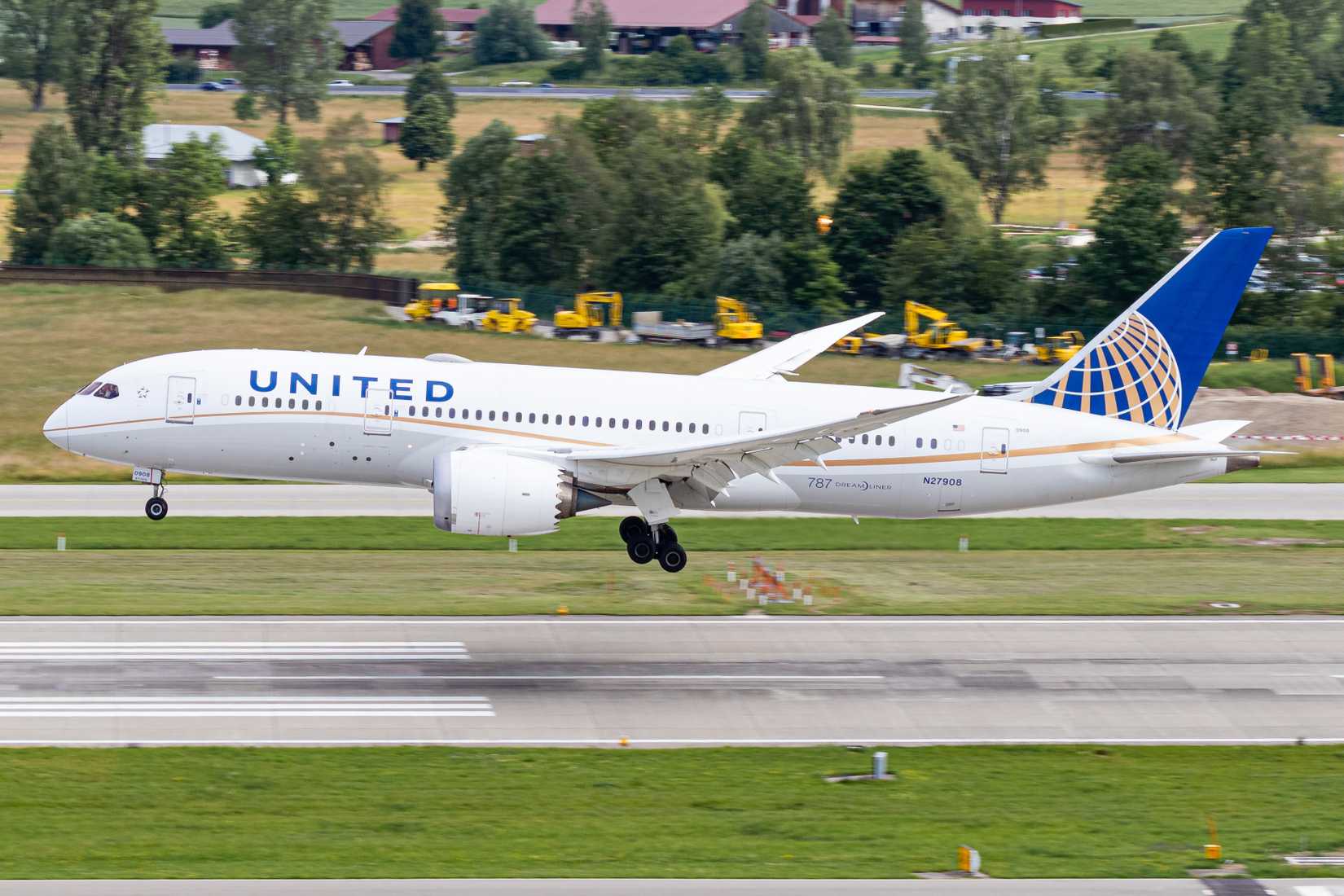
The Boeing 787 was designed to use a significant amount of composite materials. This includes carbon fiber-reinforced polymer used in the empennage, fuselage, and wing. This large fuselage allows the aircraft to transport a significant number of passengers. The largest variant, the 787-10, has a maximum capacity of 400 passengers, although it typically seats 330 passengers in a two-class configuration.
Like many other airliners, the Boeing 787 can be powered by multiple engine types. This includes the General Electric GEnx or the Rolls-Royce Trent 1000, which are capable of producing over 75,000 pounds of thrust, depending on the variant. According to Boeing, the 787 can achieve the following performance specifications:
|
Specification |
787-8 |
787-9 |
787-10 |
|---|---|---|---|
|
Length |
186 feet, 1 inch |
206 feet, 1 inch |
224 feet |
|
Height |
55 feet, 6 inches |
55 feet, 10 inches |
55 feet, 10 inches |
|
Wingspan |
197 feet, 3 inches |
197 feet, 3 inches |
197 feet, 3 inches |
|
MTOW |
502,500 pounds |
571,500 pounds |
574,000 pounds |
|
Typical cruise speed |
516 knots (595 miles per hour) |
516 knots (595 miles per hour) |
516 knots (595 miles per hour) |
|
Range |
7,305 nautical miles |
7,565 nautical miles |
6,330 nautical miles |
|
Service ceiling |
43,100 feet |
43,100 feet |
41,100 feet |
Another major upgrade on the Boeing 787 series is the introduction of electrical architecture. The aircraft uses compressed air from electric pumps rather than bleed air. It also utilizes a fly-by-wire flight control system similar to the Boeing 777.
The Purchase And Operating Costs Of The Boeing 787 Dreamliner

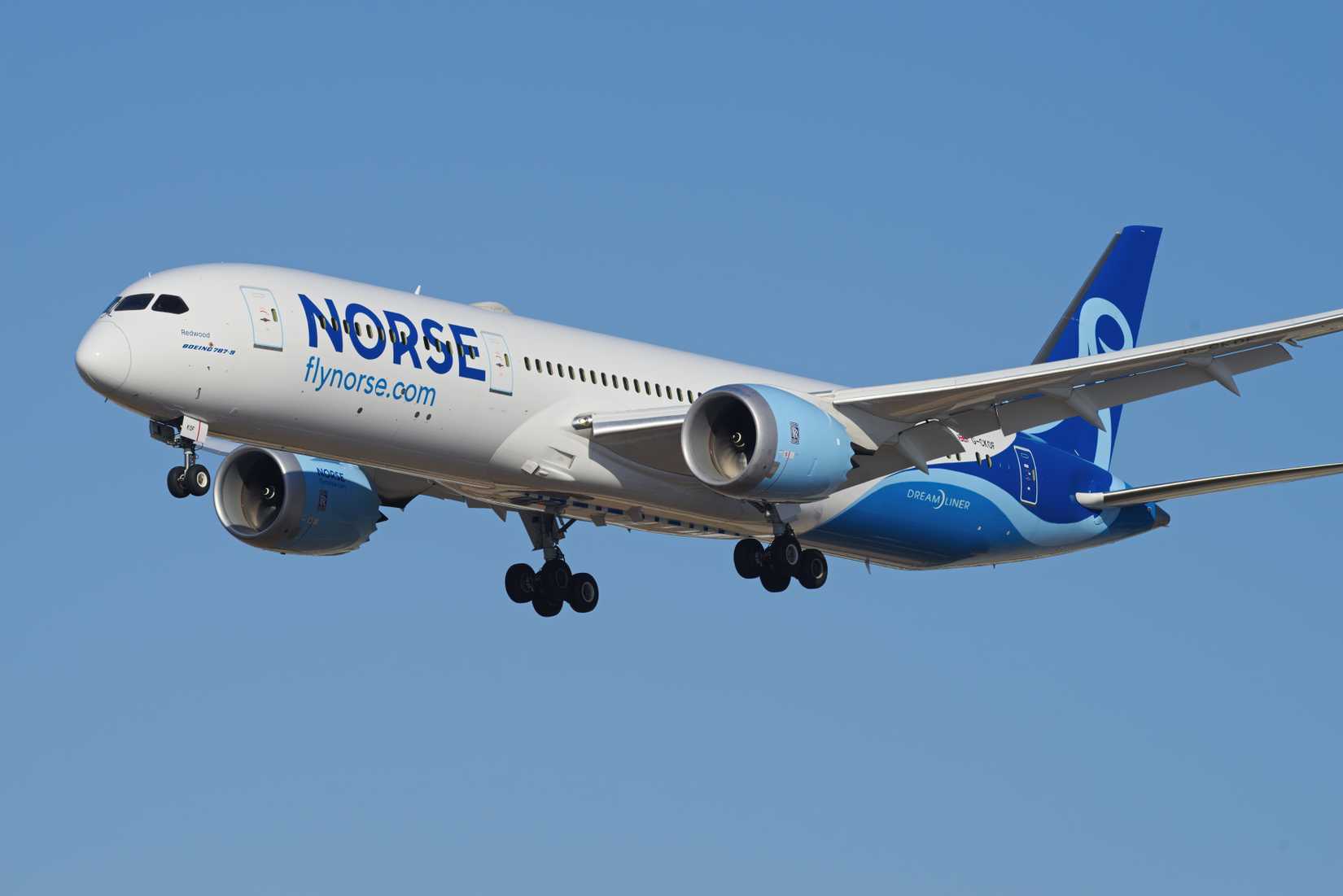
When the Boeing 787 was introduced in 2011, it became one of the most technologically advanced widebody aircraft available. The purchase price of this aircraft generally reflected this. At its introduction, the smallest variant, the 787-8, could be purchased for around $220 million, depending on the configuration. Additionally, the largest variant, the 787-10, could be purchased for approximately $310 million, depending on the configuration.
Operating the 787 has proven to be significantly less expensive than earlier widebodies, particularly four-engine types like the 747. The 787’s two turbofan engines deliver significant fuel savings, often cited at about 25% compared to older-generation aircraft. This reduction in fuel consumption is one of the most important contributors to its favorable operating economics.
Additional operating costs of the 787 are also reduced due to its advanced flight deck and commonality across its variants. Its shared lineage with the 777 also reduces training requirements and enables airlines to operate a mixed fleet more efficiently. All of these factors combine to give the 787 a lower cost per available seat mile (CASM) than many contemporaries.
source