


The Boeing 787 Dreamliner succeeds the iconic 767 in Boeing’s lineup as the company’s small widebody. Although the 767 line remains open, Boeing is only selling the 767-2C and 767-300F variants, which have no equivalent versions in the 787 family. The 787 is sold in three variants (787-8, 787-9, 787-10), and to date, there are over 2,200 orders for the family. Already, Boeing has produced nearly as many 787s as 767s, and the type is set to become the future of long-haul air travel.
The Boeing 787 was initially imagined as a direct successor to the 767, but the aircraft ended up growing in size, weight, and capability. While it’s still a competent replacement for the 767, the Dreamliner can also be used for missions well beyond the capabilities of its predecessors. It’s an entirely new type of airliner compared to the 767, and it’s also priced accordingly. As such, we’re going to see how much it costs to purchase and operate the 787 compared to the 767, and how the two compare in other areas.
Comparing The Variants Of The 787 To The 767

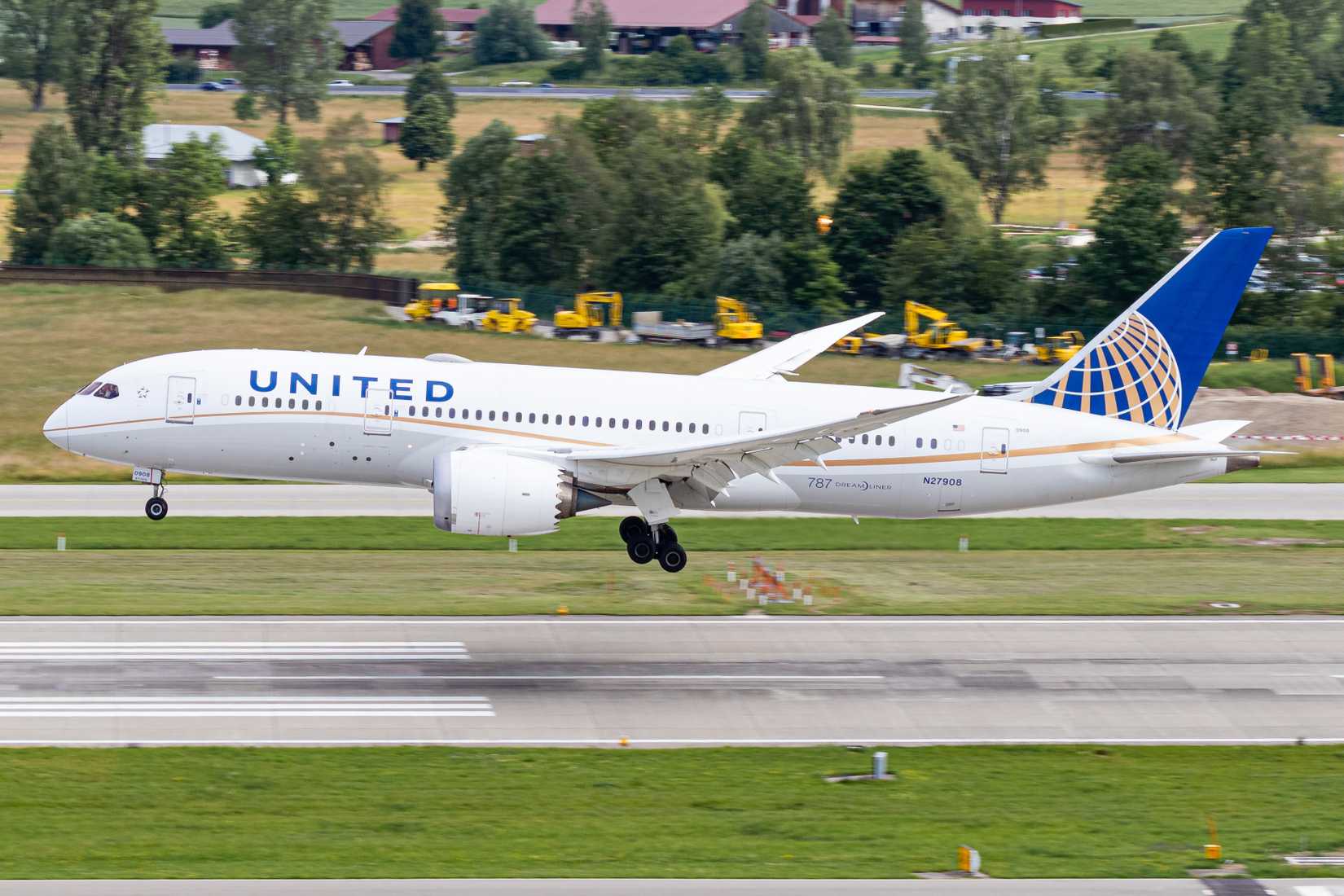
While the 787 is the spiritual successor to the 767, it’s a significantly larger aircraft. The Boeing 767 typically holds seven seats abreast in economy, while the Dreamliner is designed to fit nine seats across in economy cabins. Both aircraft were produced in three fuselage lengths, with the 767 having been built as the 767-200, 767-300, and 767-400ER, along with subvariants for each model. The Boeing 787 is being produced as the 787-8, 787-9, and 787-10, with no major subvariants.
The Boeing 767-200 is 159 ft 2 in (48.51 m) in length, while the 767-300 is 180 ft 3 in (54.94 m). Both aircraft share the same wingspan of 156 ft 1 in (47.57 m). The Boeing 767-400ER was stretched to a length of 201 ft 4 in (61.37 m), while its wingspan was increased to 170 ft 4 in (51.92 m). In comparison, the Boeing 787-8 is 186 ft 1 in (56.72 m), while the 787-9 is 206 ft 1 in (62.81 m), and the 787-10 is 224 ft (68.28 m). All three 787 variants share the same wingspan of 197 ft 3 in (60.12 m).
In pure length, the 787-8 is most comparable to the 767-300, while the 787-9 is comparable to the 767-400ER. However, the Dreamliner’s wingspan is significantly larger than even the extended wingspan of the 767-400ER, and the Dreamliner’s fuselage is significantly wider than the 767. By passenger capacity, the 787-8 is more comparable to the 767-400ER, while the other variants of the 787 family carry far more passengers. The Boeing 787 is more comparable to the Airbus A330 or the Boeing 777-200 in terms of size.
Pricing For The Boeing 787 And The 767

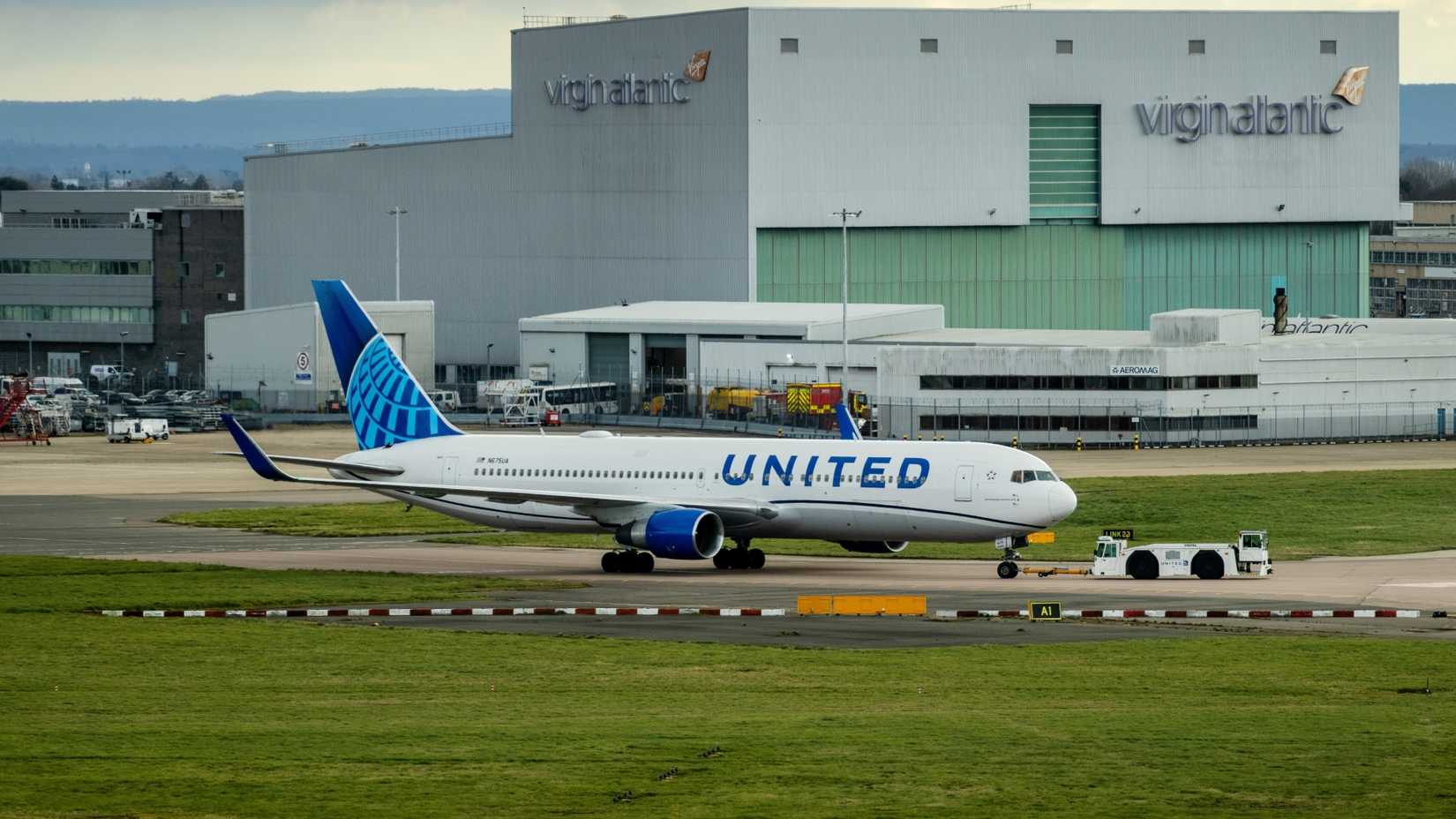
The 787 is a larger, far more capable airliner than the 767. In addition, the 787 is a majority carbon-composite airliner, with a more advanced cockpit and state-of-the-art engines, making it a more expensive airliner. The passenger variants of the 767 have been out of production for years, but the list price for a new Boeing 767-300ER when it was still in production is believed to have been $217.9 million.
The Boeing 787-8, the smallest variant, has a list price of $248.3 million, while the larger 787-9 is priced at $292.5 million, and the stretched 787-10 has a list price of $338.4 million. Of course, actual sale prices are heavily discounted from list prices, typically between 40% and 60%. This still results in a significantly more expensive aircraft than the 767, and the 787-10 is priced more comparably to a prior-generation Boeing 777.
To replace the Boeing 767, airlines are buying an aircraft that is significantly more expensive. Of course, the 787-10 is priced similarly to the 777 because it’s comparable in size to the 777, and even this variant (which has the lowest range of the three Dreamliner models) can still fly a similar distance as the 767. The Boeing 787 also has far more advanced technology, and even the 787-8 typically seats more passengers than the largest Boeing 767 variant.

Why The Boeing 787-9 Dreamliner Has Much Longer Range Than The 787-10
The higher-capacity jet has some impressive capabilities.
The Operating Economics Of The Boeing 787

Actual fuel burn figures vary by weight, engines, and weather conditions, but a Boeing 767-300ER (the most common variant of the 767 family) typically burns upwards of five tons of fuel per hour. The Boeing 787-8, meanwhile, tends to burn less than five tons per hour, while the 787-9 will burn around five tons per hour. The 787-10 will burn slightly less than six tons of fuel per hour on most flights. Crew costs are typically higher on the Dreamliner (as 787 pilots are often paid more than those on the 767), but as a whole, the 787 costs roughly the same or less than the 767.
Data from aeroLOPA shows that 

|
Aircraft |
Polaris |
Premium Plus |
Economy |
Total Seats |
|---|---|---|---|---|
|
Boeing 767-300ER (76L) |
46 |
22 |
99 |
167 |
|
Boeing 767-300ER (76Q) |
30 |
24 |
149 |
199 |
|
Boeing 767-400ER (76U) |
34 |
24 |
173 |
231 |
|
Boeing 787-8 (78H) |
28 |
21 |
194 |
243 |
|
Boeing 787-9 (78P) |
48 |
21 |
188 |
257 |
|
Boeing 787-9 (78L planned) |
64 |
35 |
123 |
222 |
|
Boeing 787-10 (78J) |
44 |
21 |
253 |
318 |
The Airbus A330 burned slightly more fuel than the 767, but it offered significantly more capacity and more cargo, while also having equal or more range in later models, which killed sales of the 767. The Boeing 787-8 costs even less to operate while carrying more passengers, and the 787-9, as well as the 787-10, only cost slightly more to operate than the 787-8 while offering significantly more revenue space. The 787-8 itself has largely faded away as the extra cost of operating the larger variants is insignificant compared to the extra potential revenue.
Taking Into Consideration The Added Range
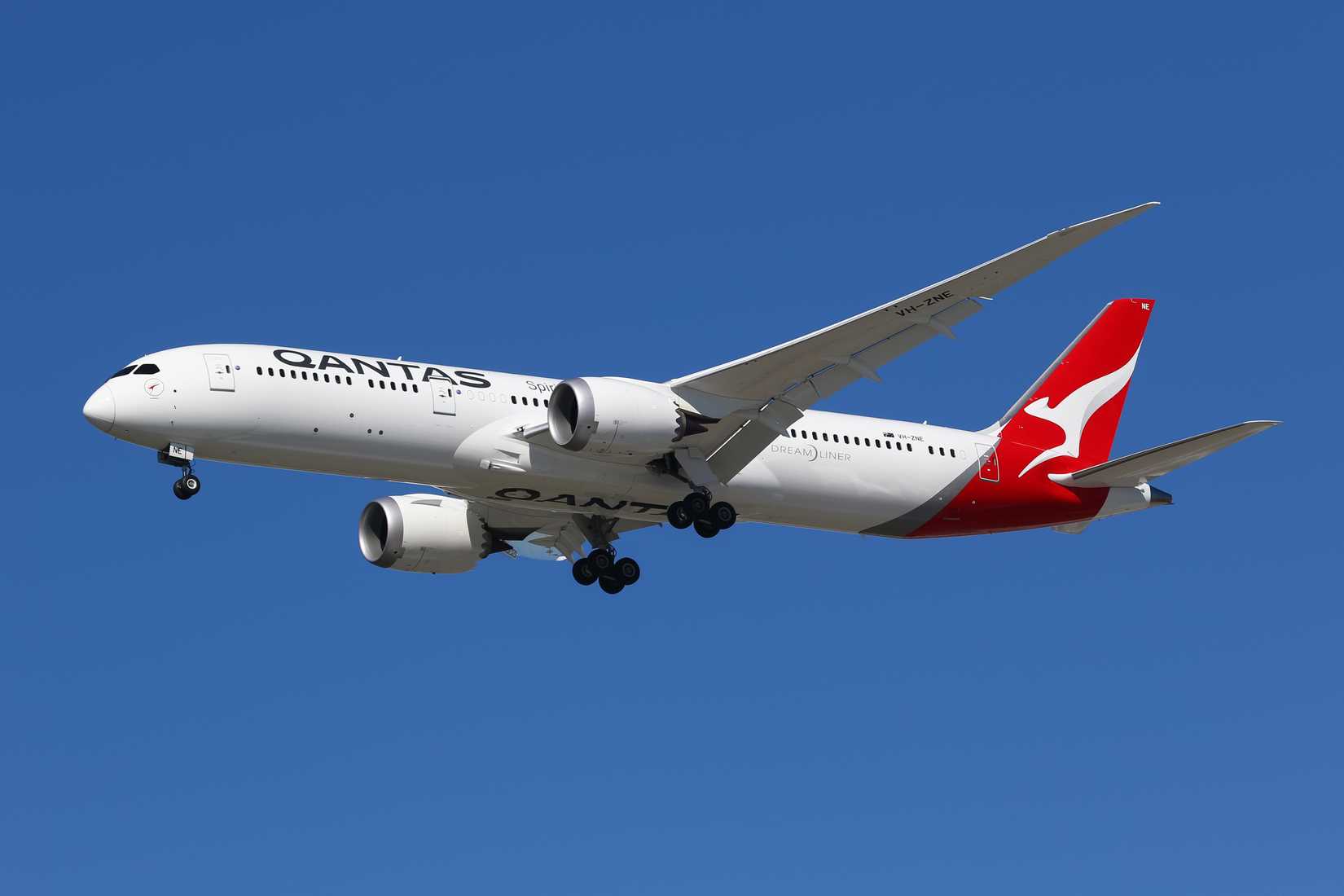
The longest-ranged version of the Boeing 767 family was the 767-200ER, and it came with a respectable range of 6,590 NM (12,200 km). The Boeing 767-300ER was the most successful variant of the 767, but its range was 5,980 NM (11,070 km). In the real world, these aircraft could routinely fly from the US West Coast to Europe or some East Asian destinations. This, however, pales in comparison to the Boeing 787, which has become one of the most common aircraft models for long-haul and ultra-long-haul flying.
The Boeing 787-8 has a lower Maximum Takeoff Weight (MTOW) than the rest of the 787 family, and it has a range of 7,305 NM (13,530 km). The 787-10’s range is 6,330 NM (11,720 km), less than that of the 767-200ER but more than the 767-300ER. Meanwhile, the Boeing 787-9 has a range of 7,565 NM (14,010 km), and although most airliners can’t fly nearly as far as their brochure range, the 787-9 is routinely used on routes longer than this distance by Qantas and Air New Zealand.
|
Airline |
Origin |
Destination |
Distance (NM) |
Distance (km) |
|---|---|---|---|---|
|
Qantas |
Perth |
London-Heathrow |
7,829 NM |
14,499 km |
|
Qantas |
Melbourne |
Dallas-Fort Worth |
7,814 NM |
14,472 km |
|
Qantas |
Perth |
Paris |
7,702 NM |
14,264 km |
|
Air New Zealand Qantas |
Auckland |
New York-JFK |
7,671 NM |
14,207 km |
The Boeing 787-9 essentially brings 767 operating costs to ultra-long-haul flying. Before, most ultra-long-distance flights were either flown by the Airbus A340, Boeing 747, or Boeing 777, and except for the A340-300, the 787-9 is smaller than all of these planes. The 787 is also more fuel efficient and, by extension, cheaper to operate. The Airbus A350 is also tremendously popular on these routes, but it’s a larger aircraft that’s slightly more expensive to operate, with the benefit of carrying more payload across an even longer distance.

Is An Airbus A350 Heavier Than A Boeing 787 Dreamliner?
By comparing the A350 and 787, we investigate why size matters in the long-haul widebody market.
The Challenge Of Replacing A 767 With A 787
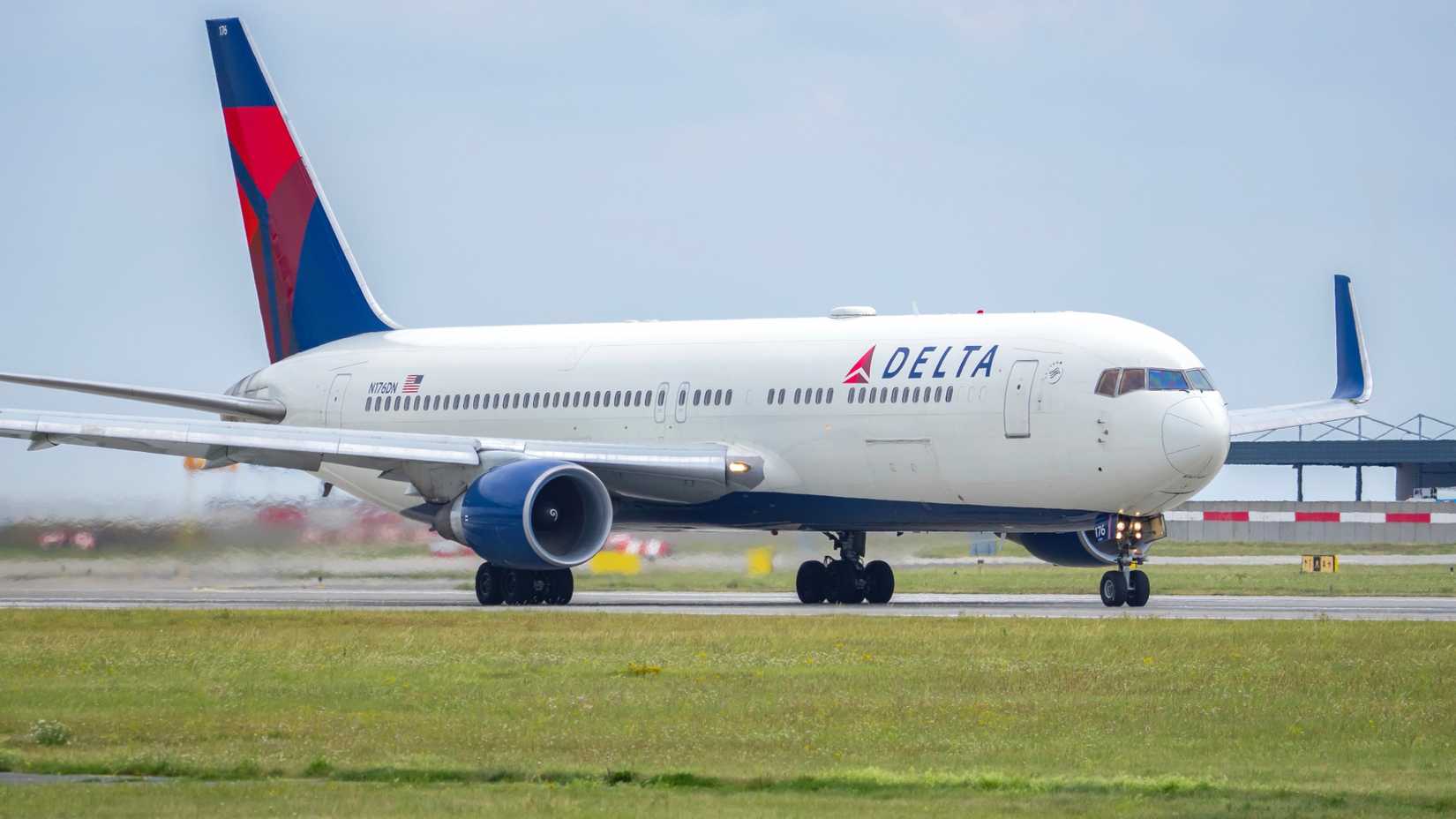
The Boeing 787 has a similar operating cost to the 767. However, it’s also an expensive plane to purchase or lease, while most Boeing 767s in passenger service are decades old and are paid for. In essence, the 767s come with significantly reduced capital costs. This can dramatically change the economics of certain routes currently flown by the 767, and it can make it more difficult to directly replace the 767.
The majority of passenger Boeing 767s are flown by US carriers 
The 767s are primarily used to fly transatlantic flights to smaller European destinations, such as Dubrovnik or Olbia. Many of these routes are seasonal, and the modest size and low capital costs of the 767 make it the default choice for launching such routes. When the route goes away for the winter, the paid-off 767s are utilized less. This is more difficult to do with a brand-new, expensive Boeing 787 or Airbus A330-900, although the two carriers are standardizing on these airliners anyway as a 767 replacement due to the old age of their 767 fleets.
source