


A cargo flight transporting goods between two American cities has been alleged to have been struck by a green laser just moments before it was set to touchdown at Indianapolis International Airport(IND). The pilot was quick to radio it in, where air traffic control checked in on the welfare of the crew. ATC also alerted other incoming aircraft to be aware.
FedEx flight 1613 had just traveled the hour-long journey from Kansas City International Airport(MCI), where, on approach to IND, the cockpit was illuminated with the green laser. Directing a laser at an airborne aircraft is extremely dangerous as it can cause pilot distraction, and potential temporary vision loss or after-images. These are even more critical to avoid when on arrival and departure, which could lead to catastrophic incidents.
FX1613 To Indianapolis

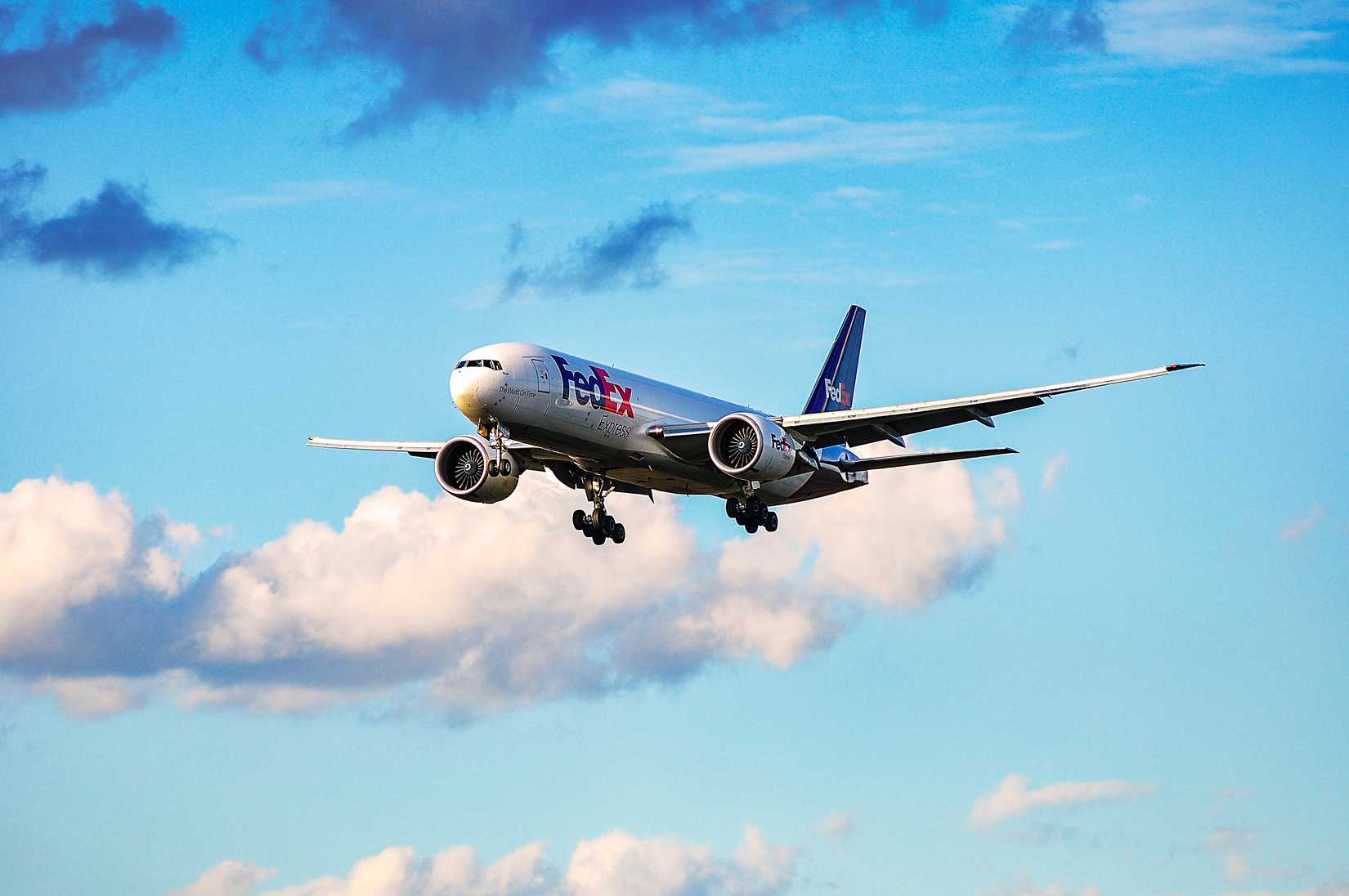
FX1613 was operated by a Boeing 767-300 freighter aircraft, and had departed from Kansas City in the late evening of Monday, December 22, pushing back from MCI at 10:16 pm. The flight had operated the eastbound service to Indianapolis and was on approach to IND when it was struck by the laser.
The flight had been operating for just over an hour and was struck by the green laser on approach. As the pilot relayed the laser incident to air traffic control, the ATC checked in on the crew to verify no injuries were reported, and then the plane was able to land safely in the early hours of Tuesday, December 23, at 12:20 am.
Simple Flying reached out to FedEx, the Federal Aviation Administration, and the Indianapolis Airport Authority for comment. No parties responded immediately by the time the article was published.
Notifying Other Flights

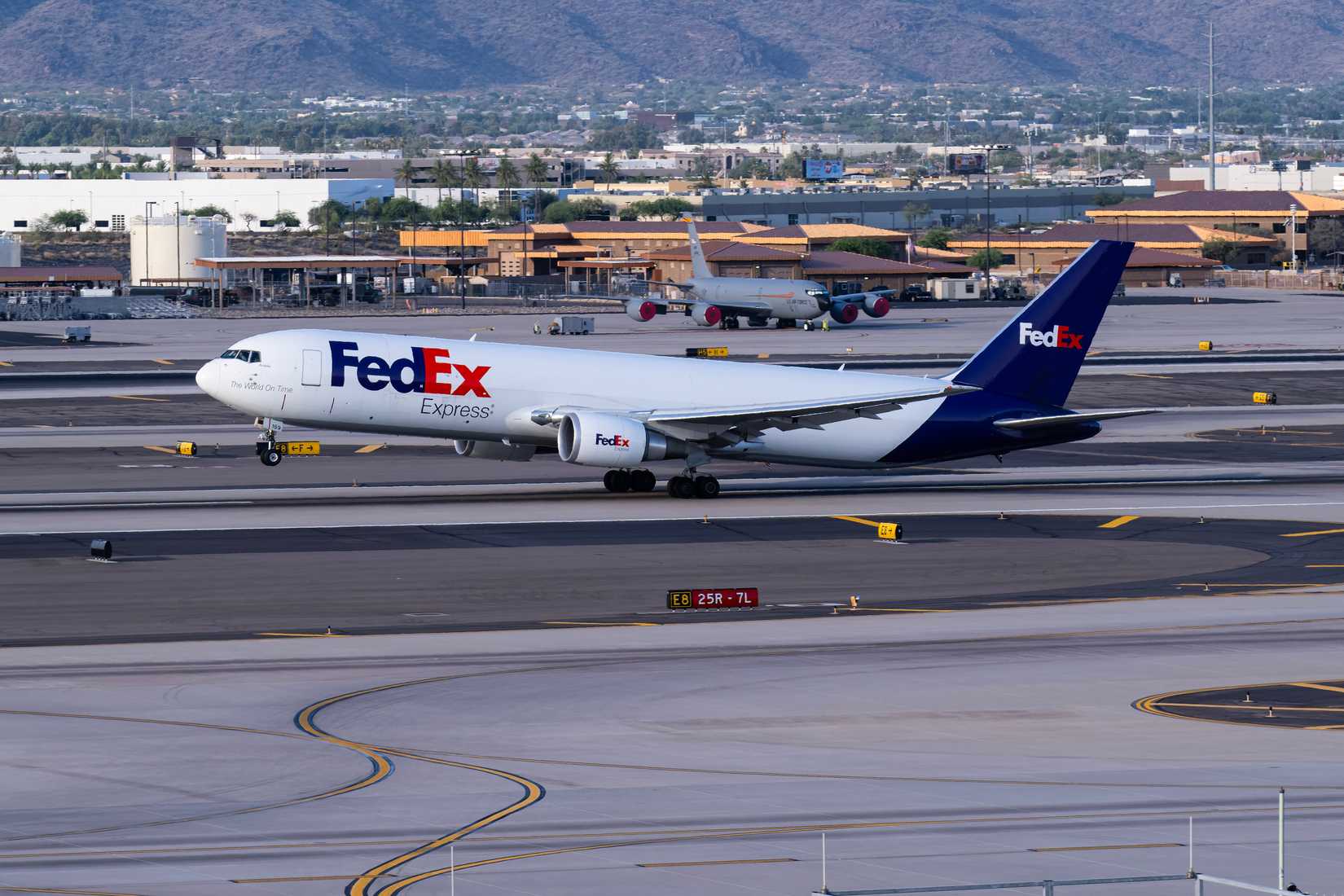
Listening to the audio track of the flight from LiveATC, it outlines that the first pilot alerted the local air traffic control of the incident and verified no injury. The ATC then continues to alert other incoming aircraft of where and when to expect a laser if it were to strike again. It is predicted that the individual responsible was in proximity to the airport.
The struck flight was operated by a FedEx Boeing 767-300F aircraft, which, per Flightradar24, bears the registration N253FE and the serial number 67540. According to ch-aviation, the aircraft first flew on January 17, 2025.
|
Aircraft Type |
Boeing 767-300F |
|---|---|
|
Age |
0.9 years |
|
Hex Code |
A26325 |
|
Serial Number |
67540 |
|
Registration |
N253FE |
This 767 is colloquially known as ‘Max,’ was delivered to the carrier on February 14, 2025, and has been flying for the airline ever since. It is powered by two CF6-80C2B6F engines, and in the last week of service has been busy ferrying cargo across the United States. The plane is now scheduled to operate as FX1707 from Indianapolis to Miami at 04:07 am local time.


Engine On Fire: FedEx Boeing 767 Returns To Newark After Bird Strike
A FedEx Boeing 767 aircraft returned to Newark after a bird strike.
Laser Strikes Are Dangerous


While laser strikes do not cause any direct damage to the aircraft itself, they can be very dangerous for the crew. Even a small laser can distractpilots and create a blinding light that poses a major safety threat to those onboard and on the ground. Severe penalties can be imposed, or even jail time, for those caught.
The dangers for pilots and the aircraft include momentary blindness or afterimages (coloured spots) that would impair the pilot’s vision to review and manage the instruments or the runway. It is also extremely distracting and can pull the pilot’s focus from the task at hand, leading to just split-second mistakes that could lead to catastrophic damage or injury. Depending on the strength of the laser, this could cause either temporary or permanent retinal damage, or could even interfere with sensitive aircraft avionic equipment.
Even if shone from miles away, such incidents can cause monumental risks to the safety and control of an aircraft. Lasers should never be pointed at aircraft, air traffic control towers, or used inappropriately near airport grounds. If laser incidents are identified, it is paramount to have these reported to the appropriate authorities for investigation.
source