


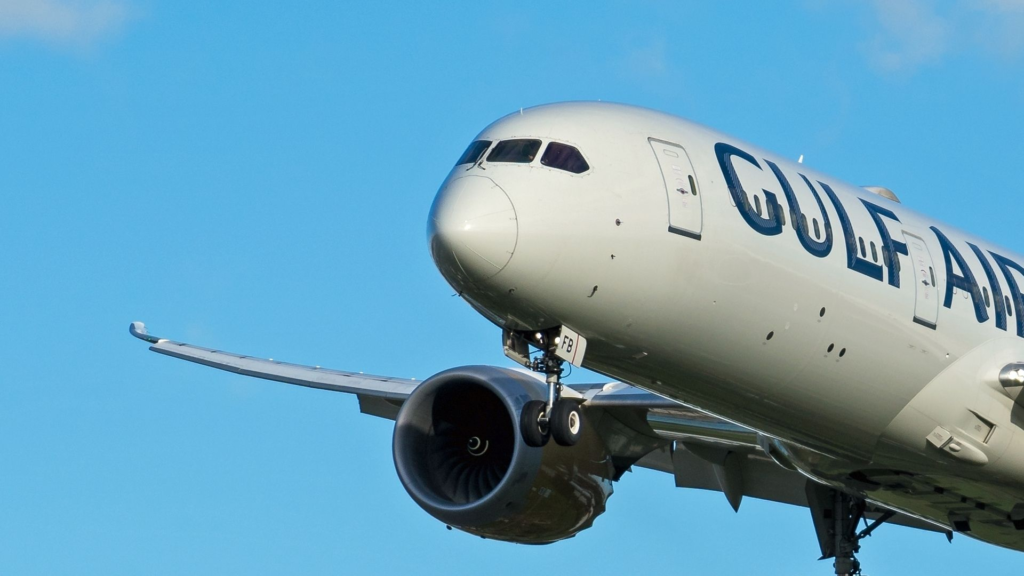
On November 4, 2025, a Gulf Air Boeing 787-9 operating Gulf Air Flight 155 from Manila (MNL) to Bahrain (BAH) inadvertently entered Manila’s active Runway 06 while taxiing before departure, prompting a swift and decisive response from air traffic control, which instructed an arriving aircraft on short final to execute a go-around while directing the Gulf Air jet to vacate at the next turnoff.
There were no injuries, damage, or rejected takeoffs that resulted from this incident and operations at the facility resumed quickly thereafter. The flight subsequently departed from Manila and touched down in Bahrain roughly on schedule, resulting in minimal overall flight disruption. Regulators are expected to review the specifics of the runway-incursion incident, but the immediate safety threat was neutralized by standard air traffic control (ATC) defensive maneuvers.
A Deeper Look At The Specifics Of This Incident

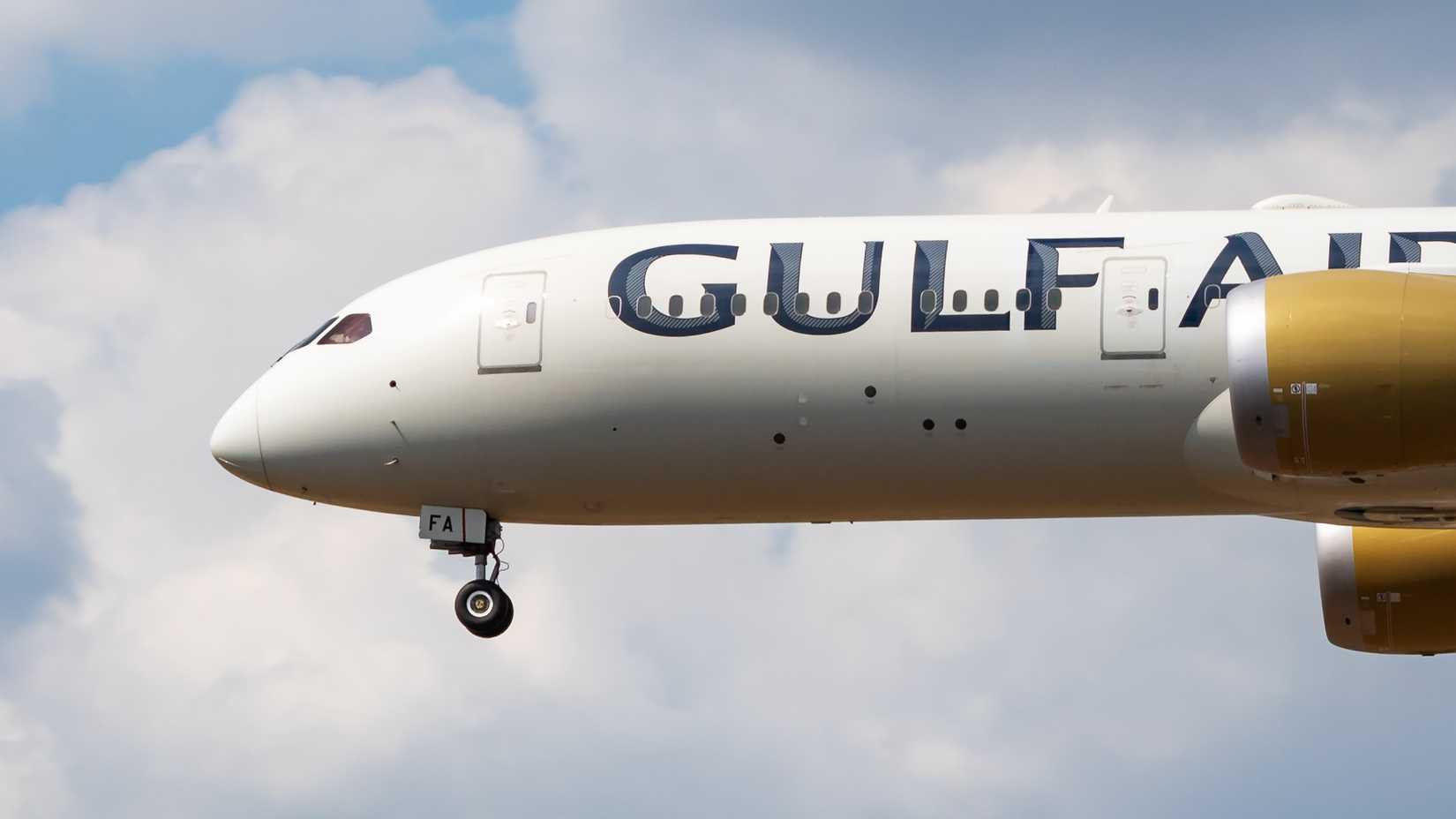
According to reports first published by The Aviation Herald, local spotter and air traffic control reports place the event around 16:39 local time. While taxiing, the Boeing 787-9 (which is on record having the standard callsign Gulf Air Flight 155) lined up on Runway 06 instead of turning towards Taxiway C. The tower ordered the Gulf Air crew to vacate and instructed the next arrival on short final to go around, ultimately removing the conflict and any bottom-line safety threat.
That arriving aircraft was quickly repositioned for another approach, and it landed without incident around 20 minutes later. There were ultimately no reports of injuries, damage, or an emergency declaration. Post-clearance, airport movements continued, and Gulf Air Flight 155 pushed onwards with its journey to Bahrain. This sequence aligns with a standard, well-rehearsed Air Traffic Control response to a fairly regular occurrence, a strategy that is designed to prevent runway conflicts from escalating into loss-of-separation incidents.
What Were The Impacts On Passengers?

For passengers onboard the aircraft that was assigned a go-around, the primary effect of this incident was a short delay and a brief spike in anxiety that resulted from a sudden climb. Nonetheless, an aircraft go-around is a fairly standard procedure in modern aviation, and crewmembers are extensively trained on how to execute them.
For Gulf Air’s passengers, the impact was also rather limited as it only involved a pause during the taxi process and added a few extra minutes to the pre-takeoff process itself. Nonetheless, the aircraft eventually arrived in Bahrain close to schedule, ultimately minimizing the overall risk of missed connections.
Passengers will likely receive no compensation as a result, considering that there was no substantial delay or service failure related to this incident. From an operational standpoint, Manila’s air traffic control (ATC) response helps demonstrate the layered safety nets that protect travelers. In this situation, controllers intervened, and the aircraft arriving flew a standard missed approach, and traffic normalized relatively quickly. This episode serves as a reminder that most headline-grabbing runway events end uneventfully because the system is ultimately designed to anticipate and contain human error before it ultimately compromises safety.
What Were The Financial Implications For The Airline?


The direct financial effects on the airline should be negligible, as there will be no damage, no diversions, or mass delays resulting from the incident. Potential costs are also limited mostly to administrative follow-ups, including the cost of an internal investigation and any further training or briefings that might result, alongside any regulator-mandated actions.
From a strategic perspective, the incident is a timely nudge for the carrier as it begins to expand into more long-haul markets. The carrier will need to limit these kinds of operational slip-ups, especially in high-profile markets like New York. Growth ultimately amplified exposure to these complex airports and introduced mixed air traffic control environments, requiring robust crew taxi-briefing discipline.
The airline can emphasize runway-incursion defenses in its Safety Management System, including enhanced taxi charts and heads-up callouts. Demonstrably tightening these controls helps support Gulf Air’s brand narrative of safe, reliable premium service during its Boeing 787-led network build-out.