


This morning, an Airbus A321neo operated by Frontier Airlines experienced a flameout after departing Cleveland International Airport (CLE). The incident was reported on X by aviation watchdog JonNYC. The jet is only 2 years old, according to data from Planespotters.net, and appears to be equipped with Pratt & Whitney engines in photos online.
The P&W PW1100G Geared Turbofan (GTF) engines are known to be extremely problematic as the maker continues to struggle with inspections and overhauls. One third of the global fleet is currently grounded due to known manufacturing defects, making it speculative but possible that the flameout was due to an issue related to the widespread production quality issues.
Trouble In Cleveland

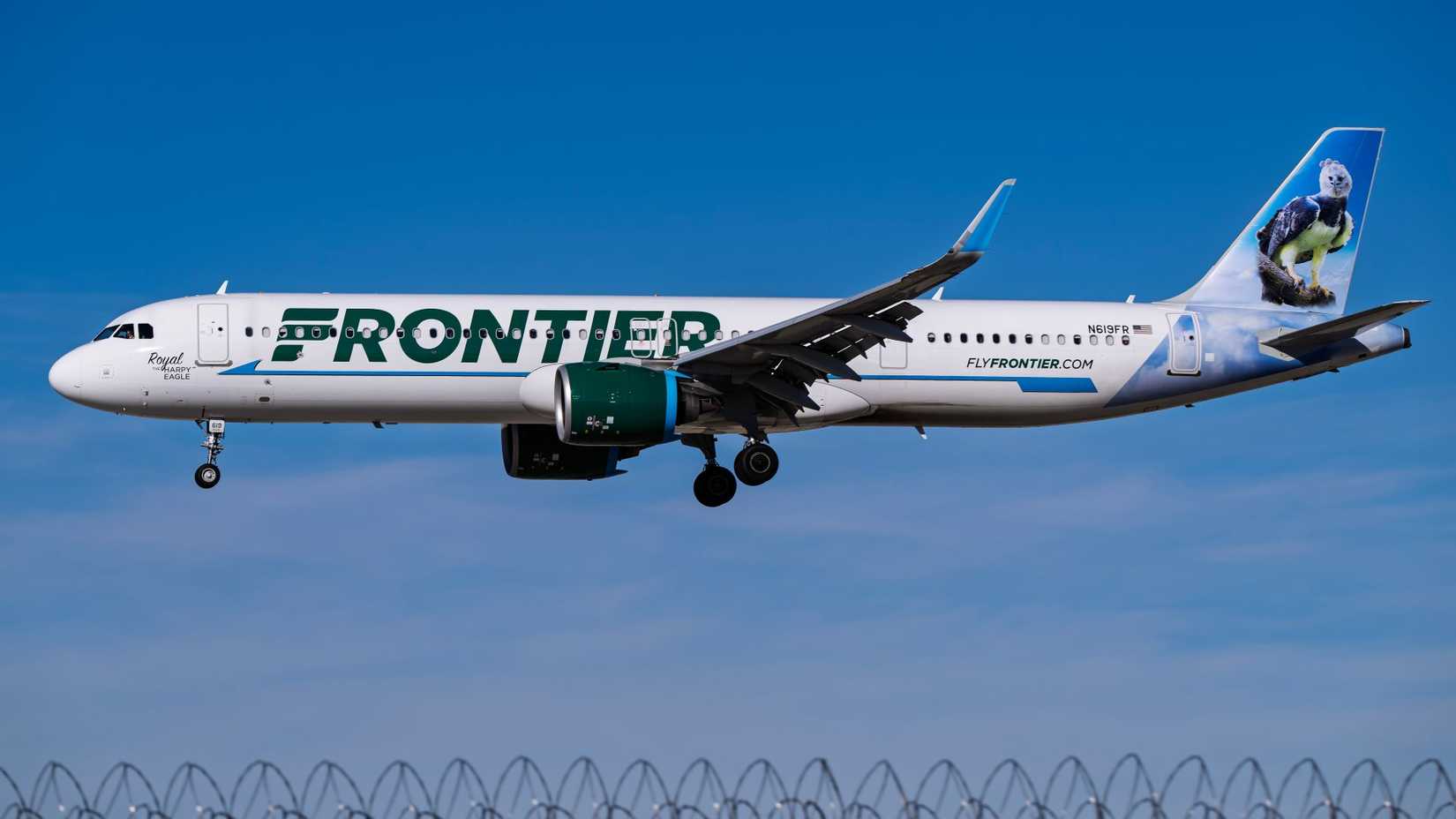
Very little has been announced about the flameout that happened at Cleveland today. The engine failed 15 minutes after takeoff, and the aircraft returned to CLE safely with no news of any injuries or further damage in the wake of the unlucky flight. It was not specified in any of the publicly released information whether the airplane experienced a dual or single-engine flameout.
Engine flameouts are extremely rare, and aircraft are designed with high safety margins and robust emergency protocols to ensure the continued safety of the flight. A dual flameout would turn the jet into a glider, whereas a single-engine flameout would be a more manageable power loss. Given the lack of sensational reporting, it’s very unlikely that it was a dual-engine failure.
This is just one more entry in the saga of the P&W GTF engine’s disastrous debut. The unprecedented scale of defects and recall has led to a bizarre new trend of young A320 family aircraft being sent to scrap yards to have their engines removed, as the working GTF turbofans can be leased for nearly as much as the whole plane.
Lee McConnellogue, CEO of aerospace scrapping and recycling company eCube, based in the United Kingdom, gave these remarks to Reuters on the never-before-seen state of the industry:
“I can’t say I remember it happening on this scale before, because we’ve never had an issue like this on such a popular engine.”
The GTF Dilemma
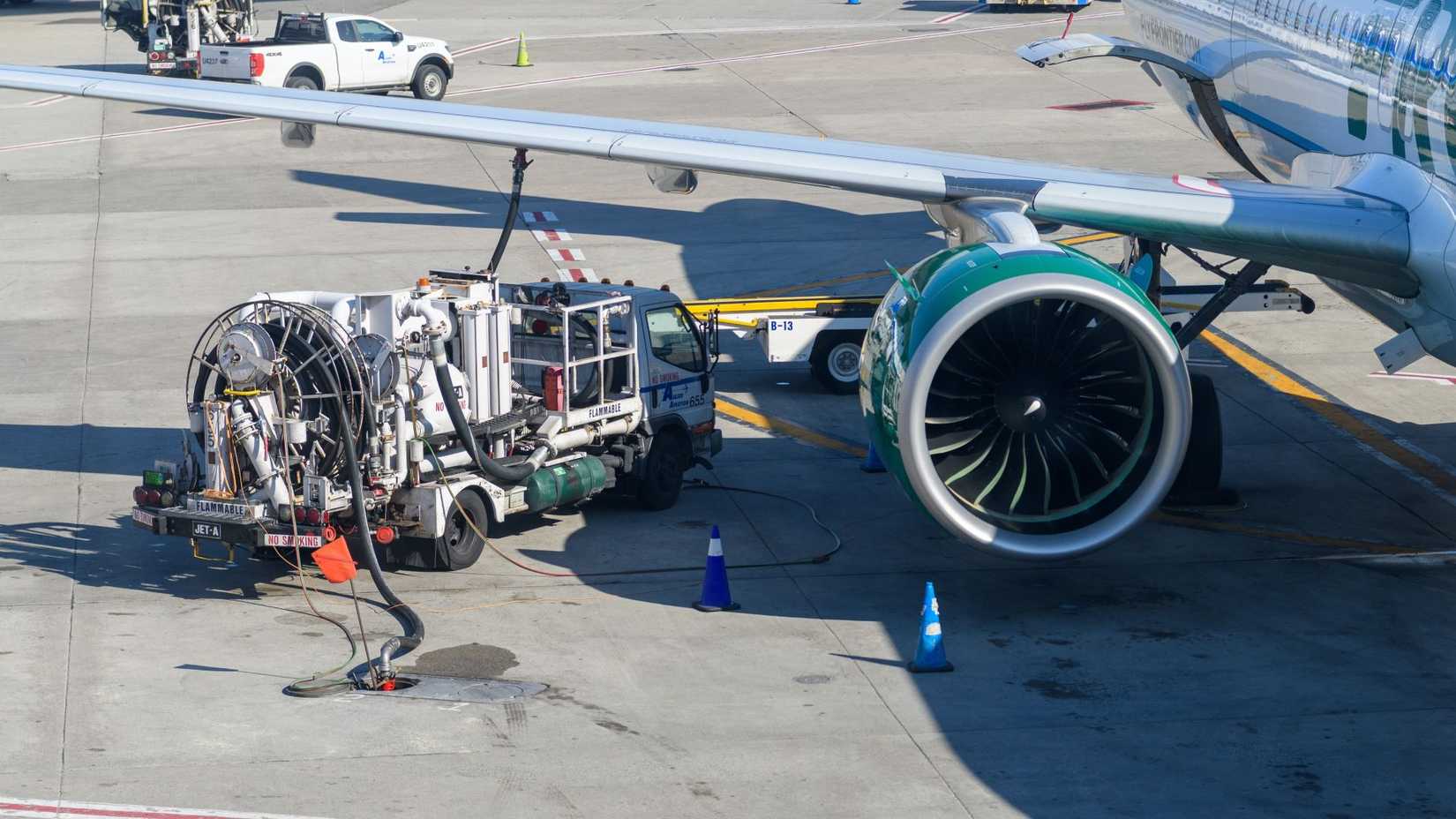
As Frontier Airlines began to receive more and more Airbus A320neo and A321neo jetliners in recent years, the airline opted to equip its newest arrivals with the P&W power plants that promise exceptionally high fuel efficiency. Unfortunately for Frontier and many other airlines, P&W discovered that a rare powdered metal contamination had created a vulnerability in the internal components of many of its engines.
The rare material defect has supposedly been contained with the supplier, according to P&W, but the fallout has led to a massive grounding of jets around the world. Not only have many airlines had to leave their planes sitting in the hangar for a year or more, but Airbus has faced significant delivery bottlenecks due to the lack of supply from P&W.
The iconic American engine builder is struggling with the massive scale of its crisis. The company does not have enough new, defect-free engines to replace all of the power plants to supply both Airbus and replace all the GTFs already in service that are down for inspections and maintenance. Because of this shortage, practically new Airbus A320 jets with just a couple of years on the airframe are already going to “boneyards” to have their engines pulled and keep the rest of the global fleet in the air.


Spirit Airlines’ Rejected Airbus A320neos Could Be Scrapped As Fleet Reduction Continues
These unlucky jetliners may be headed for the boneyard.
Scrapping Factory Fresh Jets


Castellón Airport (CDT) in Spain has become one of the new hot spots where new single-aisle Airbus jets have begun to stack up on the tarmac with their engines missing. Similar to the rows of engine-less A320s on the back lot of Airbus factories, these “gliders” are sitting idle with perfectly good airframes, but no engines to bring them into service.
AviTrader reports that there are 636 GTF-powered A320s that have left the factory line, with one-third now parked or stored. Meanwhile, only 4% of the A320s with CGM International engines are grounded. Spirit Airlines is currently going through the throes of yet another bankruptcy, which will see dozens of GTF-powered A320s going back to lessors. AviTrader reported that McConnellogue of eCube expects to see at least some of those, practically new, jets to be parted out as well.
source