


With the recent issues regarding the A320 aircraft affecting airlines around the world, resulting in operational disruptions as carriers have had to ground the affected aircraft to remedy the issue, Airbus has decided to slash its commercial aircraft delivery for this year. However, the manufacturer has indicated that the financial performance for the year remains unchanged.
While the expected number of aircraft deliveries has been reduced by 30, the question remains how Airbus is ensuring its bottom line is not affected.
Reducing Aircraft Delivery Expectations

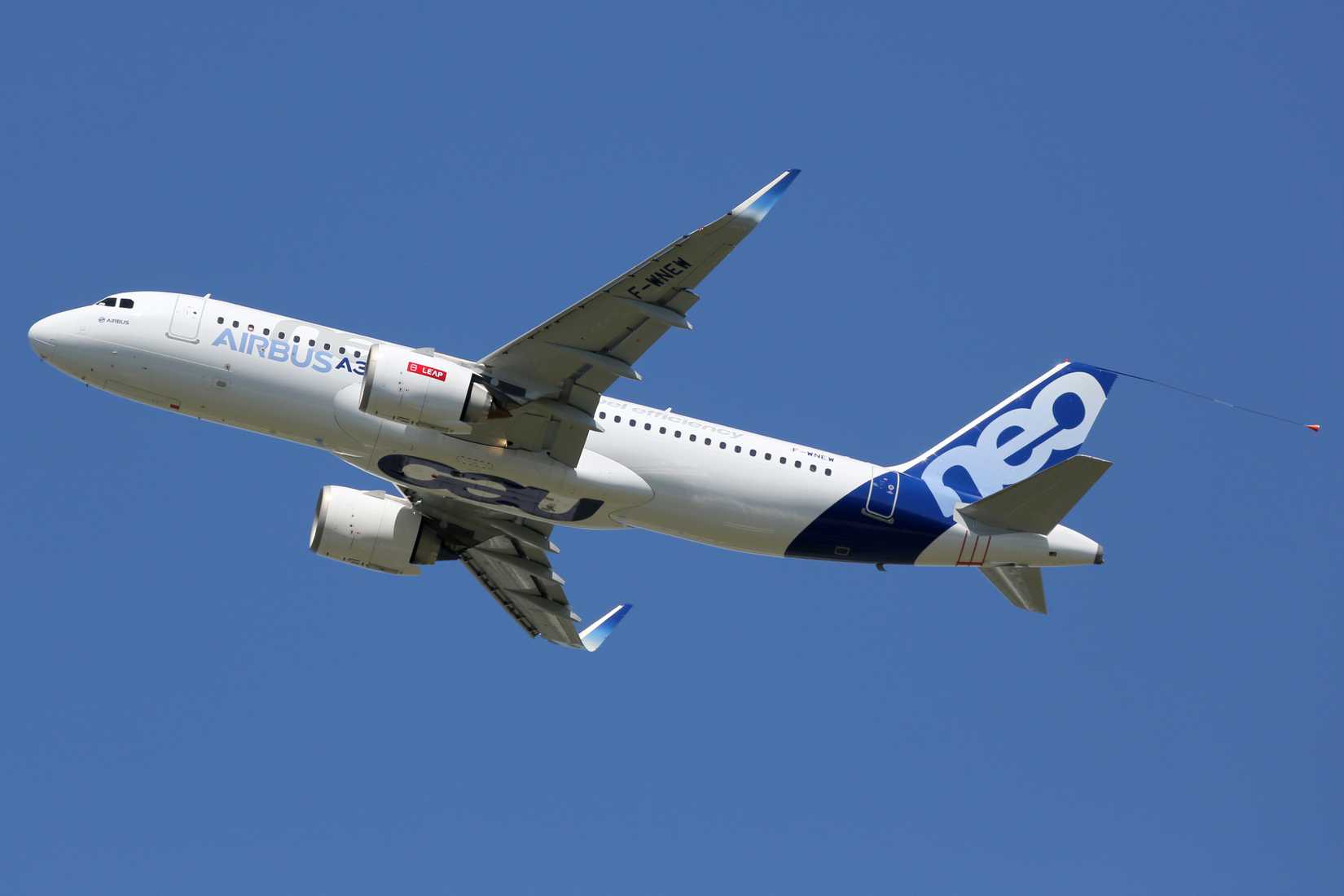
The latest press release from the European manufacturer, Airbus, states that the OEM has decided to reduce the number of commercial aircraft deliveries down to 790 aircraft this year. According to reports from The National, this is down 30 aircraft, from the originally intended 820 aircraft deliveries this year. The reason behind this decrease in the delivery target is due to the issues faced by the Airbus A320 family aircraft recently.
The recent issue caused by supplier quality problems, faced by Spanish supplier – Sofitec Aero, which affected some of the aircraft’s fuselage panels, resulting in over 600 aircraft having to be inspected, and the software glitch, which saw around half the global fleet get affected. Reports from The National indicate that of the 628 aircraft that had to have their fuselage panels inspected, 128 examples are currently in commercial service.
Despite these issues forcing the manufacturer to reduce its delivery forecast for the remainder of the year, Airbus’ press release specifies that its 2025 financial guidance, announced during the nine-month 2025 results announcement in October, will remain unchanged.
“The Company still targets an EBIT Adjusted of around €7.0 billion and Free Cash Flow before Customer Financing of around €4.5 billion.”
More About The Issues – Fuselage Panels & Software Glitch


The first issue the A320 faced was a software glitch, which resulted in an Airworthiness Directive being issued and Airbus ordering the grounding of over 6,000 aircraft, representing around half of the narrow-body family’s global fleet. While a fix was made available quickly, having the affected aircraft rolled back to the previous version of the software, it still caused operational disruptions to airlines around the world, resulting in flight delays and cancellations.
While some carriers faced relatively short disruptions, carriers with a large number of A320 family aircraft within the airline fleet faced more complex problems, such as American Airlines having over 200 of its aircraft affected by this issue, resulting in over 120 flight cancellations and over 500 delays.
Within a few days, however, Airbus noted another issue, this time with the fuselage panels of some A320 aircraft yet to be delivered. These panels were supplied by the aforementioned Sofitec Aero, based in Seville, Spain. While some publications report that none of these panels have made it onto commercially active aircraft, there are also reports that indicate there are 168 aircraft currently in service that also have this issue.
Fewer Aircraft, Same Profits?

While Airbus has not specified how it plans on maintaining profits, the latest reports from Reuters indicate that Airbus’ shares have fallen by as much as 11%, before closing nearly 6% lower. An obvious solution to maintain the previously announced financial performance targets would be for Airbus to focus on delivering more widebody aircraft, as they are worth more than narrowbody aircraft.
While the actual price for an aircraft paid by an airline varies significantly, taking into account factors such as bulk-order discounts, aircraft configuration, options chosen to be installed, and sometimes even the negotiation context between the parties involved. However, an approximate list pricing indicates an A320neo can cost around $110 million, a widebody aircraft such as the popular Airbus A350 can have list prices as high as $308 million for the smaller -900 and over $350 million for the A350-1000.
Considering the widebody aircraft costs around three times the price of an A320 family aircraft, the margins for the Airbus A350 will also be higher than that of the narrowbody jets, it is possible for Airbus to meet its financial targets by delivering fewer, but more expensive aircraft types. An alternative to that would be for Airbus to decide to delay spending elsewhere within the organization or on its projects, which could potentially have implications in the future. However, in the coming days or weeks, Airbus’ strategy would become clear.
source