


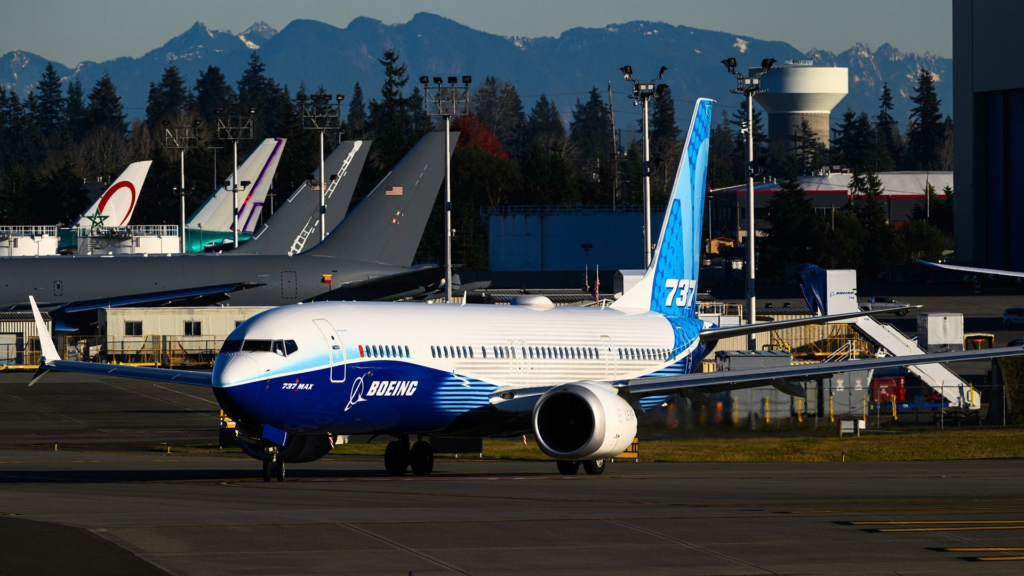
America’s legendary planemaker, Boeing, has finally cleared a major hurdle in the ongoing production struggles of its most iconic model line, the 737. The Federal Aviation Administration (FAA) has raised the monthly cap on output to 42 jets, as Reuters reported.
As Boeing’s 737 was surpassed by the Airbus A320 family last month to be the best-selling jetliner of all-time, the news is a glimmer of hope for America’s aerospace juggernaut to reclaim its throne as the top builder of narrowbody airliners.
A Victory For Boeing

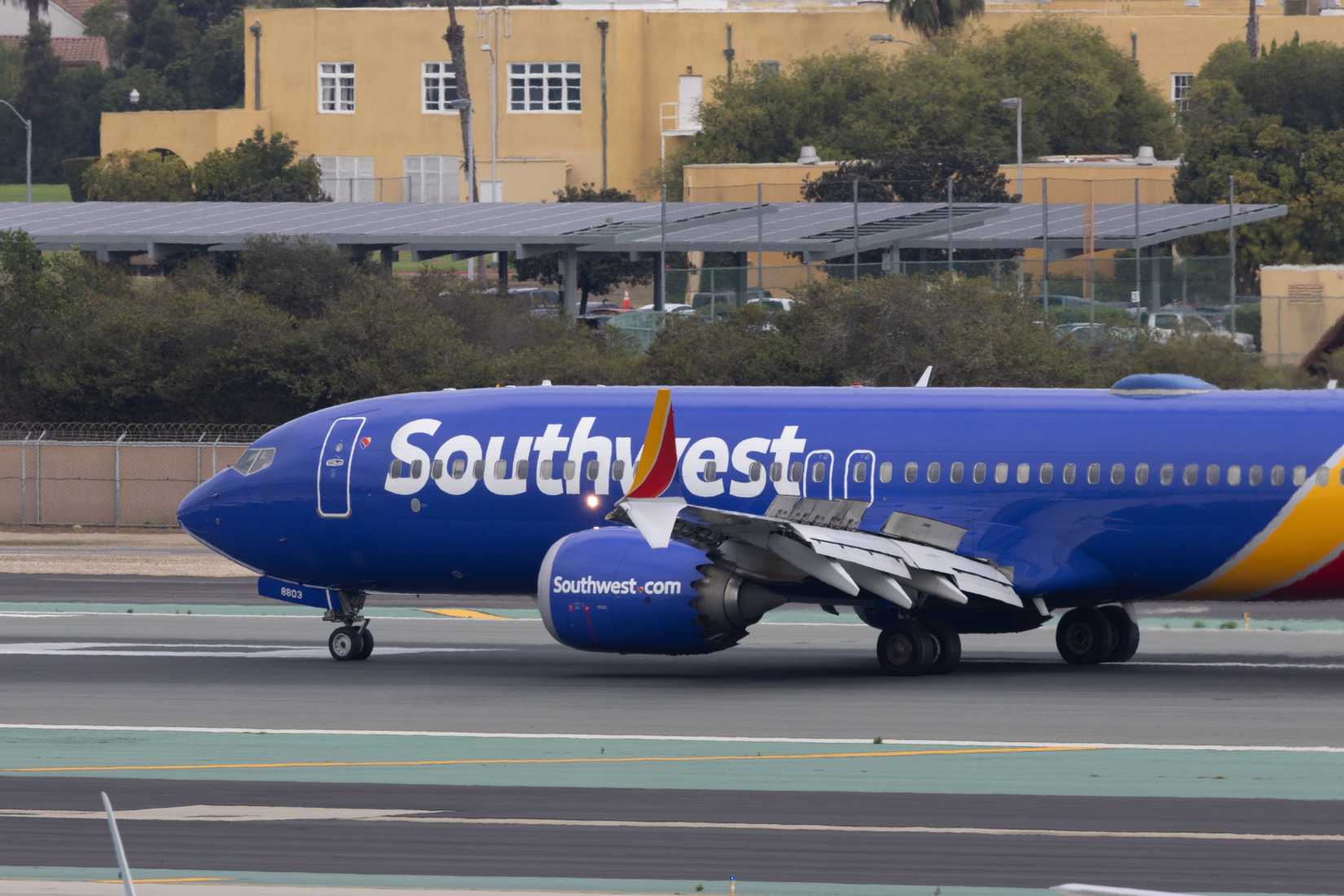


The 737 MAX production was limited to 38 a month after an Alaska Airlines MAX 9 lost a door plug in a midair, explosive ejection. The disastrous quality control failure was attributed to simple negligence, with a handful of bolts never being installed, as the investigation by the National Transportation Safety Bureau (NTSB) found. Fortunately, the mishap had no casualties and the plane landed safely.
Boeing also initiated a merger with Spirit Aerosystems in the wake of the Alaska incident to bring more QA under its direct control. CNBC relayed this statement from Boeing as it affirmed that it will continue to adhere to the strictest standards of quality and safety moving forward:
“We appreciate the work by our team, our suppliers and the FAA to ensure we are prepared to increase production with safety and quality at the forefront.”
The 737 MAX Saga
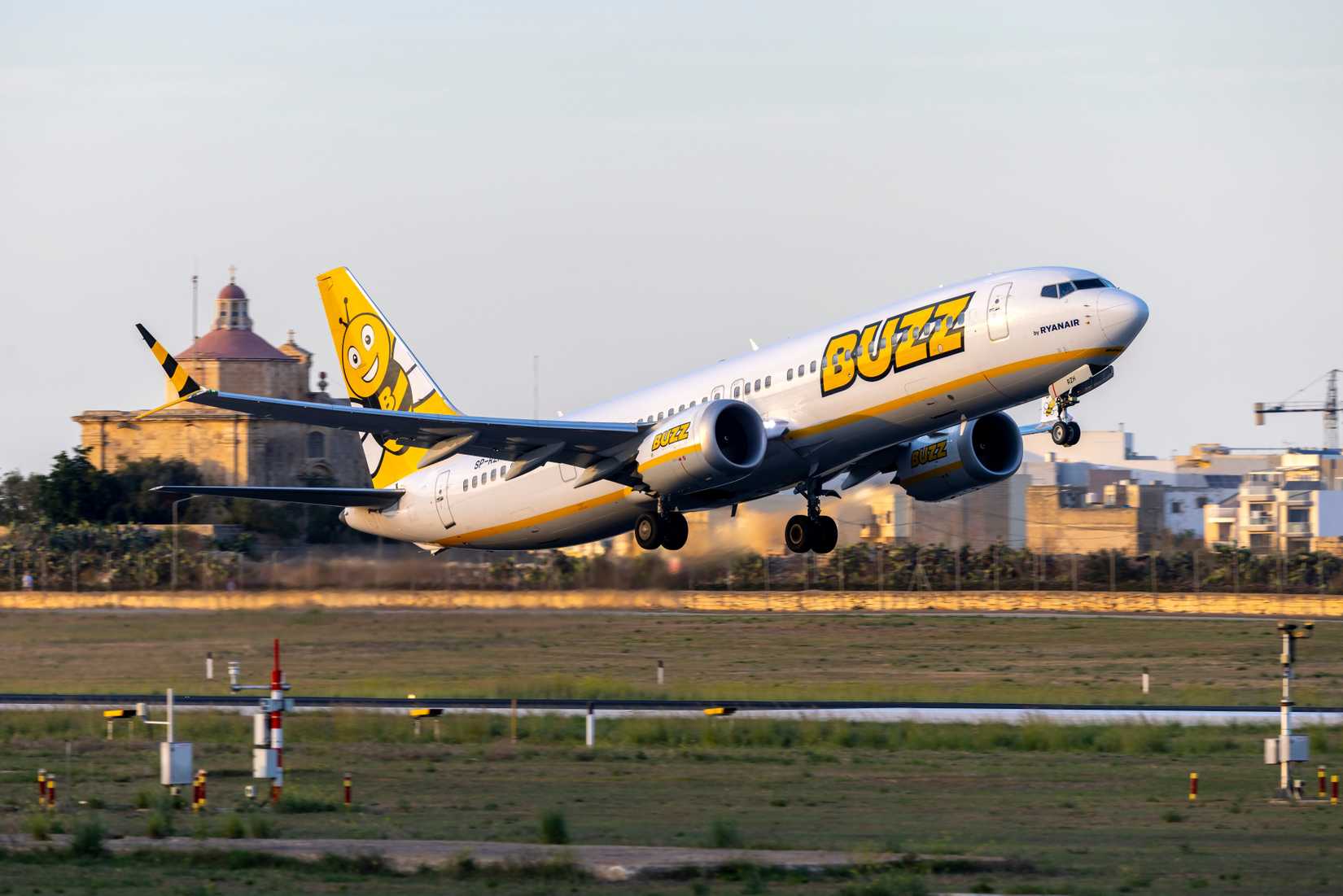
The world has watched the latest iteration of Boeing’s great airliner struggle virtually from day one of its commercial service. The jet promised a major leap forward in technology, comfort, efficiency, and reliability. The failures of management to ensure its product was up to standards has caused years of financial losses in the billions and hammered away at a reputation that was once so good, flyers would say, “if it’s no Boeing, I’m not going.”
The days of public confidence putting Boeing on a pedestal were shattered by the 737 MAX’s crashes, as well as the recurring emergencies and mechanical failures that have continued over the years that followed. Spirit Aero systems makes 70% of the 737 MAX components, so Boeing brought the company back into the fold after the Alaska Airlines mishap. That merger is nearly complete now, and has become a central part of the plan to ensure there is never another QA mistake in the 737 assembly line.
The last jets put on the back lot after the global grounding and delivery bottleneck were only just delivered over the summer of 2025. The MAX 7 and 10 still require some engineering corrections to clear certification, but that day is coming soon. The continued FAA oversight and renewed safety focus at Boeing with Spirit back in house will hopefully make the 737 family the best jetliner in the world again.
The Tragedy That Started It All

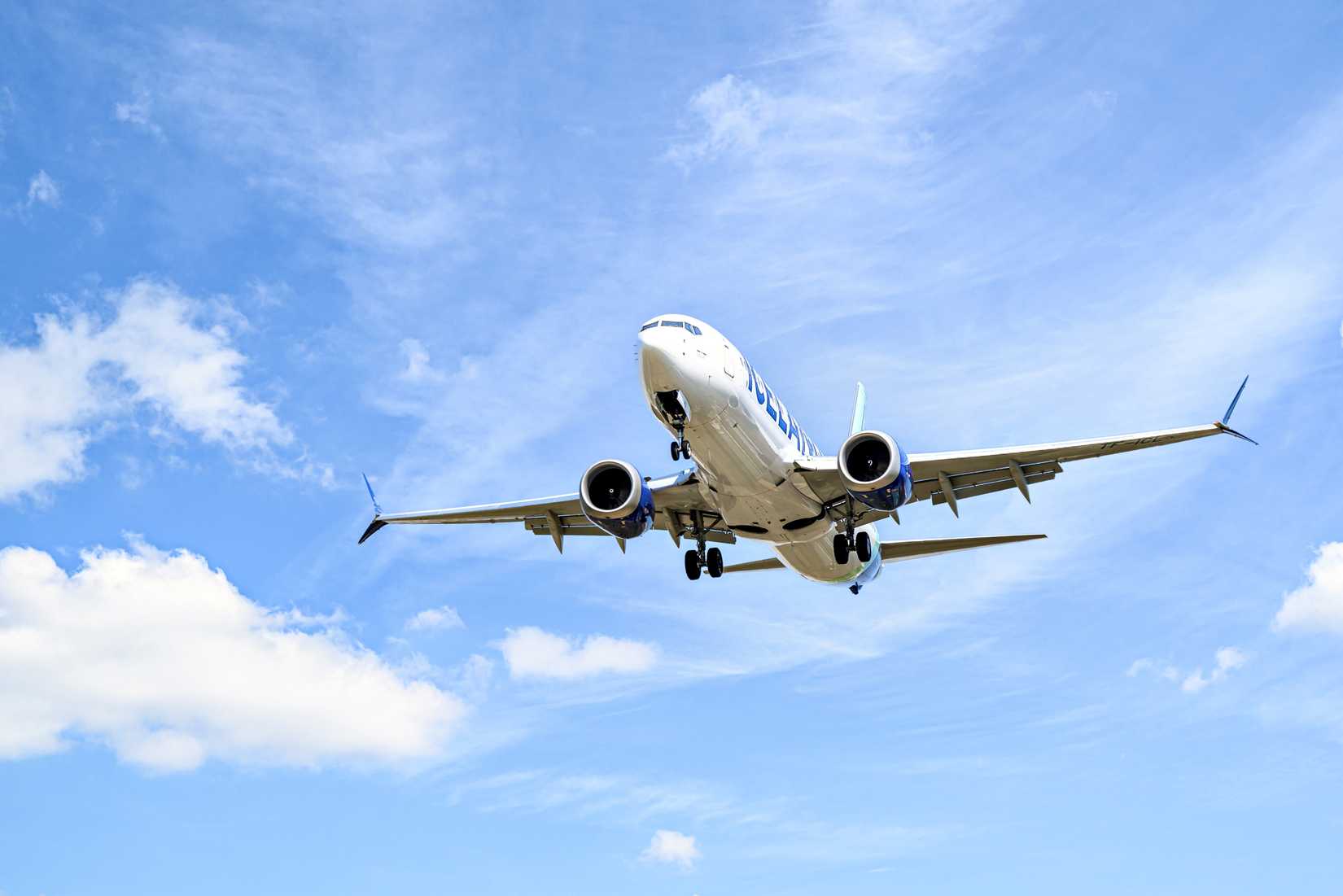
It was the fatal crashes of 2019 that saw 346 souls perish aboard two crashes in six months. The 737 MAX 8s flown by Lion Air and Ethiopian Airlines were a result of defects in the new autopilot system. The quality failure cost Boeing hundreds of millions of dollars, forced the most widespread and prolonged global fleet grounding in commercial flying history, and nearly saw the iconic planemaker become the first corporation in the US charged with a felony crime.
Some say the 1997 merger with McDonnell Douglas is largely to blame for the company’s shift in culture that has steadily prioritized shareholder interests over engineering. The relocation of its historic headquarters in Seattle, Washington, where Boeing Field (BFI) can be found, to Chicago’s financial district was a symbol of that change.
Whatever the reason why the 737 MAX design failures occurred, the human toll left a deep scar on the legacy of the company. It was a terrible cost to set Boeing back on the course of quality and safety. After the last few years of struggle, oversight, and reorganization, hopefully there will never be another lapse in leadership and engineering quality again within the walls of the United States’ most storied aircraft builder.
source