


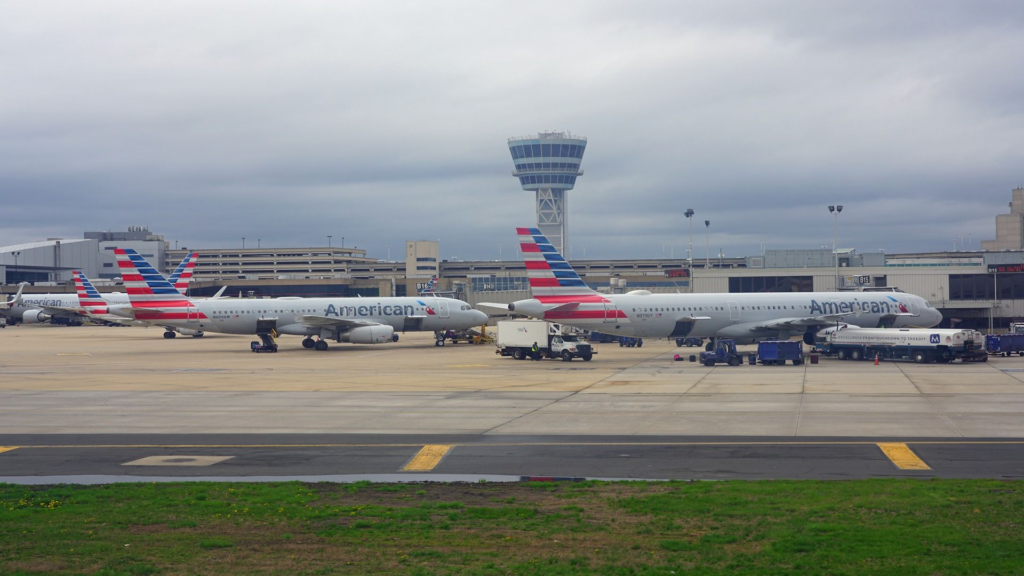
After six weeks, the US Government shutdown has finally ended, and while this helps with the recovery of the aviation sector within the US, the process will have to be done gradually. US Aviation was impacted because of the reduction in personnel within key areas such as TSA, Air Traffic Control, and more, which prompted the FAA to impose a 10% capacity reduction across major airports in the nation.
However, the capacity cut has gradually been reduced to 6%, and with the shutdown having ended, this has been further reduced to 3% because the staffing issues are recovering at several airports.
Capacity Cut Further Reduced To Just 3%

With the longest government shutdown in US history having ended on Wednesday, reports from Reuters indicate that one of the key aims of the deal signed by the US president was to have federal workers back in their job postings by as early as Thursday. Based on the announcement made by the FAA on Friday, this seems to have worked (at least partially), as the regulator reduced its mandatory capacity cut on the 40 major airports in the country from 6% to 3%.
The reduction in the capacity cut comes into effect on Saturday morning, and the press release states that this decision was made based on the improvements in ATC staffing levels and the decrease in “staffing trigger events” across the National Airspace System (NAS). Data shows that the number of staffing triggers across the NAS was at a record high of 81 on November 8, and has reduced significantly, with only three triggers being recorded on Friday, November 14.
The report also states that the remaining 3% capacity cut will be maintained throughout this weekend, while the FAA monitors the performance at these airports and evaluates if it is safe to resume normal operations. Some restrictions in place will be particular to certain airports, dependent on the nature of their operations and the levels of staffing at the facility.
Comparing This Weekend With Previous Weekends


To have a more detailed understanding of the state of recovery in terms of flight delays and cancellations, the most effective method would be to compare the numbers of the past few days with the numbers of the previous weeks, one being the weekend of the 30th day of the shutdown, and the second being the weekend the FAA initially mandated the capacity reduction.
Data from FlightAware show the following stats for the number of flights delayed and canceled in the US during the three weekends:
|
Flight Disruptions In The US |
Wednesday November 12 |
Thursday November 13 |
Friday November 14 |
|---|---|---|---|
|
Flights Delayed |
2,841 |
4,248 |
3,511 |
|
Flights Canceled |
911 |
1,037 |
653 |
|
Flight Disruptions In The US |
Wednesday November 5 |
Thursday November 6 |
Friday November 7 |
|
Flights Delayed |
4,346 |
7,377 |
6,311 |
|
Flights Canceled |
171 |
202 |
1,024 |
|
Flight Disruptions In The US |
Wednesday October 29 |
Thursday October 30 |
Friday October 31 |
|
Flights Delayed |
4,650 |
7,378 |
5,849 |
|
Flights Canceled |
157 |
1,251 |
493 |
When looking at the trend of the past few days alone, from Thursday to Friday, the number of delays have decreased by 17.3%, while cancellations have been reduced by 37%. Additionally, comparing this weekend with the previous weekend shows that the number of canceled flights are higher, due to the capacity cut, but subsequently resulted in fewer delays this week.
More Air Traffic Controllers Required

Considering that the data from earlier this year (before the government shutdown) indicated that 285 control tower facilities out of 313 (91%) within the US are currently understaffed, with some facilities even operating at only 60% staffing capacity.
This is also why cities such as Austin, Texas, have been lobbying to start a new ATC academy in the city to increase the workforce for the airports within the city and, beyond that, increase the number of qualified controllers for other airports across the country.
Ultimately, there is a real need for an adequate number of controllers at the tower facilities across the nation’s airports, as they are key personnel when it comes to ensuring smooth and safe traffic flow, both on the ground and in the skies. While technology assists controllers in performing their duty, the flow of traffic is still essentially managed by the controllers themselves, and being understaffed at a tower can only result in reduced safety in operations.
source