


For years, O’Hare has been viewed as United’s home turf, with American operating a sizable but clearly secondary hub. That perception has shaped how travelers, analysts, and even airlines themselves viewed the competitive balance in Chicago. American’s latest growth push challenges that long-standing narrative. This article examines what the expansion includes, why it matters, and how it could reshape airline power dynamics at O’Hare.
American Airlines’ Expansion At ORD


American Airlines plans to operate more than 500 daily departures from Chicago O’Hare at the peak of the spring schedule, representing its largest-ever spring operation at the airport. The increase includes new routes, additional frequencies on existing services, and extended seasonal flying. Destinations span short-haul domestic markets, major business centers, and select transatlantic routes. Overall, the expansion represents roughly a 30% increase in spring capacity year over year.
The move elevates O’Hare to American’s third-largest hub, behind only 

“Chicago is a critical hub for our network, and this expansion reflects our long-term commitment to competing and winning at O’Hare.”
A Significant Impact

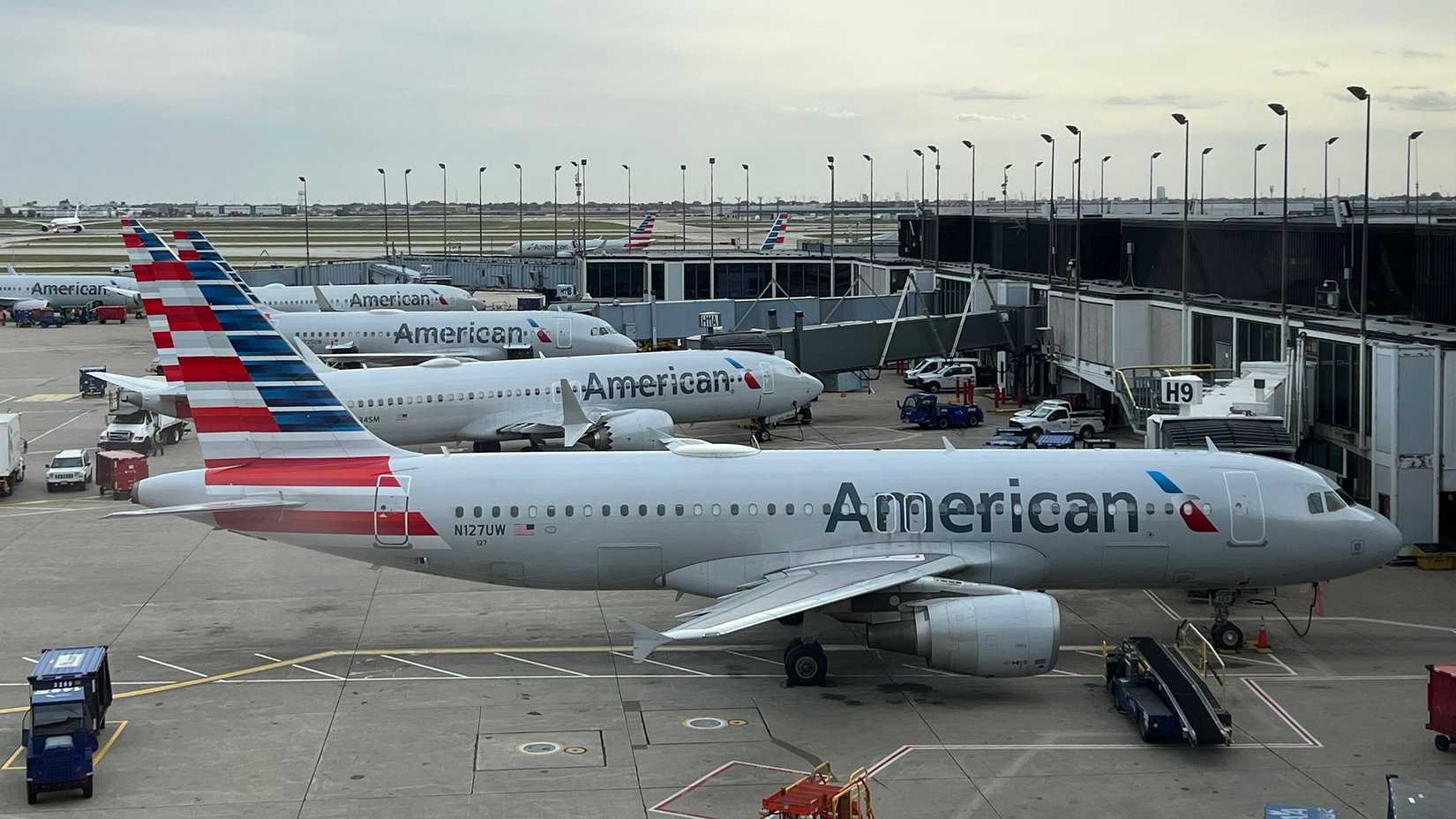
United Airlines remains the largest carrier at O’Hare, operating hundreds more daily flights and serving a broader range of international destinations. However, American’s expansion narrows the gap in a way not seen in years. Rather than retreating to fortress hubs elsewhere, American is choosing to compete aggressively in a market where it historically lost ground. This represents a notable strategic shift for the carrier.
The expansion also aligns with broader trends among US legacy carriers, which are increasingly doubling down on core hubs to defend market share. Chicago’s central geography makes it uniquely valuable for domestic connections. Increased competition could put downward pressure on fares while improving schedule flexibility. At the same time, airport infrastructure and gate availability remain limiting factors for further growth.
American has steadily rebuilt its Chicago operation in recent years, adding routes and frequencies post-pandemic while restoring international service. The new schedule builds on that momentum rather than representing a one-off seasonal surge. Taken together, these moves suggest a sustained commitment to the market.


2,442 Daily Movements: Chicago O’Hare Is The World’s Busiest Airport For Flights
Of course, Atlanta ranks first in passengers and seats for sale.
New Routes And Increased Frequency


Several of the added flights concentrate on high-demand leisure routes during peak travel periods, particularly around spring break and early summer. American is increasing frequencies from Chicago O’Hare to destinations such as Las Vegas, Orlando, Sarasota, and Panama City, Florida, all of which traditionally see strong seasonal demand. These additions are designed to capture vacation traffic while giving travelers more nonstop options during crowded travel windows. The airline is also strengthening service on select short-haul leisure routes that consistently perform well.
Beyond leisure flying, American is extending key summer seasonal international routes earlier into the spring schedule, most notably service from Chicago to Dublin and Paris. This move reflects confidence in sustained transatlantic demand outside the traditional summer peak. At the same time, the airline is adding or increasing service to major business markets such as Boston, Dallas/Fort Worth, and San Francisco. Together, these routes reinforce Chicago’s role as both a leisure gateway and a business connectivity hub within American’s network.
While United Airlines still leads O’Hare by most metrics, American’s 100-flight expansion significantly alters the competitive landscape. Historically, consolidation allowed United to solidify its dominance, but American’s renewed investment suggests a shift toward a more balanced, two-carrier hub environment. The breadth of the added routes, spanning leisure, business, and international markets, signals a long-term strategic commitment rather than a short-term seasonal push. Whether this prompts a competitive response from United will help determine if O’Hare remains a fortress or evolves into a true battleground.
source