


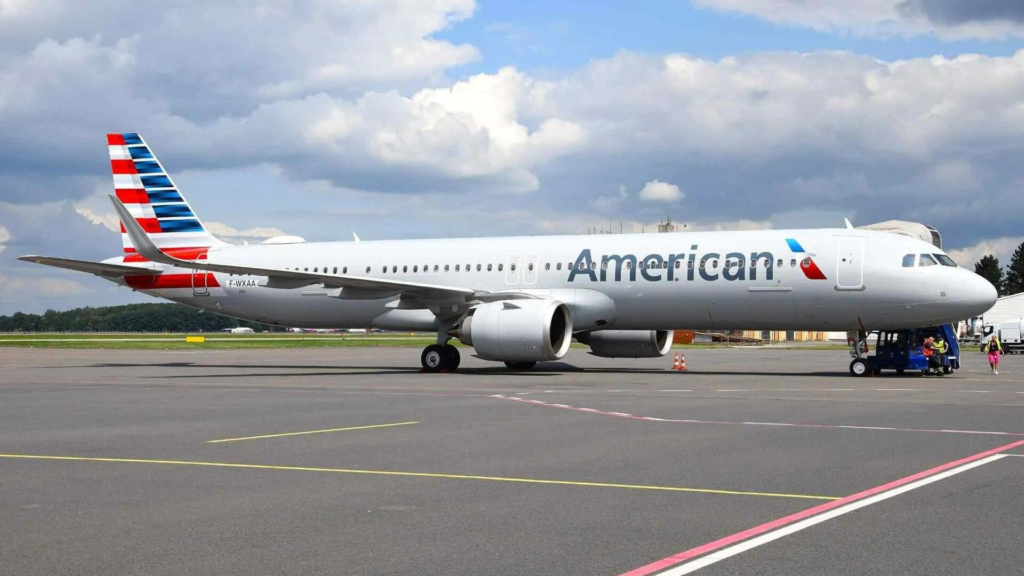
The first Airbus A321XLR for 


American Airlines will be the first US carrier to take delivery of the A321XLR and put it into service, and has 50 of the long-range narrowbody on order. After years of waiting due to production delays and issues with installing interiors, the A321XLR is expected to first begin operating on American’s transcontinental routes, before being deployed on new transatlantic routes.
Today’s A321XLR Flight To Dallas-Fort Worth


American Airlines officially took possession of its first A321XLR back in July, but instead of it flying to the US, the aircraft went into storage in Czechia. It emerged that the aircraft was still awaiting the fitting of its seats, which were delayed due to supply chain issues. But that aircraft was N300NY, and it is N303NY that is crossing the Atlantic today, presumably with its interior complete and ready to become American Airlines’ first A321XLR on US soil.
N303NY is bound for Dallas-Fort Worth, a major hub for American Airlines, where it will be prepared for entry into service. This will involve a number of steps, including:
- Prior to Service (PTS) checks: Even though the aircraft will have had extensive checks prior to acceptance at Airbus’ facility, American Airlines’ own maintenance crews will perform a wide range of PTS checks and induct the aircraft into the airline’s official maintenance program.
- Final installations and customizations: The airline may choose to install equipment that wasn’t included at the factory, such as specific emergency equipment or unique galley components. New aircraft often receive customizations by the airline, and new types entering service almost always get promotional customizations from the marketing department.
- Regulatory compliance: The aircraft will be registered with the submission of an AC Form 8050-1 to the FAA, which will conduct an inspection to verify that the aircraft’s configuration matches the design approved in its Type Certificate and that all systems conform to the airline’s approved program, before issuing a certificate of airworthiness.
- Familiarization flights: The arrival of a new type such as the A321XLR will likely also lead to some familiarization flights for pilots and cabin crew.
American Airlines is the world’s largest operator of the A321, with the type first entering the US Airways fleet nearly 25 years ago. The carrier already operates 84 A321neos as part of its total fleet of 303 A321s, so it is very experienced with the type. So while the A321XLR represents a new variant for the carrier, it is unlikely that it will face any meaningful delays entering into service.
Where Will The A321XLRs Start Operating?
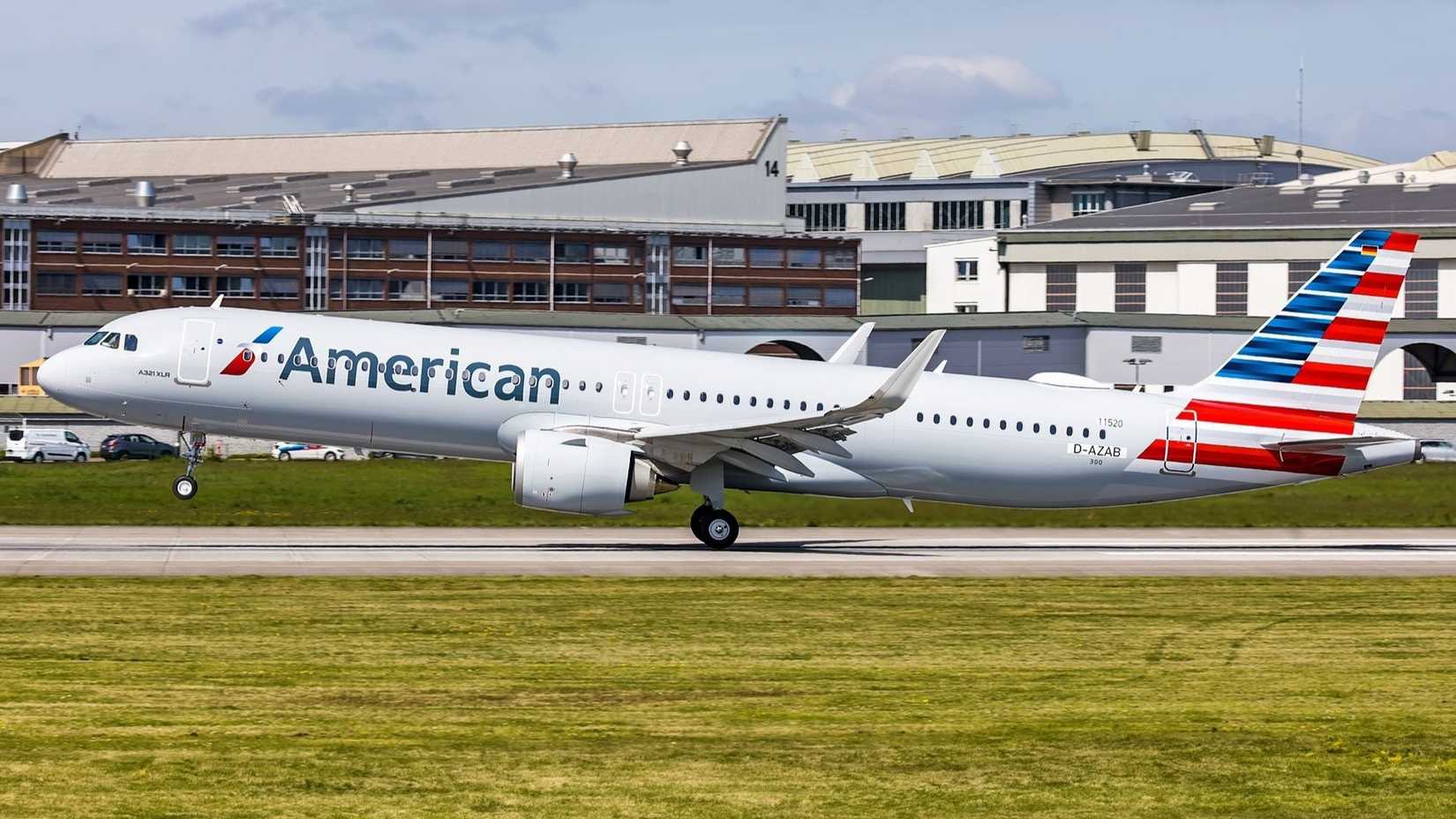
American Airlines has a two-step rollout plan in the works for the A321XLR. As the first aircraft arrive, they are set to debut on domestic routes, readying crews, maintenance and operations prior to entering long-haul service. Specifically, the first few aircraft are expected to operate premium transcontinental routes such as 

The second phase will be the deployment of the A321XLR on transatlantic routes. To that end, Simple Flying revealed in August that American Airlines is setting up an A321XLR base at JFK, with an internal memo indicating that it was opening schedule bidding for “at least 40” A321XLR pilots. The same memo said that “trans-Atlantic flying is expected to commence in March 2026,” without giving any details on specific destinations.
American Airlines is configuring its A321XLRs for transatlantic service, with a premium-heavy cabin designed by Teague, introducing a unified look across the airline’s Airbus A321XLR and Boeing 787-9 fleets. Each 155-seat aircraft will include 20 Flagship suites in Business Class, which will include fully-flat seats and privacy doors, 12 recliner-style Premium Economy seats, and 123 seats in the Economy cabin.
American Airlines Is Using The A321XLR To Play Catch-up
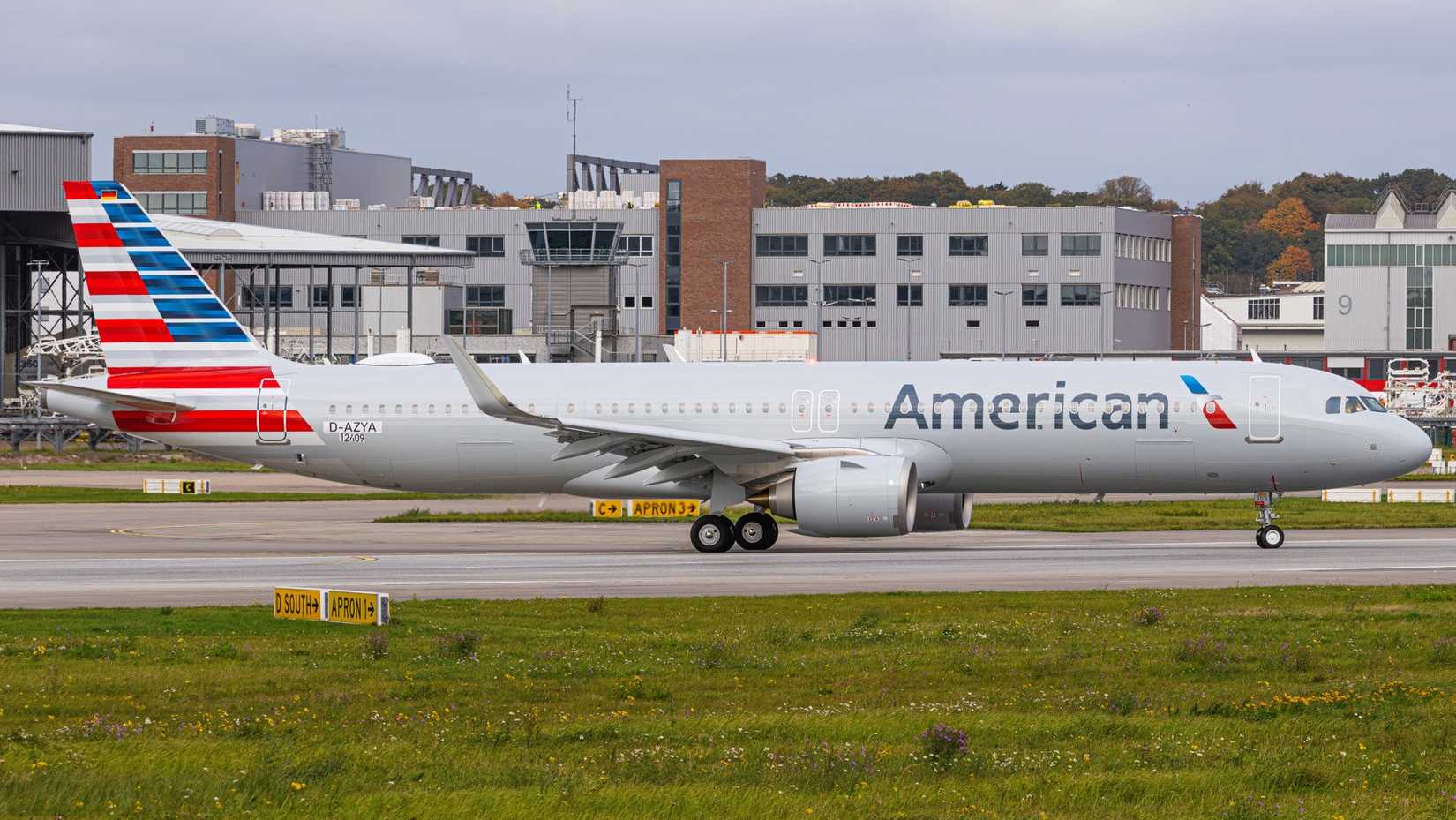
American Airlines’ transatlantic routes to Europe from New York are a shadow of its US rivals. It offers seven routes, with only four of them being year-round. By contrast, 


|
American Airlines’ Current Transatlantic Routes From New York JFK |
||
|
Destination |
Frequency |
Aircraft Used |
|
Athens |
Daily (summer seasonal) |
777-200 |
|
Barcelona |
Daily (summer seasonal) |
777-200 |
|
London |
4 x daily |
777-200; 777-300ER |
|
Madrid |
Daily |
777-200; 777-300ER |
|
Milan |
Daily |
777-200 |
|
Paris |
Daily |
777-200 |
|
Rome |
Daily (summer seasonal) |
787-9 |
Delta and United’s transatlantic advantage stems from their decision during the pandemic to hold on to older aircraft such as their Boeing 767s and 757s. By contrast, American retired five aircraft types in a day back in 2020, including all of its 767s, 757s. Perhaps most controversially, it disposed of its full fleet of 25 A330s, which included 15 A330-200s that were just 6-8 years old at the time. Ever since, American has suffered from a lack of capacity to be truly competitive with its rivals across the Atlantic.
The A321XLR promises to at least partially alleviate this issue. American will be able to add secondary European cities, such as Edinburgh, Geneva, or Lisbon, and do it with reduced risk compared to assigning one of its much-larger 787s to the route. The question is which routes it will start flying from March 2026, and will it be able to obtain a steady delivery of A321XLRs from Airbus to allow it to drive continuous growth.
source