


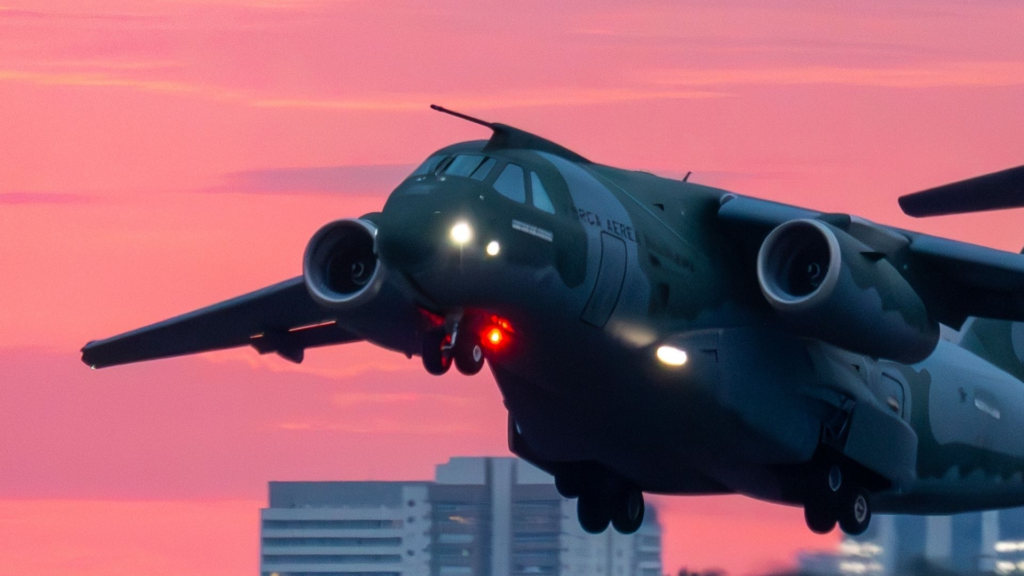
It has been widely known that the Swedish Air Force is in the hunt for a C-130H replacement, and it has now moved to the procurement stage. Embraerformalized a sale of four C-390 Millennium airlifters to Sweden four weeks ago, with options for up to seven more units under a Dutch-led joint procurement with Austria. Shares of Brazilian manufacturer Embraer jumped noticeably on the news.
Just two weeks later, Embraer announced that it had begun production at its facility in Gaviao Peixoto, marking the first cut of the first airframe that will eventually make its way to Sweden’s Air Force. This deal deepens the defensive cooperation between Brazil and Sweden, which is already strong due to coordination on the Gripen program. This also comfortably positions the C-390 Millennium for broader European adoption. For Sweden, the C-390 offers higher payload, overall speed, and multirole flexibility. For Embraer, it validates momentum in key markets beyond Portugal, Hungary, and the Netherlands.

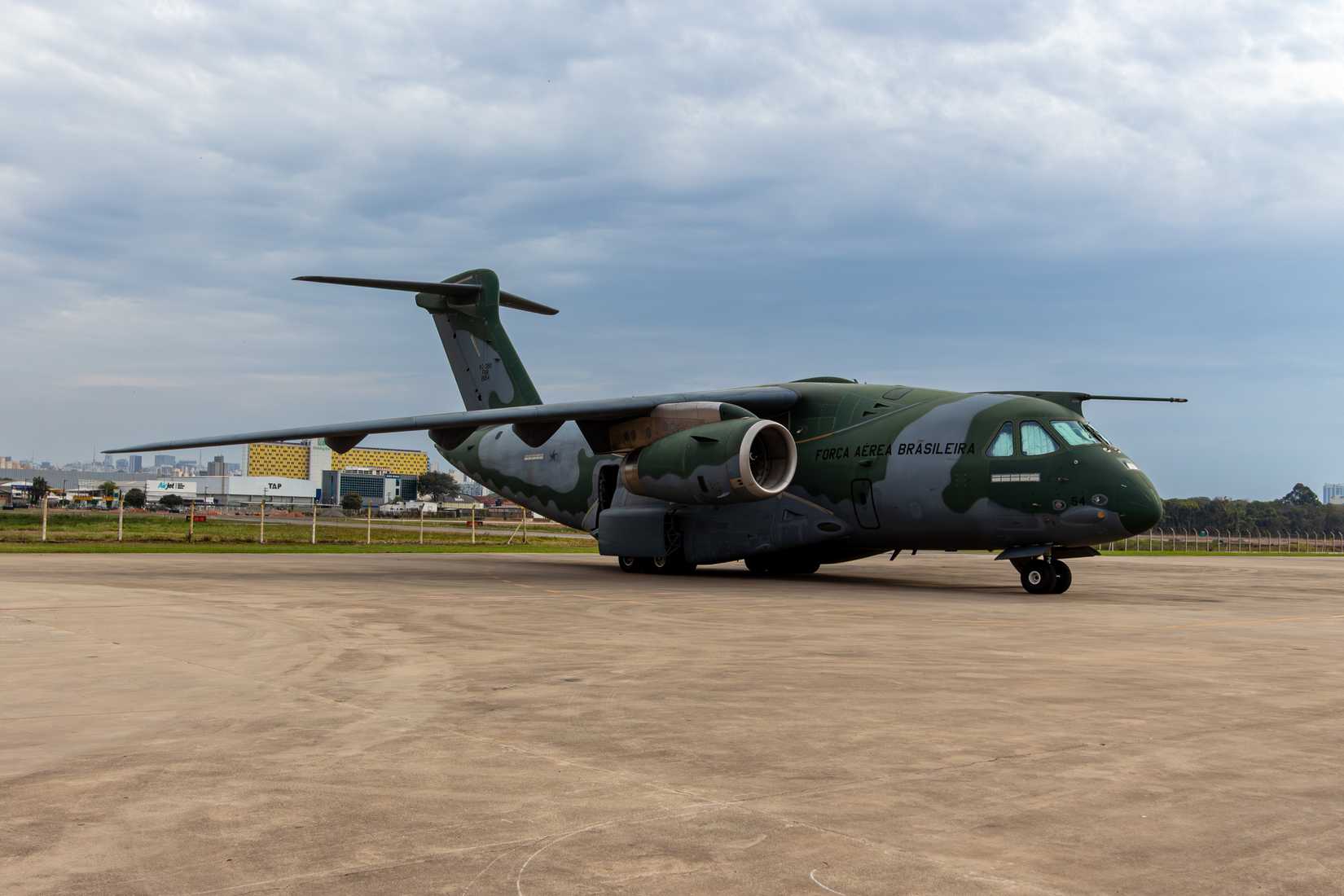
Sweden has now formalized its order for the C-130H’s replacement, signing for four Embraer C-390s with options for seven additional purchases under a Netherlands-led, government-to-government framework that speeds timelines and standardizes support across partner fleets, according to reports published by Reuters.
Embraer has already begun construction of the first aircraft that will enter service in Sweden, first cutting the metal on October 28, 2025, according to reports from Air Data News. This deal follows Sweden’s selection of the C-390 in 2024 and moves taken by the nation in April 2025 to secure production slots and confirm the aircraft as the replacement for the C-130. The nation is also looking to deepen industrial ties alongside the ongoing Gripen collaboration between the two countries. Embraer’s public materials highlight the C-390’s overall mission flexibility, including in airlift and tanker roles.
What Are The Impacts On Embraer?

Lastly, Sweden’s order adds a blue-chip NATO customer to the company’s order book, something which strengthens overall backlog quality and improves factory absorption as deliveries are slowly phased in. Seven options create upside without immediate strain on working capital. The Dutch-led procurement framework would streamline overall configuration control, pooled training, and common spares, lowering lifecycle costs and improving margins on most kinds of services.
From a strategic perspective, Sweden validates the C-390 in Northern Europe, aiding campaigns in countries that are currently evaluating replacements for aging C-130 fleets. This deal also reinforces Embraer’s European ecosystem alongside Portugal, Hungary, and the Netherlands, supporting denser network support systems and overall political durability.
Investor signaling is also positive, with Reuters noting that a share price lift was driven by the contract’s formalization, all while management continues to note how excited they are for the aircraft’s sales prospects in Europe. There are still extensive execution risks that potential Embraer investors will definitely want to keep their eyes on. Nonetheless, the aircraft is still exciting, and a rapid metal-cut milestone does bode towards program maturity and a credible ramp going into the late 2020s.
What Does All Of This Mean For Sweden?

From an operational perspective, the C-390 gives Sweden a faster, higher-payload tactical transport option with tanker and aeromedical configurations, enabling fewer sorties to offer the same life. This also allows for improved response times across Nordic regions and expeditionary missions. The aircraft offers exceptional interoperability through the joint procurement of the jet with the Netherlands and Austria, which aligns training syllabi and other logistical procedures involved with NATO integration.
The aircraft offers commercial-style control systems and is easily maintainable, making it cheaper to operate over longer periods of time than competing aircraft like the legacy C-130 Hercules. This supports surge readiness and air mobility in the Baltic region and the North Atlantic.
From an economic standpoint, the purchase of this aircraft doubles down on the nation’s investment in the Brazilian industrial sector, as the country has already purchased Gripen fighters. From a political standpoint, early production provides a tangible program milestone, allowing politicians to highlight where exactly taxpayer dollars are heading.
source