


The predicament raises questions about the vulnerability of hub-and-spoke models like Delta’s during system failures or ground stops, with a failure at one hub having an unstoppable ripple effect across its network.
Delta Operations Feeling The Holiday Strain


As reported by Simple Flying at the time, Delta experienced a significant system outage at its 

These two airports are crucial to Delta’s entire network, with ATL ranking as the carrier’s largest hub by a considerable distance. With around 1,000 Delta flights every day, it is the world’s largest airline hub and the busiest airport in the United States. DTW is Delta’s second-largest hub, with the airline holding around a 55% market share in Detroit. Delta would then be impacted by ground stops issued at two New York airports — 

Data from FlightAware for Sunday shows that Delta canceled almost 250 flights and over 1,000 were delayed, and this was just its mainline flights. Disruption persisted into Monday, with Delta recording over 100 cancellations and more than 650 delays. A Delta spokesperson iterated the airline’s priority of operating safely, stating,
“We are committed to operating safely and reliably. Our teams are actively assisting customers with rebooking and travel support as conditions evolve.”
How Resilient Are Hub-And-Spoke Networks?


The hub-and-spoke model emphasizes concentrating networks around large airport hubs, as opposed to point-to-point networks, which focus on connecting airports directly rather than funneling traffic through a transit hub. While there are many operational advantages to consolidating networks around a big hub, airlines can find themselves more vulnerable to network-wide disruption when just a single hub is impacted.
This is precisely what Delta has been contending with in recent weeks, with ground stops or outages at key hubs having a massive effect across its entire network. The system outage in Detroit earlier this month was fixed relatively quickly, but even just a few hours was enough to impact tens of thousands of passengers.
In many cases, operational disruption is avoidable, but other events — such as inclement weather, air traffic control constraints, or IT system failures — are typically out of the airline’s hands. But when an airline depends heavily on airport hubs — particularly a superhub like Atlanta — ground stops or system failures have a cascading effect on its network.


What Are Delta Air Lines’ Top Destinations From Each of Its Hubs?
This article explores Delta’s main hubs, highlighting their significance and the key routes that define their importance within the airline’s network.
Delta’s Reliability Under Threat

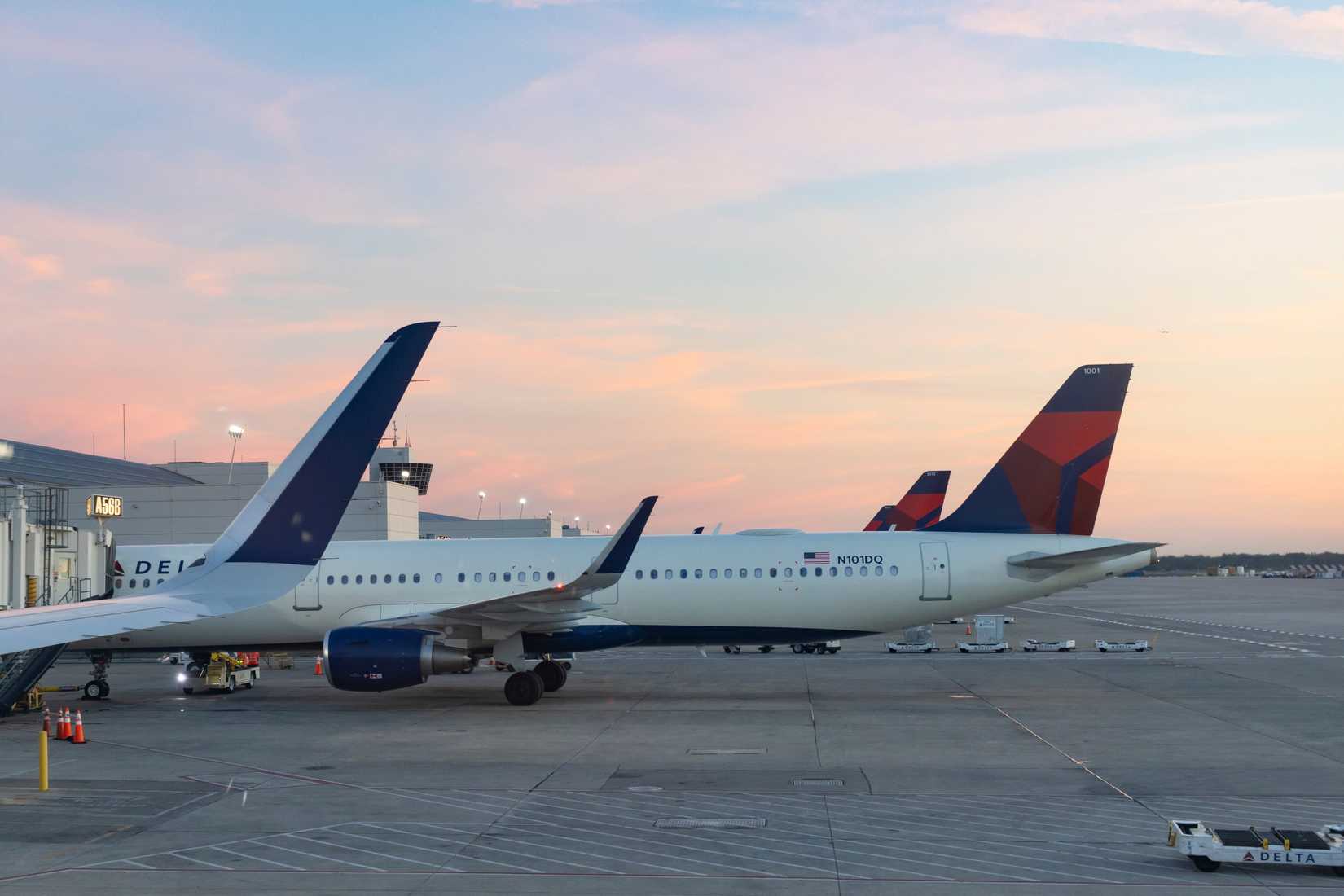
Delta has consistently ranked as the #1 on-time US airline over the years, taking the crown again in 2024 with an on-time performance (OTP) of 83.46% for the year, also placing the airline third globally. Delta’s nearest US competitor was United Airlines, which was more than 2.5 percentage points behind DL.
Despite the airline’s reputation for reliability, many of its recently impacted passengers will have been displeased with their travel experience, with reports this weekend of some aircraft taxiing for hours before being allowed to park. For example, Delta Flight 5052 from Charlotte landed at New York JFK more than three hours late, and would spend another three hours taxiing before it could park and deplane.
Delta was also badly hit by the recent federal shutdown and government-imposed capacity constraints, with CEO Ed Bastian citing losses of over $200 million due to these events.
source