


The United States Department of Transportation ( DOT) has stated that travelers affected by the recent grounding of Airbus A320 family aircraft are not eligible for compensation, despite the significant disruptions they experienced. The news was first reported by Reuters.
The grounding was triggered last month by the discovery of a solar-flare vulnerability following a midair incident involving a JetBlue Airbus A320. It led to hundreds of flight cancellations and delays during the Thanksgiving travel period.
Not Eligible For Compensation

The US transportation authority concluded that the delays and cancellations caused by the repair work triggered by emergency airworthiness directives do not qualify under the criteria that would obligate airlines to provide travelers with compensation. This can include hotel accommodation, meals, or other amenities.
In a notice issued on December 9, the DOT explained that it “will not treat cancellations or lengthy delays resulting from unscheduled maintenance in response to an airworthiness directive that cannot be deferred or must be addressed before a flight to be due to circumstances within airline control for the purposes of these types of airlines’ customer service commitments.” As a result, the FAA’s emergency directive is classified as an event that does not qualify for passenger compensation.
Usually, the largest US airlines promise free rebooking, hotel stays, and meal vouchers for passengers when a cancellation or long delay happens. However, this will only be when the disruption is due to reasons the airline can control.
Approximately 6,000 A320s Were Affected


On November 28, Airbus ordered the grounding of thousands of A320-family aircraft after investigators linked a JetBlue midair incident to a software glitch triggered by solar radiation. With approximately 6,000 aircraft affected, this represented around half of the global Airbus A320 fleet.
While the fix for the software vulnerability was relatively quick for most aircraft, some airlines have been unable to avoid significant disruption to their schedules. Despite many carriers performing the necessary software updates without a hitch, others have cancelled scores of flights or warned their passengers of impending cancellations and delays.
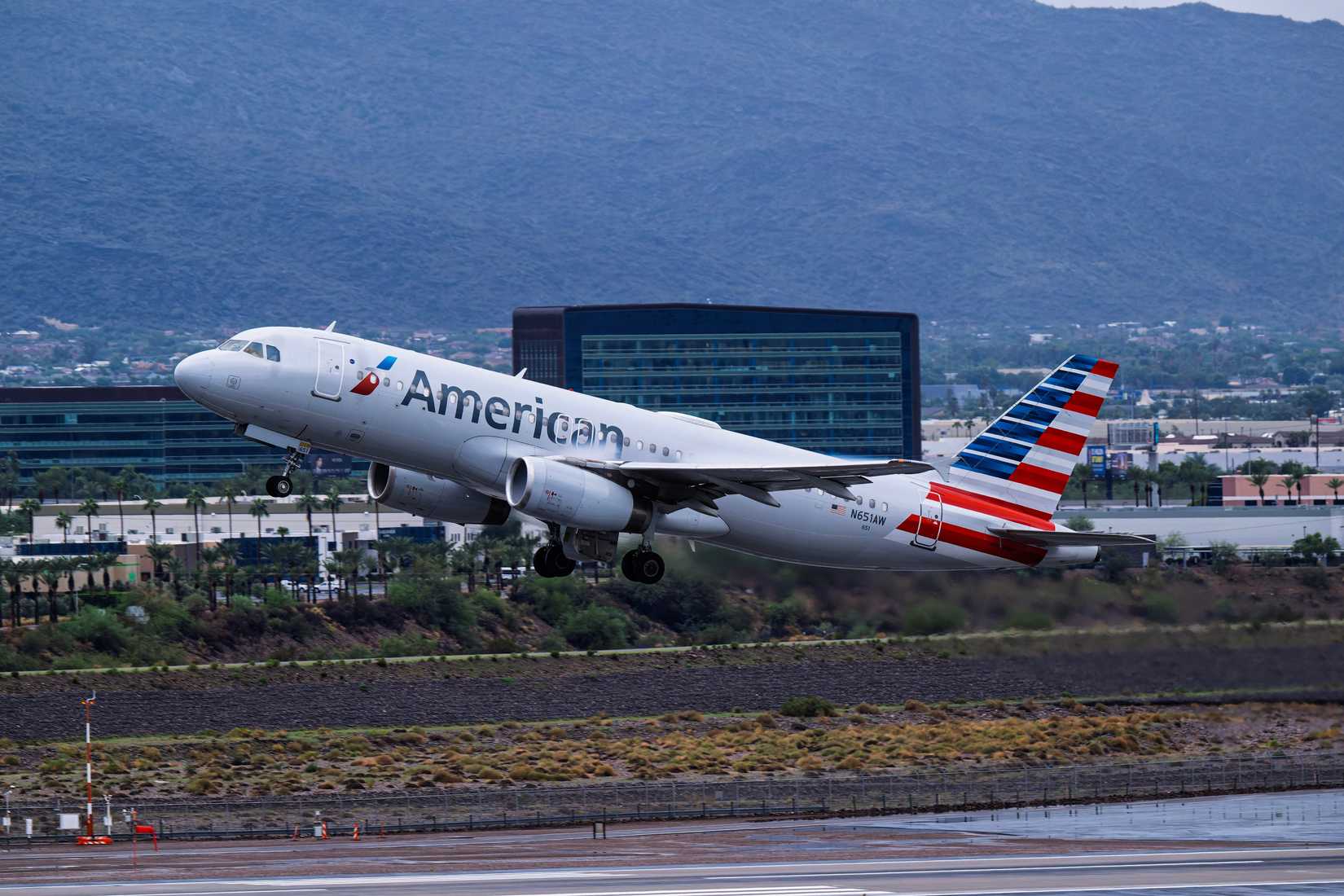
For example, American Airlines warned of ‘operational delays.’ The carrier initially said that about 340 aircraft would be affected, but later revised the number to 209. Several other airlines around the world also reported schedule disruptions. However, many other carriers, such as easyJet, assured passengers that operations would remain normal after completing the required software updates overnight.


A320 Disruption: These Airlines Are The Worst-Impacted By Airbus Software Glitch
Operational disruption could continue into the weekend.
A Closer Look At The Recent JetBlue Airbus A320 Incident


The emergency directive to fix the software glitch happened after investigators linked a sudden loss of altitude on a JetBlue flight to interference caused by ‘intense’ solar radiation. The JetBlue flight from Cancun International Airport (CUN) to Newark Liberty International Airport (EWR) on October 30, 2025, made a sudden, uncontrolled descent after a malfunction with its elevator aileron computer. As a result of the incident, the flight was forced to make an emergency landing in Tampa.
Three passengers were injured during the severe loss of control, and the pilots of the flight in question informed air traffic control that the injured passengers may have sustained lacerations. The airline confirmed that medical personnel met the aircraft upon landing and transported those requiring treatment beyond basic first aid to local hospitals. Flight profile data from FlightAware revealed that the Airbus A320 descended from 35,000 feet to 18,000 feet in as little as five minutes.
Normally, altitude changes of this magnitude happen when a jet encounters turbulence. However, investigators determined that this sudden loss of altitude was caused by solar radiation. Solar radiation can interfere with aircraft software by altering data, disrupting navigation and engine-control systems, and triggering temporary errors such as abrupt altitude changes. During solar flares or other solar events, increased charged particles can overwhelm a plane’s protective systems.
source