


Starting on February 1, 2026, the Transportation Security Administration (TSA) will allow travelers who arrive at screening without a REAL ID, passport, or other acceptable ID to pay a $45 nonrefundable fee to attempt alternative identity verification through its Confirm.ID process. This individual payment covers a ten-day travel window.
The payment can be handled online before one gets to the airport, but it could still result in additional time spent waiting at security. The fee itself is higher than an earlier $18 proposal, and the TSA says around 94% of flyers already show compliant ID, while children under 18 are mostly exempt. If verification fails, passengers may still be turned away at the airport checkpoint.
A Shift In Policy

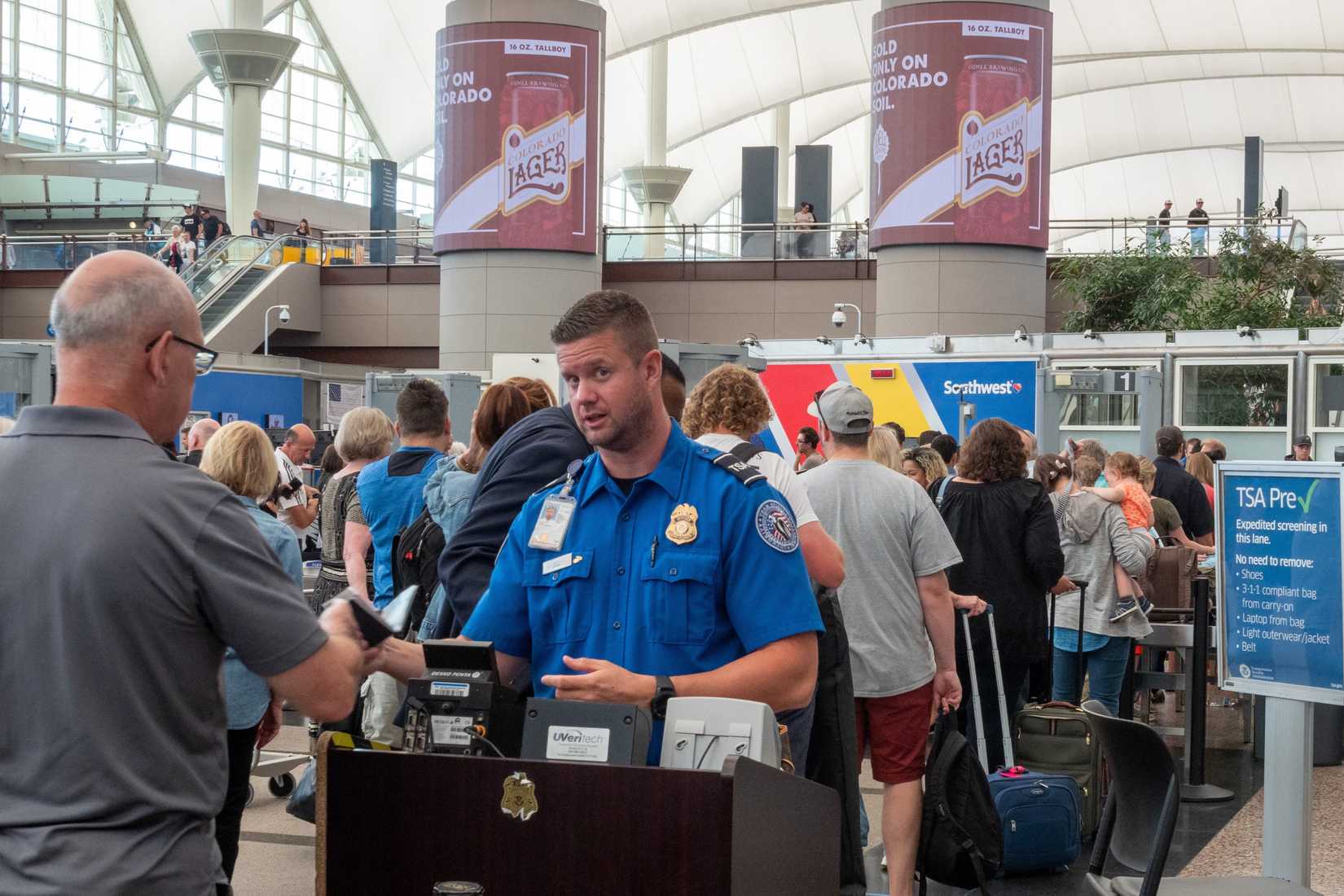
The TSA has indicated in official documents that the next phase of REAL ID enforcement is set to begin on February 1, 2026, after months of a softer, non-punitive rollout. Travelers who reach the checkpoint without a REAL ID-compliant license or another acceptable credential, like a passport, can be directed to the agency’s Confirm.ID identity-verification process and charged a $45 nonrefundable fee.
This payment covers a ten-day travel window and can be prepaid online, with a receipt shown at security. TSA says that verification usually takes some 10–15 minutes but could potentially take up to 30, and that access is not guaranteed if identity cannot be confirmed. The fee was previously proposed at $15, but officials said that administrative and technology costs have pushed it higher. The TSA estimates that around 94% of flyers already present compliant forms of identification. In a statement regarding the announcement, the TSA had the following words to share:
“The vast majority of travelers present acceptable identification like REAL IDs and passports, but we must ensure everyone who flies is who they say they are. Beginning February 1, travelers who do not present an acceptable form of ID at our security checkpoints and still want to fly can pay a $45 fee and undergo the TSA Confirm.ID process. This fee ensures the cost to cover verification of an insufficient ID will come from the traveler, not the taxpayer.”
How Will Confirm.ID Work?


For travelers, the practical change is that forgetting your wallet, or carrying a non-REAL ID license, has become a paid detour. The TSA’s Confirm.ID system has been framed as an alternative identity verification path. Passengers can pay the $45 fee, and the TSA then runs a modernized verification system that uses biographic and biometric checks against all official records.
Prepaying should probably be the fastest way forward, since those arriving with a receipt and paying on the spot can mean extra waiting before you even reach the scanner. Either way, access is not guaranteed. If the TSA cannot confirm who you are, you will not be allowed past the checkpoint, even if you have paid the fee.
Once approved, this verification is valid for a ten-day travel period that should cover the cost of most round-trip services. Fly again after that window, and you will have to pay the fee again. If you have another acceptable form of ID (such as a passport book or card, military ID, or a trusted traveler card), it is much easier to use and will allow you to skip this fee altogether. Children under 18 do not need an ID for domestic flights.


These Airports Allow You To Be Gateside Even If You Don’t Have A Flight
Gateside access for non-ticketed visitors is available at a few select airports in the US, offering novel experiences beyond security.
Why Does This Matter For Operators?

This policy is designed to make noncompliance expensive and inconvenient right at the choke point, that is, airport security. After the TSA began to enforce the REAL ID standard in May 2025, most travelers adapted quickly. Nonetheless, a minority still arrives with noncompliant identification.
By pricing alternative verification at $45 for a ten-day window, the TSA is effectively turning this into a recurring travel tax, one that is especially painful for frequent flyers who keep gambling on secondary screenings. Because the fee itself is nonrefundable and approval is not guaranteed, the financial risk stacks on top of missed flights, rebooking costs, and the time cost of longer lines.
The rational play is incredibly simple. Passengers can check their IDs now. If they are not REAL ID-ready, travelers should make an appointment to visit the DMV or travel with a passport. For families, minors can fly without ID, but adults cannot on all domestic trips.
source