


In recent times, I’ve written about air marshals on Royal Jordanian, and about security officers on EgyptAir, whereby virtually all flights have these people onboard. Here in the United States we have air marshals, and in this post, I’d like to talk about the current state of the program, as I understand it.
I figure this makes for a fun topic for those of us who are aviation geeks, though let me acknowledge that a lot of the information about the program is confidential, so much of this is just speculation.
What are federal air marshals, and what do they do?
While there are some sort of air marshals in many countries (in particular countries like Israel, Egypt, Jordan, etc.), I’ll be focusing on the Federal Air Marshal Service (FAMS) for the purposes of this post. FAMS is a United States federal law enforcement agency, and it’s under the supervision of the Transportation Security Administration (TSA), which reports to the United States Department of Homeland Security (DHS).
Interestingly, air marshals in the United States date back all the way to the 1960s, though the program has evolved a lot over time, especially post-9/11 (after all, the TSA was only formed after 9/11).
Air marshals are armed and specially trained law enforcement officers that essentially fly around, disguised as regular passengers. They generally take flights that are deemed to be higher risk, and they’ll never reveal their identity unless there’s a major incident that requires them to. In other words, they generally won’t get involved if a passenger starts misbehaving, unless they think it poses a risk to the safety of the flight. For that matter, if you ask an air marshal if they’re an air marshal, they’ll deny it. 😉
Now, the effectiveness of the modern day FAMS program is quite debatable. They don’t have much to show for their work in terms of having stopped any terror plots, though there have been several instances where air marshals have gotten in trouble for their behavior, ranging from leaving their gun behind, to getting arrested, to smuggling counterfeit viagra.
One thing I’m not sure of nowadays is what exactly the revenue arrangement is between air marshals and airlines. I believe back in the day airlines had to make these seats available at no cost, though I believe nowadays the government may pay some sort of contracted rates for seats. I’m not exactly sure what the reality is nowadays, so if anyone has any insights, please chime in!
I should also mention that separate from air marshals, we also have the Federal Flight Deck Officer (FFDO) program, whereby airline pilots in the United States can elect to be specially trained and licensed to carry weapons onboard aircraft, to defend aircraft against criminal activity and terrorism. Now, with reinforced flight deck doors, I’m not totally sure I see the value in that, but it is a thing.

How many flights have federal air marshals?
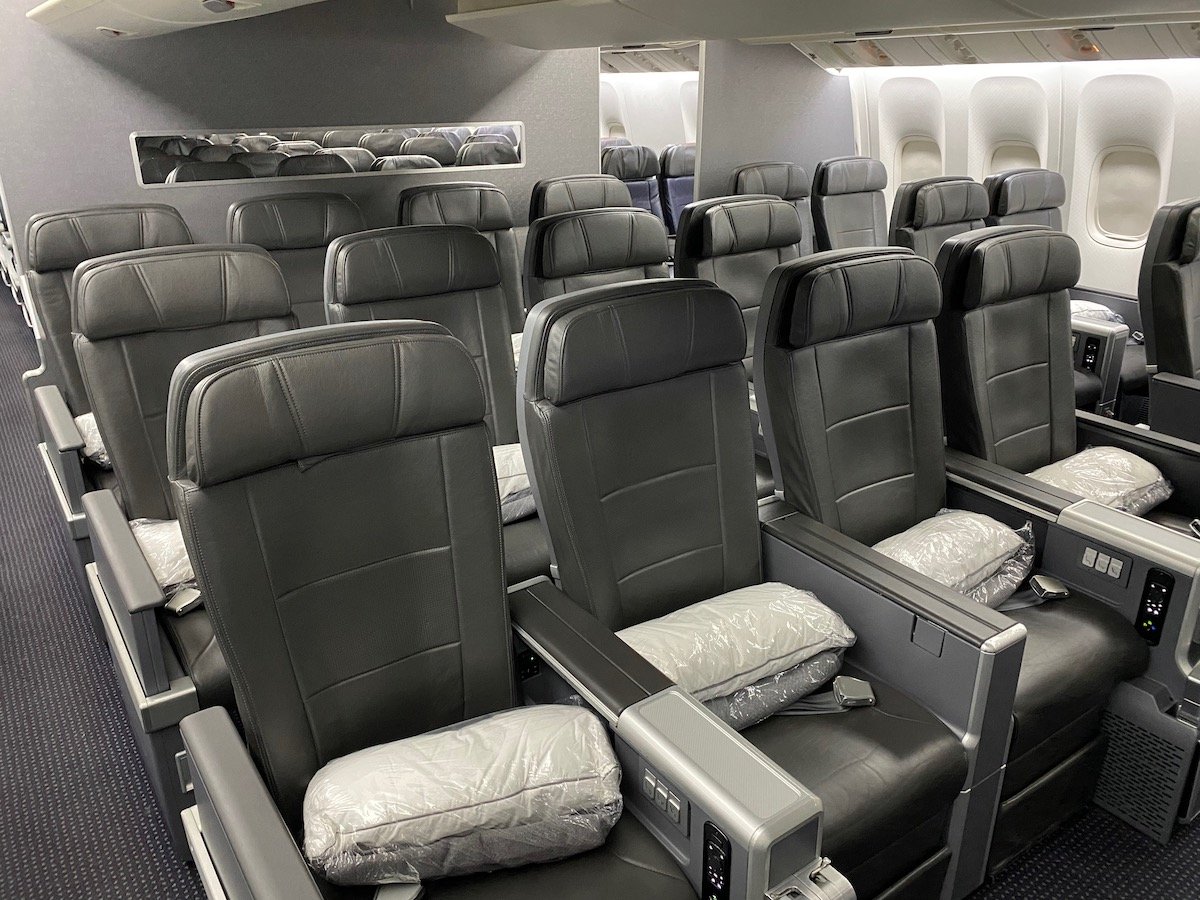
The FAMS program does still exist, though the number of people flying around the country as air marshals isn’t officially published. The last estimate I saw suggested that there are around 3,000 air marshals in the United States.
However, about one-third of those work on the ground in managerial and other roles, so only around 2,000 are actually flying. For that matter, I know that for at least some amount of time, air marshals were working deportation flights (which they weren’t happy about), so that took away from their presence on commercial flights.
There are somewhere around 30,000 commercial flights in the United States daily, so what does that mean in terms of how many flights have air marshals? It’s hard to say, though here are some things to consider:
- Air marshals generally travel in pairs, so you’ll want to divide the number of air marshals by two (or in some cases even four) to determine how many flights might have them
- The number of flights air marshals take in a day can vary greatly, as they travel both domestically and internationally; some days they might take two roundtrips between Washington and Boston, while other days they might take one flight from New York to London
- Generally air marshals are prioritized on certain routes, determined by a computer program that assesses the probability of a threat; this is based on the aircraft type, departure and destination cities, and the amount of fuel onboard
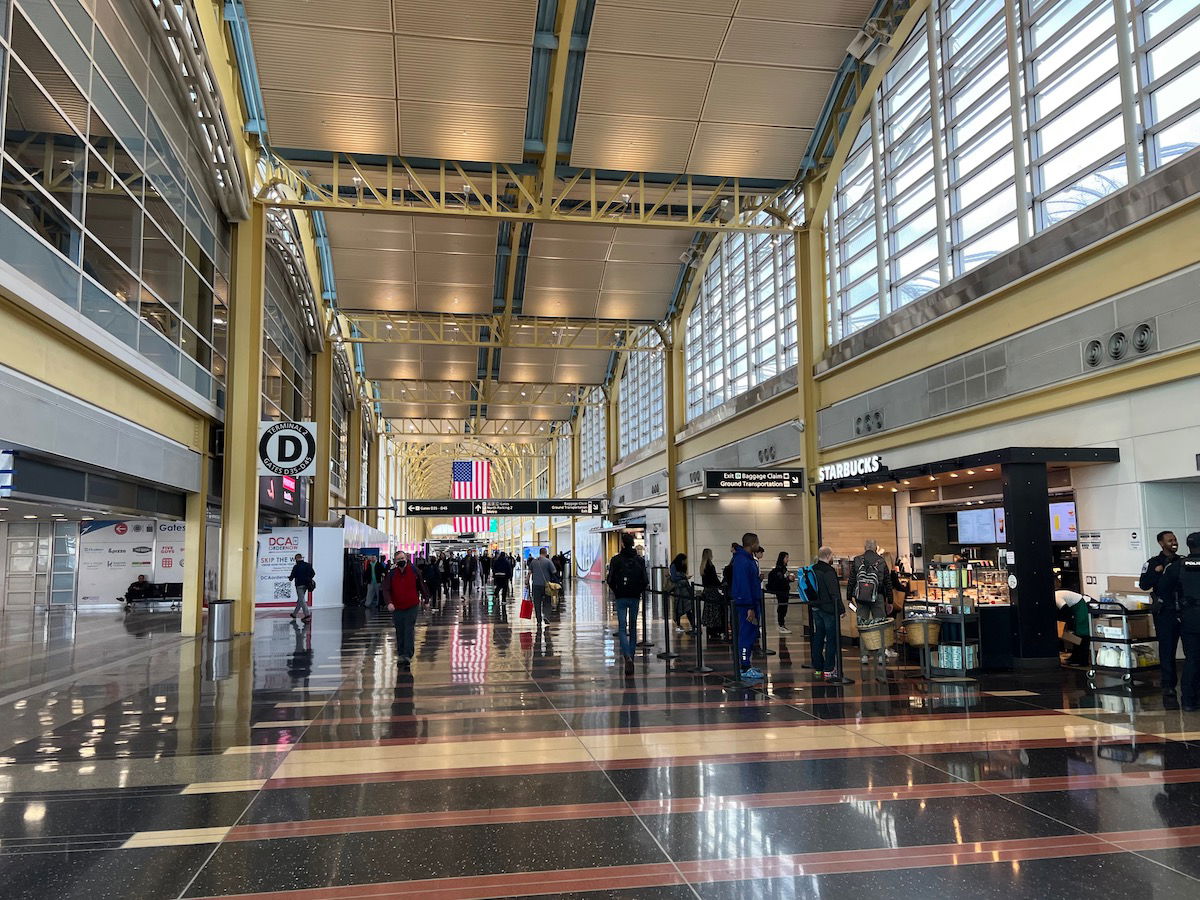
- You’ll find the most air marshals on routes to and from Washington National Airport (DCA), though you’ll also find many on flights to and from New York, including Kennedy (JFK) and LaGuardia (LGA)
So your odds of seeing an air marshal are highly dependent on the route you’re flying. To and from Washington, odds are highest that flights have air marshals, while on flights to and from other cities, there are unlikely to be air marshals. Back in 2014, a USA Today story estimated that fewer than 1% of flights in the United States have air marshals, and I suspect that number is even lower now than it was back then.
How can you spot a federal air marshal?
Going back 10-15 years, I’d always have fun playing the “spot the air marshal” game. To be honest, I haven’t put much thought into the program in recent years, and it’s possible that some things have changed since then. While air marshals are supposed to blend in, typically they are (or at least were) pretty easy to spot. Among other things, here are a few things that stand out:
- They always sit in aisle seats, typically toward the front or back of first class, though also sometimes in economy (they can either be in the front or back of economy)
- They travel in pairs, but typically sit separately, so they might board together, but then you see them seated in different areas (admittedly this also happens to non-air marshals)
- They don’t sleep, they don’t drink alcohol, and they don’t put on headphones; however, you’ll often see them playing video games, or maybe having one earbud in
- Back in the day they used to board before everyone, though I’m not sure that’s the case anymore
I think going back a long time, they also really stood out in terms of how they dressed, sometimes with baggy clothes, wrinkled button downs, etc. But I’d say that’s not really the case anymore. For that matter, premium cabins have become so much more diverse over the years in terms of the composition of passengers, so it’s no longer a game of “spot the person not dressed for a business meeting.”
But still, generally air marshals are easier to spot in first class, since they neither look like they’re traveling on vacation (having a drink, watching a movie with headphones, sleeping, influencing, traveling as a couple, etc.), nor do they really look like they’re traveling on business (in business attire, working on a laptop, etc.). Admittedly I know there’s some element of “roleplaying” to what they do, but that only goes so far.

Bottom line
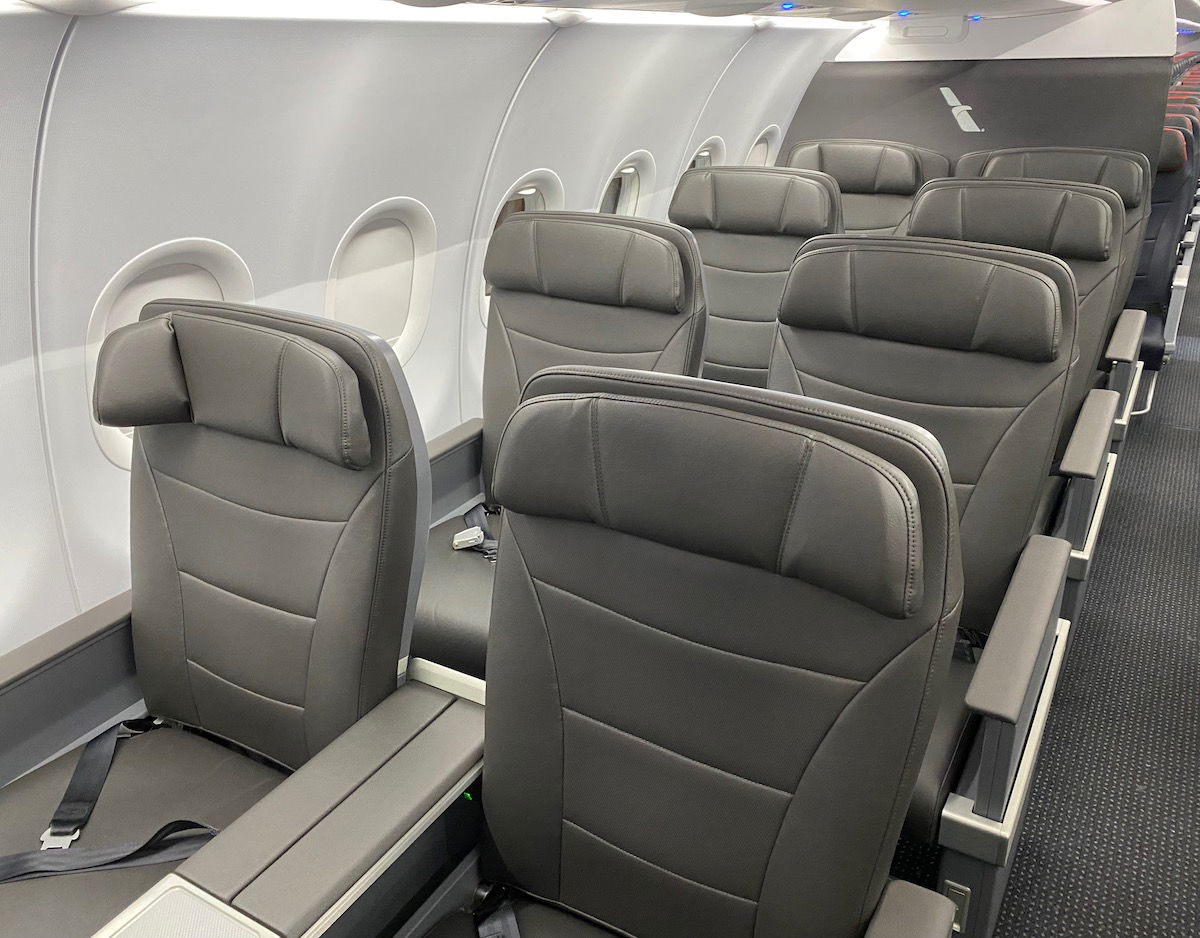
The federal air marshal program continues to be alive and well in the United States. There are only believed to be at most a few thousand people employed by FAMS, and many of those people don’t even fly. So while there continue to be air marshals, it’s estimated that fewer than 1% of flights have these people onboard.
They are the most frequently on flights to and from Washington, as well as select other routes that are deemed to be higher risk.
What’s your take on the air marshal program in the United States?
source