


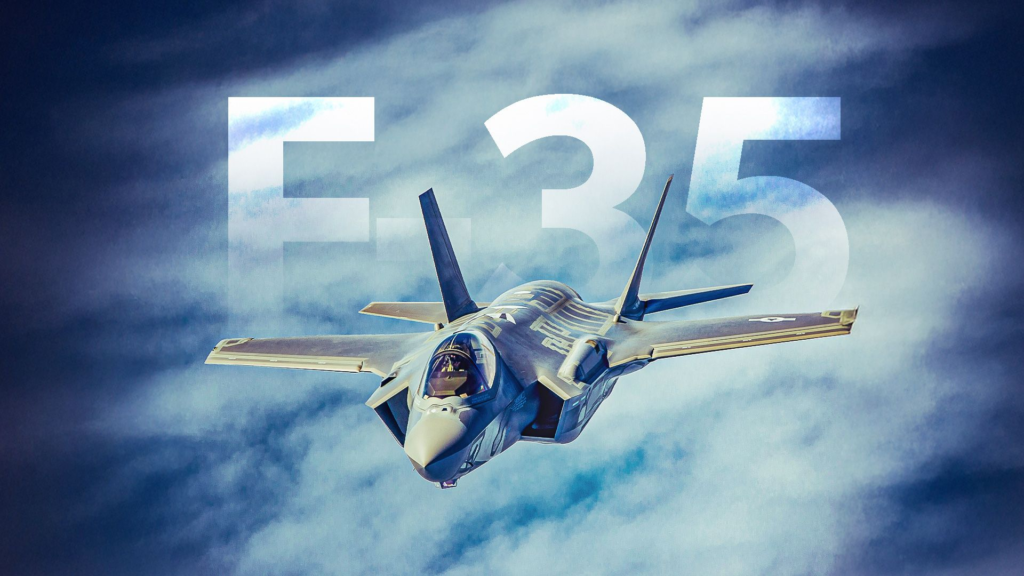
Few defense projects have attracted as much attention and controversy as the Lockheed Martin F-35 Lightning II. It was conceived as the backbone of modern Western airpower, but it has become one of the most expensive programs in aviation history.
In recent months, the jet has again faced heavy fire, not from the battlefield, but from public and political debate. The criticism was reignited by rising sustainment costs, uneven maintenance records, and lingering questions about its full range of capabilities. For military operators, these issues affect readiness, budgets, and long-term planning.
This renewed focus highlights the core challenge of building a fifth‑generation fighter: how to push the limits of technology while still keeping it affordable and dependable. Even if the F-35 remains a critical piece of allied air strategy, the debate about it extends well beyond defense circles due to persistent challenges, such as software delays, logistical burdens, and escalating expenses.
The purpose of this guide is not to take sides, but to unpack the drivers of the latest scrutiny, place them in context, and trace how the world’s largest fighter procurement effort is evolving under the weight of expectation and heavy criticism.
Why The F-35 Is Facing Renewed Criticism

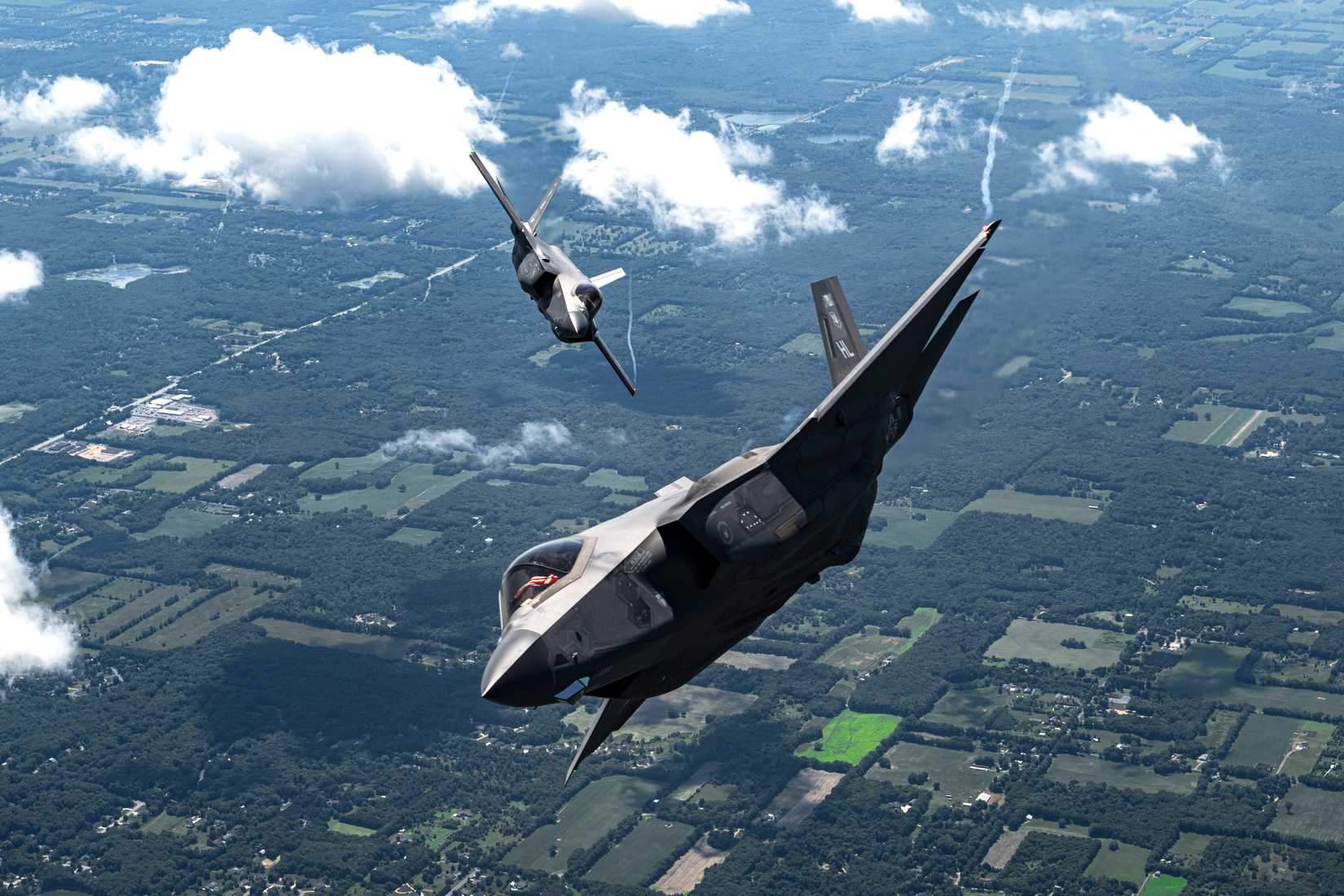
Public pressure surrounding the F-35 has surged again for several reasons, many of which connect to long-standing structural issues within the program. Public audits, updated sustainment reports, and congressional hearings have revived older concerns about reliability and cost transparency. At the same time, a number of allies have raised concerns about climbing hourly operating costs and sluggish deliveries, sparking renewed energy around reform proposals that have been debated for years, while others are reconsidering or delaying their commitments.
A major spark has been a renewed wave of criticism from analysts and defense experts, highlighted by a detailed report in National Security Journal that points to technical and managerial shortcomings. Although these critiques often carry a sharp editorial tone, many of the core issues, like software delays, supply chain bottlenecks, and maintenance challenges, reflect the same concerns raised by official watchdogs such as the US Government Accountability Office (GAO).
At the same time, the F-35’s mixed mission-capable rates have drawn renewed attention. Despite improvements in reliability, the fleet has struggled to consistently meet readiness benchmarks. As more nations rely on the Lightning II in diverse operational environments, these issues have gained broader visibility, prompting a new round of questions about long-term sustainability and affordability.
Costs, Delays, And Sustainment Pressures
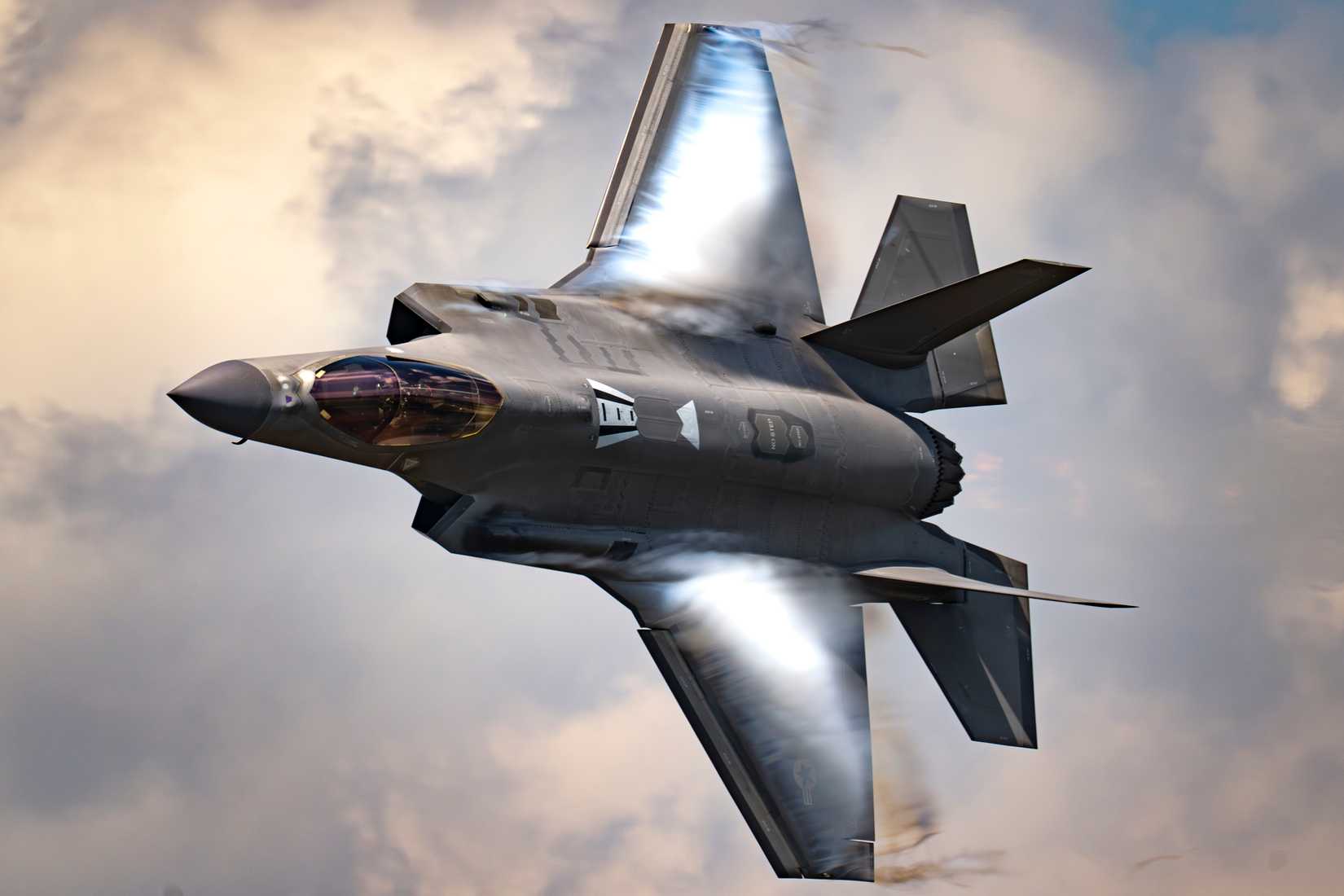
One of the main drivers of renewed criticism is the cost of keeping the F-35 flying over its decades-long service life. Although the unit procurement price has decreased substantially since the aircraft’s early production batches, the overall program remains the most expensive in Pentagon history.
Recent updates to lifecycle estimates have reignited debates over whether maintenance spending is rising faster than originally planned.
Much of this cost pressure originates from the F-35’s extensive reliance on advanced software, sensors, and integrated systems. Many of the F-35’s mission systems require continuous updates to maintain readiness. The current delay in the Technology Refresh 3 (TR-3) upgrade, an essential baseline for future Block 4 capabilities, has created additional operational headaches for both the US and partner nations.
|
Aircraft |
Estimated Cost Per Flight Hour (USD) |
Notes on CPFH / Role |
|---|---|---|
|
F-35A Lightning II |
$33,000–$38,000 |
Modern multirole/strike fighter. Sustainment costs remain a challenge; the DoD targets $25,000 by 2030. |
|
F-35B Lightning II (STOVL) |
$44,000–$50,000 |
STOVL propulsion and lift fan significantly increase the maintenance burden; Marine Corps’ highest-cost platform. |
|
F-35C Lightning II (Carrier Variant) |
$36,000–$41,000 |
Reinforced landing gear and folding wingtips raise sustainment costs vs the F-35A. |
|
F-15EX Eagle II |
$27,000–$30,000 |
Designed for reduced sustainment compared to the legacy F-15C/D; still costly due to twin engines. |
|
F-15E Strike Eagle |
$30,000–$33,000 |
Older fleet with increasingly expensive depot maintenance cycles. |
|
F/A-18E/F Super Hornet |
$18,000–$25,000 |
Costs vary depending on carrier deployment cycles; younger airframes trend toward the lower end. |
|
EA-18G Growler |
$22,000–$28,000 |
Specialized electronic attack equipment increases maintenance. |
|
Eurofighter Typhoon |
$15,000–$22,000 |
Significant variation across operators; newer Tranche 3 jets are slightly more expensive. |
|
Dassault Rafale |
$16,000–$20,000 |
The French MoD reports relatively stable sustainment costs; efficient twin-engine design. |
|
Saab JAS 39 Gripen (C/D) |
$6,000–$8,000 |
One of the lowest CPFH among Western fighters; designed for a low logistics footprint. |
|
Saab JAS 39E Gripen |
$8,000–$12,000 |
Slightly higher maintenance needs than C/D but still among the most economical. |
|
F-16C/D Fighting Falcon |
$8,000–$12,000 |
Still widely used, its lightweight design keeps costs very low compared to modern jets. |
|
F-22A Raptor |
$65,000–$85,000 |
Stealth coatings and complex systems lead to extremely high maintenance; fleet size drives up per-jet cost. |
|
MiG-29 Fulcrum (NATO-maintained) |
$15,000–$22,000 |
High maintenance demands for older airframes; NATO operators report wide variation. |
|
Su-27/30/35 Family |
$18,000–$35,000 |
Sparse official data; international operators show high variability. |
Sources: GAO‑24‑106703: F‑35 Sustainment, DoD Selected Acquisition Report SAR (2011), RAND Research Report “Expanding Operating and Support Cost Analysis for Major Programs”
Beyond cost, the F-35’s global logistics continues to evolve in complexity. The shift away from the Autonomic Logistics Information System (ALIS) toward the newer Operational Data Integrated Network (ODIN) framework is improving performance, but operators report that the transition has been slow and uneven. Combined with ongoing supply-chain recovery after the pandemic era, this has kept sustainment challenges in the spotlight.


The World’s Largest Air Forces By F-35 Numbers
Stealth, advanced sensors, and networked warfare converge in this game-changing fighter. See which countries are leading the charge.
The Software Bottleneck: TR-3 And Block 4

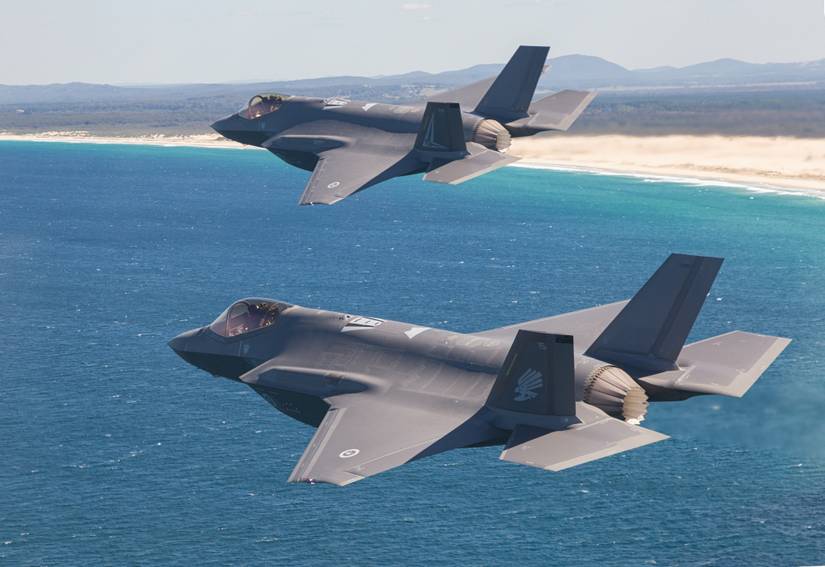
Software is probably the most important performance driver in the F-35 program, and also its most contentious. The jet’s capabilities rely heavily on code, and much of its advantage lies in data fusion, sensor networking, and electronic warfare functions. However, the complexity of these systems has contributed to slow upgrade cycles and shifting delivery targets.
The TR-3 upgrade, a comprehensive overhaul of processors, memory, and software architecture, is required before the aircraft can receive its much-anticipated Block 4 modernization package. TR-3 delays have caused production aircraft to accumulate at factory storage sites, unable to be delivered to operators until the new software is certified. This has spurred frustration among procurement officials and has become a focal point of recent congressional discussions.
Block 4 has likewise been delayed and re-scoped several times. These shifts have fueled claims that the aircraft’s promised capabilities have not yet fully materialized, though program officials maintain that incremental upgrades will continue throughout the F-35’s multi-decade lifecycle. But let’s have a look at what exactly the achievement of Block 4 would mean for the F-35 and for the United States Air Force and all the other users:
-
Expanded weapons integration: Block 4 adds a wide range of new munitions, including long‑range anti‑ship
missiles
(like LRASM), advanced air‑to‑air missiles, and precision strike options. It also increases the jet’s ability to carry more weapons internally and externally, giving pilots greater flexibility in combat. - Sensor and radar upgrades: The package enhances the F‑35’s radar modes and electro‑optical systems, improving detection of stealthy or distant targets. These upgrades sharpen situational awareness and make the aircraft more effective in contested environments.
- Advanced electronic warfare capabilities: Block 4 introduces stronger jamming, cyber defense, and non‑kinetic attack tools, allowing the F‑35 to disrupt enemy systems while protecting itself against evolving threats.
- Cockpit and pilot interface improvements: Pilots benefit from a larger panoramic display with higher resolution graphics, plus more intuitive mission systems. This makes complex information easier to process in high‑pressure scenarios.
- Future‑proof design: Block 4’s open mission systems architecture ensures easier integration of future technologies, allied weapons, and software updates, keeping the jet relevant well into the 2030s.
Together, these upgrades transform the F‑35 from a fifth‑generation fighter into a more versatile, multirole platform capable of handling maritime strike, electronic warfare, and next‑generation air combat missions.
Performance Debates: Where The F-35 Excels And Where Critics Focus


Much of the criticism surrounding the F-35 is rooted in performance comparisons, both with legacy platforms it replaces and with peer adversary fighters. The stealth and networking capabilities of the aircraft, along with its sophisticated sensor fusion, have been widely praised, but detractors argue that its kinematic characteristics, especially its high-G endurance and energy retention, do not match aircraft like the F-15 or the F-22 Raptor.
Proponents counter that the F-35 is not designed to be a traditional dogfighter, but a networked sensor platform that can identify, target, and neutralize threats before entering visual-range combat. In exercises and allied evaluations, this advantage has proven decisive. Still, the gap between mission intent and public expectation contributes to many misconceptions about the aircraft’s tactical goals and design philosophy.
The F-35 may not lead in raw aerodynamic performance, but its strength lies in multi-domain integration and survivability. The ongoing debate reflects differing views on how future air combat will evolve and how much value to assign to stealth and information dominance relative to maneuverability.

New F-35 Engine Production Delayed Into Spring 2026
The Lightning II’s new powerplant is behind schedule.
International Operators And Fleet-Wide Implications

With more than a dozen nations operating or ordering the F-35, global concerns about cost and capability affect a much broader ecosystem than earlier US-centric fighter programs. Allies such as Australia, Norway, Japan, the UK, and several NATO members have continued to affirm their long-term commitment to the aircraft, but some have expressed caution regarding sustainment burden and training pipeline pressures.
A recurring question among operators is whether the F-35 can meet its availability targets as fleets scale up. Mission-capable rates have improved in pockets, particularly among US Marine Corps B-models and certain Air Force squadrons, but consistency remains elusive. The introduction of TR-3 jets, along with eventual Block 4 upgrades, may help smooth readiness, but only if logistics and supply-chain bottlenecks improve.
Despite these concerns, allied participation has also accelerated innovation. Several nations have invested in advanced simulators, synthetic training environments, and joint tactics development. These cooperative efforts have helped standardize operations across the program and are likely to become even more important as more fleets reach full operational capability.
The Future Of The F-35: Reform, Restructuring, Or Continuity?

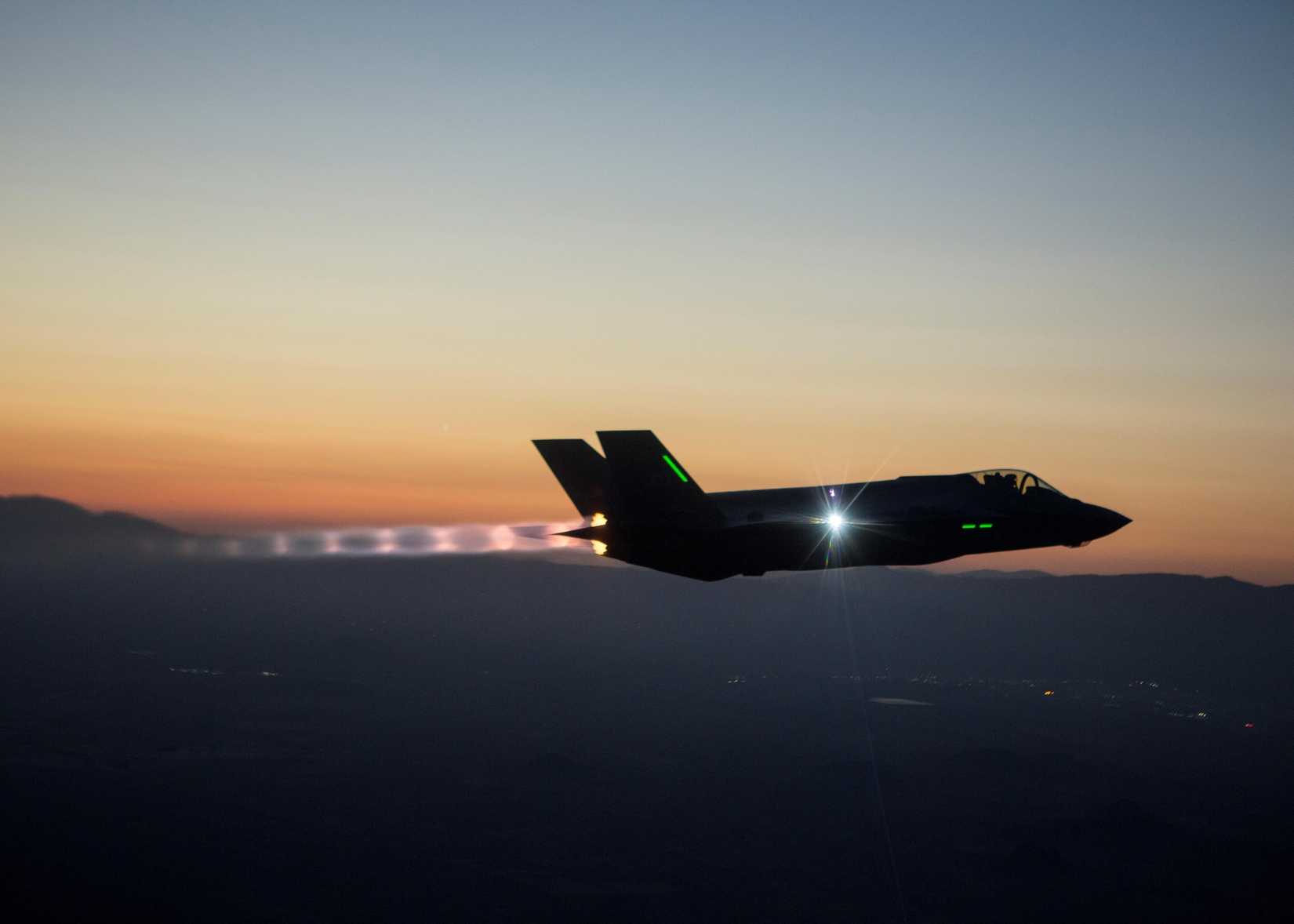
The program’s future is defined by a mix of optimism and uncertainty. On one hand, the F-35 continues to secure export orders, expand its operational footprint, and demonstrate strong performance in joint exercises. On the other, rising sustainment costs and upgrade delays are driving calls for structural reform, including proposals to shift more maintenance responsibilities from contractors to government operators.
Many analysts believe the aircraft’s long-term value will depend heavily on its software roadmap. If TR-3 and Block 4 can be delivered reliably and at scale, they could resolve some of the program’s most visible pain points. Conversely, further slippage could reinforce criticism that the program remains over-centralized, overly complex, and slow to adapt.
Looking ahead, the F-35’s trajectory will be shaped by how effectively the program balances modernization with affordability. With sixth-generation systems on the horizon, such as NGAD in the US and the GCAP and FCAS initiatives in Europe, the pressure to stabilize the F-35’s sustainment model will only increase. Regardless of the path taken, the fighter’s role in global airpower is secure for decades to come, but the intensity of the oversight and scrutiny surrounding it is unlikely to diminish.
source