


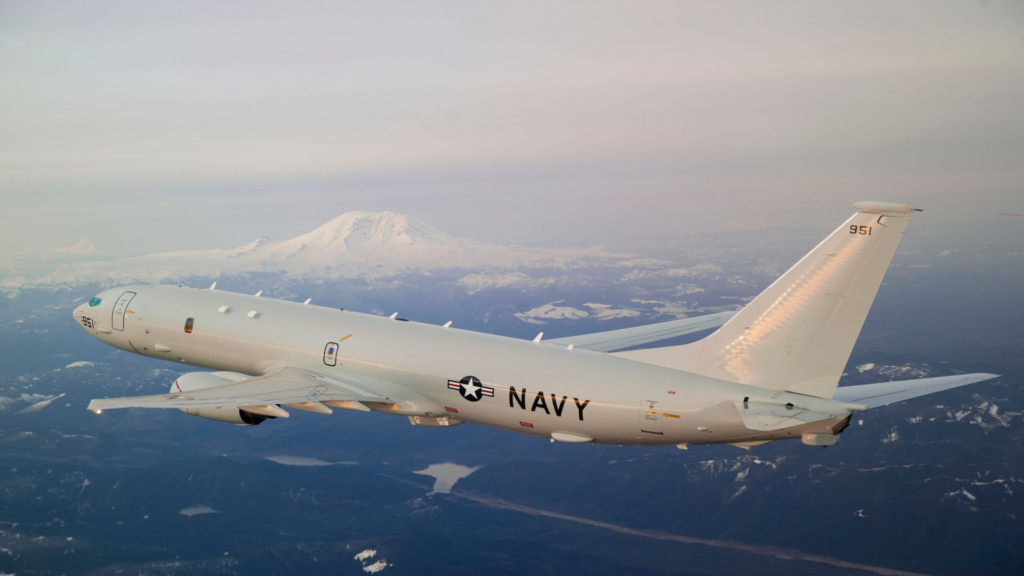
Denmark is considering purchasing 

The news comes shortly after Singapore officially selected the P-8A Poseidon as its next maritime patrol aircraft. If Denmark proceeds with the purchase, it will join a few other European countries, including Norway, that operate the aircraft. NATO member Germany is also set to receive its first P-8A Poseidon this year.
Collaborating With NATO Members


As reported by Reuters, Denmark’s Defense Minister Troels Lund Poulsen said on Tuesday that the country’s military could potentially buy a fleet of Boeing P-8 aircraft. The transaction could cost the Scandinavian country an amount corresponding to billions of dollars as part of its plans to enhance its military hardware.
However, the defense ministry did not disclose how much it would spend or how many aircraft would be purchased. Any acquisition must first receive parliamentary approval. Poulsen would prefer to collaborate with other countries within the North Atlantic Treaty Organization (NATO), but he is also willing to accept that Denmark will have to acquire the aircraft with its own capacity if a NATO deal is not possible. Poulsen said,
“I would prefer that we collaborate with other NATO countries in order to get the most value for our money and to have a greater degree of flexibility.”
Boosting Surveillance In The Arctic
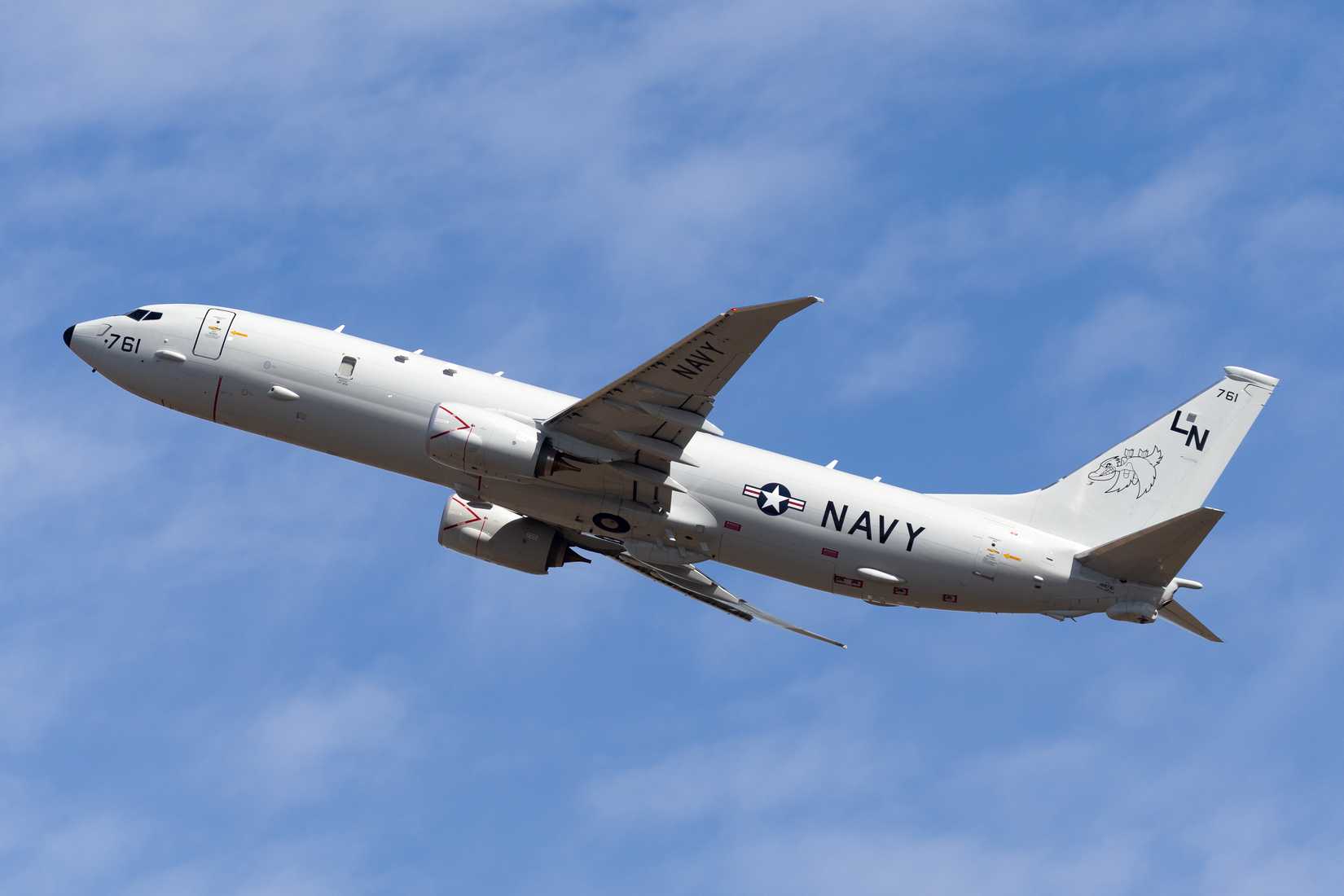
The defense minister highlighted that the threat level in the Arctic was increasing, making it necessary to get a better picture of movements around Greenland and the Faroe Islands. Vessels from Russia and China have emerged unexpectedly around Greenland before, with US President Donald Trump accusing Denmark of failing to keep the island safe from potential incursions.
As a multi-mission maritime patrol aircraft, the Boeing P-8 is built for various maritime roles including anti-submarine warfare, anti-surface warfare, intelligence, surveillance and reconnaissance, Maritime Domain Awareness, as well as search and rescue. The aircraft, which is based on the Boeing 737 NG platform, is fitted with an in-flight refueling system, allowing it to conduct extended patrols over vast areas of water. Some of its technical specifications are as follows:
|
Ceiling |
41,000 feet (12,496 m) |
|---|---|
|
Max speed |
490 knots (564 mi/h) |
|
MTOW |
189,200 lb (85,820 kg) |
|
Range |
1,200+ nm (2,225+ km) > 4hr time on station |
|
Weapons stores compatibility |
129 A-size sonobuoys Harpoon MK-54 Survival kit |
According to Boeing, the P-8 conducts anti-submarine warfare using an integrated sensor suite to search, detect, classify, locate, track and attack submarines. The aircraft continues to support both military and humanitarian needs, delivering reliability in many jurisdictions.
Supporting Maritime Operations Worldwide


Denmark could potentially join other NATO countries in operating the P-8, including Canada, Germany, Norway, the United Kingdom, and the United States. Other P-8 customers include Australia, India, the Republic of Korea, and New Zealand. The P-8 has two variants: the P-8A Poseidon, operated by several countries like the US and UK, and the P-8I, operated by the Indian Navy.
On September 10, Singapore’s Ministry of Defense confirmed that the country selected the P-8A Poseidon as its next maritime patrol aircraft during a meeting between Defense Minister Chan Chun and US Secretary of Defense Pete Hegseth at the Pentagon. The P-8 will replace the Asian country’s aging Fokker 50 maritime patrol aircraft. Singapore will acquire four P-8As in the first phase, boosting the country’s maritime security capabilities.
Germany will receive its first P-8A Poseidon this year out of a total order of eight aircraft. The aircraft will replace the country’s fleet of P-3 Orions. Germany’s first P-8A took to the skies for the first time earlier this year and will soon join the Bundeswehr. Boeing has delivered over 170 P-8s, with the type clocking over 660,000 flight hours worldwide. Each aircraft is engineered for 25 years of service and 25,000 flight hours in the harshest environments.
source