


JonNYC reports how Delta is noticing a serious issue when it comes to passenger satisfaction on its most important route, and it’s asking for pilots to help solve that…
The market between New York (JFK) and Los Angeles (LAX) is among the most competitive and highest revenue in the United States, and it’s one where Delta has a first place position. Well, at least that’s true in terms of the number of people carried and revenue. How customers feel is a different story, though.
In a memo to pilots, Delta has revealed that the net promoter score (NPS) for this route runs 9.2-12.7 points below the national average for the airline, and points out that’s a serious issue, especially with the significant presence of “high-profile customers, business travelers, and social media influencers.”
The airline claims that the route is at a higher risk for delays compared to much of the domestic network, but says that many of those delays are not driven by pilot performance or decision making, but instead, are due to decisions outside of their control.
So Delta is asking pilots to do a better job of keeping passengers updated during delays, pointing out communication makes a big difference in terms of the NPS.
Here’s the content of the memo, for those who are curious:
Team, We’d like to take a moment to talk about JFK–LAX and LAX-JFK – two of the most important markets we serve and routes that consistently carry high expectations – from our customers, from Delta and from all of us who operate it. Together, JFK–LAX–JFK represents one of the top revenue markets in Delta’s system and stands as the largest domestic market in the U.S. by seat capacity.
In addition, this route carries a high level of visibility, with a significant presence of high-profile customers, business travelers, and social media influencers. Customer experiences on these flights are often shared widely and in real time, further amplifying the impact of every interaction.
Recent data show that this route operates at a higher risk for delays compared to much of the domestic network. Just as important to note: many of these delays are not driven by pilot performance or flight deck decision making – they’re largely due to factors outside your direct control.
Even so, the impact is real. Customer experience on JFK–LAX currently runs 9.2 points below the mainline domestic NPS (Net Promoter Score – the way we and other airlines gauge customer satisfaction) average, while LAX-JFK currently runs 12.7 points below. Because these are premium, high revenue markets, those gaps matter – to our customers and to Delta.
The best way our pilots can help is simple: Remain focused, as you always are, on Delta’s Impactful Behaviors – Greet Me, Recognize Me, Be Kind to Me and Inform Me – to ensure every customer interaction is kind, attentive, appreciative, and informative. In particular, it’s proven that our NPS scores improve significantly during a service disruption or delay when our pilots provide timely updates and engage positively with our customers.

What’s really driving customer dissatisfaction in this market?
A net promoter score that’s an average of over 10 points lower than the national domestic average is pretty meaningful, especially given the volume of customers who take this route. For that matter, you’d think that a premium transcontinental route would be more likely to have a high NPS, since airlines tend to deliver a bit more on these routes.
So is this really primarily about operational reliability? At least compared to the past (where Delta marketed itself as the “on-time machine”), Delta has struggled with reliability in recent years, especially when recovering from weather events, thanks in no small part to issues with its pilot software.
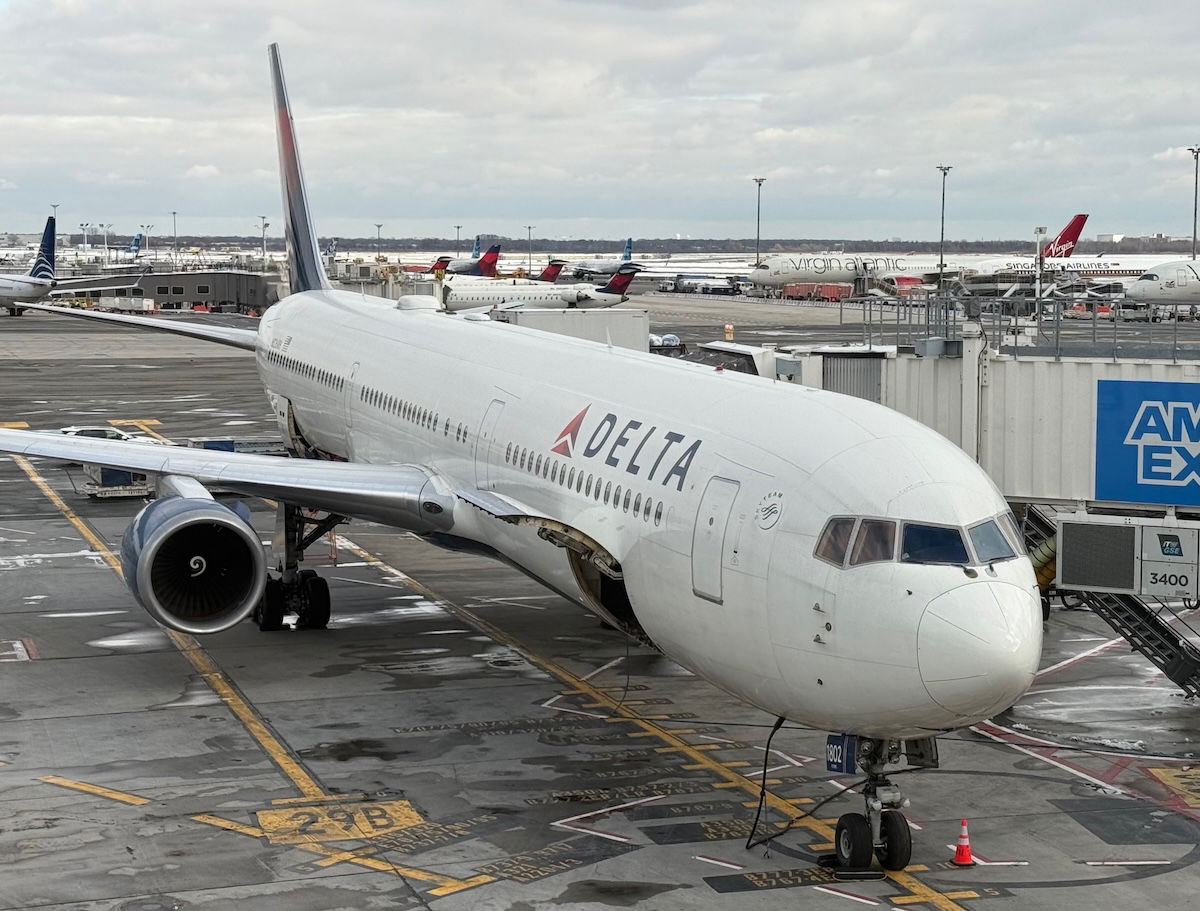
But the airline suggests this is largely due to delays that don’t involve staffing. So is the issue that Delta’s Boeing 767s are so old and unreliable that they just frequently have maintenance issues? Or what?
One wonders if passenger experience could also be factoring into this:
- The 767 is a mixed bag; in economy it’s actually quite nice, with the 2-3-2 layout, while in business class it really doesn’t impress
- I wonder if some people just don’t like the plane because the overhead bins aren’t big (so more people have to gate check bags), if this has to do with Wi-Fi performance, if they just sense the plane isn’t modern
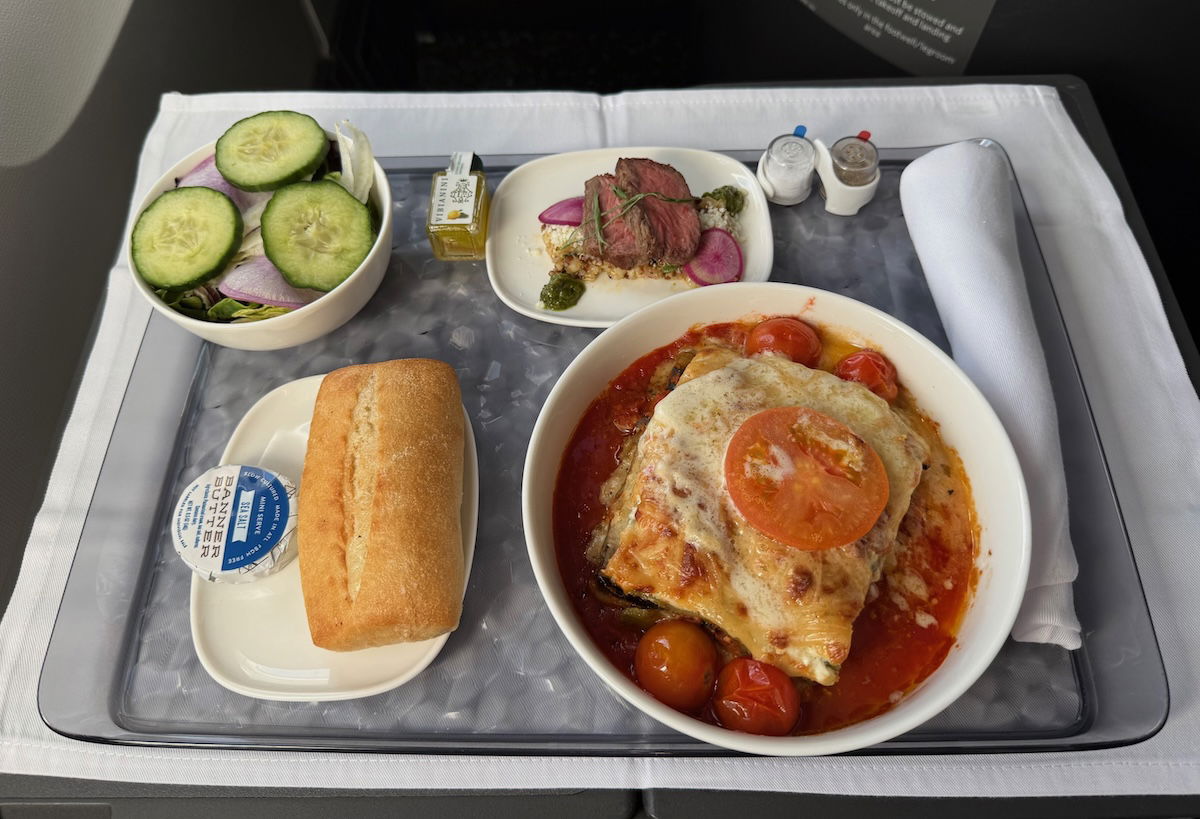
- While Delta One passengers do get access to the excellent Delta One Lounge in both New York and Los Angeles, the onboard product oddly isn’t that great, with food and drinks that don’t follow the standard Delta One offerings, despite the branding
Anyway, I’m not sure what’s driving this, and to what extent it’s a combination of many factors. Either way, you really don’t want your NPS to be so far below average on the single most important domestic route.

Bottom line
Delta seems to really be struggling with its net promoter score between New York and Los Angeles, and it’s an average of 9.2-12.7 points below the national average for the carrier’s domestic flights. The airline thinks this largely comes down to operational reliability, which is why it’s asking pilots to (in particular) make frequent announcements on this route when issues arise, to keep passengers informed.
However, I have to imagine there’s more to this issue than just operational reliability. After all, if operational issues are causing that big of an NPS drop in a single market, then the airline has some serious issues with reliability.
What do you make of Delta’s “premium” NPS woes?