


Los Angeles International Airport (LAX) is unique in that it’s an airport where American, Delta, and United, all have a hub. It’s the only airport in the country where that’s the case. Over the years, we’ve seen the airlines take turns trying to beat out the competition, only to hemorrhage money, cut their losses, and go back to a more reasonable level of service.
Earlier I covered how Delta is investing in its lounge network at LAX, and wondered just how big the carrier’s plans at the airport were. Well, we’re now getting more of a sense of what this could look like.
Delta’s plan to become LAX’s number one airline, by far
JonNYC has some insights on Delta’s latest strategy at LAX. It’s pretty clear that LAX is the new hub that Delta is most focused on. He shares a screenshot of the following text (I’m not sure who it is from, but I’d assume it’s a reliable source):
Delta has a once in a generation opportunity to accelerate leadership position at LAX. American, historically the leader, stepped back in recent years. AA has shed 10 points of corporate share and has a disruptive six-year terminal renovation underway. Meanwhile, Southwest is pulling back, JetBlue has shrunk to half its former size, and Alaska is shifting its focus to San Diego. United is the only remaining viable competitor but is limited by gate constraints and sub-par facilities for the foreseeable future.
That narrative is completely right, and there’s nothing there that I disagree with. So, what will Delta’s growth at LAX be centered around?
- Shortly, we’re going to see Delta launch flights to Hong Kong (HKG), and in 2027 we’re supposed to see a new route to Manila (MNL)
- Delta also reportedly plans to increase Shanghai (PVG) flights to daily, make Auckland (AKL) flights year-round, and also launch service to Seoul Incheon (ICN)
- The goal is also to have a much more comprehensive network within North America, including serving business markets, higher yield leisure markets, etc.; for example, we’re talking markets like LAX to Chicago (ORD)
- Given that the airline industry has evolved, one would assume that a primary motive is to also massively increase loyalty and credit card revenue in the local market

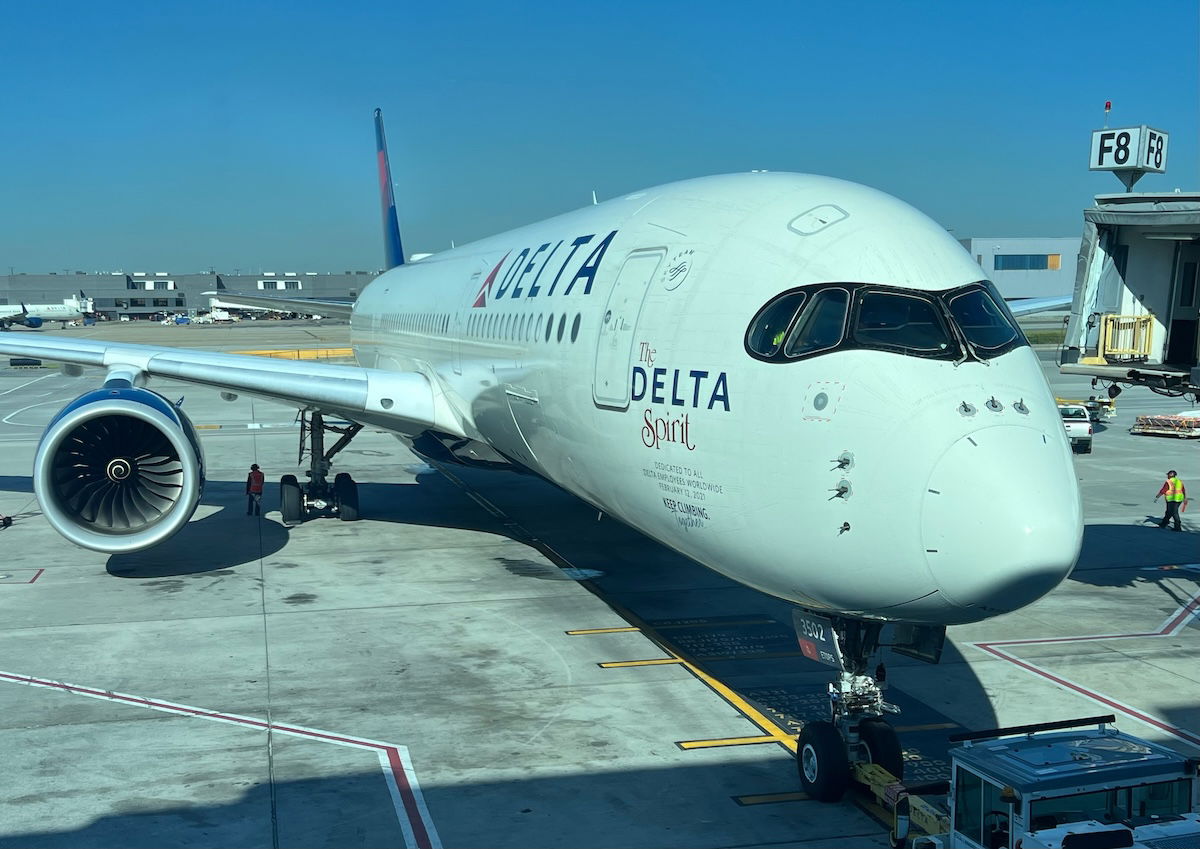
Delta’s goals are probably possible, but are they profitable?
I think everything Delta is suggesting is fair for the most part. Delta definitely has the best facility at LAX, and there’s no denying that the airline could increase its lead at LAX, though obviously the airport will never turn into a fortress hub.
The question isn’t whether Delta can grow its presence at LAX, but rather it’s a question of whether this is the best use of resources, and how profitable this could be in the long term.
As much as markets like Los Angeles and New York (JFK) sound sexy, they’re typically not actually very profitable for airlines. They’re expensive airports to operate out of, and airlines can’t scale their networks to turn them into fortress hubs. For that matter, coastal cities aren’t ideal for efficiently funneling connecting passengers (at least if you’re not connecting over an ocean).
American loves Charlotte (CLT) and Dallas (DFW), Delta loves Atlanta (ATL) and Detroit (DTW), United loves Denver (DEN) and Houston (IAH). These are all massive, super efficient, fortress hubs, with great geography. Furthermore, thanks to the dominance each airline has at those hubs, they’re also super lucrative for credit card revenue, due to the popularity of co-brand cards.
Great, so what’s my issue? Well, I just question what the end goal is here for Delta?
- Yipee, Delta adding Seoul Incheon flights is a nothing-burger, since joint venture partner Korean Air operates that route multiple times per day; Delta has a much higher cost structure, and if you’re going to tell me otherwise, please explain why Delta doesn’t fly from LAX to London (LHR)
- Delta is going to bleed money on its new Hong Kong route and Manila route when it launches, and I’d love for someone to argue that there’s any planet on which Delta flying year-round to Auckland is going to be profitable
- The amount of international competition among so many airlines at LAX greatly suppresses fares, and that’s why the “big three” have struggled with making LAX interesting
- From a loyalty and credit card perspective, I think Los Angeles is too scattered of a market in terms of consumer travel patterns for any airline to be truly dominant with credit card revenue
That’s my take, at least. Sure, Delta can grow there, but I don’t think Delta can get to the point where it says “yep, we’ve made LAX work, and now we’re printing money here.” Some will certainly argue that sometimes there’s a strategic interest here. But again, that’s also the case in Seattle (SEA), and to a lesser extent, Austin (AUS).

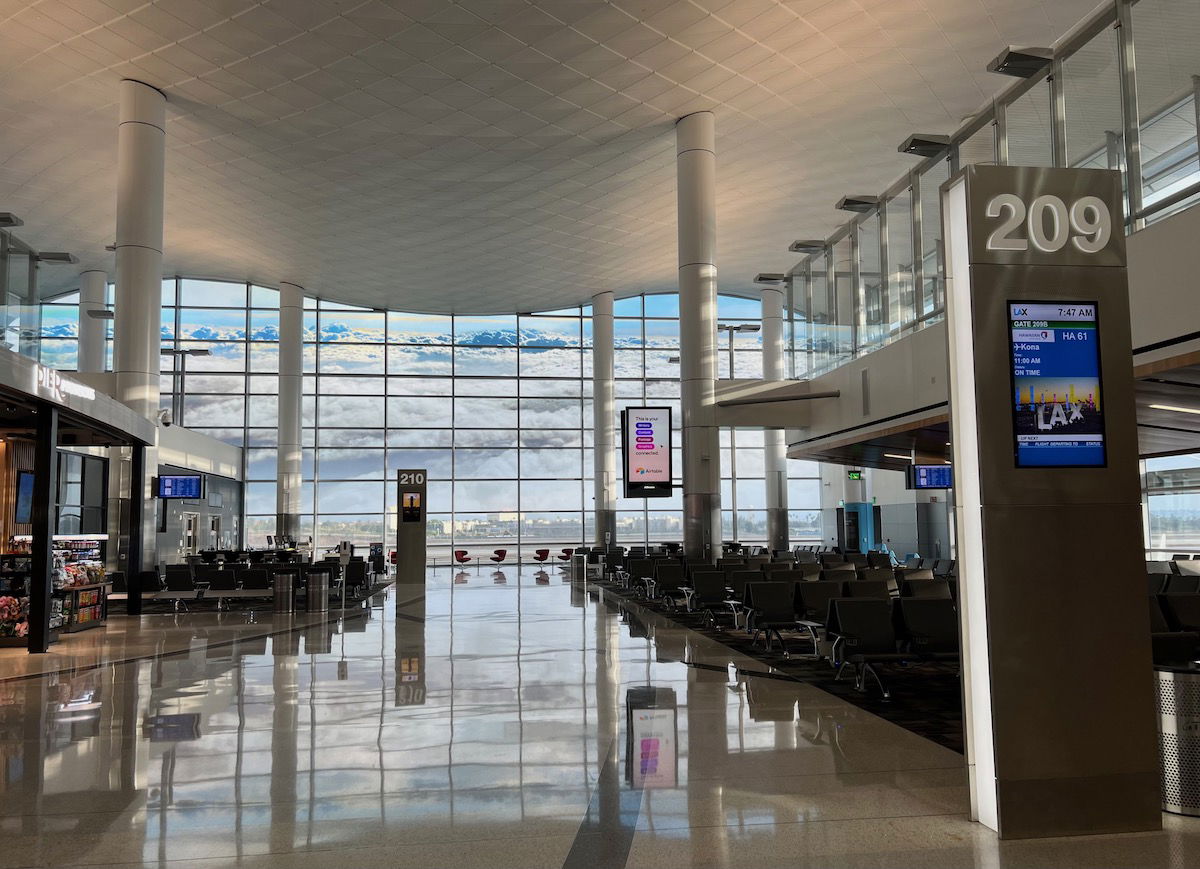
Bottom line
Delta really seems to be serious about growing its presence at LAX. We’ve seen the airline already announce some new long haul flying, and it sounds like there’s more on the way, along with a more comprehensive domestic network.
That’s all fair enough, and this growth is possible. My only concern is that I don’t think LAX is a market that can be “won.” Of course the “big three” US carriers all see the importance of having a presence there, but actually operating there profitably is challenging, given the amount of competition.
It just seems like all the long haul flying that Delta is looking at adding will be rather unprofitable, given that it’ll go head-to-head against foreign carriers with much lower cost structures, all while having to price attractively, and not actually having majority market share at the airport. This will definitely be something to watch…
What do you make of Delta’s LAX goals?