


A Delta Connection has been involved in an incident where the aircraft slid off the runway at Des Moines airport in Iowa, US. No passengers or crew members onboard were injured, but the incident is under investigation, with the aircraft still on site, resulting in the airport having suspended operations.
Reports suggest that the aircraft can only be moved once the investigators from the NTSB have released the aircraft, after which the airport should be able to resume operations.
Endeavor’s CRJ-900 Slides Off The Runway

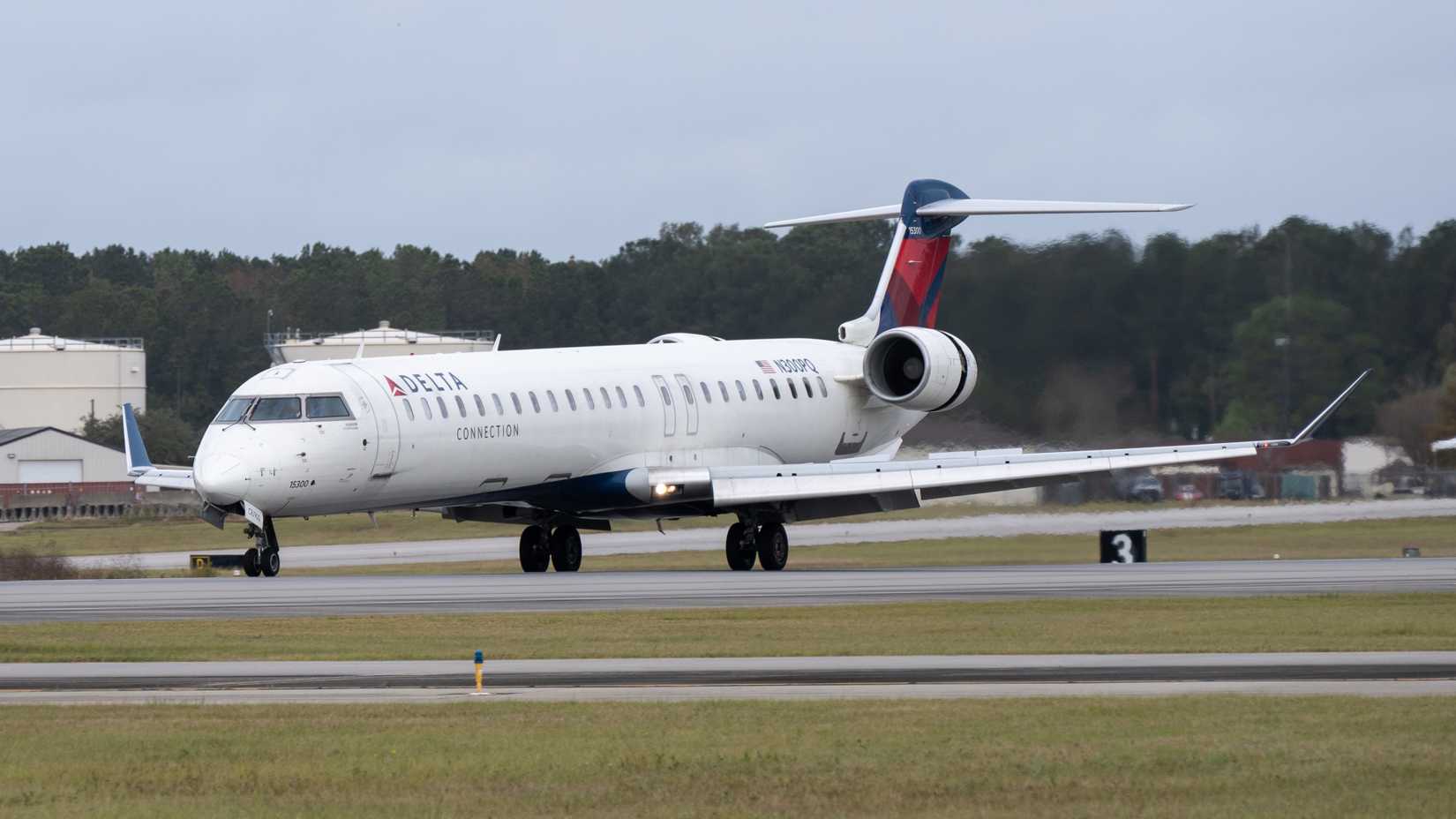
On Saturday night, a CRJ-900 aircraft operated on behalf of 

Data from FlightRadar24 shows that the aircraft involved is 12 years old, and that the aircraft was inbound from Detroit, Michigan, which was the aircraft’s sixth flight of the day. The aircraft landed at the airport with just over 30 minutes of delay and landed on Runway 31, which is one of the two intersecting runways at the airport.
Simple Flying has reached out to Delta to know more about the incident and the condition of the aircraft. Any response received will be updated in this article. The WHO News Radio reported the following statement from an airport spokesperson,
“The aircraft remains on pavement at this time and will be moved once it is formally released by the National Transportation Safety Board.”
More About The Aircraft Involved


The aircraft involved in this incident is a Bombardier CRJ-900 regional jet, and is operated under Delta’s regional brand, Delta Connection. Data from Planespotters.net shows that the airframe was delivered in December 2012 and has remained operational under Endeavor Air ever since, operating flights on behalf of Delta.
According to the airline’s fleet page, Endeavor has the type configured to carry either 70 or 76 passengers across three cabin classes, with Delta First accommodating 12 seats and Delta Comfort accommodating 20 seats in either configuration. The key difference is seen in the main cabin, wherein, in one configuration, there are 38 seats, while the other configuration is denser with 44 seats. In the social media post embedded below, it was stated that there were a total of 56 people onboard the aircraft, including passengers and crew members.
Considering the weather report showing the airport was experiencing a snowstorm at the time of the incident, it is a very real possibility that the weather, such as wind and snow, was a contributing factor in this incident, paired with the fact that the aircraft landed at 21:29, which would suggest the visibility would not have been optimal either. Data from the official investigation conducted by the NTSB should be able to provide a full timeline of the incident.

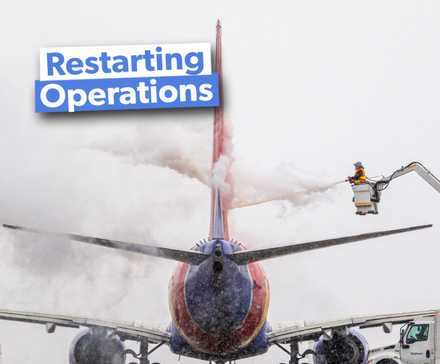
How Do Airports Rebound After A Major Snowstorm?
Airports must have weather response teams to manage inclement weather operations effectively.
Snow Can Be Disruptive And Dangerous

The weather is a major source of operational delays and disruptions all around the world, and snow or ice can be particularly challenging. Snowing at airports can result in runways and taxiways being covered in snow, which would then have to be cleared to ensure safe ground operations. This can obviously be time-consuming, especially if the weather conditions result in continuous snowfall, which can often result in airlines having to cancel flights or sometimes even result in airports suspending operations.

Furthermore, snowy conditions can also lead to ice buildup on aircraft surfaces, and this can be especially dangerous if ice starts building on the wings, as this can severely impact the aircraft’s ability to generate lift on take-off, and has also been a factor in aircraft crashes in the past. While airlines and airports have procedures to de-ice aircraft, in such situations, it can still result in considerable delays and disruptions. However, as with everything in aviation, safety takes first priority even if it means operational disruptions.
source