


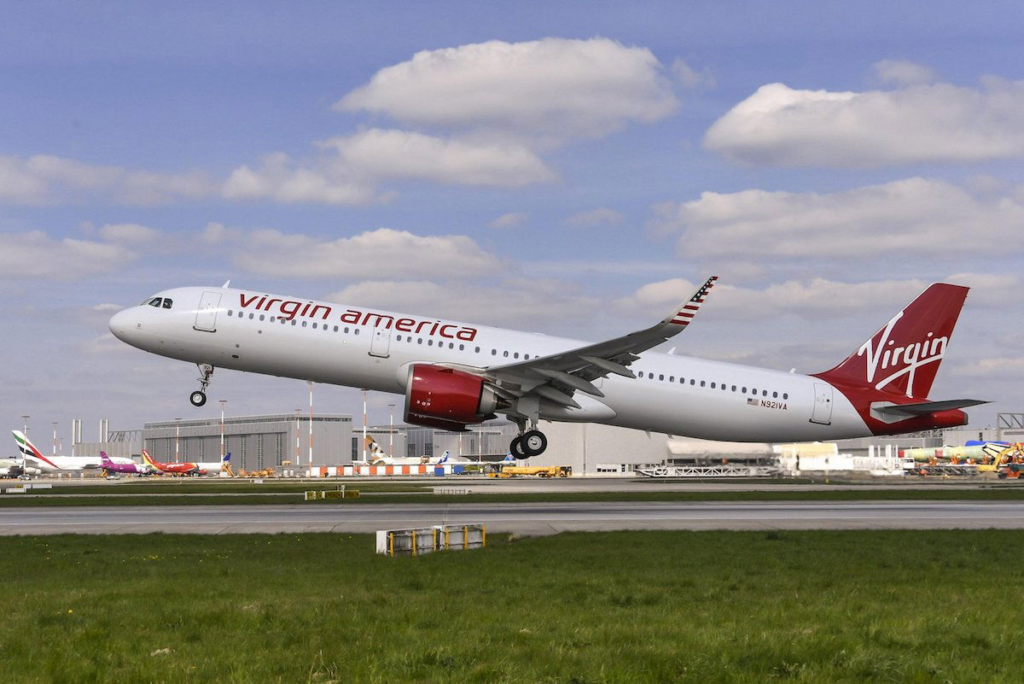
In 2023, Virgin Group won a $160 million lawsuit against Alaska Airlines, over a trademark dispute. Alaska is still trying to get this overturned, and it now involves Delta Air Lines, with a rather interesting angle. While we knew what Alaska was trying to do, there’s now an update, as a court has approved Alaska’s request.
Basics of Alaska & Virgin Group $160 million dispute
In 2018, Alaska Airlines and Virgin America merged in a $2.6 billion deal. Even though Richard Branson’s Virgin brand has great name recognition, Alaska chose to maintain its own identity, and stopped using the Virgin America brand. That’s where the dispute originated.
Back in 2014, Virgin Group and Virgin America entered into a licensing agreement, whereby the airline would have to pay a minimum of $8 million in annual royalties to Virgin Group every year through 2039, for using the Virgin brand.
When Alaska stopped using the Virgin brand, the company believed it no longer had to pay those royalties, arguing it was “commercially nonsensical,” especially with a change in ownership. Not only was the name not being used, but Virgin America didn’t exist anymore as a company. As you’d expect, Richard Branson and Virgin Group had a different take, and believed that the royalties still had to be paid, even if the name wasn’t being used, and even if the company had been sold.
The lawsuit went on for years, and in 2023, a judge in London ruled in favor of Virgin Group, awarding the company a $160 million settlement. In the decision, the judge wrote that the minimum royalty was “a flat fee payable for the right to use the Virgin brand, whether or not that right is taken up.” The judge also added that the agreement “must be approached from the perspective of Virgin and Virgin America and not from the perspective of Alaska.”

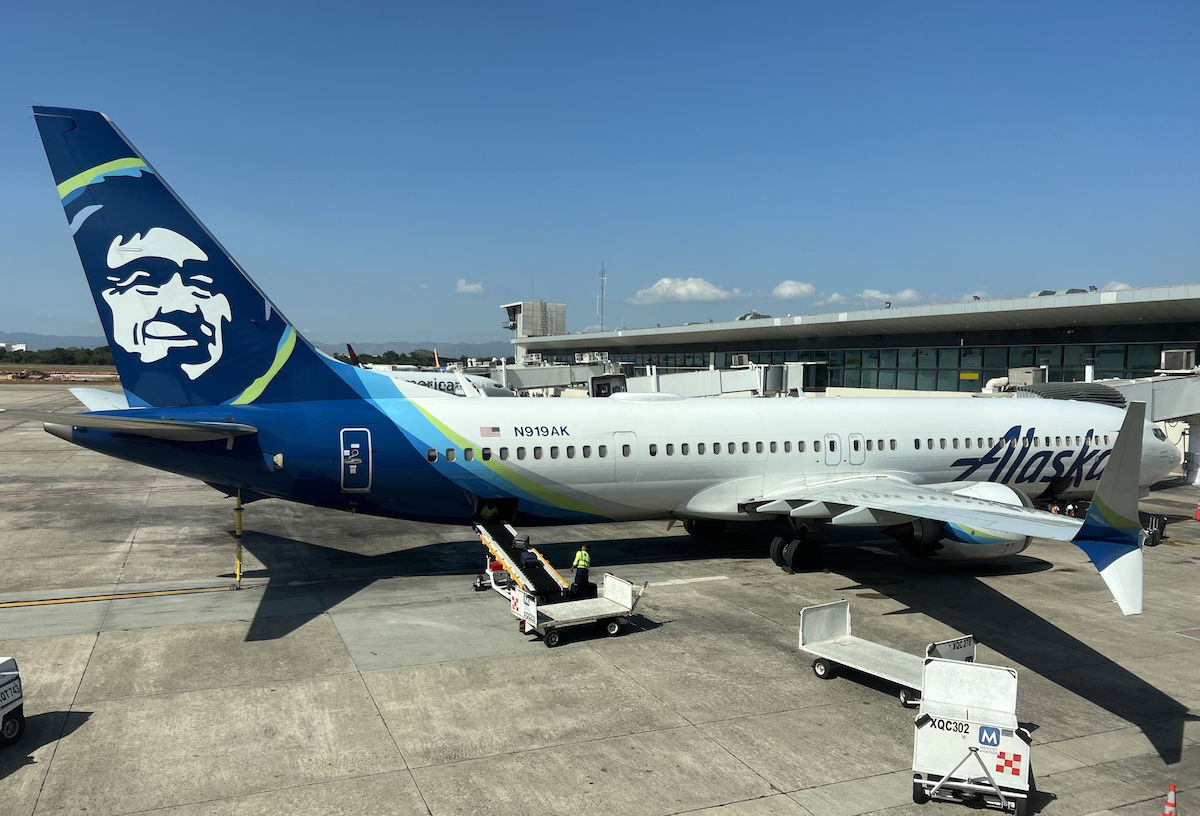
Alaska trying to get decision overturned with lawsuit
Obviously Alaska Airlines doesn’t want to keep paying $8 million per year all the way through 2039, if there’s any way to avoid it. So the company is continuing to try to dispute this judgment, and in recent times, the company has been trying to take a different approach.
The idea is that in exchange for the royalties, Alaska has the exclusive right to market domestic US flights with the Virgin branding (since obviously Virgin Atlantic and Virgin Australia also exist, in other markets). And even more specifically, the company has the right to exclude others from using the Virgin brand on US domestic flights, and in other select international markets.
Alaska is arguing that Virgin Atlantic is selling domestic US flights on Delta, and that this qualifies as marketing domestic flights with Virgin branding. In reality, Virgin Atlantic is only selling wholly domestic flights on Delta through its booking channels if redeeming Flying Club points. And those flights aren’t actually Virgin branded (award flights aren’t codeshares), but it just happens to be that you can use Virgin points to book Delta flights.
Because of that, Alaska is subpoenaing Delta for documents related to Alaska’s trademark dispute with Virgin Group. The reason that Delta is being subpoenaed is to determine the company’s involvement in the overall marketing and sales strategy.
A US District Court has now approved Alaska’s request to initiative discovery into Delta, and secure evidence for the lawsuit. Following the court order, Alaska will serve Delta with a subpoena for deposition testimony and documents and communications that are relevant to this partnership. In a statement, Alaska shared the following:
“Through its loyalty program with Delta Air Lines, Virgin Group has repeatedly infringed upon Alaska’s exclusive right to use the Virgin trademark in the U.S. We are pleased that the Court has granted our request to obtain discovery from Delta for use in our U.K. lawsuit against Virgin for breaching our trademark license agreement. This discovery will provide additional evidence of Virgin’s scheme and will help illustrate how Virgin’s conduct benefited both Virgin and Delta at Alaska’s expense and in violation of the trademark license agreement.”
This all goes way beyond my knowledge of international law. Does Virgin Atlantic using its marketing channels to promote Delta’s domestic flights using the Virgin name infringe on Alaska being forced to pay for the exclusive use of Virgin branding for domestic flights?
While I don’t think anyone believes that letting Flying Club members redeem Virgin Atlantic points on Delta causes any confusion, ultimately Alaska is paying for exclusivity that it doesn’t want, so you also can’t blame the company for doing what it can get out of this.
Virgin Atlantic makes money from the Flying Club program (and even more broadly, Virgin Group makes money from its Virgin Red loyalty program), and the ability to redeem on domestic Delta flights is one of the upsides of the program. So it’s hard to argue that Virgin Group isn’t in any way benefiting from Virgin branding within the United States.

Bottom line
Alaska Airlines is still paying $8 million in annual royalties for use of Virgin branding, following the company’s acquisition of Virgin America back in 2018. While Alaska thought it was off the hook for these fees once it stopped using Virgin branding, a judge disagreed.
Now the airline is trying to get out of paying these fees by pointing out that its exclusive use of Virgin branding for domestic flights within the United States is being infringed upon, with Virgin Atlantic selling domestic Delta award flights through its booking channels. I’m curious if this ends up being a more successful argument for Alaska…
What do you make of this Alaska & Virgin trademark dispute?
source