


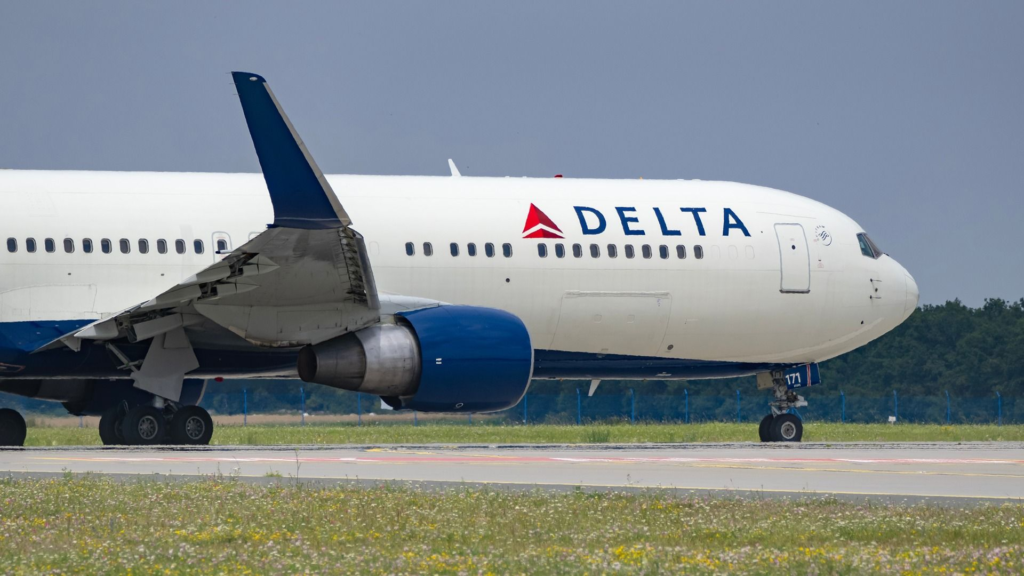


We see continued main cabin underperformance as a key risk factor for Delta going forward, especially in a market where competitors like 
Main Cabin Performance Is Clearly Delta’s Weak Link


At this week’s conference, Delta President Glen Hauenstein was quick to note that the main cabin was clearly the weakest link in Delta’s network, specifically when it came to transatlantic summer demand. Management’s tone was concerning to us, with Hauenstain noting that returns were “negative” and that this was unacceptable. Hauenstein stressed Delta’s continued lack of dependence on coach tickets, arguing that main cabin margins do not need to be positive in order for the airline to deliver solid results, according to Aviation Week.
In the near-term, Delta thinks that cutting down on off-peak main cabin capacity could help bring the airline’s yields in the cabin positive. The airline has continued to double down on its commitment to premium traffic, including a plan to expand Comfort+ seating. In the conversation (the full conversation can be found on Seeking Alpha, Hauenstein had the following words to share:
“I say that because I think it’s huge upside. At some point, that has to rationalize. And so that’s still to come on our forward-looking view is there will be rationalization of main cabin capacity. You’re seeing that real time. I believe it has to continue, and that should, over time, improve Main Cabin results.”
Is Delta Overexposed To Premium Traffic?
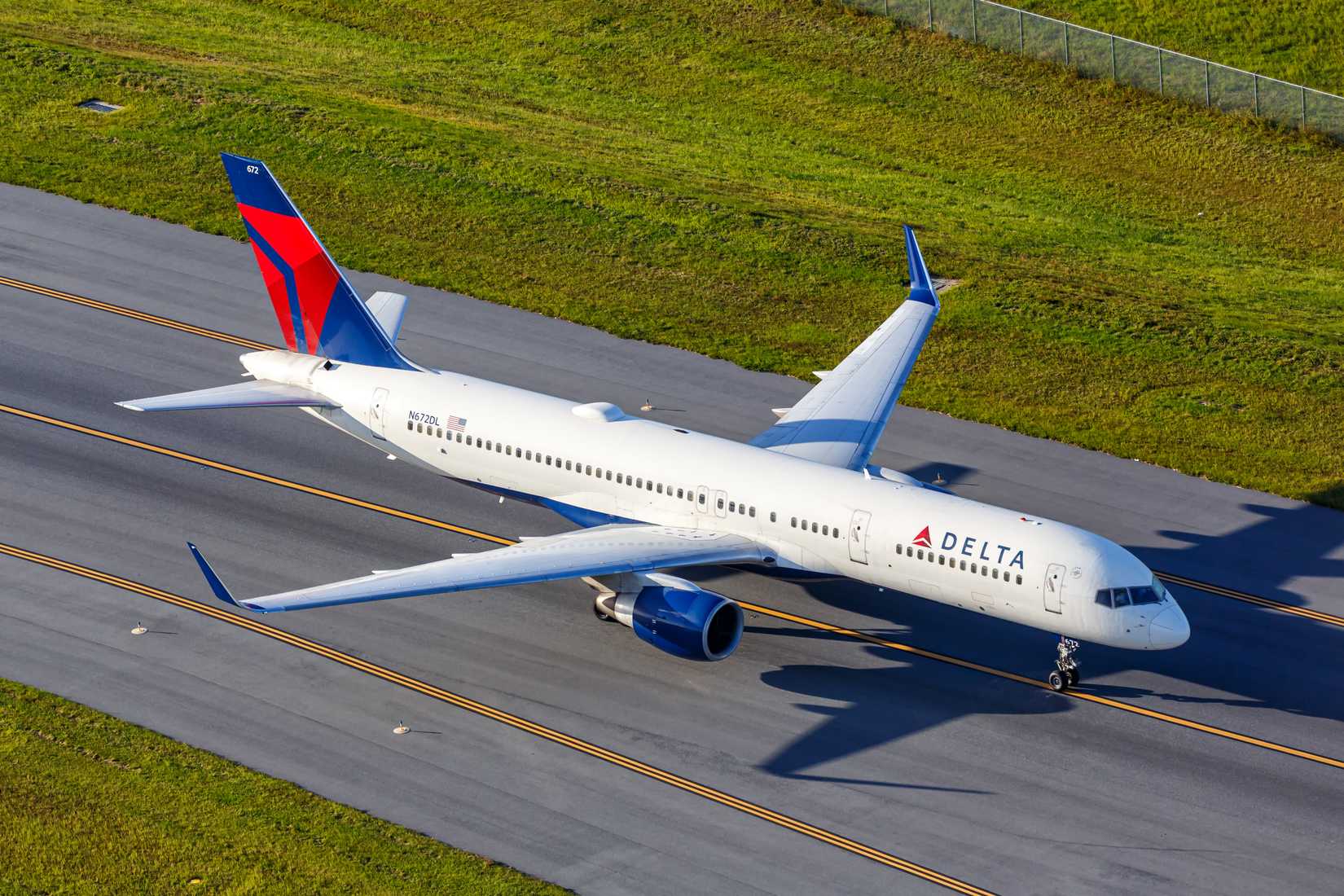
While we see Delta’s decision to push towards a larger mix of high-yield travelers, including those traveling on corporate budgets or high-end leisure travelers, as a natural response to the carrier’s disappointing main cabin performance, we do believe it opens the airline up to some risks. High-end travel has historically been the first customer segment to pause during recessions or business cycle droughts.
This move also concentrates Delta’s exposure to a set of products that struggles with higher capital expenses, including the cost of refitting widebody aircraft and upgrading lounges. Any operational slip-ups will erode customer willingness to pay for these high-end products.
Premium demand can be thinner or more seasonal on long-haul routes that cater to high-end leisure travelers. A smaller main cabin base gives Delta fewer yield management levers to pull in the event that premium traffic conditions take a turn for the worse.
United Airlines Is Not Experiencing These Challenges


Peer analysis highlights why Delta’s main cabin underperformance is concerning to us. United Airlines has seen main cabin yields remain steady, leaning into scale by aggressively expanding capacity into areas where price-sensitive demand remains.
Delta Air Lines admitted that main cabin margins are negative while United is mostly signaling the reverse. United is also not doing so at the expense of capturing any premium-oriented valuation upside.
|
Airline: |
Strategic Decision: |
|---|---|
|
United Airlines |
Diversify exposure and generate margin expansion across all cabins |
|
Delta Air Lines |
Double down on premium cabin margin growth |
As a result, we see Delta as more exposed to shifts in premium demand than United. Delta’s commentary this week highlights a further shift towards a premium focus, leaving fewer levers to pull as the airline looks to defend its market share while also growing margins in economy cabins.




- IATA Code
-
DL
- ICAO Code
-
DAL
- Year Founded
-
1929
- CEO
-
Ed Bastian
source