


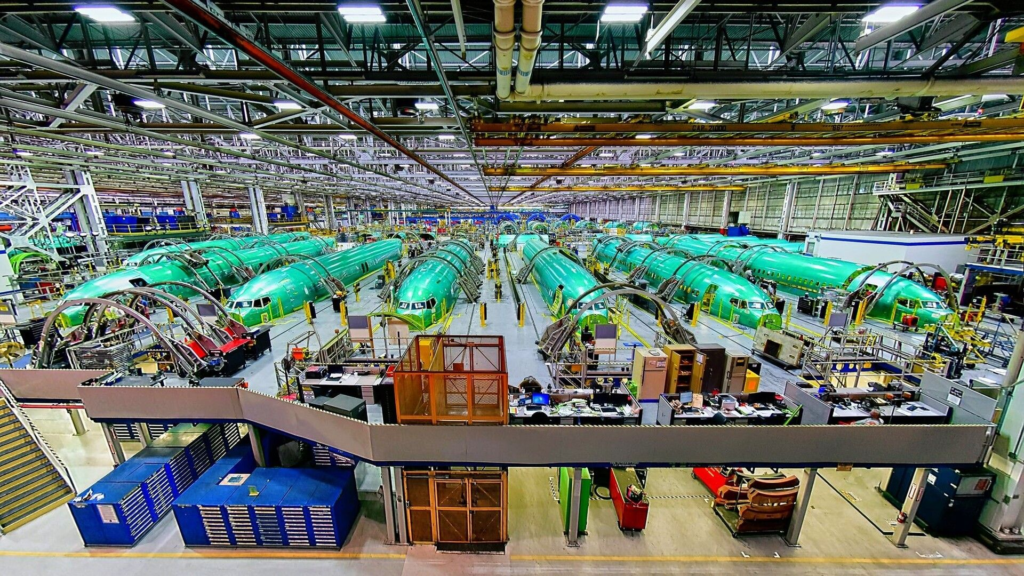


The delay is primarily tied to the regulatory approvals that are necessary in Europe. Spirit AeroSystems also produces major components for Airbus, and the European manufacturer plans to acquire a portion of Spirit’s operations to ensure that it doesn’t become beholden to its competitor as a supplier. Both the European and UK regulatory watchdogs have therefore been investigating the deal to ensure that is poses no threat to competition in the aviation sector.
The Progress Made So Far

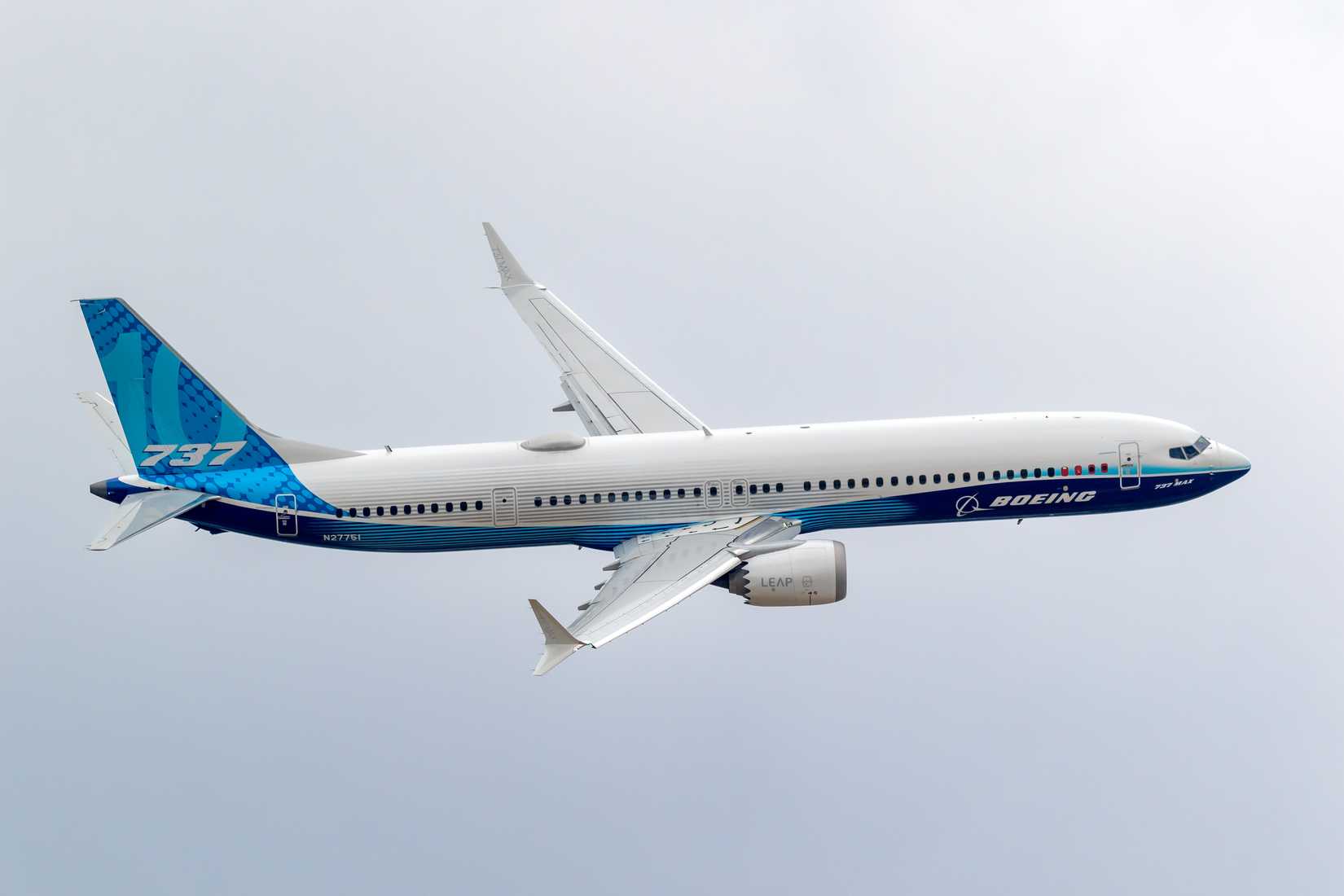
On July 1, 2024, Boeing and Spirit AeroSystems entered into a definitive all-stock agreement under which Boeing will acquire Spirit for an equity value of about $4.7 billion. However, the deal is not straightforward. Spirit also builds A220 wings and A350 fuselage parts, so Airbus has struck a parallel transaction to acquire those portions of Spirit that are contracted for its own production. The result is a pragmatic, if unusual, industry compromise: Boeing regains its former division and tighter control over its most critical supply chains, while Airbus safeguards its wing and fuselage production.
Most importantly, the parallel Airbus deal ensures industry balance, allowing Boeing to avoid antitrust backlash over European-bound work packages. That’s how the UK’s Competition and Markets Authority (CMA) saw it, which recently approved the deal after finding that it would not result in a substantial lessening of competition within the market.
What remains is regulatory approval by the European Commission and the FTC. The latter is already moving forward, with Spirit AeroSystems noting in its most recent earnings call that it and Boeing have received a “second request” for information under the Hart-Scott-Rodino Act. Boeing CEO, Kelly Ortberg, has expressed confidence that the FTC will approve the deal, saying:
“We’ve all seen the criticality of Spirit’s performance to our performance. It’s hand in glove, and having that a part of our organization is going to be a big uplift and strategic lift for us to continue to manage that. We believe this deal is in the best interest of the flying public, our airline customers, the employees of Spirit and Boeing, our shareholders and the country more broadly.”
The European Hold-Up

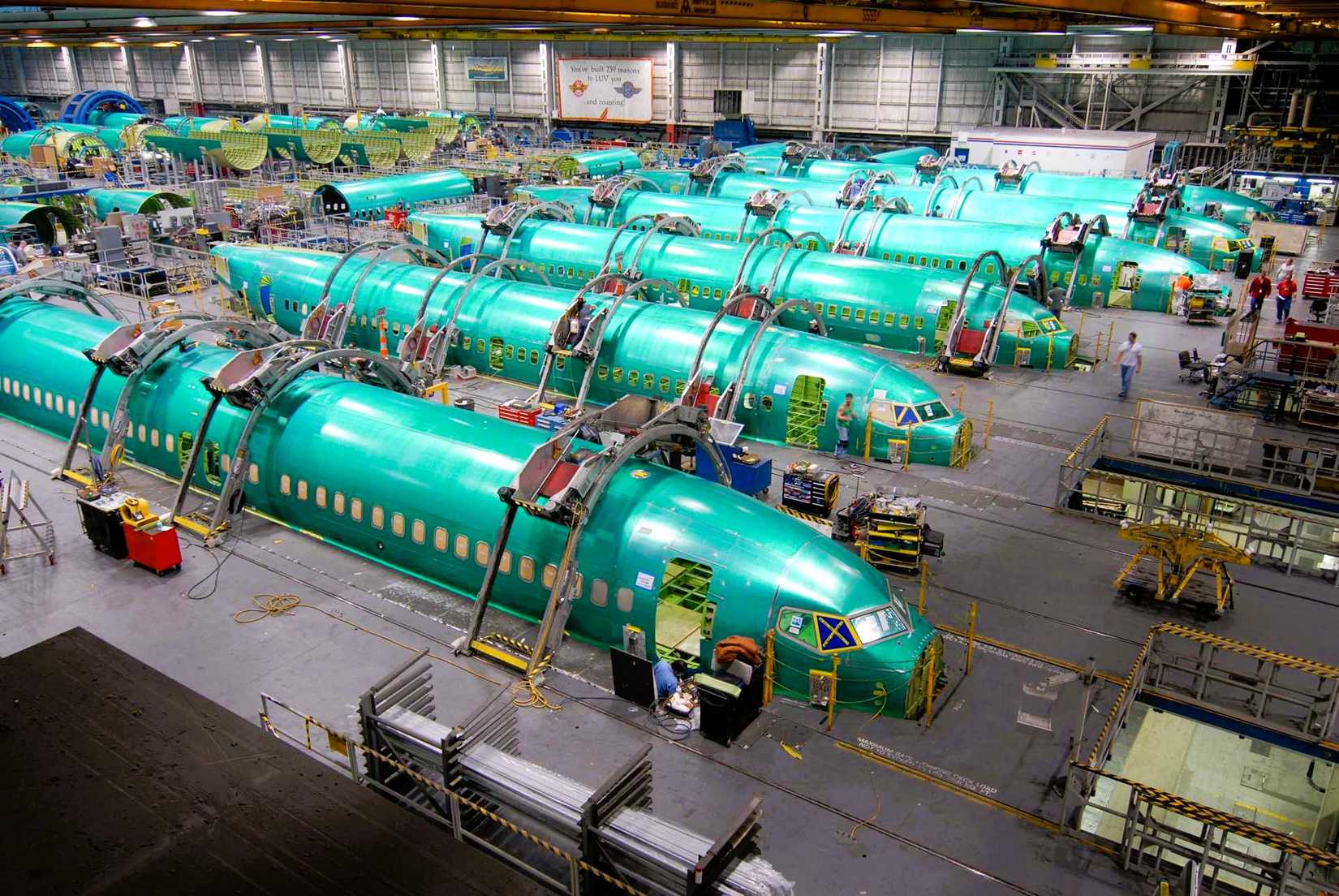
The hold-up is now getting that same approval from the European Commission. EU regulators initially planned to issue a decision by today, but that deadline has since been moved back two weeks to October 14. Industry experts are speculating that it could be pushed out further, putting the already-delayed target closing date of the end of 2025 in jeopardy. Reuters also reports that in a bid to avoid any further delays, Boeing has offered the EU Commission some unspecified remedies in order to secure its approval.
There is also the fear that should the European Commission have material concerns with the deal, it would lead to them automatically launching a four-month investigation. That would undoubtedly push the closing of the deal well into the new year. However, on a positive note, the Commission will likely be assured by the fact that Airbus is not expressing any competitive concerns about the deal. Quite the opposite. Airbus CFO, Thomas Toepfer, recently stated strong support for the deal, saying:
“We obviously would like the transaction to close as quickly as possible. On our side, all the operational preparations that we’re taking in terms of taking over management control, in terms of all the transitional service agreements, we’re making very good progress.”
How Spirit AeroSystems Will Ultimately Be Split
While Boeing will be acquiring the bulk of Spirit AeroSystems, Airbus is taking on those assets and facilities related to its own programs. Examples are the facility in Belfast, Northern Ireland, which primarily produces wings for the Airbus A220, and the plant in Prestwick, Scotland, which assembles wings for the Airbus A320 and Airbus A350. Boeing will be integrating the largest Spirit facilities in Wichita and Tulsa.
|
Spirit AeroSystems Facility |
Primary Manufacturing |
Buyer |
|---|---|---|
|
Belfast, Northern Ireland |
A220 wings |
Airbus (Boeing purchasing non-Airbus assets) |
|
Biddeford, Maine |
Carbon and ceramic composites |
Tex-Tech Industries |
|
Casablanca, Morocco |
A220 and A321 fuselage sections and doors. |
Airbus |
|
Dallas, Texas |
Fuselages, pylons, and wing structures |
Boeing |
|
Kinston, North Carolina |
A350 fuselage sections |
Airbus |
|
Prestwick, Scotland |
A320 and A350 wing components |
Airbus |
|
Saint-Nazaire, France |
A350 fuselage sections |
Airbus |
|
Subang, Malaysia |
Advanced composites |
Divestment |
|
Tulsa, Oklahoma |
737 and 787 fuselages and wing components |
Boeing |
|
Wichita, Kansas |
737 fuselages, wings, pylons, and nacelles |
Boeing |
|
Woonsocket, Rhode Island |
Specialized materials for the defense industry |
Tex-Tech Industries |
The Boeing–Spirit AeroSystems takeover is one of the most significant aerospace consolidations in decades. It is driven by necessity, shaped by compromise, and fraught with risk. For Boeing, the deal represents a bold attempt to fix systemic supply chain problems. For Airbus, it is a defensive maneuver to protect its production from reliance on a competitor. While delayed, the deal will likely go through in the coming months, and Simple Flying will continue to bring you all the updates.
source