



After three decades of international flying, jet lag remains the biggest operational and personal challenge for me and all international aircrew. Jet lag’s correct name is Trans-meridian Circadian Dysrhythmia. Trans-meridian refers to the fact that you’ve crossed multiple time zones (meridians). The more you cross, especially eastbound, the worse the effect.
Circadian refers to your body clock, which is normally aligned to a 24-hour rhythm of light, dark, sleep, digestion, hormones, and core temperatures, while dysrhythmia means a disruption or misalignment of that rhythm. Put these together, and it literally means “a disruption of the body’s natural daily rhythm caused by crossing time zones.”
Aviation medicine, sleep specialists, and FAA documents all use similar terminology, although ‘jet lag’ is the everyday term. This article will explore how jet lag impacts pilots and the ways in which it can be combated.
Aviation Is A 24/7 Business


Thoughtfully structured flight schedules and rosters can significantly reduce the impact of jet lag for crews. However, the commercial reality of airline operations means that schedules are primarily built around customer demand and aircraft utilisation. Long-haul passengers prefer overnight services that arrive early in the morning, and airlines naturally design schedules that keep their multi-million-dollar aircraft in the air as much as possible.
For most carriers, the optimum is having an aircraft airborne for 15 to 17 hours out of every 24, which is great for efficiency, but not always ideal for circadian rhythm management. One aircraft might land in London from JFK and, just two hours later, be heading back across the Atlantic to Orlando. Another may arrive from Lagos and then turn around for a flight to Delhi.
As soon as the inbound passengers and crew disembark, ground teams move in: cleaners, caterers, engineers, and a fresh crew arrive to prepare for the next sector. Within 60 to 90 minutes, new passengers are boarding, and barely two hours after touchdown, a 400-seat long-haul airliner is pushing back for yet another journey across continents and time zones.
How Travel Impacts The Body Clock


For the aircraft, time zones mean nothing, but for us humans, they mean everything. Crossing multiple time zones disrupts our internal biological clock, and this ‘trans-meridian circadian dysrhythmia’ is far more pronounced when travelling East than West, simply because of the way our body clock naturally runs longer than 24 hours.
Scientific studies show that our internal body clocks run slightly longer than 24 hours. In practical terms, this means we naturally prefer longer days, staying up a little later, and waking up later. Travelling West extends the day, which aligns with this biological preference and is generally easier for the body to adapt to. Travelling East, however, shortens the day and forces the body to sleep and wake earlier than it naturally wants to, making eastbound jet lag far more challenging.
Flying East

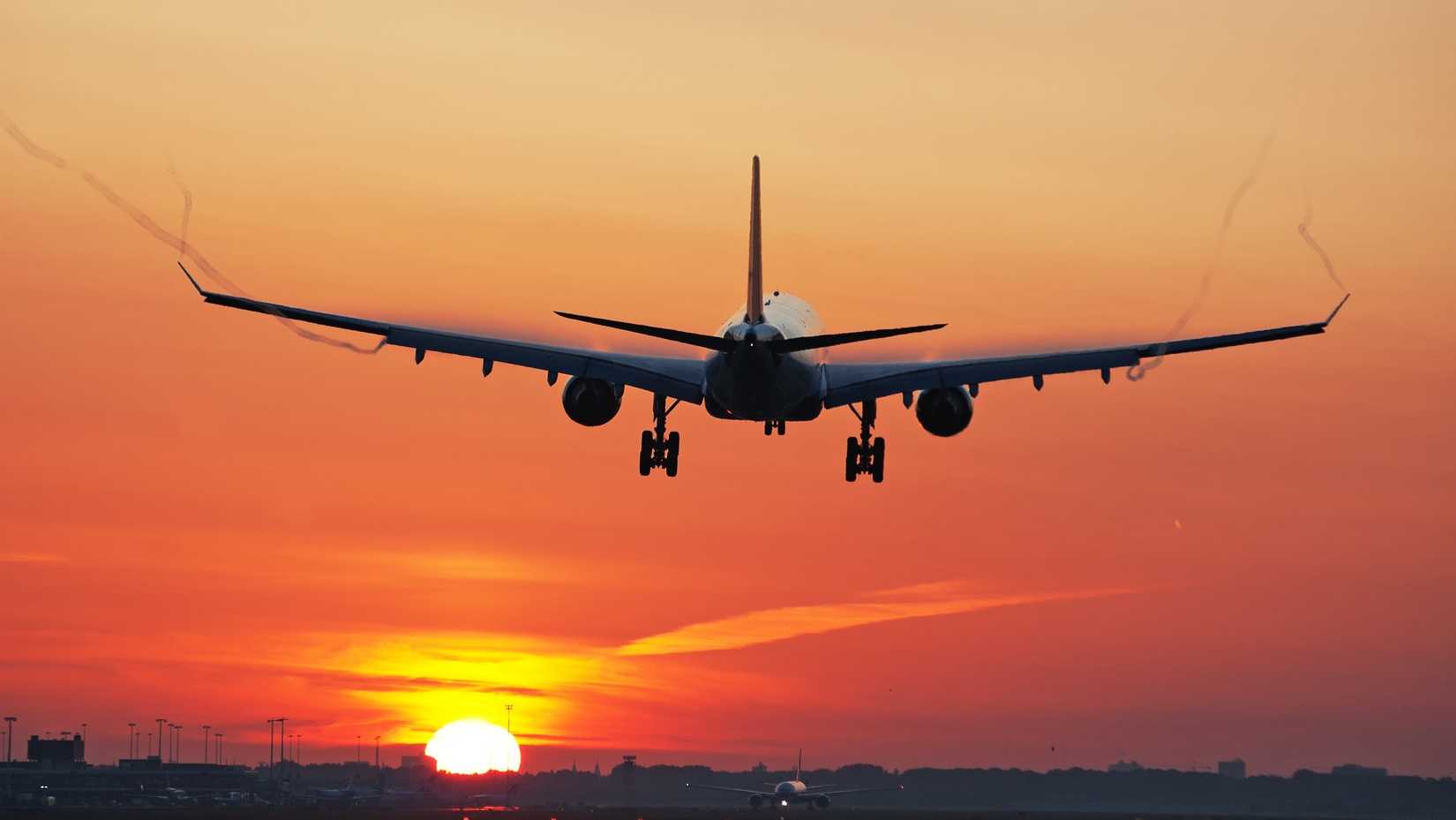
Last week I flew from London to Delhi. We took off at 19:00, flew eight hours through the night, and landed at 08:30 local time, which, for my body clock, was 03:00. We descended straight into the sunrise with sunglasses on, and by the time I reached the hotel, it was a warm, bright, beautiful mid-morning. My body was saying “go to bed, it’s the middle of the night,” but my mind was saying “it’s a new day, stay awake.” This is the classic long-haul dilemma: do you listen to your body or your head?
Most people will say “listen to your body,” and that’s great advice if you live in one time zone. However, when you move between several every month, it’s not always that simple. If I follow my body and go straight to sleep at 10:00 local, I’ll wake around 14:00 and have a nice afternoon, but then spend the entire night wide awake, staring at the ceiling, because my body still thinks it’s early evening in London. This leaves zero chance of decent, restorative sleep.
However, if I follow my head and treat the arrival day as a brand-new day, everything changes. Delhi was sunny, and three other crew members were heading out sightseeing, so I joined them. I later met some local planespotters, then grabbed dinner back at the hotel, and finally got to bed around 21:00. After a quick call home, I was out like a light. I didn’t get to bed a full 10 hours before the wake-up call, but still managed a solid, high-quality sleep.
Flying West

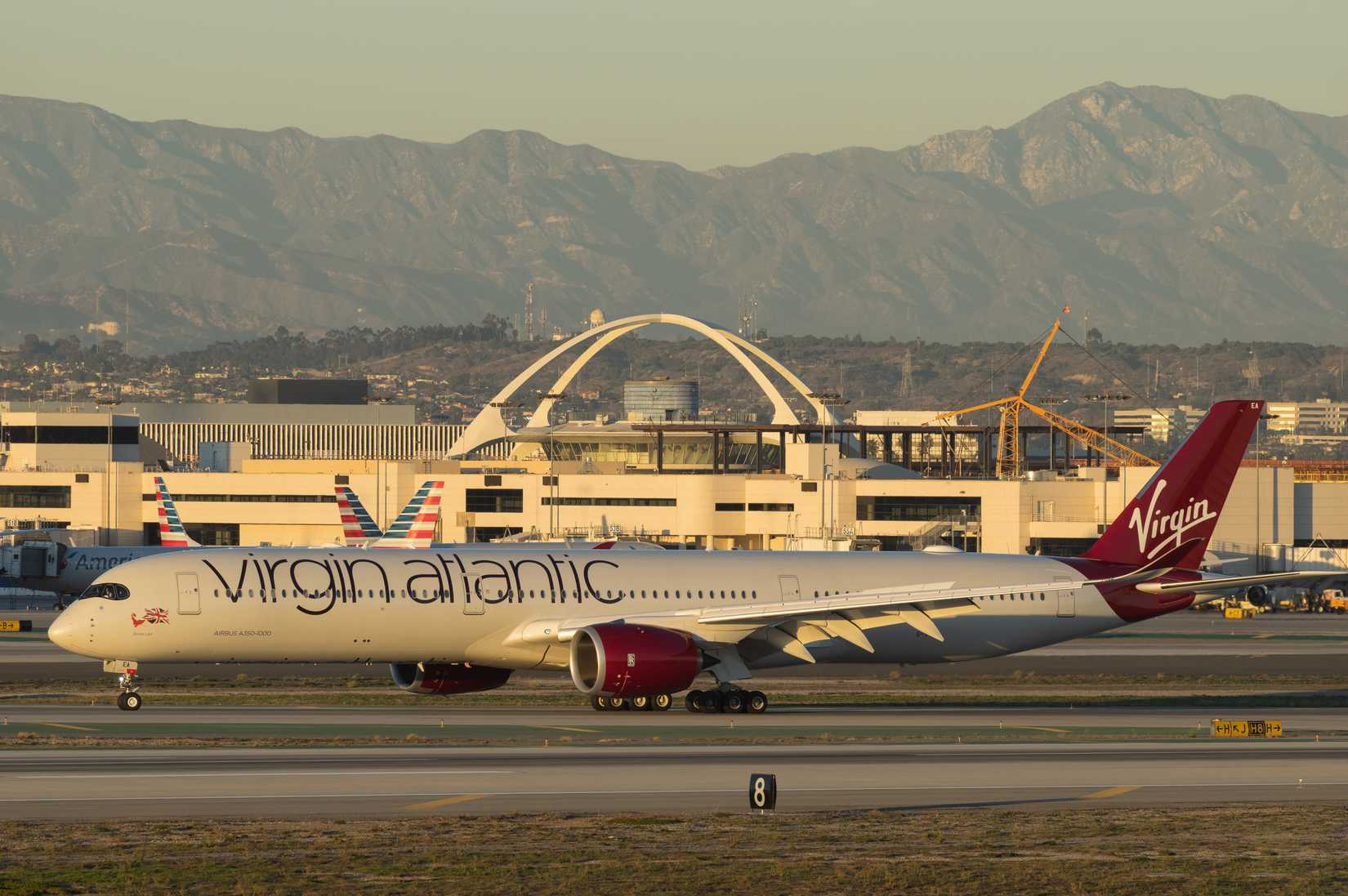
On a typical London to Los Angeles flight, we leave Heathrow in the late morning or early afternoon and fly 10 hours to LAX. However, with an eight-hour time difference, it feels like we land just a couple of hours after we took off. So, after a 12-hour duty day, we still arrive in the afternoon. Like I’ve said before, westbound flying plays perfectly into our natural tendency to stretch the day.
For me, that means dropping my bags at the hotel, joining the crew for sundowners at a beach bar, and going to bed at a normal US time, around 21:00. I never remind myself that 21:00 in LA is 06:00 back in the UK, as that messes with my head. By sticking to local LA time, I’m usually up well before dawn. I can call family in Europe or Australia, then head out for a sunrise jog along the beach and make the most of a full day in LA.
Most of our LA layovers are 48 hours, so I get a proper full day to enjoy California, and the following afternoon, I’ll take a longer nap before the flight back to London.
Different Strokes For Different Folks

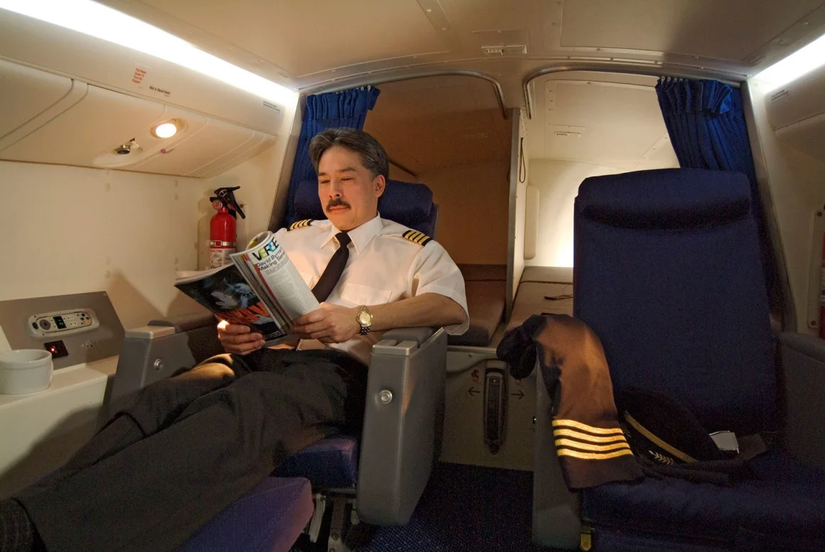
Sleep is incredibly personal, and every crew member handles it differently. On a three-pilot trip, we each manage to get a solid nap of two hours or so in the flight deck bunk. Meanwhile, the cabin crew are on their feet for almost eight hours, with only a 90-minute nap to recharge. Longer trips mean longer crew rest periods, but it’s only ‘rest,’ and this can never fully substitute a night’s sleep.
Some crew prefer to stay on UK time, and on certain routes, that can work. Some of the younger crew swear they can sleep for 14 hours straight, something I thought only cats and koalas were capable of. However, the whole reason I chose long-haul flying was to see the world, and you can’t exactly visit local landmarks at 03:00 and call it sightseeing.
My Strategy

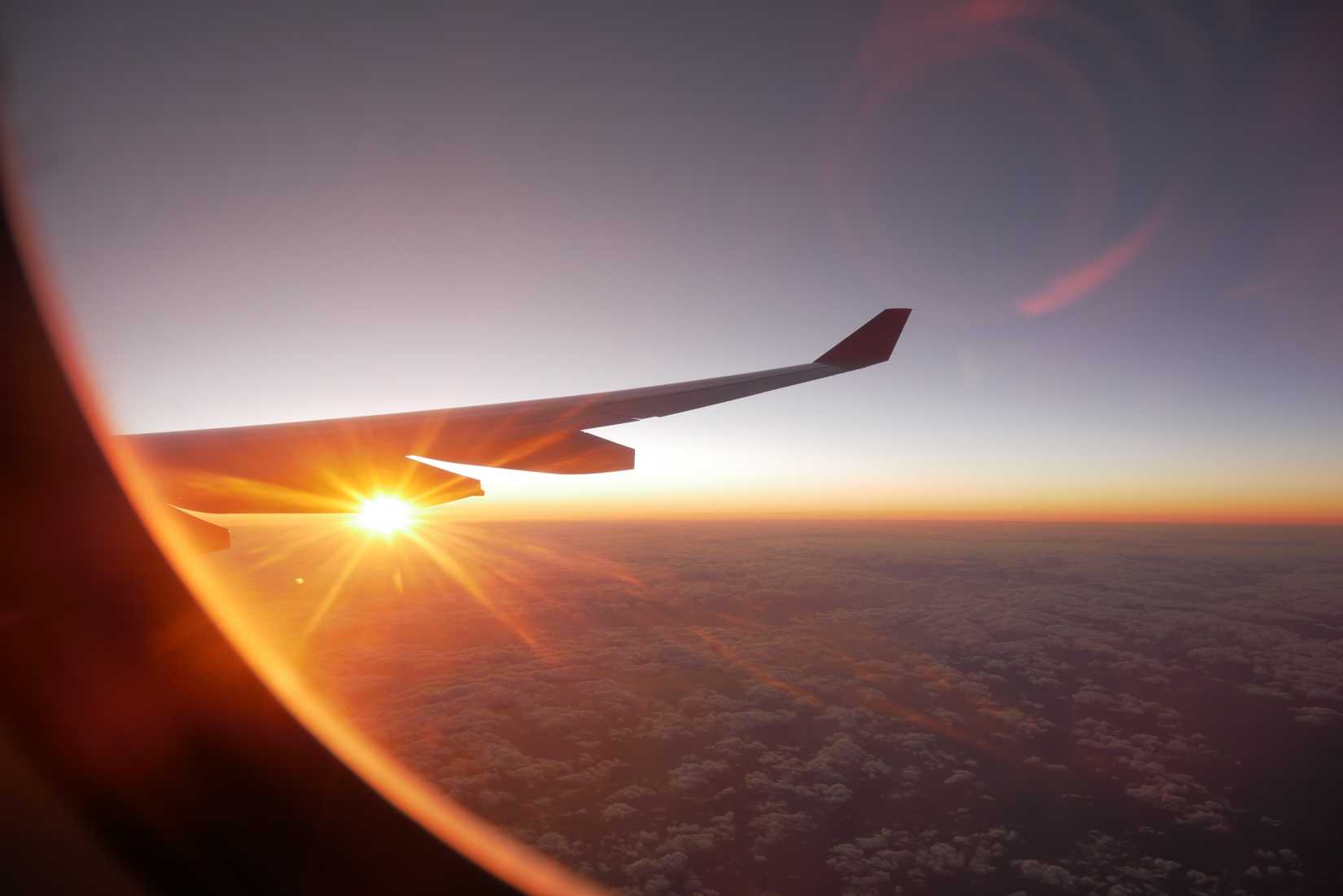
Here’s my personal approach, and I really do mean personal, because every crew member is different. I’ve never worn a watch. It’s a single-function device and, more importantly, I don’t want to know what time it is back home. I prefer to live in the time zone I’m standing in. If it’s dawn, it’s time for a walk or a run. If it’s breakfast time, I eat breakfast. And if the sun is setting, it’s time for a cocktail on the beach, unless I’m flying within 12 hours, of course.
Every trip has its own sleep/wake rhythm, but my general rule is simple: as soon as I land, my iPhone switches to local time, and so do I. I try to align myself with the new day as quickly as possible, and, for me, that’s the difference between fighting jet lag and staying one step ahead of it. I’ve also perfected the art of the tactical nap.
This can be a quick doze on the crew bus, a power nap in the back of an Uber, or a short rest in my room between activities. It never lasts more than an hour, but it is just enough to reset/recharge without sabotaging my proper nighttime sleep. This approach won’t work for everyone, but after decades of jumping across time zones, it’s the method that keeps me functioning, rested, and enjoying the destinations I’m lucky enough to visit.
source