


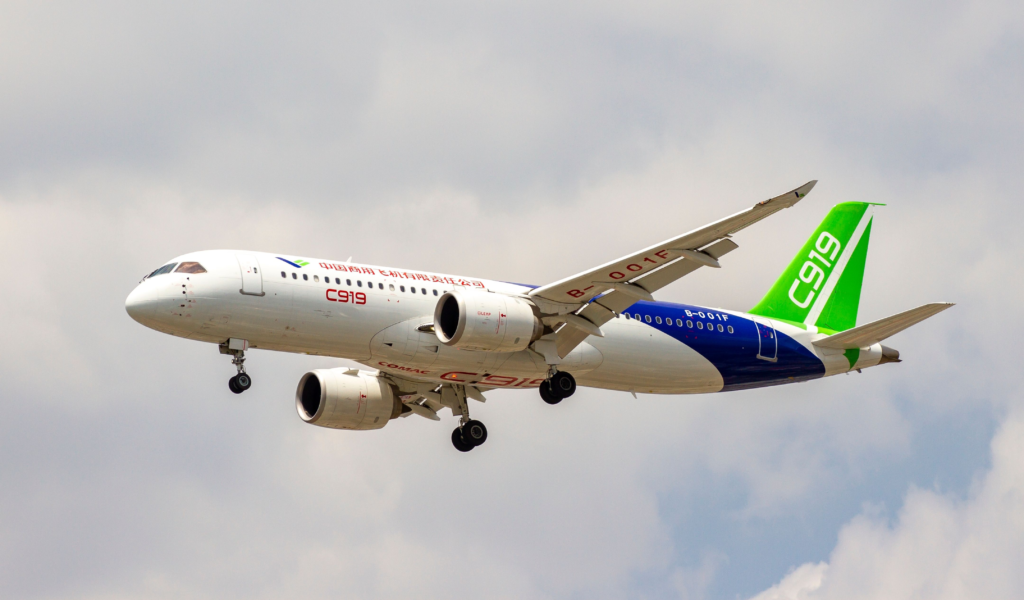
With China’s own Comac C919 aircraft facing delivery delays, mostly due to supply chain issues, reports indicate that the three major carriers within the country could be potentially moving towards a deal with Boeing, despite the geopolitical complications between China and the United States.
While disruptions to the delivery schedule of the C919 could benefit both Western aircraft manufacturers, as far as the Chinese carriers are concerned, Boeing is likely to benefit more than Airbus due to aircraft backlog and aircraft production rates.
Production Cut-Backs And Supply Chain Issues

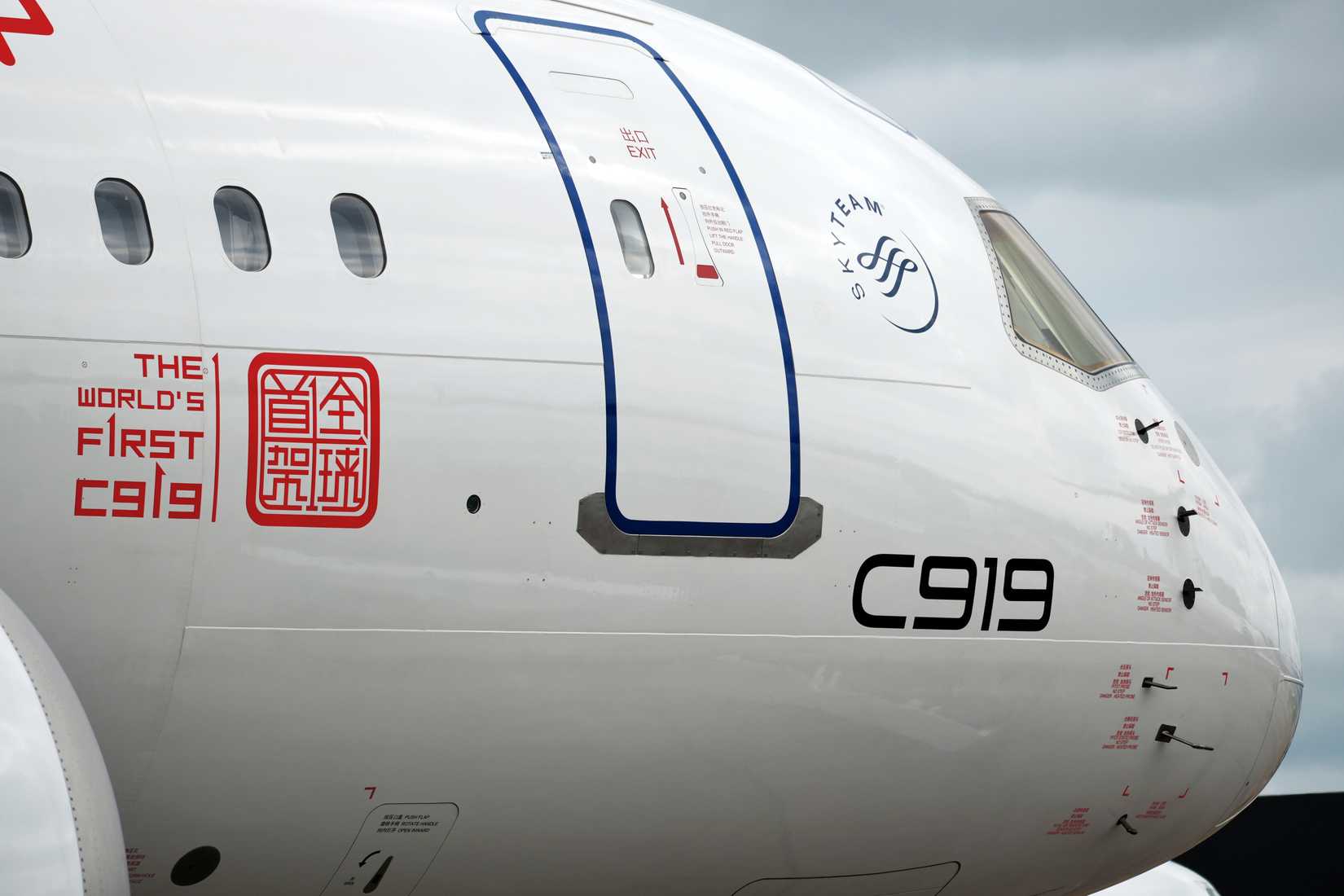
The C919 is the answer for the Chinese manufacturer, Comac, which hopes to gain market share from the duopoly held by Airbus and 

However, in late September, the manufacturer significantly reduced this number significantly down to 25 aircraft. Translating these values to expected deliveries from the three largest customers for the type, China Eastern Airlines, Air China, and China Southern, were expecting a combined delivery of 32 aircraft among them this year. However, as of September, only a total of five aircraft have been delivered to these customers.
|
Airline |
China Eastern Airlines |
Air China |
China Southern |
|---|---|---|---|
|
C919 deliveries expected in 2025 |
10 |
10 |
12 |
|
Number of C919s delivered (January – September 2025) |
1 |
2 |
2 |
Based on these figures, the manufacturer will have to produce up to 20 C919s in the coming months if it is to meet the revised target of 25 aircraft produced this year. The delayed delivery schedule, paired with the uncertainty of the target being met, has reportedly forced the three Chinese carriers to consider alternative options from Airbus and Boeing, as all three carriers operate both the A320 and the 737 family aircraft.
Comac cited the reason for the reduction in aircraft production rate as external geopolitical challenges from the United States, which affected the manufacturer’s ability to receive aircraft engines on time.
The Supply Chain Issue Created By The US

The engines that power the C919s at the moment are CFM International’s LEAP-1C engines, which are the only powerplant option available for the aircraft type. Variants of the LEAP engines, the 1A and 1B, are respectively used by the latest generation A320neo family (one of two options) and the 737 MAX variants (only option).
During the summer this year, when political and trade tensions escalated between the US and China, the former blocked sales of the engine type, as CFM International is a joint venture between US-based GE Aerospace and France-based Safran. This move by the US essentially cut off the only engine option available for the C919 aircraft type. While FlightGlobal has since reported the block of sales has been lifted, it still leaves the airlines with uncertainty for the aircraft type, at least until a suitable engine has been certified and domestically made available within China.
While progress is being made with regard to an alternative engine, the airlines in the meantime still need to grow their fleet and operations, and thus are turning to the Western manufacturer, particularly Boeing. While Airbus is also an option, due to the larger aircraft backlog for the A320 family aircraft, Boeing is currently working on ramping up its 737 production. While both manufacturers have had their fair share of delivery delays in recent years, reports suggest that the airlines believe they can receive new 737s faster than new A320s.
How Does The C919 Compare Against The A320 And The 737?


Production and delivery rates aside, a key reason why only Chinese carriers operate the aircraft type is that it has yet to receive certification from other regulatory bodies and thus cannot fly in key aviation markets such as Europe and North America. Despite this, Comac has received orders from carriers in Brunei and Cambodia.
But how does the aircraft compare against its Western counterparts? Aircraft specifications are as follows:
|
Aircraft |
Comac C919 |
Airbus A320neo |
Boeing 737 MAX Family* |
|---|---|---|---|
|
Maximum Capacity |
192 |
194 |
172 – 230 |
|
Operational Range |
4,075 km – 5,555 km |
6,300 km |
5,740 km – 7,040 km |
*The certification-pending -7 and -10 variants have been taken into consideration.
Based on these metrics, the C919 can be competitive in certain markets, but it is a new entrant into the market and therefore has a lot to prove and get certified in international markets to be a viable alternative to the 737s and the A320s.
source