


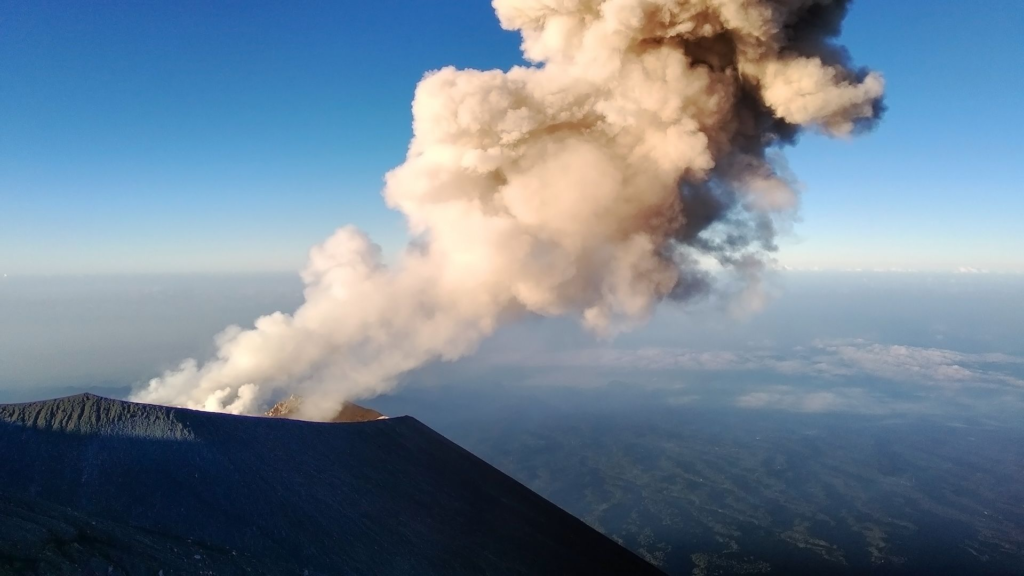
Mount Semeru in Indonesia has recently erupted violently, sending clouds of ash several kilometers into the sky and triggering a red aviation warning to be issued from Australia’s Volcanic Ash Advisory Center in Darwin. This highlights increased concern over how ash in the atmosphere could impact air safety. East Java raised the alert regarding the nation’s tallest volcano, issuing evacuations over concerns about ash, lava, and gas surging down the slopes and blanketing nearby villages.
Airlines flying between Australia and Southeast Asia have been warned to avoid the ash cloud, which can severely damage jet engines and critical aircraft systems. While no casualties have been reported so far, officials caution that further eruptions and aviation disruption are possible in the coming days.
A New Phase Of Explosive Activity

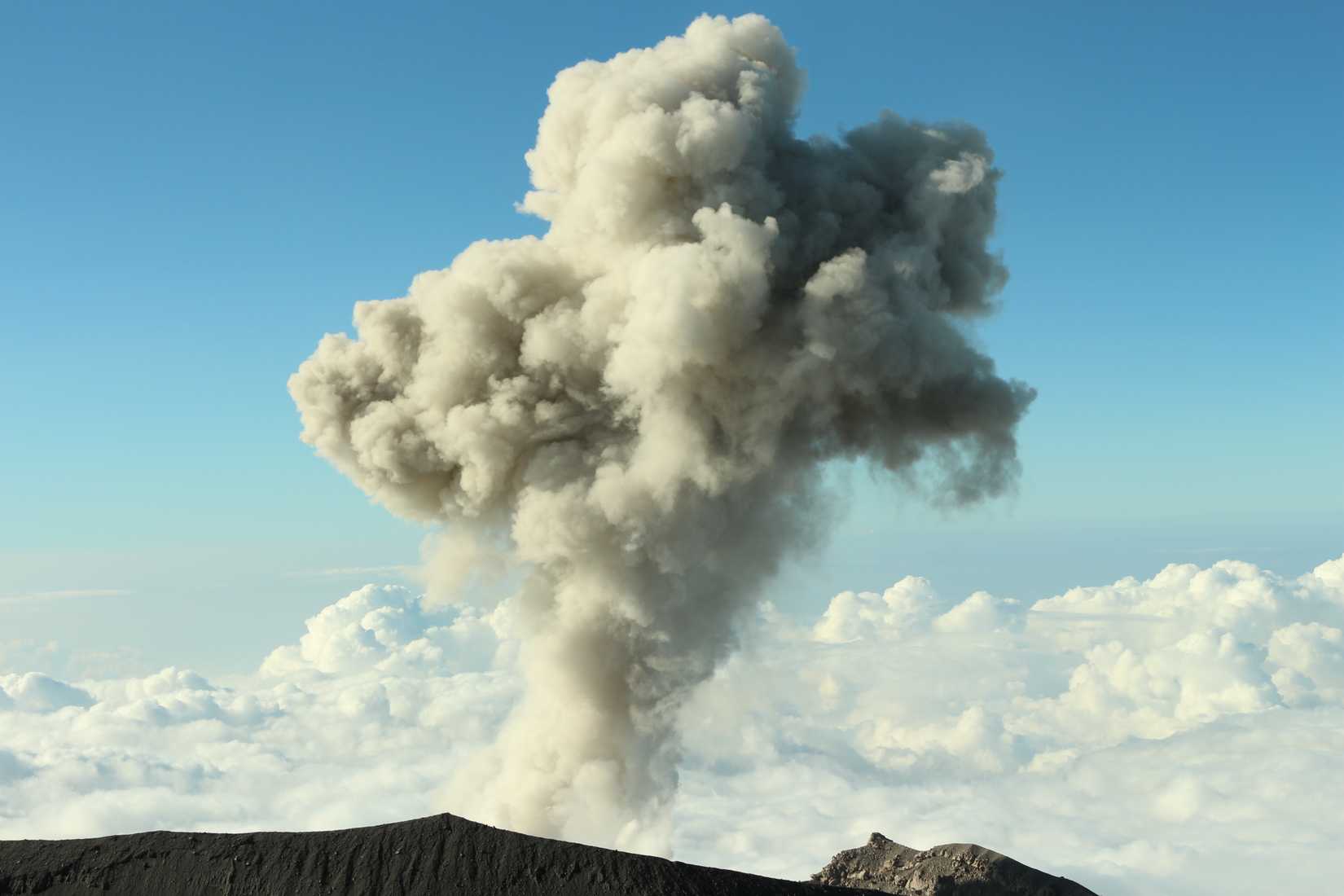
The latest eruptions from Semeru began a new phase of seismic activity on November 19, hurling ash multiple kilometers above sea level, above its summit, which already sits far above sea level. The volcano has now produced repeated pyroclastic flows that raced down the southern flanks of the mountain. Indonesia’s volcanology agency raised the alert status to its top tier, expanding exclusion zones and urging residents to stay multiple kilometers away from the volcanic crater at a minimum.
More than 300 people from high-risk villages have been moved to shelters. Australia’s Bureau of Meteorology, which hosts the Darwin Volcanic Ash Advisory Center, issued a red aviation advisory after satellite imagery showed ash spreading through air routes that are often used by flights that link Australia to destinations in Indonesia and beyond, according to reports published by ABC News.
How Does A Red Aviation Warning Reshape Flight Operations?

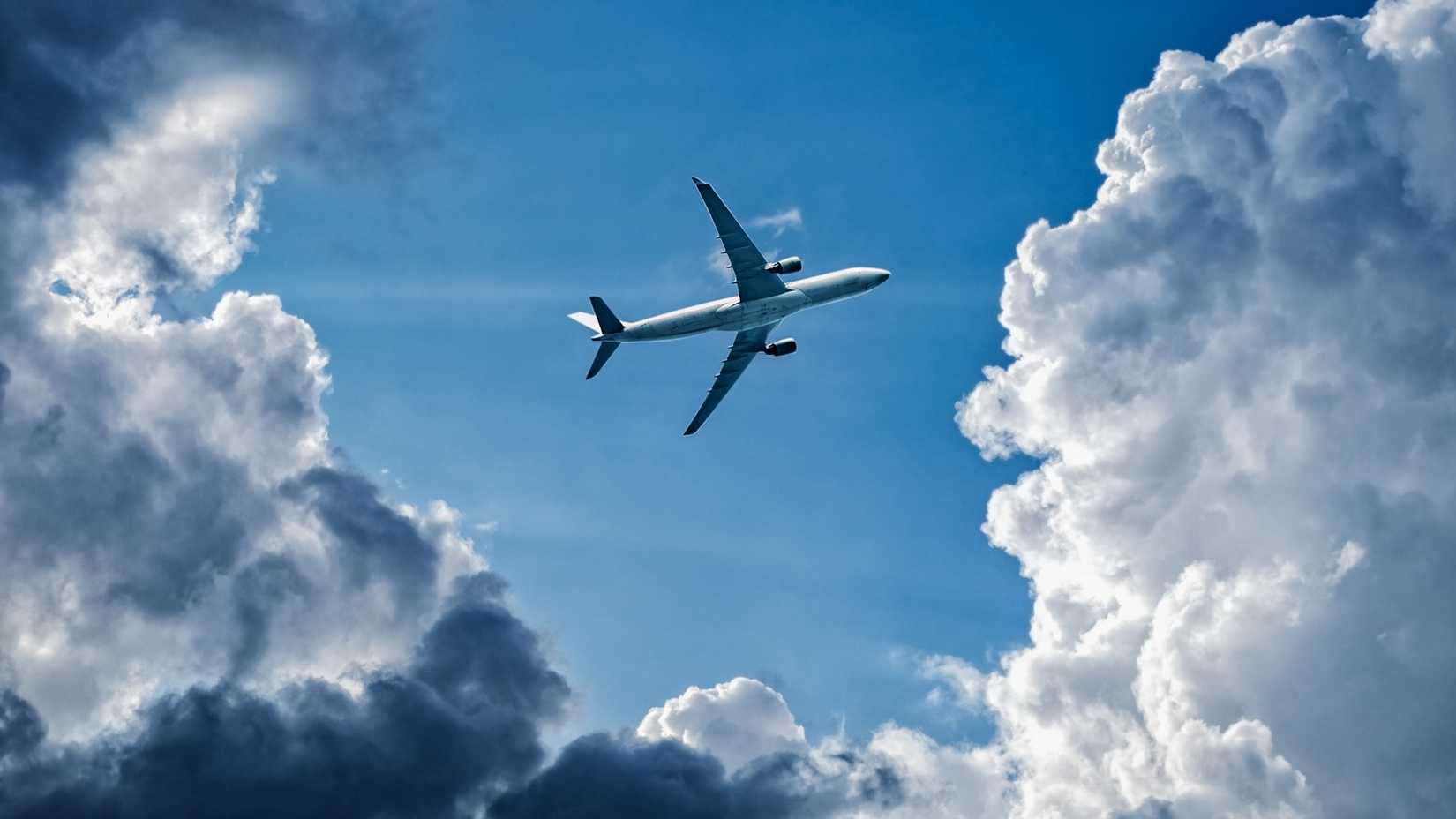
For airlines and air traffic controllers, a red advisory from the Darwin VAAC is effectively a “code red” alert to steer clear of affected airspace. The center integrates satellite data, pilot reports, and ground observations to map the altitude and drift of ash, then it issues graphics and text bulletins that dispatchers and pilots use to re-route or delay flights.
In the Semeru eruption, ash has been observed up to around 54,000 feet (16,500 m), well above the typical cruising altitude of aircraft flying over Java. This has forced planners to publish flight routes that track significantly further south, climb through clean layers of airspace, or potentially postpone some services altogether.
Volcanic ash is particularly dangerous, as particles are abrasive enough to sandblast windscreens and leading edges, all while their low melting point means that they can liquefy the inside of turbine engines before resolidifying on blades and vanes. This potentially causes power loss or flameouts. Past encounters have prompted near-catastrophic engine failures, which is why regulators now treat visible ash as airspace to be avoided, not a weather nuisance.


How Mountains Influence Turbulence
There are several things pilots have to consider while flying over mountains.
The Volcano’s Latest Eruption Within The Broader Ash-Risk Picture

Semeru is one of Indonesia’s most active volcanoes, and it rises above the most populous island in the country. It erupts frequently enough that local communities live with some near-constant level of risk. A 2021 eruption killed dozens and destroyed villages with similar volcanic flows to those seen in this event. This underscores just how quickly lahars and volcanic ash can overwhelm settlements built on fertile volcanic slopes.
This current crisis has again blanketed homes, roads, and farmland in ash, ultimately forcing evacuations, school closures, and the declaration of emergency status in parts of East Java. For aviation, Semeru is part of a wider belt of Indonesian volcanoes that regularly disrupt traffic across one of the world’s busiest regional corridors, including routes into Bali, Jakarta, and Singapore.
Long-haul links to Asia would also likely be affected by the eruption’s ash cloud. Episodes like that of the 2010 Icelandic volcano eruption also highlighted how even moderate seismic events can bring global air travel grinding to a sudden halt. However, these types of volcanic eruptions tend to have only short-term impacts on the air travel landscape, as ash can clear from the environment relatively quickly.
source