


If there is one airport that has benefited from the momentous change to travel habits in Eastern Europe in the last few years, then it’s Romania’s Cluj-Napoca Avram Iancu International Airport (CLJ).
This airport, which acts as the main international gateway for the Transylvania region of northern Romania, handled close to 3.6 million passengers in 2025.
Now, this number in isolation may not sound much, particularly if compared to the continent’s largest hubs, but it makes it the second busiest airport in Romania, after Bucharest Henri Coandă – Otopeni (OTP), and represents a more than 20-fold increase over the last two decades.
Cluj-Napoca airport started from a very low base. In 2000, it handled just under 150,000 passengers, and in the late 1990s, that number was below 50,000 passengers per year. Those were, of course, difficult times for Romania, as the country was still coping with the transition from the long decades of dictatorship and isolation. What’s more, the main factor that has facilitated this stupendous growth, the low-cost airline boom, was still some time into the future.
Rising living standards and the integration of much of Eastern Europe into the European Union in the first decade of the century have acted as a demand generator. Budget carriers, led notoriously by Wizz Air and Ryanair, have managed to capitalize across the board.

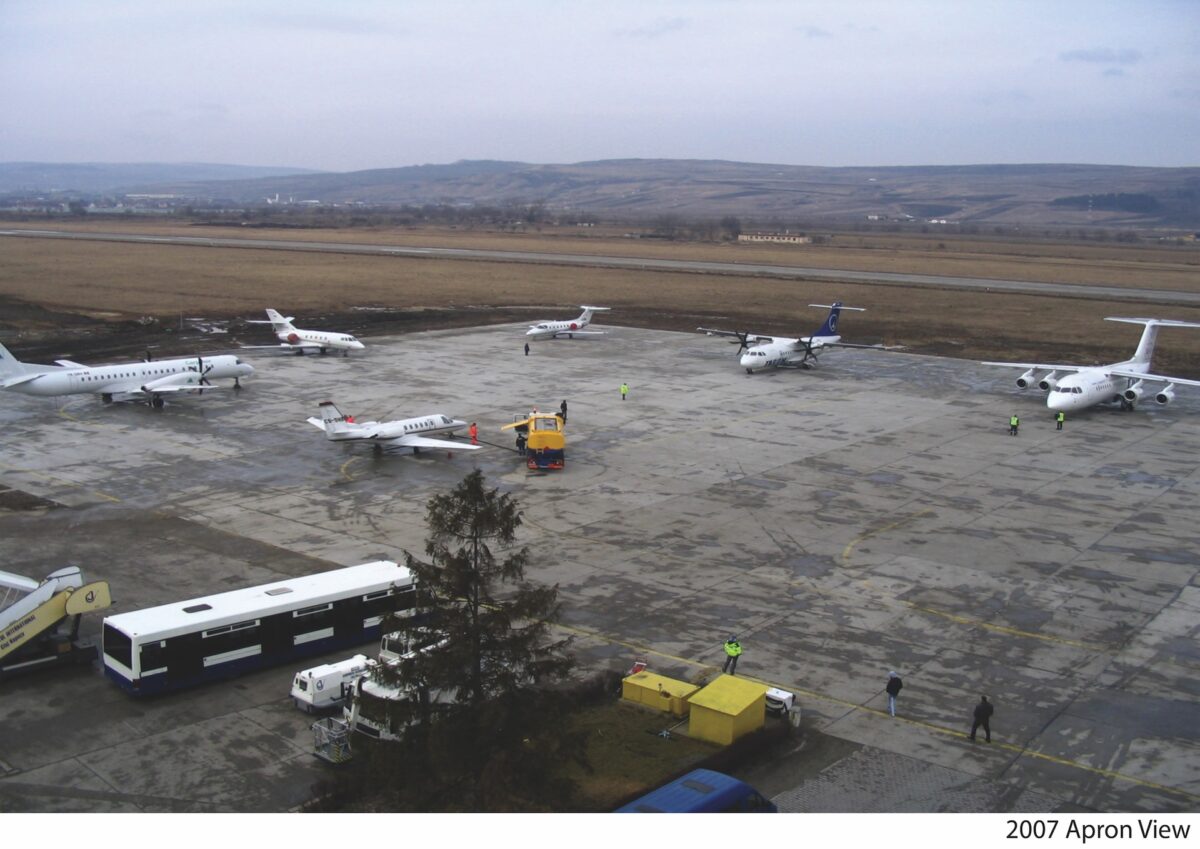
Gateway to Transylvania
In this regard, the case of Cluj-Napoca is not entirely unique in its region; it is notable in the way the airport has managed to attract a diverse mix of carriers serving more than 30 different destinations.
As expected in this region, Wizz Air leads the charge, carrying more than half of all passengers at Cluj-Napoca. Ryanair is a distant second and Romanian carriers TAROM and Animawings also have a presence at the airport. But, remarkably for a city with a population of around 400,000, Cluj also sees a handful of full-service carriers.
Lufthansa, LOT Polish Airlines and SWISS all provide global connectivity via their respective Munich (MUC), Warsaw (WAW) and Zurich (ZRH) hubs and Norwegian Air Shuttle has announced its plans to do the same with Copenhagen (CPH) and Oslo (OSL). airBaltic was also planning to link Cluj to Riga (RIX) but had to postpone the launch due to fleet availability issues linked to the ongoing Pratt & Whitney engine saga.
Turkish Airlines and Pegasus Airlines also offer competing connectivity options through their respective hubs, Istanbul Airport (IST) and Istanbul- Sabiha Gökcen (SAW), the latter having operated, for now, during the summer season of 2025. flydubai also expressed its interest in adding Cluj to its network, potentially adding a nonstop service to Dubai International Airport (DXB), although this route hasn’t materialized yet.
While increasing passenger fluxes reflect the emergence of Romania, and Transylvania in particular, as an up-and coming tourist destination, Cluj-Napoca has also leveraged its role as a major university center (nearly one in three of its inhabitants is connected to its universities in some way or another), to become also a hub for knowledge-based industries such as IT and pharmaceuticals.
It is no coincidence that the first major expansion of the airport, which included the construction of the current passenger terminal, took place in 2009, just two years after Romania’s EU accession. Just one year later, in 2010, the airport reached its millionth passenger in a single year for the first time.

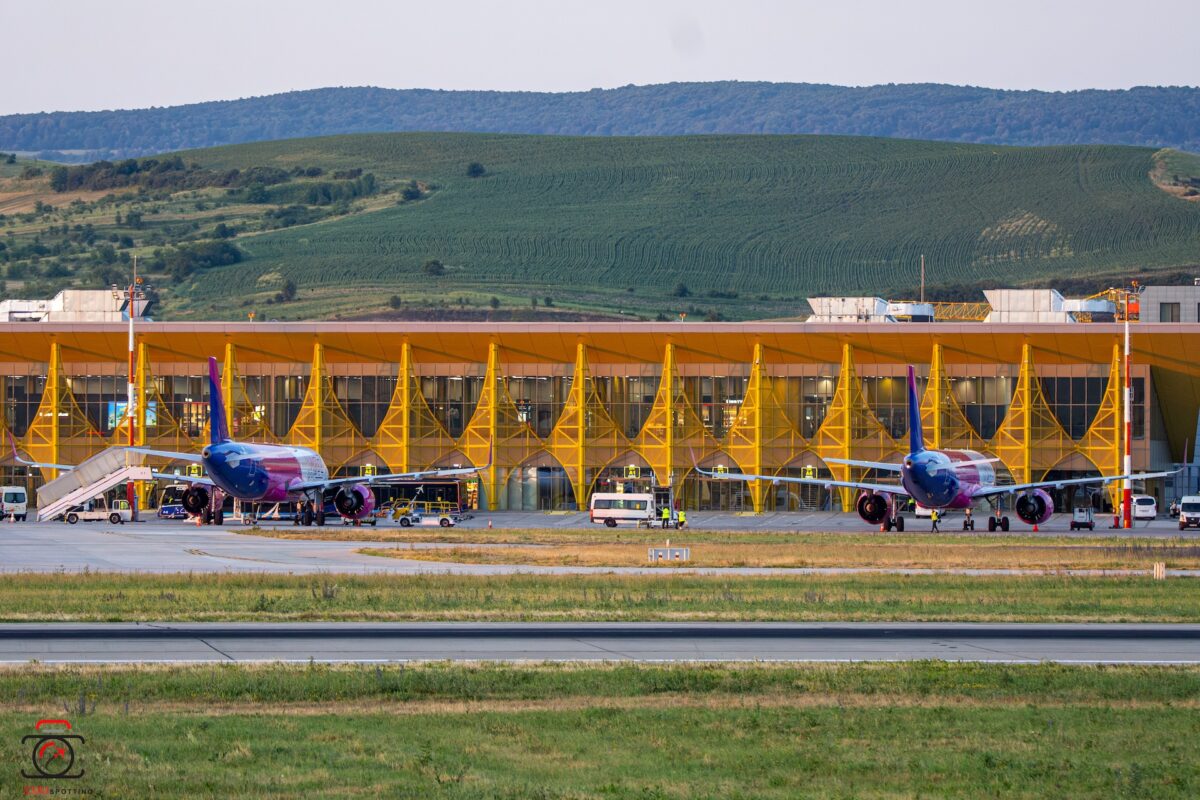
This was followed in June 2024 with a further expansion, this time coinciding with Romania joining the Schengen free movement area. The €83 million enlargement included a larger departures area and three additional gates, which brought the airport’s total annual capacity to 4.5 million passengers.
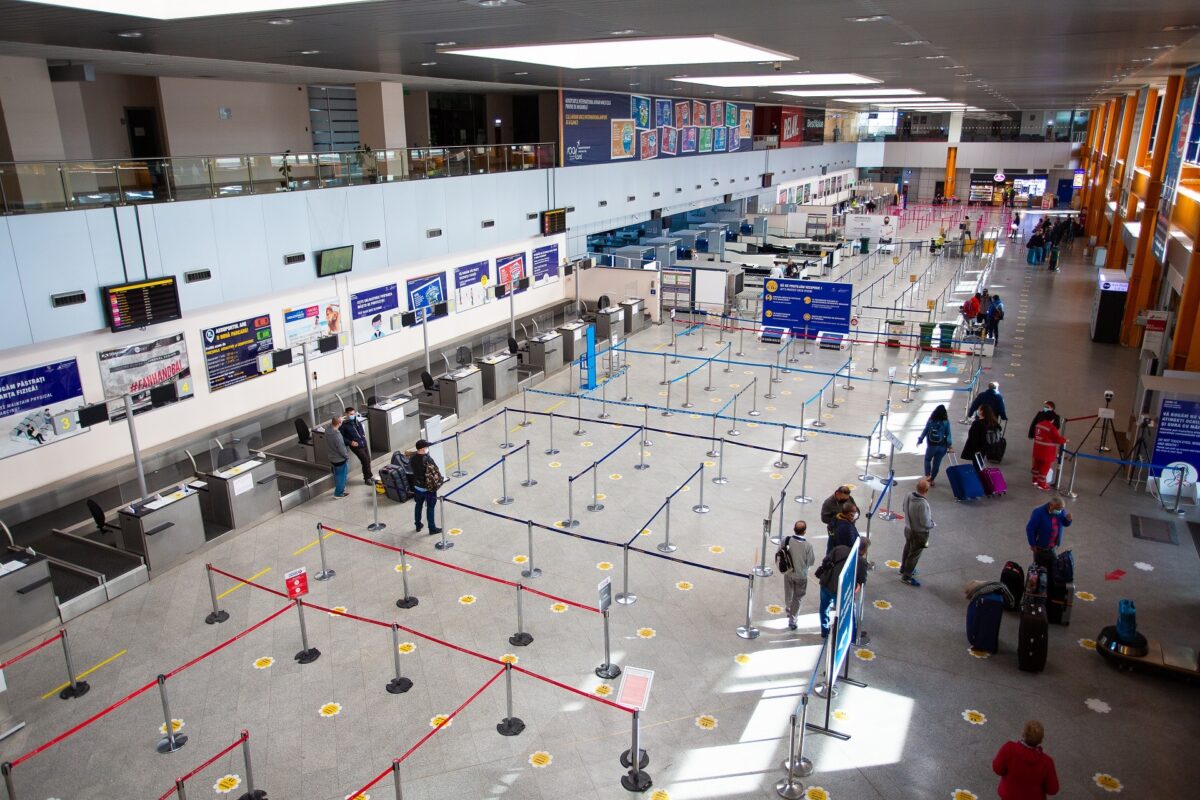
Planning the next 20 years
However, traffic has continued to catch up fast. This is why, in 2025, the Cluj Airport and Cluj County Council presented their most ambitious development plan to date.
This new project will allocate €333 million to long-term expansion of the airport with the idea of nearly tripling its traffic again in the next two decades, propelling it to seven million passengers by 2040 and past the 10 million-mark by the year 2045.
The project involves building a new passenger terminal of approximately 24,000 square meters (a 70% increase over the current facility), an expanded aircraft apron with a new taxiway and a photovoltaic park which is expected to cover more than half of the airport’s electricity demand.
But perhaps the element that has attracted the most interest is the proposed runway extension, from the current 2,100 meters to 3,420 meters. To achieve this, the project calls for diverting an entire river, the Someș, which physically constrains the runway’s northern end.
So, why is a longer runway seen as essential to fulfill the ambitious growth aims of the airport?
Cluj Airport director, David Ciceo, has made no secret of his aim to link the city directly with North America.
Speaking at the Aviation Event CLJ 2026 conference on March 20, 2026, Ciceo noted that there are already around 65,000 passengers per year travelling between Cluj-Napoca and the US indirectly.
What’s more, this figure could increase as soon as US tourists start doing what many European travelers have been doing all along these last few years: take advantage of increased air connectivity to explore relatively undiscovered and authentic destinations like Transylvania.


In any case, this would not happen before 2030, which is the earliest that the runway extension can be ready. Nevertheless, Ciceo confirmed that the airport team is already working on this possibility, while keeping an eye on other opportunities, both in Europe and in the Middle East, as soon as the geopolitical situation permits.
source