


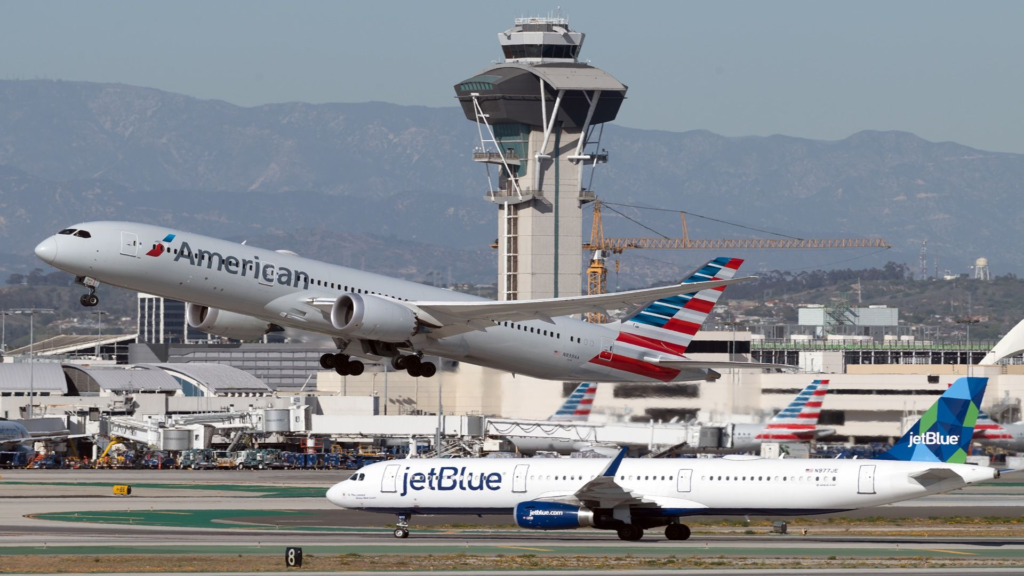
With 31 days having passed since the US Government Shutdown, the aviation sector within the country has been severely impacted, with flights across the country’s airports either facing significant delays or even cancellations, which naturally results in a ripple of negative effects across the wider aviation system.
With nearly half of the busiest airports in the country facing staff shortages at key areas such as control towers and TSA, the concerns of airlines and other stakeholders go beyond that of delays and cancellations, to now include factors such as passenger and flight safety, and service reliability.
Thousands Of Flights Delayed And Canceled

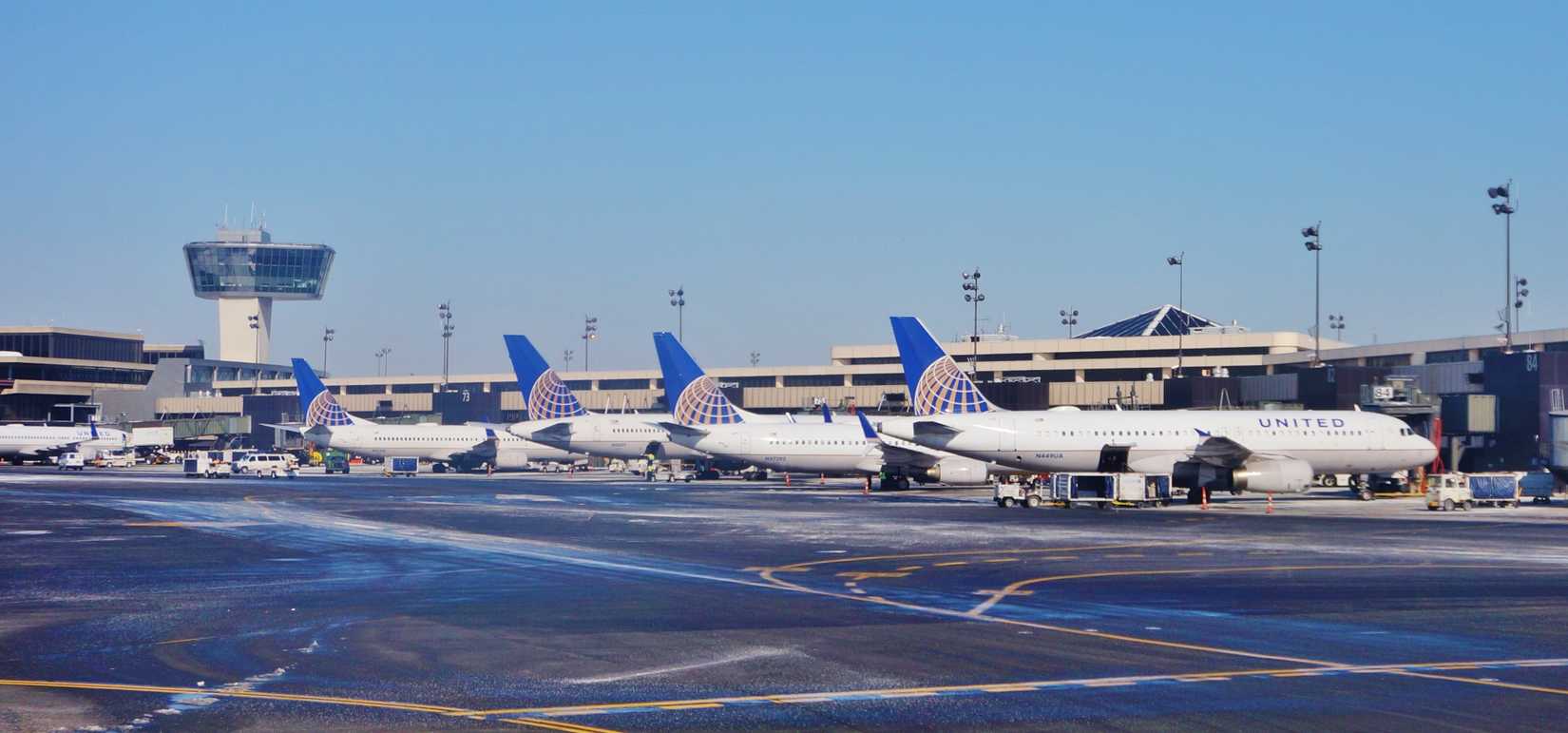
At the time of writing, it has been over 31 days since the United States Government shutdown, affecting various sectors within the country, one of which is air travel. The shutdown has resulted in key personnel, such as Air Traffic Controllers and TSA staff, not being paid for the work they have been doing for the past month, resulting in significant staff shortages across the country’s airports.
The city that has been the most impacted is New York, which is home to airports such as 


A statement from the Federal Aviation Administration (FAA) published by Reuters:
“After 31 days without pay, air traffic controllers are under immense stress and fatigue,”
“The shutdown must end so that these controllers receive the pay they’ve earned and travelers can avoid further disruptions and delays.”
Looking At The Actual Numbers


The disruptions have been significant, resulting in airlines calling on the government to end the shutdown as soon as possible, with CEOs of operators such as 

Apart from the disruptions caused by mass flight delays and cancellations, another key factor addressed was the human factors of having 13,000 air traffic controllers and around 50,000 TSA staff having to work without pay, and the safety implications of understaffing in these key areas.
The numbers published by FlightAware regarding the number of flight delays and cancellations across the country are as follows:
|
Flight Disruptions In The US |
Wednesday October 29 |
Thursday October 30 |
Friday October 31 |
Today (At the time of writing) |
|---|---|---|---|---|
|
Flights Delayed |
4,650 |
7,378 |
5,849 |
551 |
|
Flights Canceled |
157 |
1,251 |
493 |
118 |
Airports such as New York – LaGuardia have reported that 50% of its flights have been delayed and a further 12% of flights canceled, while Reagan National Airport in Washington, D.C. had 25% of its flights delayed.
Not New – Air Traffic Controllers Shortage

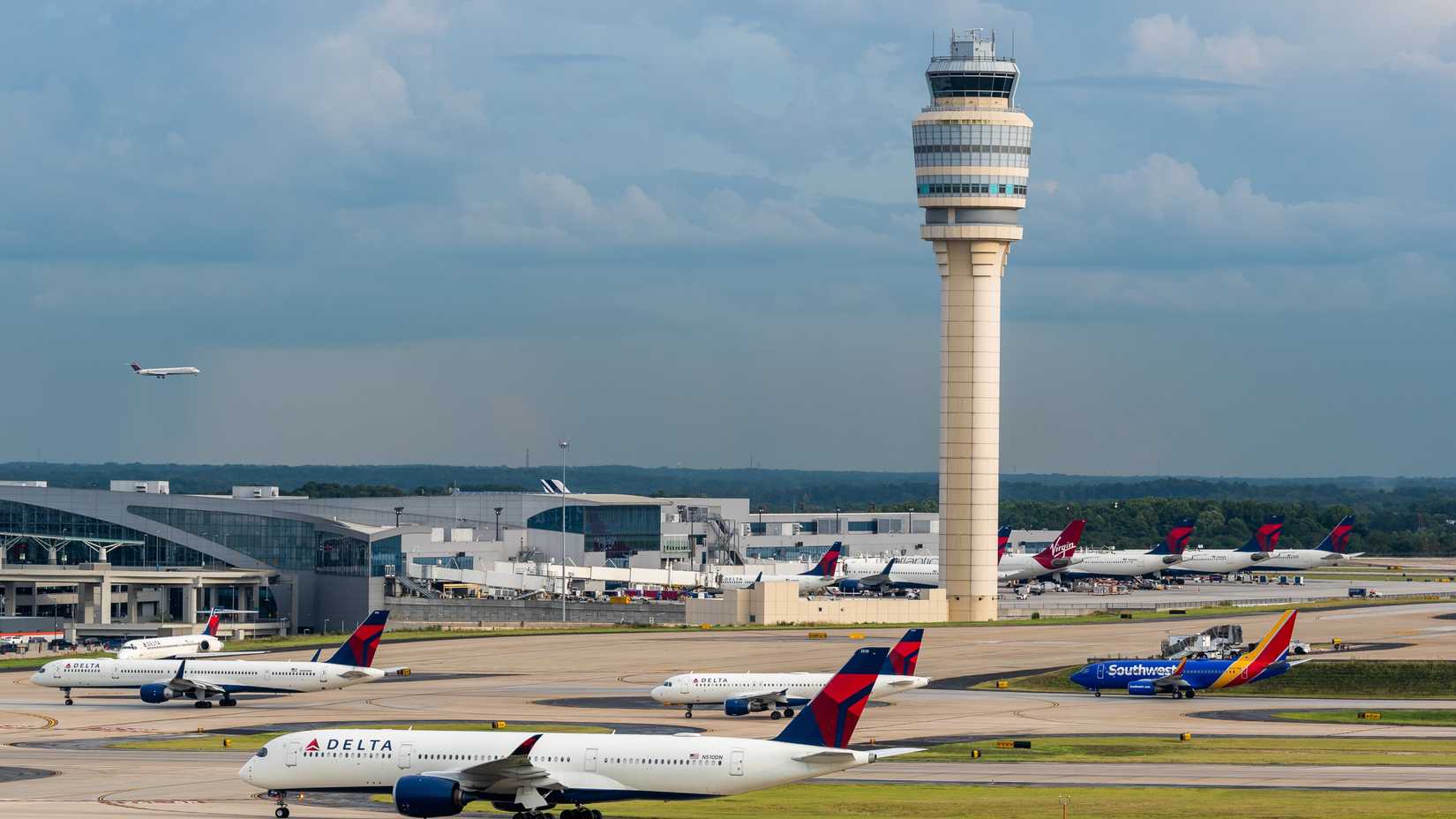
The data from a report released earlier this year indicates that 285 out of 313 facilities (91%) in the US are currently under-staffed, with the number of staff falling below the recommended numbers set by the FAA and the National Air Traffic Controllers Association (NATCA). Additionally, the data showed that 73 of the 285 airports were operating without 25% of their workforce, while some facilities were operating with almost 40% of its positions unfilled.
This is a significant deterioration in staffing levels, considering the fact that data from late 2023 shows that 77% of facilities across the US are understaffed. This indicates that in the past 24 months, the number of controllers has reduced in 14% of the country’s facilities (approximately 44 airports).
To tackle the staff shortage issues across the country, cities such as Austin, Texas, have recently started pushing to start an Air Traffic Controller academy in the city, in hopes of training more people to ensure adequate controllers are positioned at the city’s Airport – Austin Bergstrom International Airport (AUS) and other airports across the country.
Hopefully, the government shutdown ends soon, which will help improve the situation with regards to staff shortages in the ATC and TSA, subsequently reducing the number of operational delays and flight cancellations.
source