


Can the Boeing 777X take off without its wingtips extended? It is a question that continues to circulate across aviation forums, social media, and even airport spotting communities, largely because the 777X’s folding wingtips are unlike anything seen on a commercial airliner before. With images frequently showing the aircraft taxiing with its wingtips folded upward, it is reasonable for observers to wonder whether the aircraft could ever depart in that configuration.
This comes not just from a curiosity standpoint, but from a safety and certification perspective. The 777X is designed to operate at the very limits of airport infrastructure, wing loading, and aerodynamic efficiency. Understanding whether the aircraft can fly without its wingtips extended reveals far more about how modern airliners are certified, how automation safeguards are designed, and why the 777X’s folding wingtip system exists in the first place.
Outlook Of Its Functionality

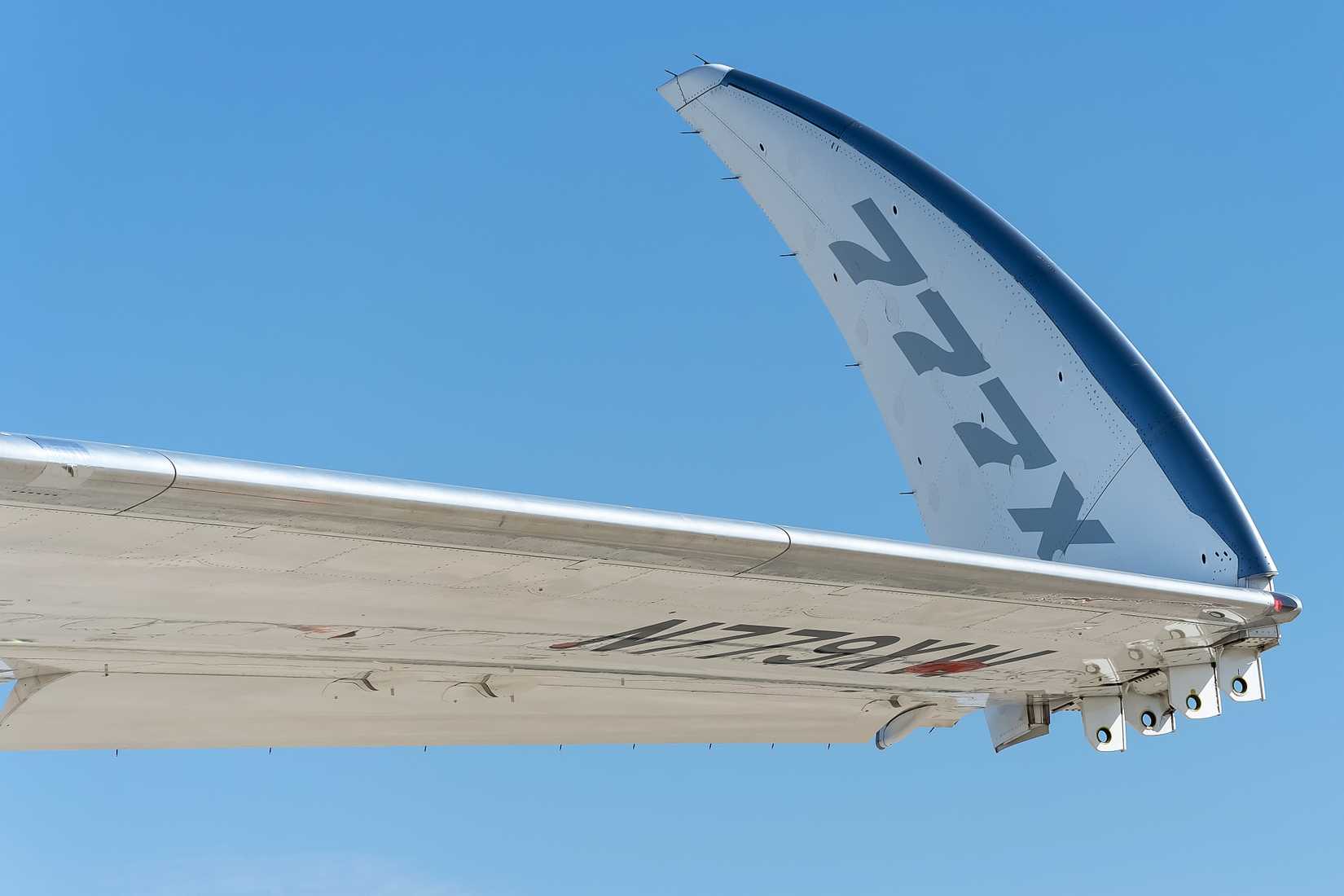
The short answer is no, the Boeing 777X cannot take off with its wingtips folded. The aircraft is physically and electronically prevented from doing so, with multiple layers of protection designed to make such a scenario impossible during normal operations. The folding wingtips are strictly a ground-only configuration used for taxiing and gate compatibility. A takeoff in this configuration couldn’t even happen accidentally.
From a certification standpoint, the 777X is approved to fly only with its wingtips fully extended and locked. Attempting to take off with the tips folded would dramatically reduce lift, alter handling characteristics, and fall outside the aircraft’s certified aerodynamic envelope. As a result, the aircraft’s systems are designed to block thrust application and takeoff if the wingtips are not in the correct position. Any stage of flight in such a configuration would be dangerous and negatively affect the aircraft’s performance.
Historically, this design approach reflects 

What Are The Technical Reasons?
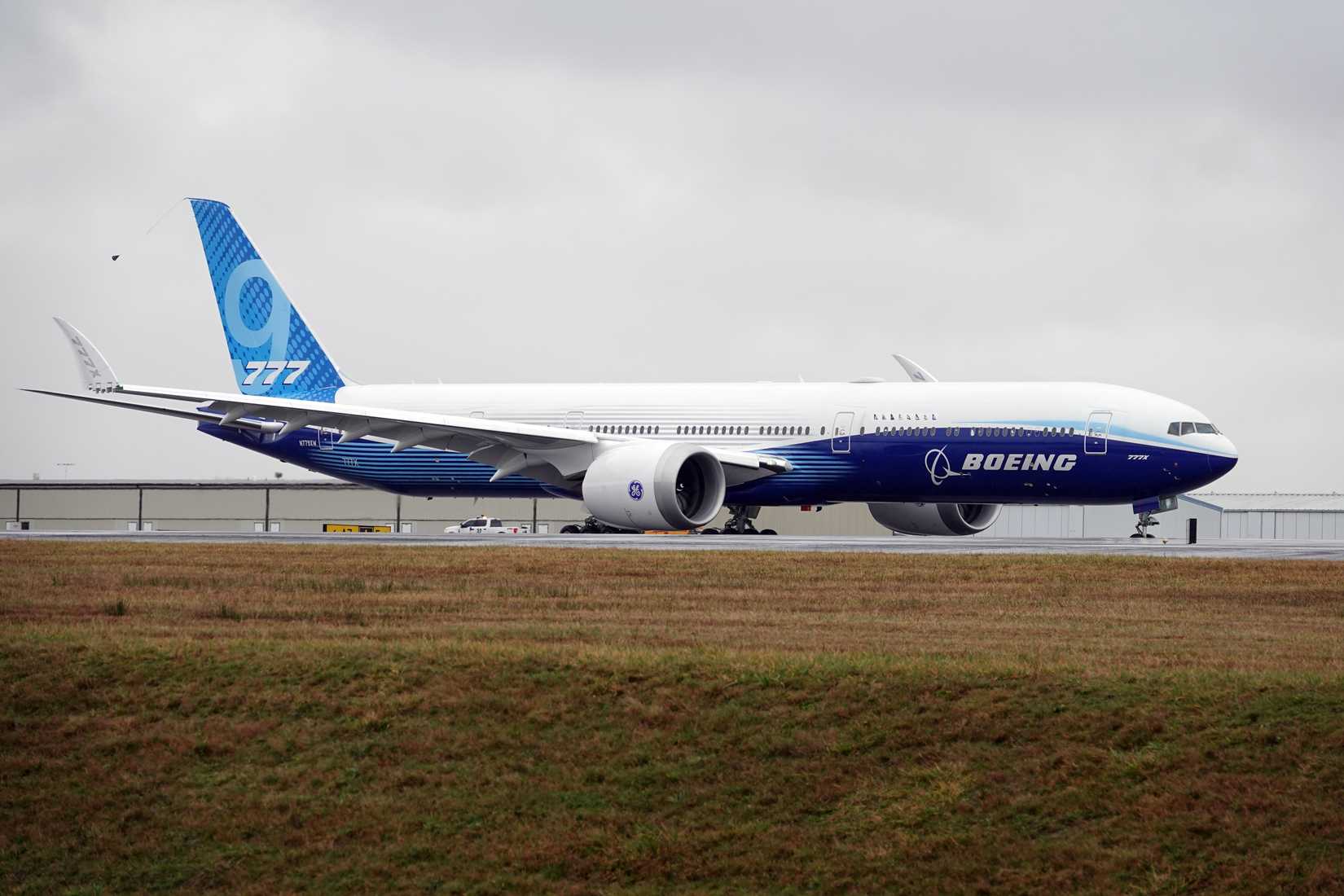
Several technical and regulatory factors determine why the 777X cannot take off with folded wingtips, most of which are rooted in aerodynamics, airport infrastructure constraints, and certification requirements. At its core, the folding wingtip system exists to reconcile two competing needs. These are the maximum wingspan in flight and compatibility with existing airport gates on the ground.
The 777X has an enormous wingspan of nearly 236 feet (72 meters) when fully extended, far exceeding the ICAO Code E limit that many major airports are designed around. Folding the outer 11 feet (3.5 meters) of each wing allows the aircraft to fit into Code E gates while retaining Code F aerodynamic performance in flight. However, that performance only exists when the wingtips are deployed. When retracted, the aerodynamic performance is highly unbalanced and unsuitable for flight.
|
Configuration |
Purpose |
Operational status |
|---|---|---|
|
Wingtips folded |
Taxi and gate compatibility |
Ground only |
|
Wingtips extended |
Full aerodynamic performance |
Required for flight |
|
Partial extension |
Not permitted |
Not certified |
|
Failure to lock |
Takeoff inhibited |
System-protected |
Crucially, the folding mechanism is integrated into the aircraft’s flight control and warning systems. Sensors confirm wingtip position, mechanical locks engage before flight, and the aircraft’s systems cross-check configuration status before allowing takeoff thrust. If the wingtips are not extended and locked, the aircraft will not proceed into a takeoff roll. This is not simply a procedural safeguard; it is a hard design constraint. Boeing and regulators deliberately removed reliance on pilot intervention alone, ensuring that a misconfigured aircraft cannot unintentionally become airborne.

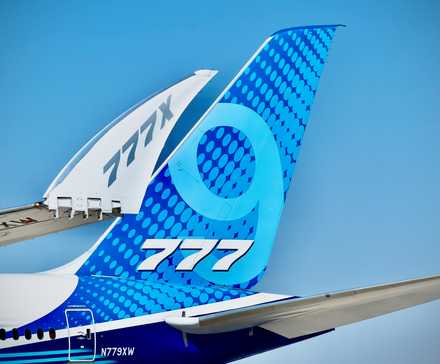
The Boeing 777X’s Folding Wings: How It Works
The Boeing 777X’s innovative design feature has captured global attention. But how do these folding wings actually work?
What Is The Response To The Addition?

Aviation professionals and engineers have consistently explained how the 777X wingtip system works and why it cannot be bypassed. Discussions on aviation forums emphasize that the aircraft’s folding wingtips are not optional aerodynamic devices but certification-driven solutions tied directly to airport compatibility. Unlike features that offer performance trade-offs, the folding tips exist solely to reconcile a Code F wingspan with Code E ground infrastructure, meaning they have no operational role once the aircraft leaves the runway. As several engineers have noted, the 777X is certified, tested, and flown only in its fully extended wing configuration, with all performance calculations, handling qualities, and safety margins based on that geometry. Allowing takeoff with folded tips would invalidate those assumptions entirely, which is why Boeing and regulators designed the system so that it cannot be overridden by crew action or procedural discretion alone.
Pilots and engineers have also highlighted the aerodynamic consequences of attempting to operate the aircraft without its full wingspan available. The 777X’s wing loading, lift distribution, and roll authority are all calculated assuming the tips are fully extended, particularly during the low-speed, high-angle-of-attack phase of takeoff. With the wingtips folded, the aircraft would generate less lift and experience altered lateral control characteristics, increasing rotation distance and reducing handling margins. Even at low speeds, these changes would introduce unacceptable risk, which is why the aircraft’s flight control logic and certification envelope explicitly exclude any takeoff scenario with folded wingtips.
Airlines evaluating the 777X have largely welcomed the folding wingtip system, viewing it as a necessary compromise rather than a complication. By allowing Code E compatibility without sacrificing in-flight efficiency, the design avoids forcing airlines into costly airport infrastructure upgrades, while still delivering long-range performance. While the addition may seem almost alien to many airlines, it allows for the aircraft to avoid many of the complications that other aircraft such as the Airbus A380 experienced in terms of size relevant to airport facilities.

Why Airlines Don’t Want Their Airbus A380s Anymore
A look at the challenges of operating a fleet of Airbus A380s today, and the future outlook on the type.
Like A Fighter Jet?

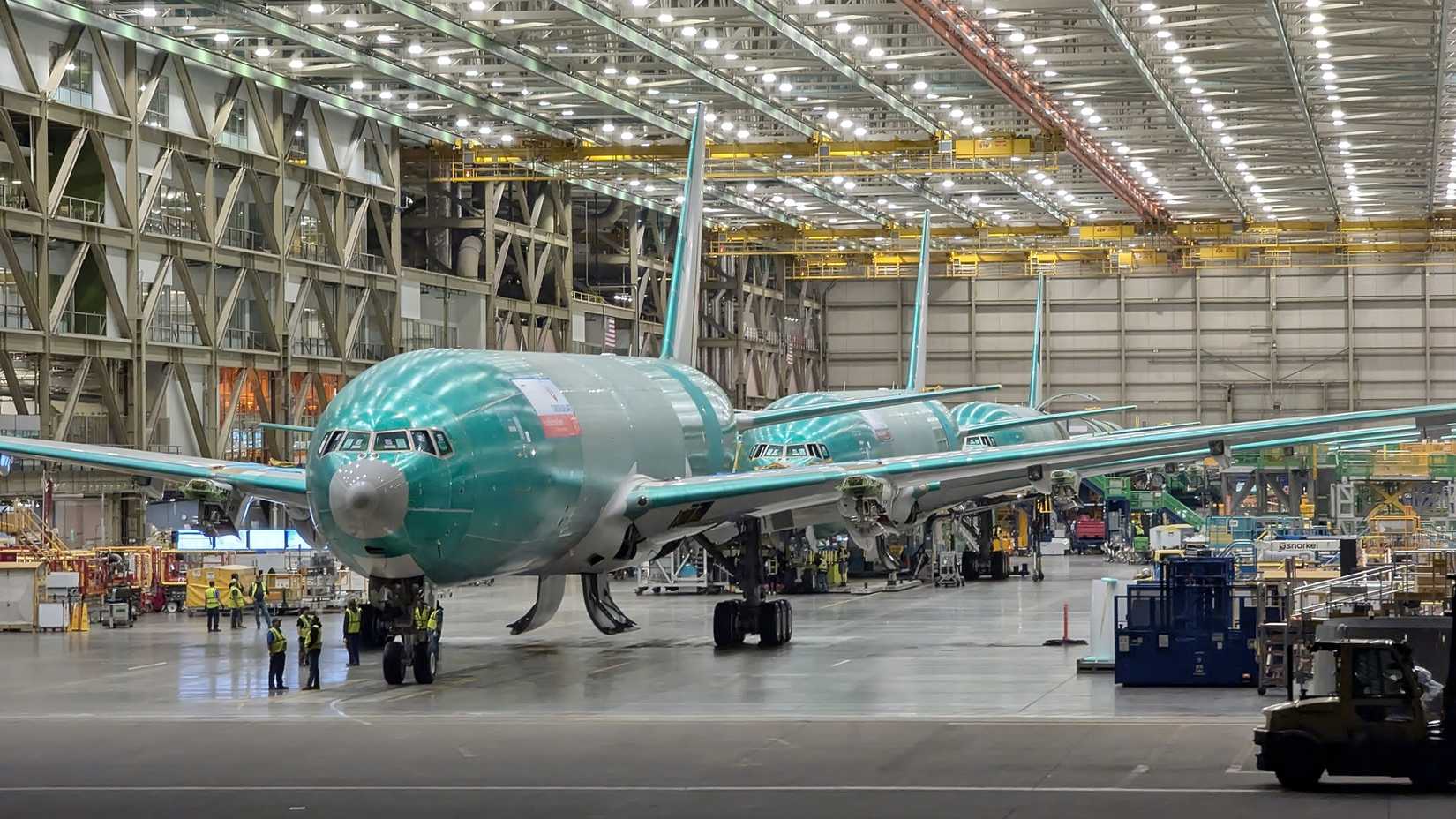
No other commercial airliner currently uses folding wingtips in the same way as the 777X, which is why the question arises so frequently. While military aircraft have long employed folding wings, those systems are designed primarily for carrier deck and hangar compatibility rather than aerodynamic optimization. By contrast, the 777X’s folding wingtips exist to reconcile an ultra-high-efficiency wingspan in flight with existing airport infrastructure on the ground, making the concept fundamentally different in both purpose and certification. While the operation itself bears some similarity, especially in allowing the aircraft to fit better into airport or, in the case of military aircraft, carrier spaces, the intended reason for the folding additions differs considerably between the two aircraft types.
Compared to aircraft like the Airbus A350 or Boeing 787, the 777X pushes wing design further, using extreme aspect ratios to improve fuel efficiency. Folding the wingtips is the only practical way to achieve that wingspan while maintaining compatibility with existing airport layouts. The 777X marks the next evolution of the popular 777 series, aiming to expand upon advancements made by more modern twin-engined widebody aircraft, which is why such a radical design has been implemented.
|
Aircraft |
Folding wingtips |
Reason |
|---|---|---|
|
Boeing 777X |
Yes |
Gate compatibility |
|
Boeing 787 |
No |
Smaller wingspan |
|
Airbus A350 |
No |
Code E compliant |
|
Military jets |
Yes |
Storage, not flight |
Importantly, unlike military aircraft, the 777X does not allow takeoff or landing with its wingtips folded, with the system deliberately locked out during all flight phases. Multiple redundant sensors and interlocks ensure the aircraft cannot accelerate for takeoff unless the wingtips are fully extended and confirmed by the flight control system, reflecting a design intent focused on preserving access to existing commercial airport infrastructure rather than enabling flexible flight configurations. In practice, the folding mechanism exists solely to reduce the aircraft’s ground footprint at the gate, allowing the 777X to remain compatible with ICAO Code E airports despite its efficiency-optimized wingspan, while all aerodynamic performance, structural loads, and handling characteristics are calculated assuming the full wingspan is available in flight.
Complex Solution To A Simple Issue?

Shutterstock | Simple Flying
From an operational standpoint, there are no certified exceptions allowing the 777X to take off with folded wingtips. Any failure of the folding mechanism would ground the aircraft until resolved, rather than allow dispatch with a degraded configuration. The primary risk associated with the system is complexity. As this feature has not been added to commercial aircraft in this way before, it requires an entirely new system and design to make it operationally viable.
Folding mechanisms introduce additional maintenance requirements, sensors, actuators, and inspection points. However, Boeing mitigated this risk by designing the system to operate infrequently, only during taxi phases, reducing wear compared to continuously active flight control surfaces.
Ultimately, the safeguards surrounding the wingtip system reflect hard lessons learned from past aviation incidents involving improper takeoff configurations. Rather than relying solely on pilot checklists or warnings, the 777X uses layered mechanical and software interlocks that physically prevent takeoff unless the wingtips are fully extended and locked. This design philosophy ensures that any wingtip-related fault is contained on the ground, eliminating the possibility of a configuration error progressing into the airborne phase.
What’s The Overall Takeaway?

So, can the Boeing 777X take off without its wingtips extended? No, and it is not supposed to. The aircraft is deliberately engineered to prevent such a scenario, combining mechanical locks, sensor verification, and flight control logic to ensure full wing deployment before flight.
Rather than being a novelty feature, the folding wingtips represent a carefully engineered compromise between airport compatibility and aerodynamic efficiency. They allow the 777X to operate on existing routes and infrastructure while delivering performance that would otherwise be unattainable.
As the 777X moves closer to widespread entry into service, the folding wingtip system will likely become normalized, just another example of how modern aircraft quietly solve complex problems through design, rather than relying on procedural workarounds. If such an addition proves highly valuable and effective, we may see other aircraft types in the future utilize this feature. After all, every new aircraft that comes into service is built on lessons learned from predecessors.
source