


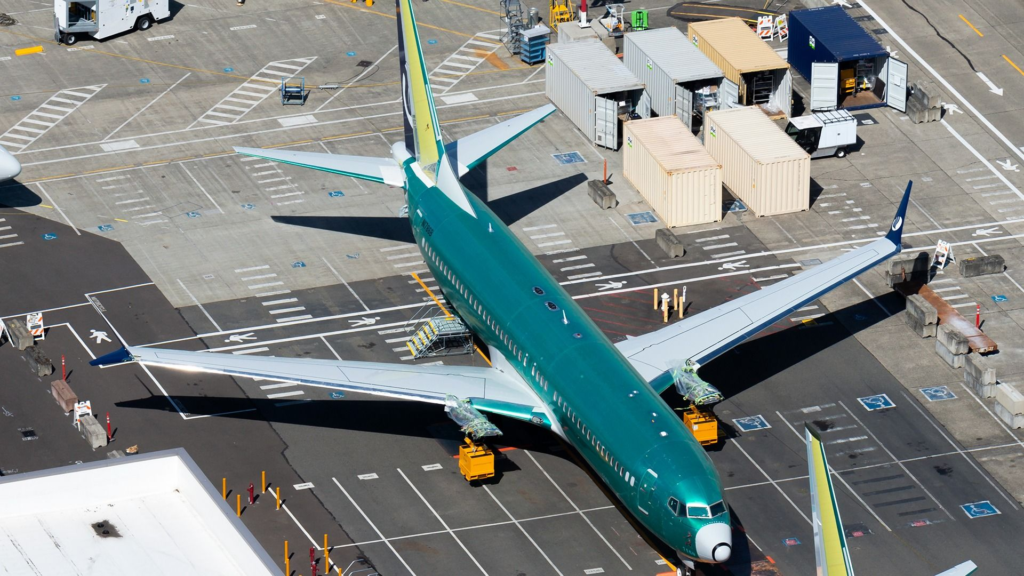
Shares of 

- Stock Code
-
BA
- Business Type
-
Planemaker
- Date Founded
-
July 15, 1916
- CEO
-
Kelly Ortberg
- Headquarters Location
-
Chicago, USA
Boeing is expected to report a full-year loss of $2.33 billion and revenues of $85.66 billion. Analyst earnings consensus figures have remained mostly unchanged, but revisions would likely drive short-term price action for the manufacturer. Ratings on the manufacturer range from some bullish analysts betting on Boeing’s turnaround plan and marking the company as a buy, while others argue for selling the stock. The average rating hovers somewhere in the middle.
What Exactly Has Happened With Boeing Stock?

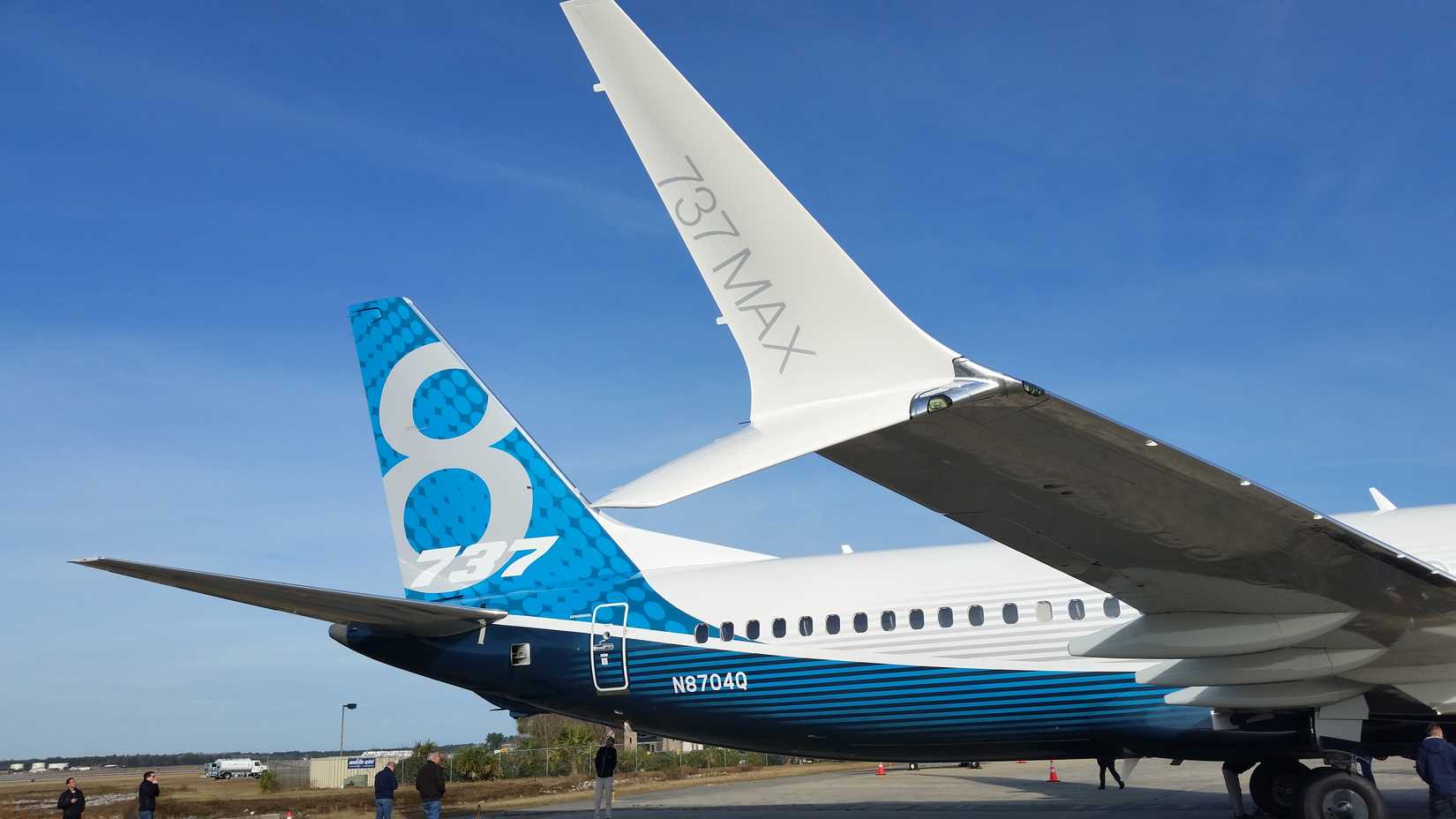
Boeing shares have continued to decline over the past month, lagging the modest gains posted by the S&P 500. Sell-side pressures have reflected ongoing production and certification risks, while cautious sentiment is driving some positive interest in the company’s next earnings print. Despite improving year-over-year revenue estimates, the company is still not forecasted to turn a profit in the upcoming quarter, and doing so would likely come as a surprise to most analysts.
Headlines about Boeing’s decision to explore a Boeing 737 MAX replacement only added to overall volatility, as it promised a long-term strategy while implying heavy near-term investment and execution risks. In comparison to other peers in the Aerospace & Defense sector, Boeing stood out as an underperformer, according to Yahoo Finance. In the near term, share prices could drift lower on increased execution worries, while the market continues to evaluate whether Boeing is effectively managing its program timelines and cash needs.
What Factors Should Investors Consider Looking Forward?

Investors have a few things to keep their minds on. For starters, they need to keep their eyes on Boeing’s regulatory trajectory. Any immediate easing of FAA oversight or lift of the 737 MAX’s production cap would boost deliveries and the cash that Boeing will have on hand. Setbacks will naturally have the reverse effect.
Next is the Boeing 777X’s certification and service entry timeline, which has continued to drift backwards. Boeing needs to be able to convert its backlog into output, and continued delays are harmful to its cash flow picture. Right now, Boeing is also in the process of reintegrating Spirit AeroSystems into its fleet, and a smooth integration will only further stabilize quality and costs.
Boeing’s performance in defense markets is also an upside, as new orders continue to flow in. Across the board, investors will simply have to monitor the manufacturer’s free-cash-flow cadence and stay alert for any additional supply-chain disruptions that could be in the works and would ultimately flow through to the company’s working capital picture.
What Is The Bottom Line?
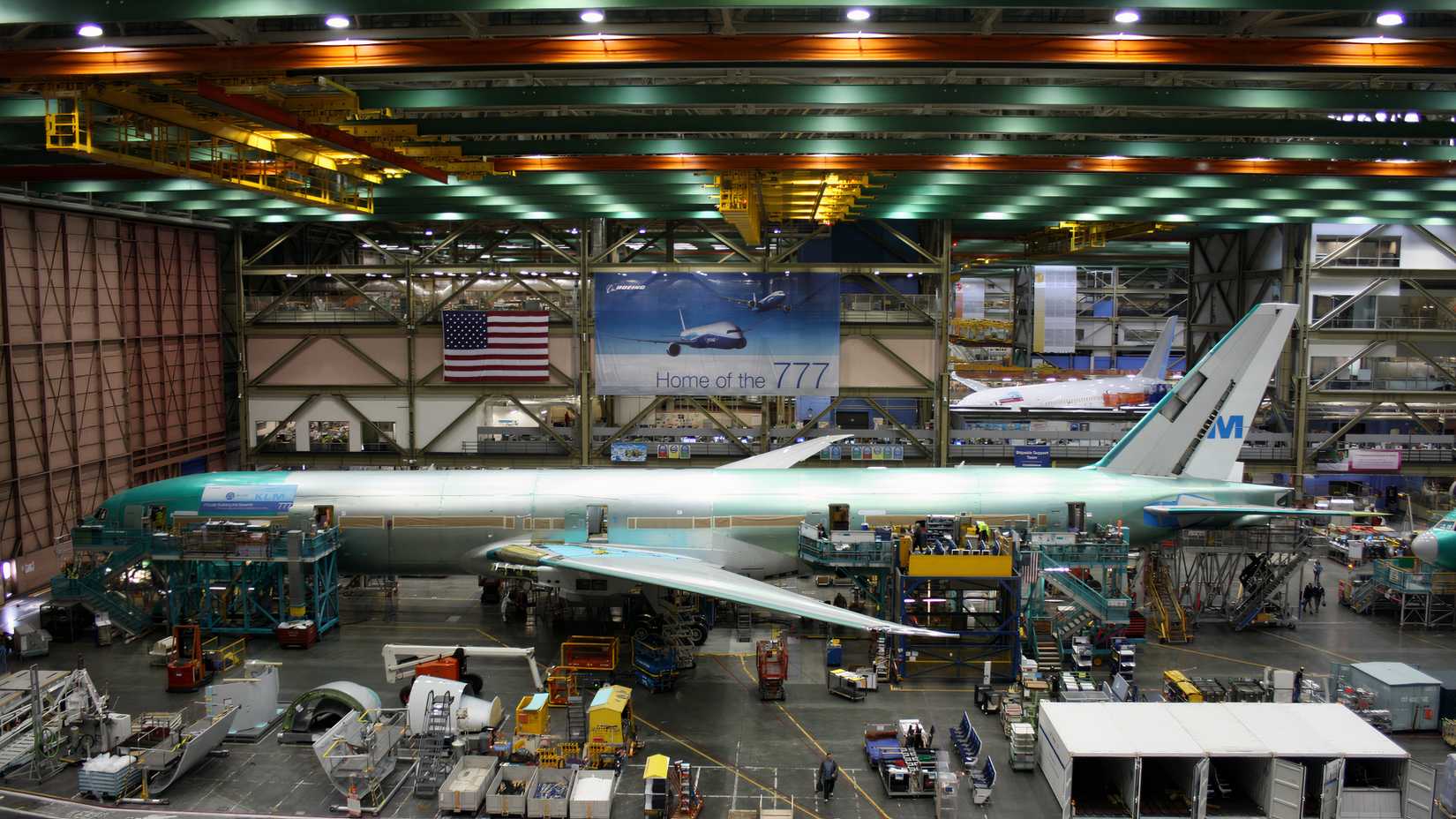
At the end of the day, Boeing is an American aircraft manufacturing giant which has struggled tremendously in the past few years. A company with a strong legacy has been hit with multiple safety and credibility-related crises, both of which have forced investors to reconsider how they value the company.
With the company’s free cash flow picture now hinging on its execution capabilities (as demand for Boeing jets continues to prove strong), investors need to have confidence that Boeing will be able to deliver on its promises. As of now, the company has taken some steps but has yet to clear the biggest and most important regulatory hurdles.
Airbus, the company’s principal competitor, has also faced some challenges related to execution and supply chain disruption. However, the European manufacturer does not have multiple years of credibility challenges to overcome, and it has also beaten Boeing to the market with multiple of its long-range products.
source