


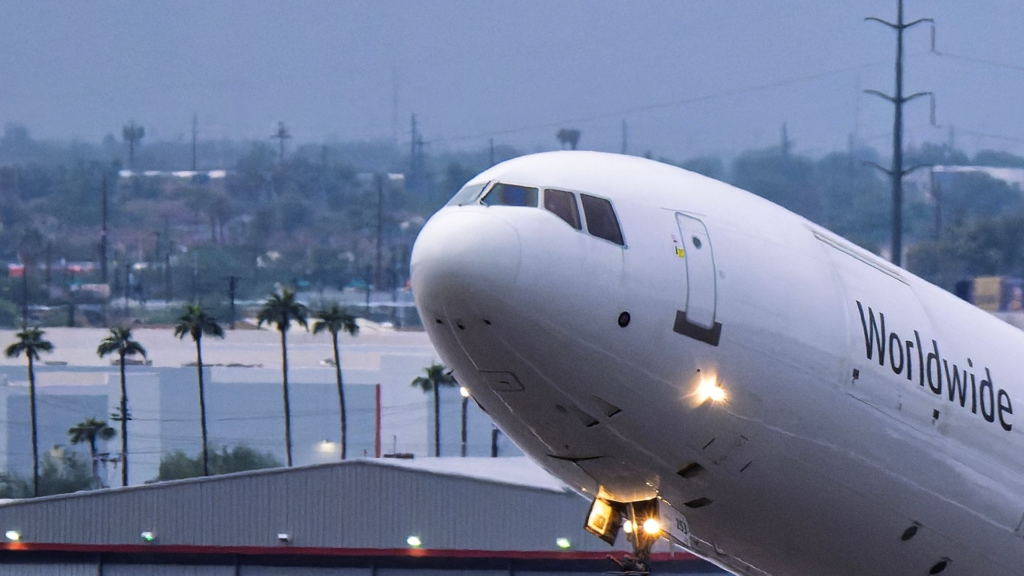
Following the fatal crash of 

The National Transportation Safety Board (NTSB) is leading this probe, with early details indicating that the jet climbed briefly before a catastrophic failure occurred. This resulted in engine separation and cockpit warnings. A precautionary step, this is aimed at preventing another event and keeping operations fully safe while the technical root cause is yet to be fully identified.
What Are The Key Developments In This Story?

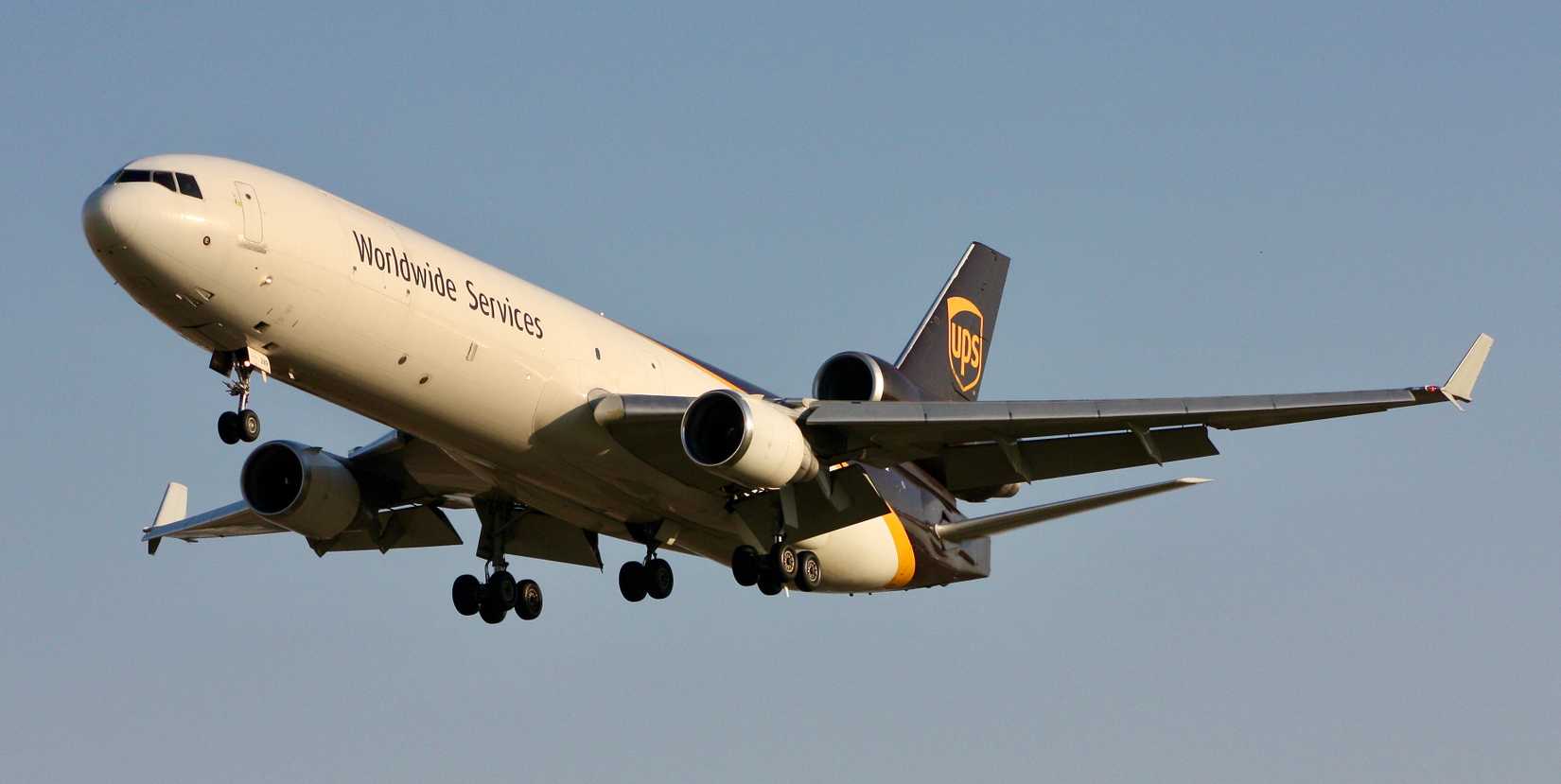
On November 4, a UPS MD-11 crashed moments after takeoff from Louisville. Boeing first issued statements of support on November 4 and, subsequently, on the day after, before issuing a formal recommendation on November 7 that the three outstanding MD-11 cargo operators suspend flights pending a complete engineering analysis to be completed by the manufacturer and the FAA.
UPS and FedEx immediately grounded their fleets, with Western Global’s few active airframes currently expected to stand down. The NTSB says the freighter reached roughly 100 feet into the sky before it crashed, with one engine fully detaching. A repeated warning bell was recorded just seconds after the engine reached takeoff thrust. A preliminary report on the incident is expected in around 30 days. The MD-11 ceased production back in 2000, and only around 60 airframes remain active in the skies across just three major US operators.
What Are The Financial Implications Of This Grounding For Cargo Airlines?


For UPS and FedEx, the grounding of MD-11 aircraft temporarily removes around 9% and 4% of fleet capacity, respectively, according to analysis from FlightRadar24. This is unfortunately occurring for these carriers right at the start of the peak holiday shipping period. There are some near-term mitigations for these kinds of risks, which include upgauging to Boeing 767 and 

Some lower-yield routes may see consolidation or flight delays, with higher-yield express lanes currently being preserved. If flight suspensions persist beyond just a couple of days, passengers can expect incremental overtime, increased fuel burn from suboptimal aircraft assignments, and ad-hoc charters that will pressure integrator margins.
That being said, both carriers say that they have active contingency plans, and that the MD-11 fleet is mostly concentrated around a handful of hubs with extensive network redundancy, limiting overall revenue displacement over a broader fleet ground stop. Western Global’s limited active fleet could face cash-flow strain if overall utilization ultimately falls, something that prompts wet-lease opportunities for larger cargo operators.
Why Exactly Is Boeing Doing This?

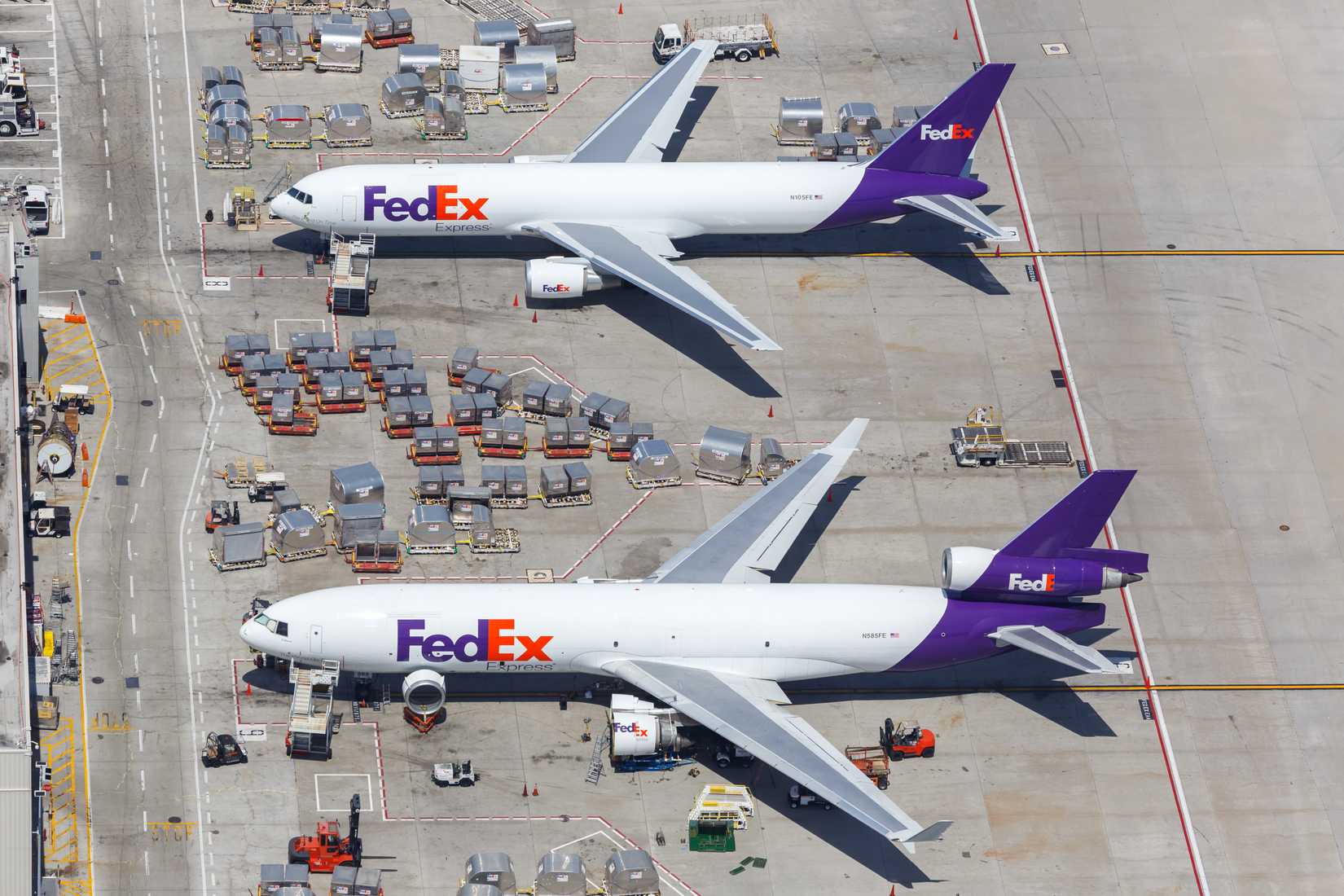
Boeing’s recommendation is a traditional precautionary intervention, with freeze exposure on a legacy aircraft type while investigators continue to analyze whether the Louisville crash points to a systemic hazard. The company says it acted in an abundance of caution and is carefully coordinating with the Federal Aviation Administration. The manufacturer’s language signals uncertainty about the root cause of this incident.
Early NTSB details, including engine separation and cockpit warnings just seconds after takeoff thrust was achieved, raise the possibility of risks that could be shared across the control systems of a decades-old three-engine aircraft. Context does ultimately matter too, with the FAA issuing an airworthiness directive for the type in 2024 for thrust-reverser-related concerns, underscoring existing sensitivity surrounding the aircraft’s outdated propulsion systems.
The principal objective of this recommendation is undoubtedly the maintenance of a safety-first posture, both with regulators and major Boeing customers. This limits reputational and liability exposure while engineering teams validate what must be inspected or modified, while also helping synchronize operator maintenance actions across the globe.
source