


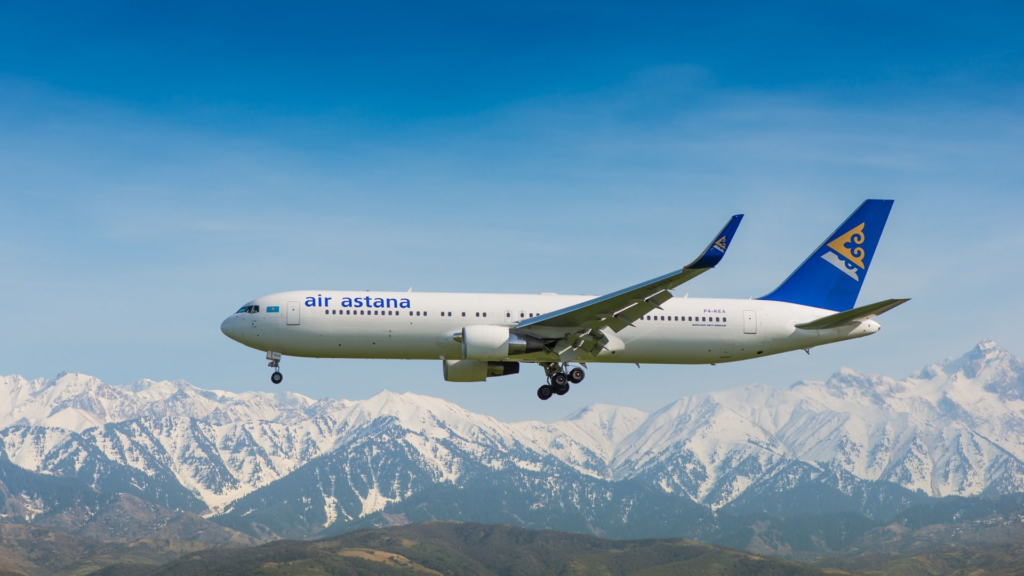


The order will allow Air Astana, Kazakhstan’s national flag carrier, to not only modernize and bring a higher standard of service to customers but also expand its international network. The Dreamliner will revolutionize the airline and the aviation industry of Kazakhstan as well.
Air Astana Leaping Forward


The three 767-300ERs currently in service with Air Astana are just under twelve years old, according to Planespotters.net fleet data. This small cadre includes the last passenger configured 767-300ER to ever roll off the Boeing assembly line. The new 787s will allow for the retriement of these faithful workhorses as a new era is ushered in for the flag carrier.
The Dreamliner features 65% larger windows than the 767, which can be dimmed electronically using an electrochromic system instead of physical shades. The cabin air in the 787 is not sourced directly from the engines (“bleedless” architecture), ensuring cleaner air quality. The 787 features a more modern and spacious interior design, with mood-enhancing LED lighting and more advanced in-flight entertainment systems.
The 787’s cabin is pressurized to a lower equivalent altitude of 6,000 feet, compared to the 8,000 feet of the 767. The composite fuselage of the 787 allows for higher cabin humidity levels, which helps reduce dry eyes and discomfort during long flights. Advanced insulation and engine design make the 787 cabin significantly quieter than older aircraft like the 767.
Peter Foster, CEO of Air Astana, was quoted as giving the following remarks in the Boeing press release:
“With its customer friendly cabin, fuel efficiency and range flexibility, the fleet of up to 18 Boeing 787-9 aircraft is destined to become an outstanding success with the airline and its discerning passengers.”
Kazakhstani Aviation’s Momentum

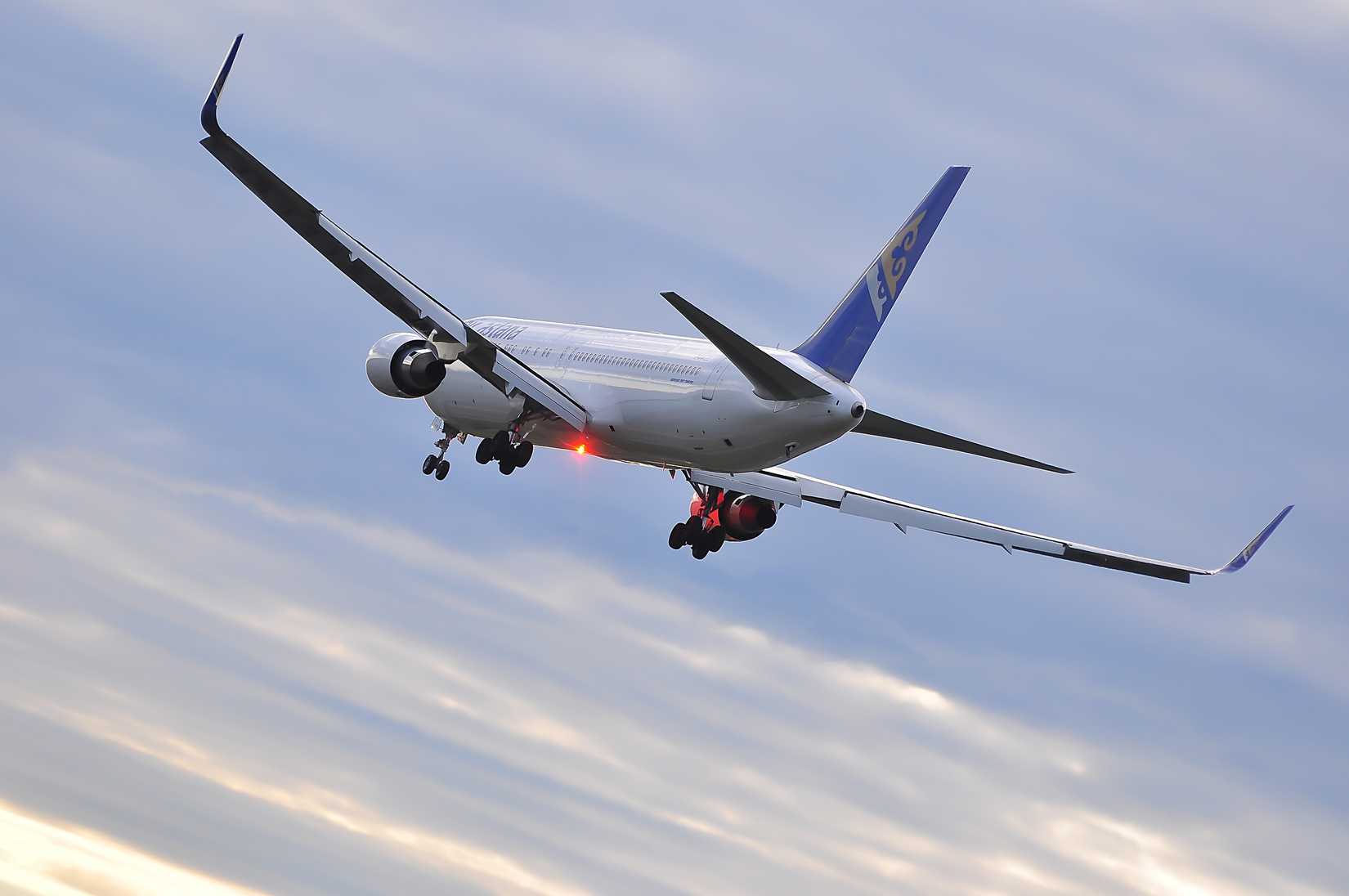
Kazakhstan’s air travel industry is experiencing rapid expansion, with recent data showing an 11% annual increase in passenger traffic, as the Astana Times reported. In the first eight months of 2025, traffic saw an 8% year-on-year increase. The low-cost carrier (LCC) FlyArystan has significantly boosted domestic air travel, which has been cited as the world’s fastest-growing domestic market in the past.
The country has launched or reopened dozens of new domestic and international routes, connecting to destinations in Europe, Asia, and the Middle East. The Kazakhstani industry, specifically Air Astana, is aiming for new connections to destinations like Singapore, Tokyo, Rome, Vienna, and possibly even New York.
The airline’s goal of expanding service capabilities from Central Asia to destinations in Asia, Europe, and possibly North America is centered on the deal for up to 15 Dreamliners, which is the airline’s largest single aircraft purchase. The 787-9 uses 20–25% less fuel than the 767-300ER, which makes longer, nonstop routes possible with its efficiency, and dramatically lowers operating costs.
The Rise Of Central Asian Air Travel


The agreement was signed at the C5+1 Summit in Washington, DC, a diplomatic platform between the United States and five Central Asian nations. Aside from the US and Kazakhstan, the other members are: Kyrgyzstan, Tajikistan, Turkmenistan, and Uzbekistan
International confidence has increased as a result of Kazakhstan’s removal from the European Union’s aviation safety blacklist and its compliance with ICAO safety standards, which are higher than the global average. In order to turn Astana, Almaty, Aktobe, and Shymkent into regional centers, new terminals have been constructed or renovated in Kyzylorda, Almaty, and Shymkent.
Situated on historic trade routes connecting Europe and Asia, Kazakhstan is also the largest landlocked nation in the world. Expanding international flight networks and a “New Silk Road” plan make its location a perfect transit and logistics hub for both passenger and cargo flights in the future of global air travel.
source