


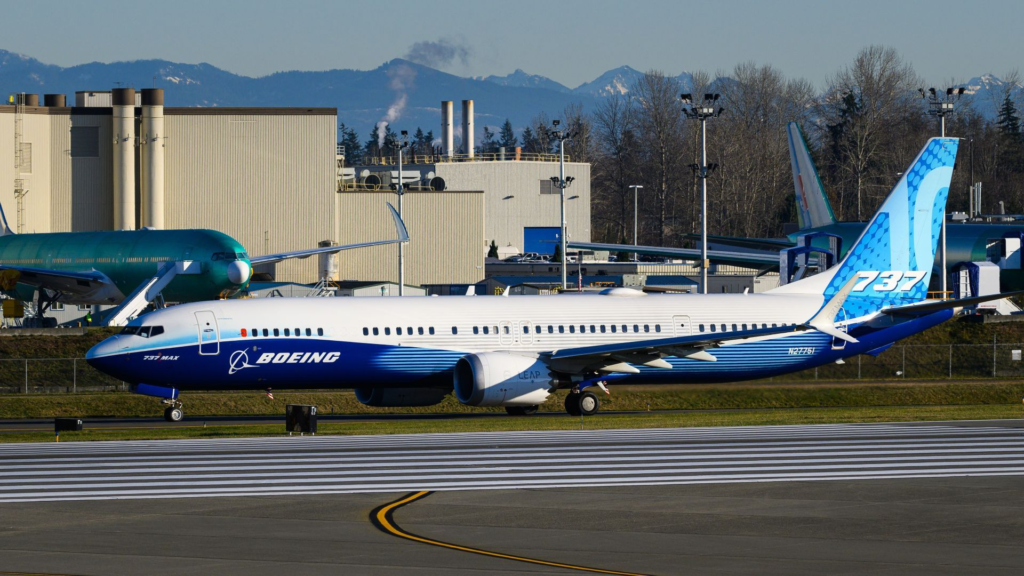


This development marks a major step in certifying the Boeing 737 MAX 7 and 737 MAX 10 variants. Both of these planes have been delayed for years, with the engine anti-ice system being the primary reason behind the delay. With the design now finalized, Boeing can get it certified, which will finally allow the FAA to certify the variants and for the jets to enter service.
A New Engine Anti-Ice System For The 737 MAX


For years, Boeing has been working on a new engine anti-ice system for the Boeing 737 MAX. During icing conditions, the EAI directs air into the inlet cowl, thereby preventing a build-up of ice. However, testing revealed that under prolonged use, the composite structure of the nacelle could be vulnerable to thermal damage, especially considering that the EAI system is manually operated on the Boeing 737 MAX. As the nacelle is designed by Boeing, it’s responsible for addressing this issue.
Boeing has spent years drafting and reviewing various design solutions before finalizing its current proposal. This has prevented the certification of the Boeing 737 MAX 7 and the lucrative Boeing 737 MAX 10 variants, which have been pushed back by several years, while the company has had to develop in-service limitations for the 737 MAX 8 and 737 MAX 9 variants until they can be retrofitted.
When speaking at the Dubai Airshow, Boeing Commercial Airplanes President and CEO Stephanie Pope stated,
“We’ve spent thousands of hours getting that design done. Now it’s defining the certification plan, getting the FAA to accept that certification plan,”
What Comes Next For The Boeing 737 MAX

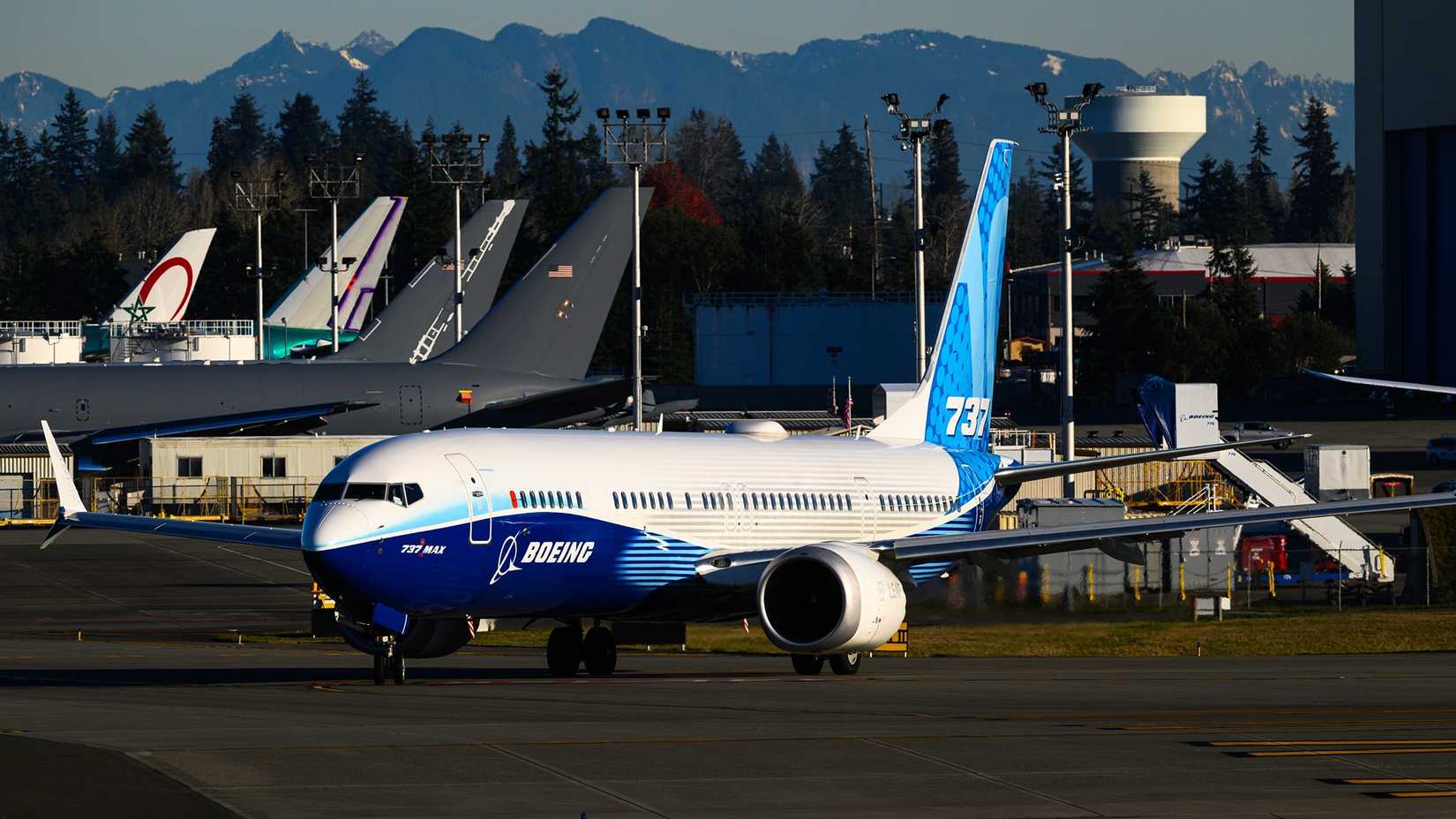
The news came during the third day of the biennial 

Boeing is currently negotiating with the FAA to develop a comprehensive certification plan for the new system. After much scrutiny, the FAA will either approve the system or request changes before certifying it. This will permit the certification of the 737 MAX 7 and 737 MAX 10 variants, while a retrofit plan will be developed for in-service 737 MAX 8 and 737 MAX 9 aircraft.
The 737 MAX 8 is the star of the 737 MAX family, while the 737 MAX 7 variant is mainly being built for 


Boeing Finally Gets FAA Approval To Raise 737 MAX Production
The American aircraft manufacturer will now be able to produce up to 42 737 MAX jets per month.
Why The 737 MAX 7 and 737 MAX 10’s Certifications Are Important

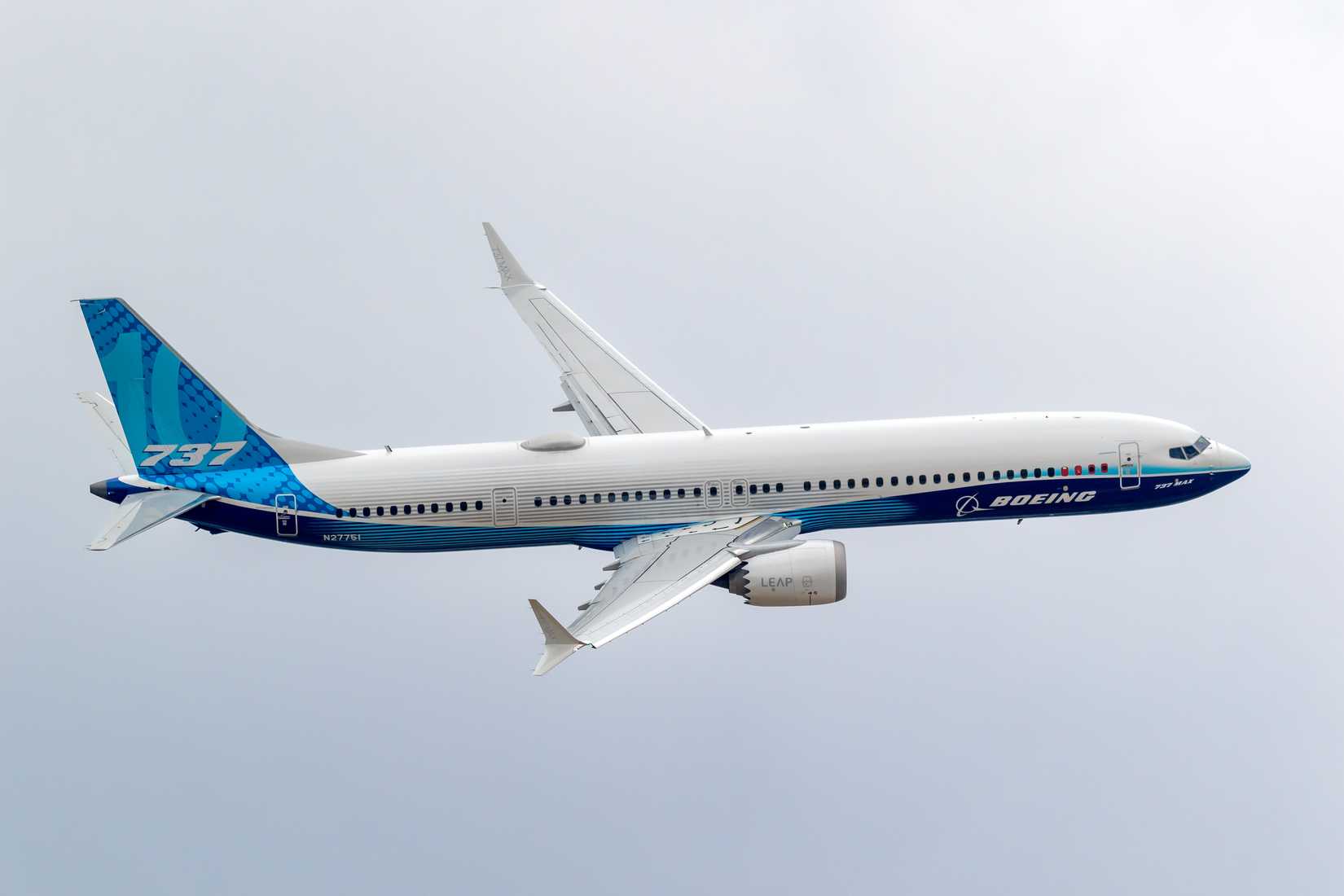
The 737 MAX 7 has received few orders apart from Southwest Airlines, which remains the 737’s largest and most loyal customer. Ultimately, however, this aircraft is priced lower than the rest of the family and will bring lower margins for Boeing. In short, getting the aircraft certified is important to fulfill existing contracts, but the 737 MAX 7 as a whole is not a priority for Boeing.
The 737 MAX 10, however, is perhaps Boeing’s most important narrowbody aircraft project today. Not only will the aircraft bring in higher margins than its siblings, but it will finally be a competitive response to the Airbus A321neo, which has run away with well over 7,000 orders since launch, making it the most widely ordered jet-powered airliner variant of all time.
|
Airbus A320neo Family |
Boeing 737 MAX Family |
|---|---|
|
A319neo |
737 MAX 7 |
|
A320neo |
737 MAX 8 (737 MAX 200) |
|
A321neo (A321neo, A321LR, A321XLR) |
737 MAX 9 |
|
737 MAX 10 |
Boeing currently expects the 737 MAX 10 to enter service in 2027 with WestJet. The aircraft has already received over 1,200 orders in the eight years since its launch, and once the aircraft is flying paying passengers, more orders are sure to follow, given its compelling economics. Afterwards, Boeing is sure to book more sales for the 737 MAX 10 and provide a bigger fight against Airbus than today, in which the 737 MAX 8 is the only in-service variant that routinely receives orders.
source