


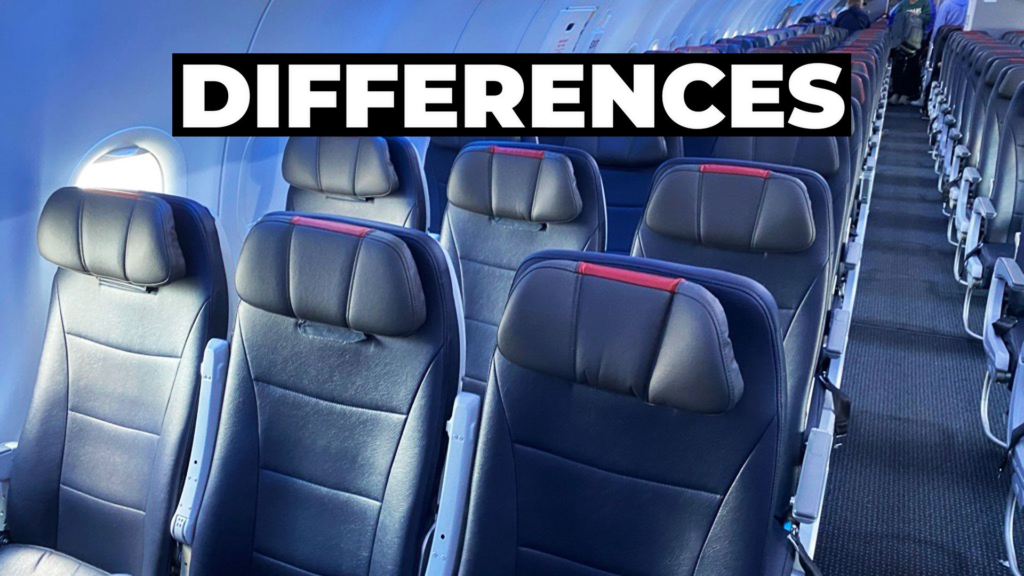
Economy class is everyone’s least favorite cabin, yet this is the travel class that most people fly in. It is the tightest cabin, with less legroom, narrower seats, infamous fights over armrest rights and recline, along with smaller screens and more basic meal options. Of course, this is also the cheapest travel class, and although it’s not as comfortable or glamorous as travel during the golden age of travel in the mid-20th century, tickets are far more affordable today.
That’s economy class. No one truly loves it, but it’s acceptable for most passengers, and it allows customers to fly all over the world for relatively affordable fares. In the 2010s, however, airlines introduced a ticket class below economy. It’s called basic economy, and its introduction not only sparked memes about the future of budget air travel, but it can also cause confusion as to how it differs from economy.
Economy Versus Basic Economy

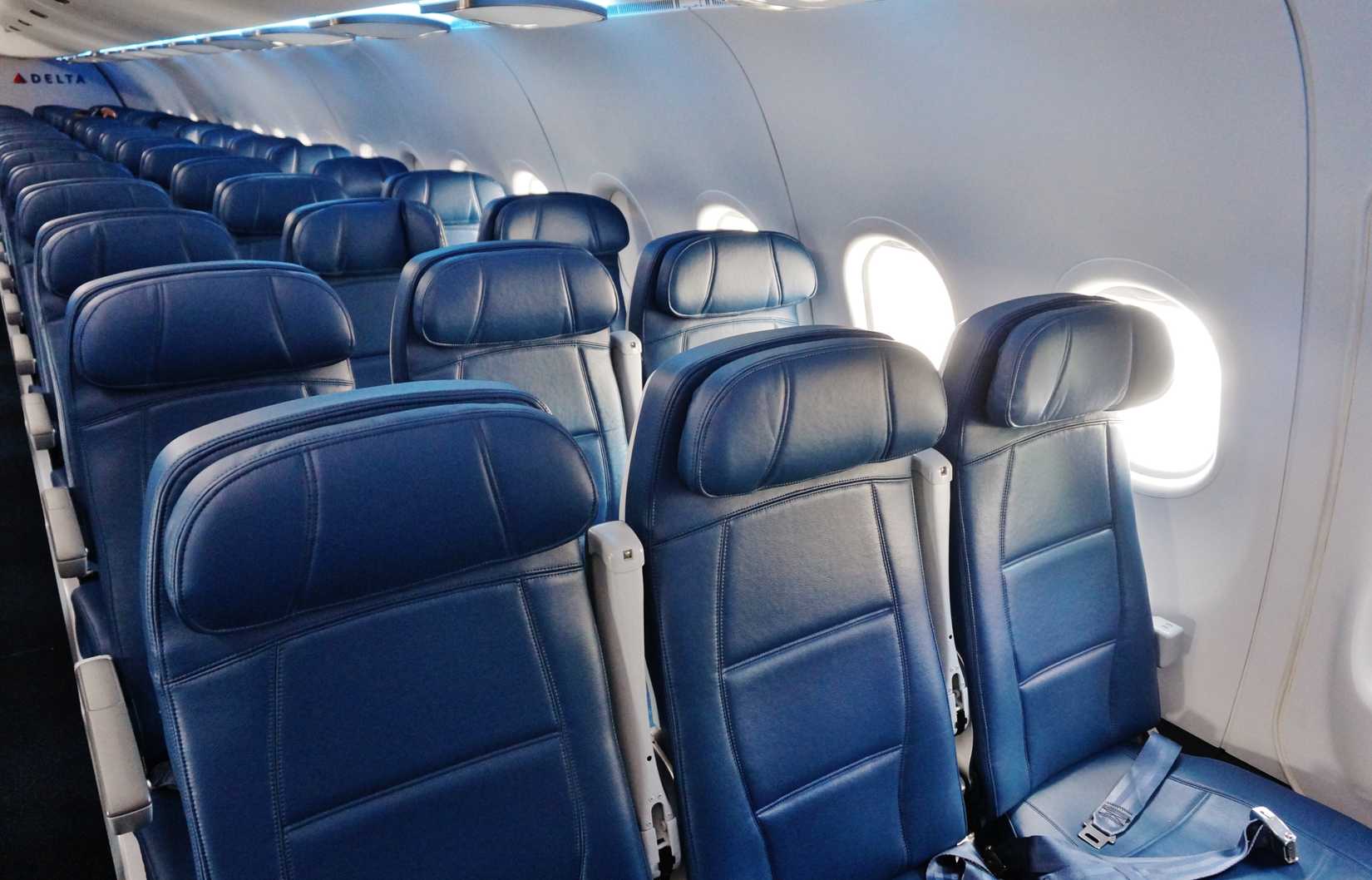


The actual seats that the airline sells are the exact same. Basic economy is not a separate travel class, but rather, a ticket type. Airlines offer a wide variety of ticket types for the same cabin, and basic economy is the lowest fare class for economy passengers. In other words, all basic economy tickets are for travel in economy, but not all economy tickets are basic economy tickets. This differs from extra-legroom seats, which are also sold as economy seats for a fare premium.
The terms of basic economy tickets vary by airline. In Europe, all IAG and Lufthansa Group carriers sell basic economy tickets, along with Air France, KLM, Finnair, and Virgin Atlantic. These fares typically do not permit seat selection or checked baggage. This is also similar to the restrictions found on basic economy tickets sold by Etihad Airways and China Eastern, two of the most prominent Asian carriers to implement basic economy.
Restrictions At The Big Three US Airlines


Delta was the first US airline to introduce basic economy fares (now known as Delta Main Basic). In-flight service and amenities are the same, but Delta Main Basic ticket holders cannot preselect their seats in advance. The main Basic customers board last (Group 10), and they cannot accrue SkyMiles. Additionally, upgrades, lounge access, and travel changes are generally not permitted (though the exact terms vary depending on destination.)
Basic economy customers traveling with 
|
Airline |
Debut Of Basic Economy |
|---|---|
|
Delta Air Lines |
2012 |
|
United Airlines |
2017 |
|
American Airlines |
2017 |

Why Would An Airline Introduce Basic Economy Tickets?
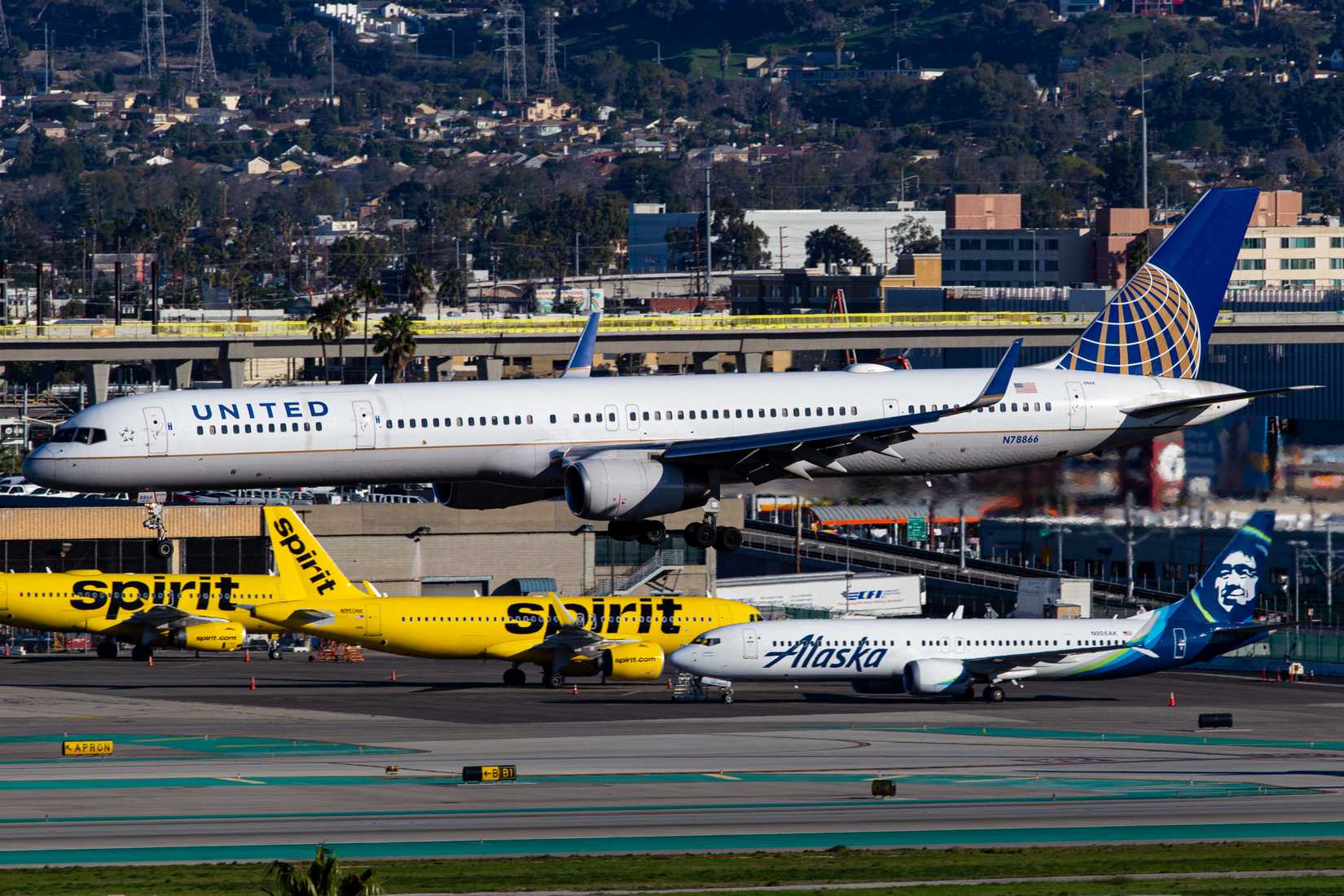
Airlines claim that basic economy fares help them compete with budget airlines, which typically undercut them in price. While this may be true from a pure business perspective, legacy carriers have remained more expensive than their low-cost or ultra-low-cost competition. What’s occurred is that prices have largely stayed the same or are only slightly lower, but these fares are now more restrictive than before.
From a business standpoint, this greatly increases upsell opportunities. Airlines provide alerts and warnings on the restrictions of basic economy and encourage customers to move up to the next fare class, which leads to higher yields. This is especially beneficial for airlines regarding business travelers. Legacy carriers rely heavily on business travelers (who do not always travel in premium cabins), and the restrictions with basic economy tickets are often incompatible with business travel.
|
Airline |
Economy Fare Types |
|---|---|
|
American Airlines |
Main Plus Main Cabin Basic Economy |
|
Delta Air Lines |
Delta Comfort Main Extra Main Classic Main Basic |
|
United Airlines |
Economy Plus Economy Fully Refundable Economy Basic Economy |
Business travelers often book tickets much closer to departure than leisure travelers and require more flexibility for flight changes or cancellations. A basic economy fare may be initially cheaper, but it would be overall more expensive if changes are necessary, since this would require booking a new ticket and no refund. Many companies have policies against booking basic economy tickets, and airlines are receiving higher fares as a result.
The Importance Of Price Segmentation

Airlines sell numerous fare types in each cabin. In economy, you’ll often find basic, standard, and fully refundable fares, with other travel classes also coming with a variety of fare options depending on the airline. This allows airlines to better match the needs of different passengers and to offer more opportunities for upsells. Airlines can then release differing numbers of different fare types to match demand and preserve price integrity.
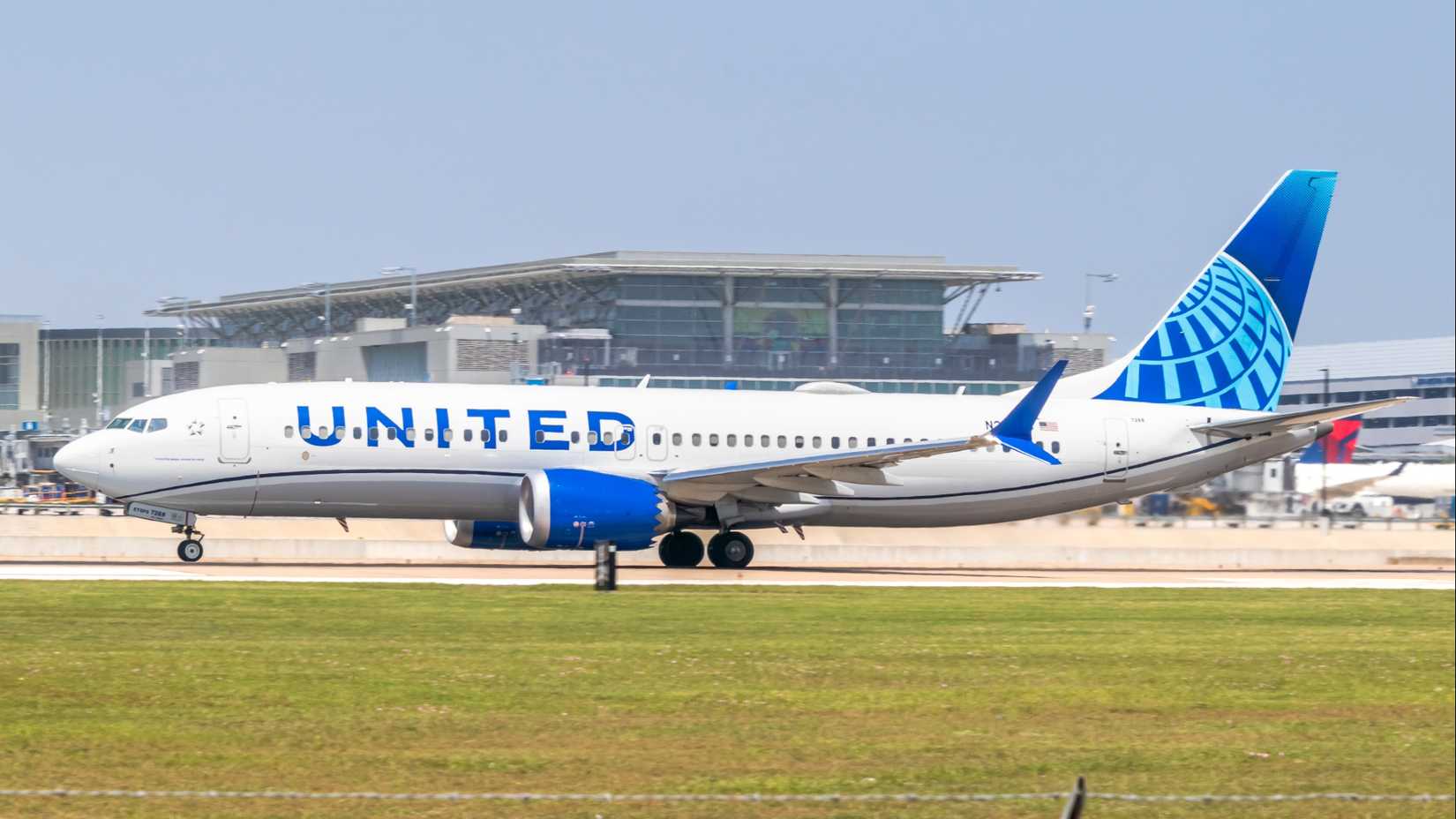
United Airlines CEO Scott Kirby has been particularly vocal about his company’s use of basic economy fares. The company is standardizing on larger variants of the Boeing 737 MAX for its domestic network, and it can move away from smaller, less economical shrinks like the 737 MAX 7. On routes with weaker demand, the carrier can release more basic economy fares, thereby enabling the carrier to fill a larger plane.
While full-service carriers aren’t necessarily price-matching budget airlines, US airlines are using basic economy tickets to drown out low-cost competitors. Overwhelmingly, US passengers are paying a premium to fly legacy carriers, so releasing more basic economy fares essentially snuffs out the competition. As a result, budget airlines across the US are struggling financially, and the ones that aren’t have either made major changes to their business model or avoid direct competition.
Are Basic Fares For Business Class Coming?
In 2019, 

Look, what I would say is over time, over the last 7 or 8 years, we’ve leaned heavily into segmentation of our revenues, which is really in our articulate way of saying, providing more and more choices to our customers so they can pick the experience they would like from premium to basic economy. And we have learned through that time period that our customers really appreciate this. Not everybody wants the full experience. Some people want other experiences. And so the value to United as an airline and to that of our customers has been proven by the segmentation of revenues that we’ve done. And we look forward to continuing to diversify our revenue base and segment it in the appropriate way, and I’ll leave it at that.
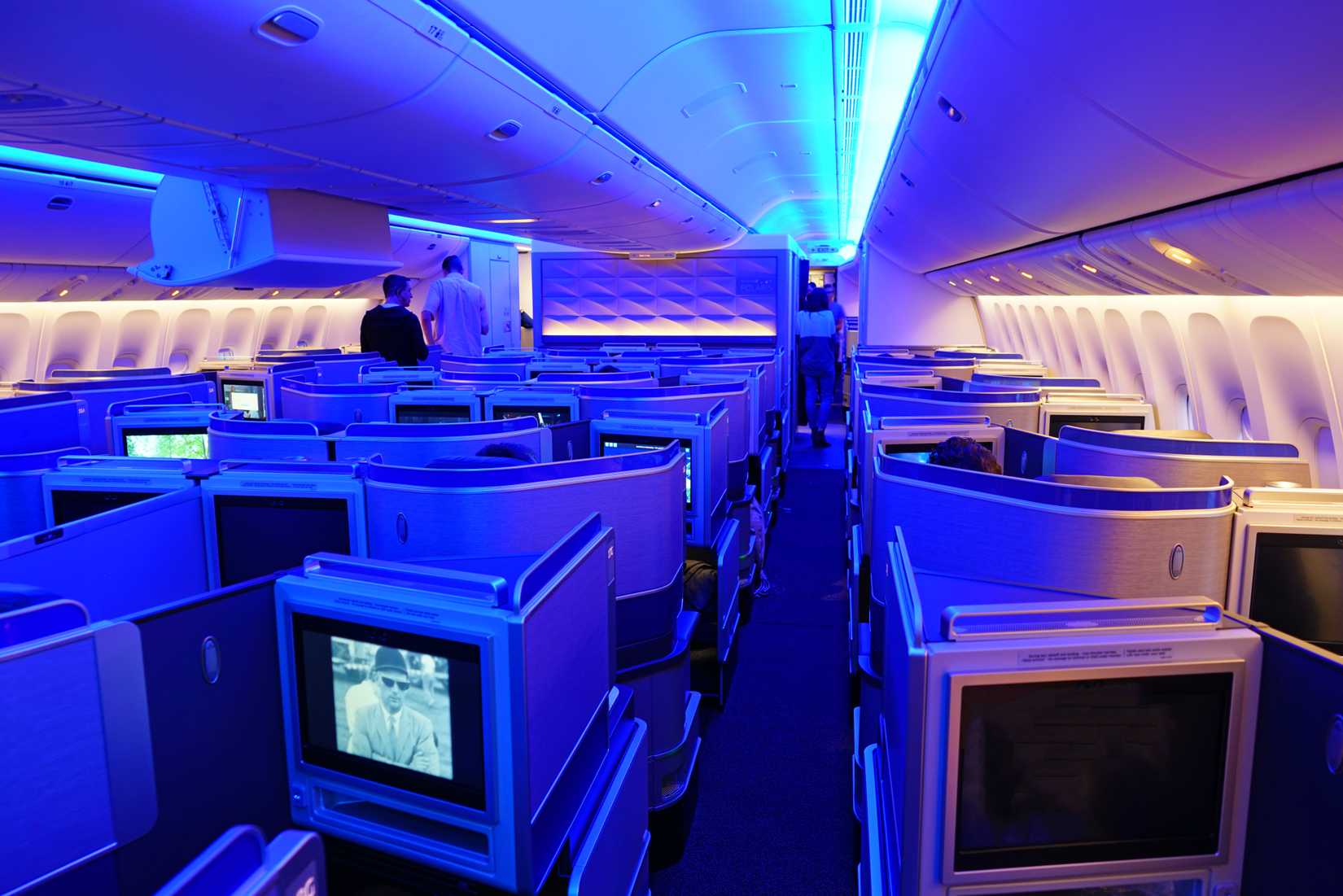
Traditionally, leisure travelers book economy or premium economy, while business class is filled with business travelers. As such, airlines saw the need to segment pricing in economy class, while offering largely just one fare type in business class. Today, however, that’s changing. More and more passengers are booking business class for leisure travel.
|
Airline |
Travel Classes Offered |
||||
|---|---|---|---|---|---|
|
American Airlines |
Flagship First |
Flagship Business Flagship Suites |
First Class |
Premium Economy |
Main Cabin |
|
Delta Air Lines |
DeltaOne DeltaOne Suites |
Delta First |
Delta Premium Select |
Delta Main |
|
|
United Airlines |
Polaris United Business |
United First |
Premium Plus |
Economy |
Business class tickets can be extraordinarily expensive, so offering a basic business fare makes these cabins more accessible, thereby making it easier to fill cabins. Additionally, this creates more upsell opportunities, which become even more lucrative given the high profit margins associated with these cabins. As such, while it isn’t widespread yet, it’s almost certain to catch in in the US, the nation that popularized basic economy fares.
Rundown Of Basic Economy
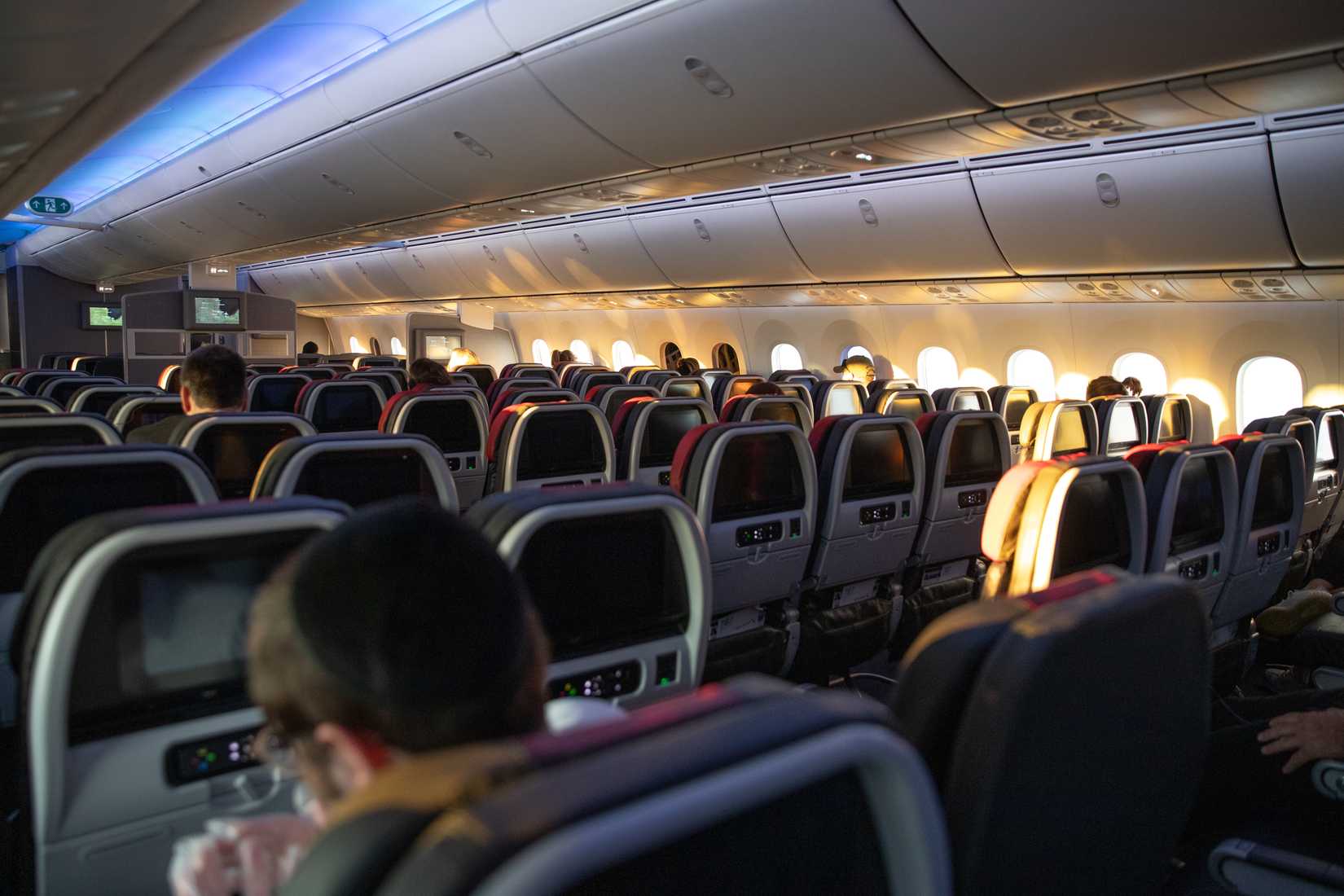
Legacy airlines in the United States sell business class, premium economy, domestic first class, and economy. Within each travel class, you might see multiple fare options. In economy, you’ll see extra legroom, fully refundable, standard, and basic. Extra legroom seats give you a seat with more space and a different visual design, while the other fare choices give you the same seat with differences in flexibility and purchase conditions.
It’s difficult to determine whether this has had a positive or negative impact on passengers, but basic economy fares have been a smash hit for airlines. These companies now offer more options that appeal to a wider customer base, improving their competitiveness against budget carriers while simultaneously improving fleet and network economics.
source