


Some countries have government task forces to crack down on drugs, while Bali has a government task force to crack down on… influencers. In fairness, this is a bit nuanced, but I imagine some people will feel a sense of schadenfreude.
Task force rounds up Bali influencers, detains and deports them
When you travel to another country, a visa may sometimes be required. The type of visa you need depends on the purpose of your trip, with many countries issuing tourist visas, work visas, etc.
The issue is, that line has been blurred a lot over the years, with the increase of remote work. Do you only need a work visa if you’re actually being paid locally? Or what about if you’re using your trip to a country to generate revenue in some way?
Well, this is something that authorities in Bali are cracking down on, as Bali has become influencer central over the years. Indonesian immigration authorities have drawn a hard line when it comes to what constitutes work, and it covers just about everything that influencers do.
The idea is that if you take part in any brand collaborations, post sponsored social media posts, participate in photography assignments, or even have a deal where you get free accommodation in exchange for content, that requires a work visa now. Even unpaid promotional photo shoots intended to increase an influencer’s portfolio are considered commercial activity, which requires a work permit or remote worker visa.
Essentially anything that creates economic value requires a work visa. In the past, many influencers thought that as long as they’re not being directly paid money locally, that doesn’t constitute work. But regulators have made it clear that even when money isn’t changing hands, economic value can still be created.
This isn’t just a theoretical law, but the Dharma Dewata Immigration Patrol Task Force was formed in April 2026, and is actively detaining and deporting people who violate the rules. They’re going around the areas popular with influencers, and even browsing social media content.
Within the first few weeks, 62 influencers were detained, and either fined, deported, or both. They’re also facing entry bans of multiple years.

People are divided, and this is a complex topic
As you’d expect, people have varying takes on this new policy. It’s hilarious to see the comments on social media posts — you have some self-important influencers up in arms, suggesting that such a policy will lead to Bali’s downfall, while you have others who are downright delighted.
In fairness to Bali, the government does make it relatively easy to get a remote work visa. It’s just more expensive, and ultimately it’s not unreasonable that the government would want to raise some more money from those who are generating revenue while in Bali, rather than those people spending their tourist dollars there.
At the same time, this isn’t always so straightforward, and I think many people genuinely don’t know what the rules are, since they differ so much between countries. Like, if you go somewhere and you’re being paid locally for your work there, that is without a doubt work, and it’s fair for them to crack down on that.
Let me even reflect on myself — I love flying airlines and staying at hotels, and I travel all over the globe reviewing those experiences. It’s not like I’m being paid locally, but I guess by Bali standards, they’d want me to get a work visa.
But I do think this is a slippery slope, when we’re talking about anything that generates economic value constituting work. For example, say you post on X a lot, and are in their creator revenue sharing program, where you get paid a percentage of ad revenue when people see your posts.
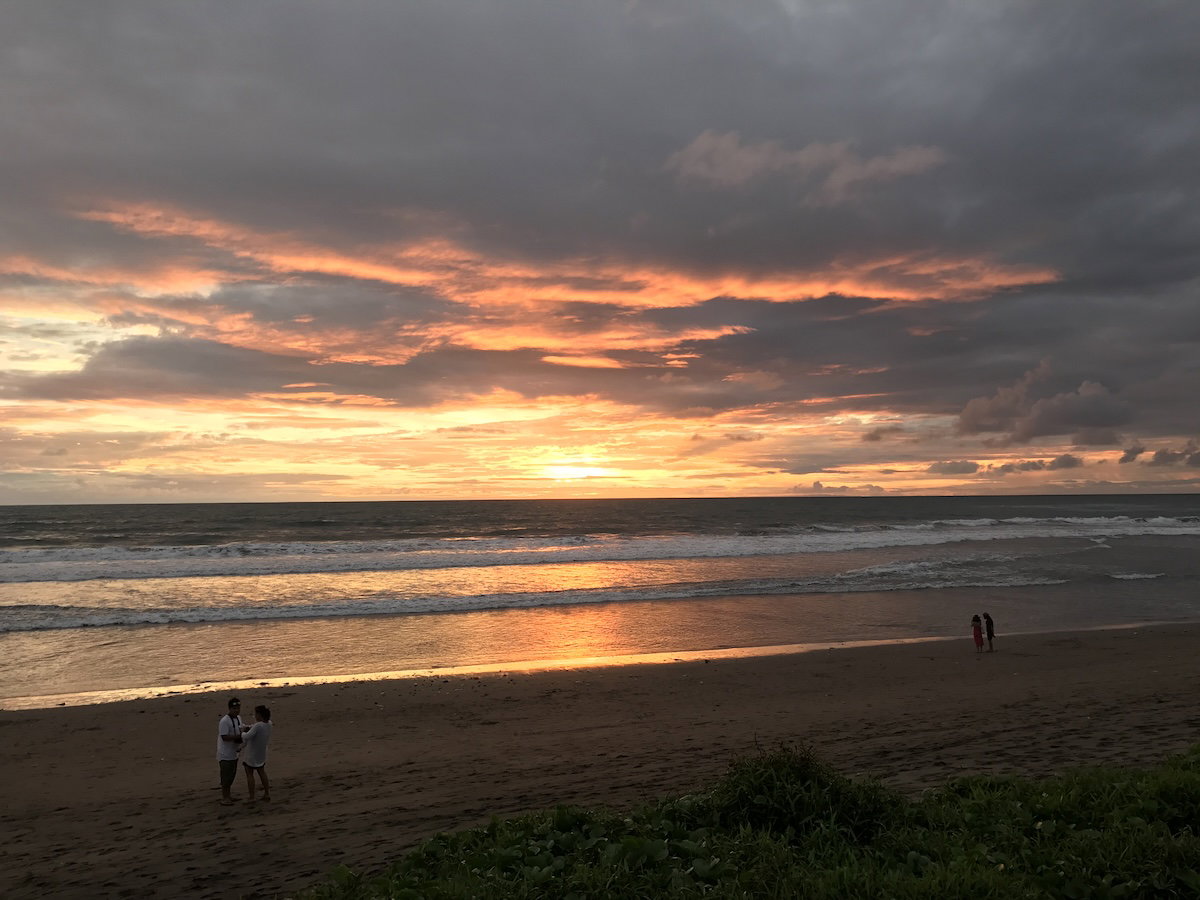
Say you usually post on X about politics, and you go to Bali to vacation. Then say you just post a picture of a pretty sunset, when this is otherwise in no way a business trip. Well, technically you’re generating economic value, right? So does that mean you should have to get a work visa?
Bottom line
Bali is known for being an incredibly beautiful destination… which also happens to be overrun by influencers. Bali’s government is fed up, and the issue isn’t the influencers as such, but the fact that they’re on the wrong types of visas.
However, the government is using a stricter definition than some other places when it comes to defining the type of activity that constitutes work. Bali has decided that any activity that generates economic value requires a work visa. Dozens of influencers have been detained and deported in recent weeks, and it looks like enforcement will only ramp up even more over time.
What do you make of Bali’s influencer crackdown?