


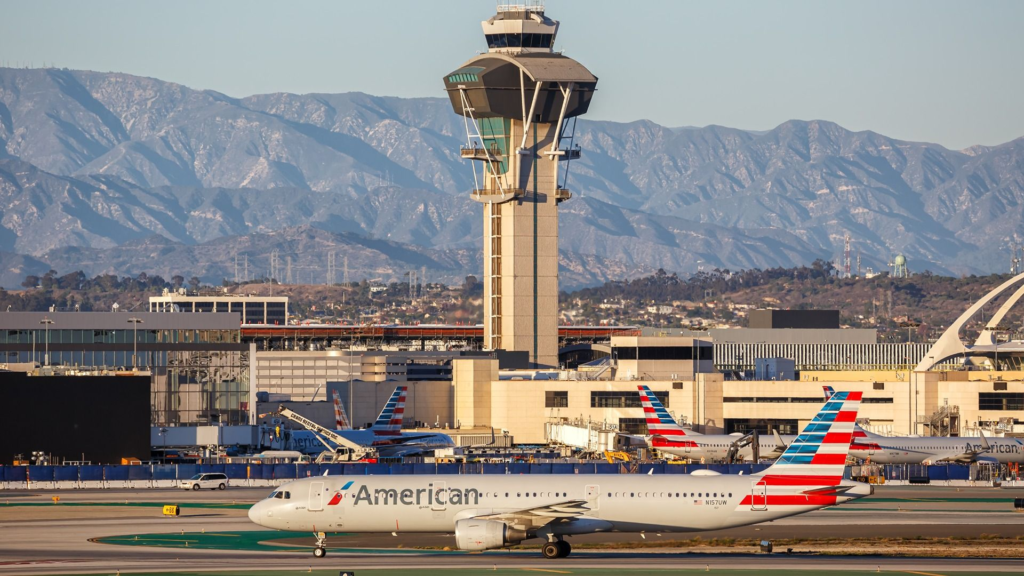
The Federal Aviation Administration (FAA) has lifted its restrictions on flights at 40 major airports in the United States, putting an end to 10 days of enforced flight cuts. With the recent government shutdown — the longest ever in US history at 43 days — ending on November 12, airlines are now returning to pre-shutdown levels. Restrictions had already been halved by this weekend and have now been lifted entirely as of Monday morning.
The agency cited an improvement in air traffic control (ATC) staffing levels, which have “continued to snap back into place” since the shutdown ended. However, airline chiefs have warned there will still be knock-on effects in the coming days, particularly with the busy Thanksgiving travel period right around the corner.
FAA Lifts Shutdown Flight Restrictions

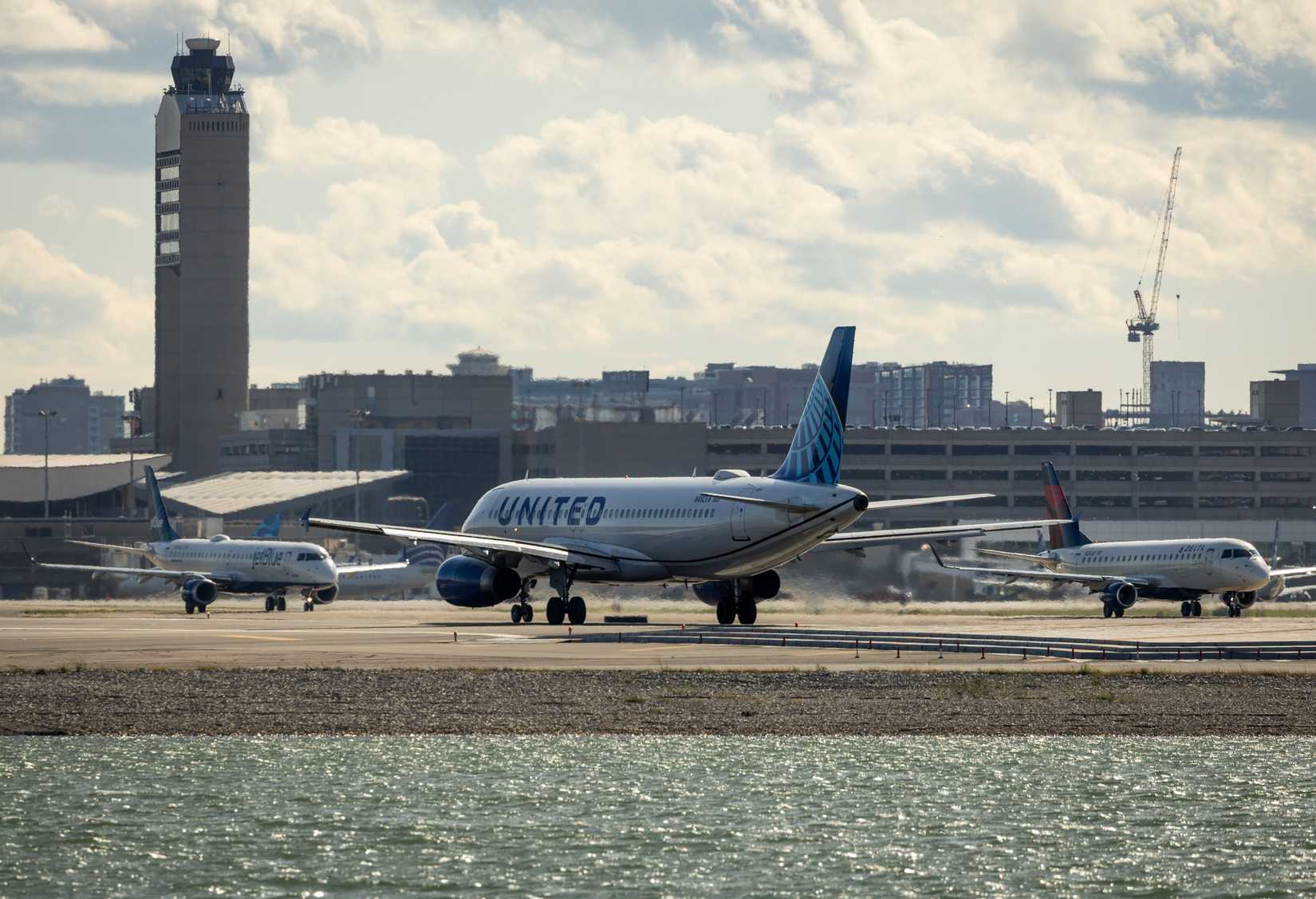
In a joint statement, US Transportation Secretary Sean Duffy and FAA Administrator Bryan Bedford announced that the agency’s flight reduction emergency order will end at 06:00 on Monday, November 17, allowing airlines to return to normal operations across the country. Under the restrictions, 40 airports were ordered to reduce operations by 4%, later bumped up to 6%, then reduced to 3% over the recent weekend. The FAA’s safety team recommended the restrictions be lifted after conducting “detailed reviews of safety trends,” along with a drop in staffing-trigger events in air traffic control centers.
The number of flight cancellations this weekend was at its lowest rate since the restrictions have been in place, with FlightAware data showing fewer than 500 cancellations on Saturday and Sunday. Additionally, Cirium data showed a 91% on-time departure rate and 0.25% cancellation rate on Sunday, which is actually above average compared to a normal day. Cancellations were at their peak on Sunday, November 9, when carriers scrapped more than 2,900 flights, exacerbated by poor weather and staff shortages.
Transportation Secretary Duffy commented,
“I want to thank the FAA’s dedicated safety team for keeping our skies secure during the longest government shutdown in our nation’s history and the country’s patience for putting safety first. Now we can refocus our efforts on surging controller hiring and building the brand new, state-of-the-art air traffic control system the American people deserve.”
ATC Staffing Crisis Improving

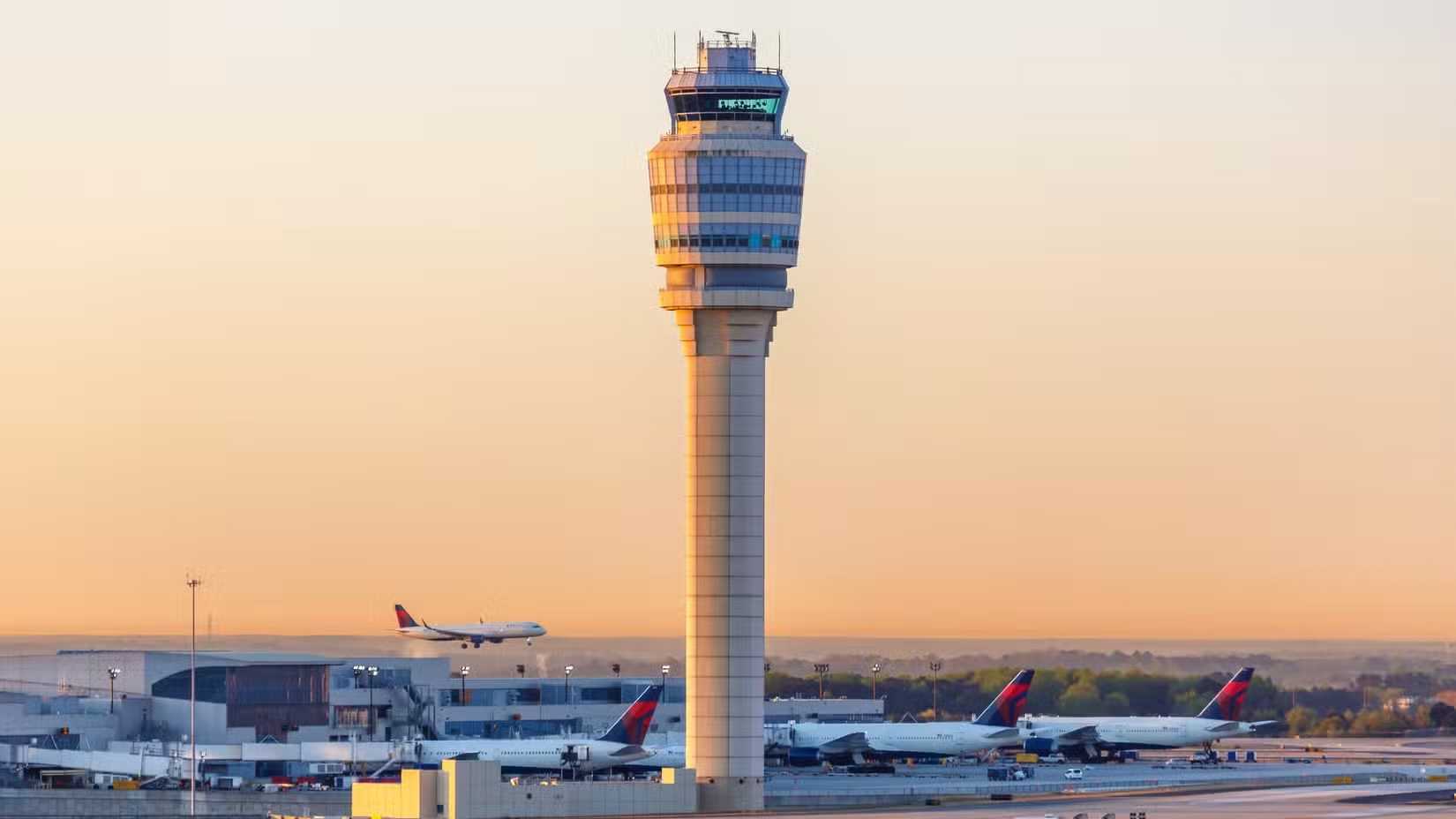
FAA Administrator Bryan Bedford noted that the end of restrictions was a reflection of the “steady decline” in staff shortages across the country, pointing to a significant reduction in staffing-trigger events at ATC centers.
A staffing-trigger event is registered when a facility falls below its minimum staffing level to operate as planned. Trigger events were in the single digits for the past three consecutive days, compared to the recent high of 81 events on a single day, recorded on November 8.
|
Date |
Staffing Triggers |
|---|---|
|
Saturday, November 8 |
81 |
|
Friday, November 14 |
6 |
|
Saturday, November 15 |
8 |
|
Sunday, November 16 |
1 |
Due to the government shutdown, over 13,000 air traffic controllers were working without pay between October 3 to November 12, with many struggling financially after missing two consecutive full paychecks. This put unbearable stress on an ATC ecosystem that was already struggling with understaffing, ultimately forcing the FAA to step in and enforce operational restrictions.
FAA Looking At Possible Non-Compliance
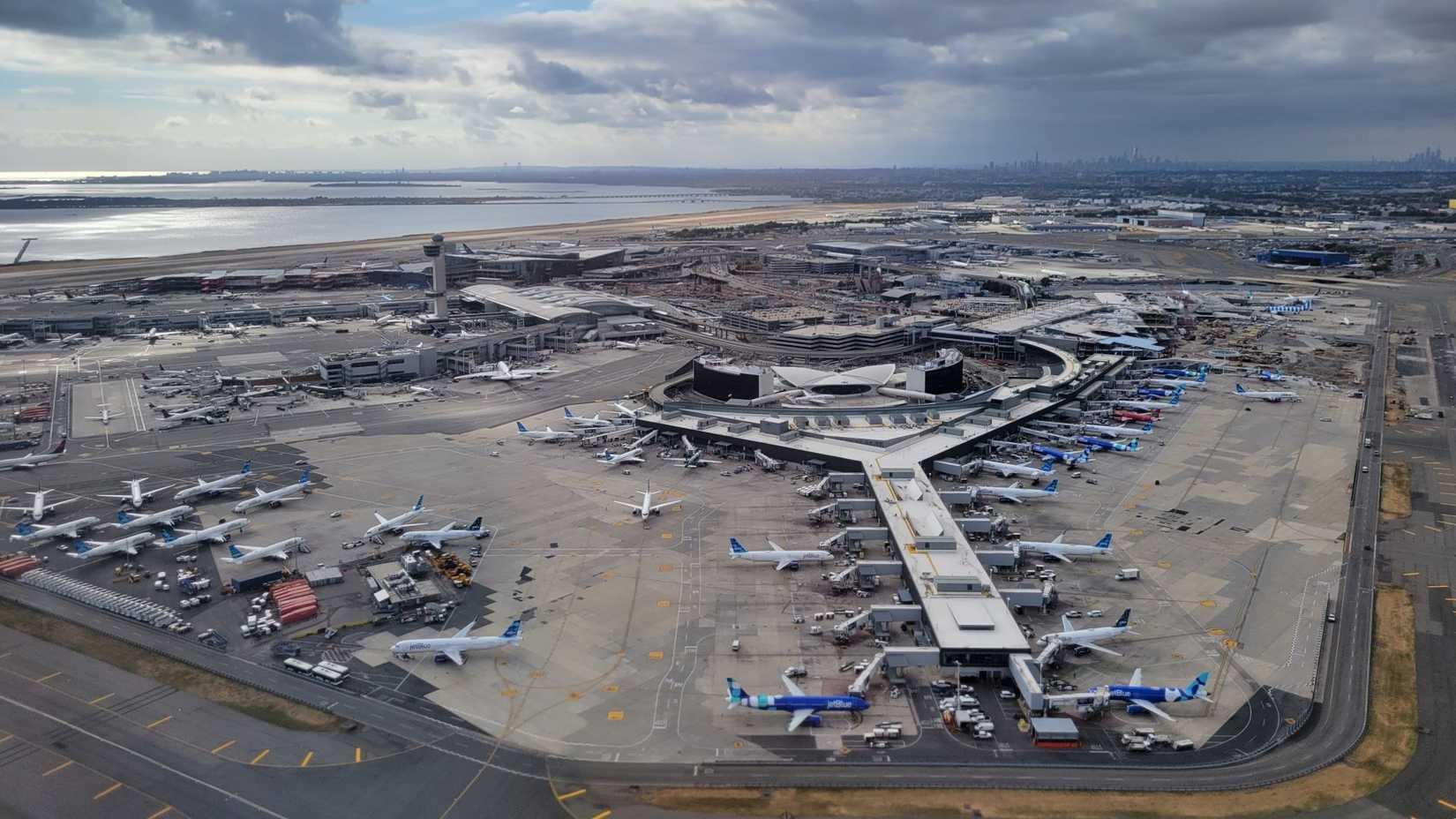
The FAA added in its statement that it was “aware of reports of non-compliance” during the emergency order, suggesting that some airlines did not cancel the required number of flights. While it did not elaborate on which carriers may have been in breach, it said it was “reviewing and assessing enforcement options” and may pursue actions for failure to comply with the order during its effective period.
The return to normalcy will be a huge relief for airlines as the Thanksgiving travel rush approaches. Over six million people are expected to travel by air around the Thanksgiving holiday, which will be a 2% year-on-year increase.
source