US Air Force Upgrades KC-135 with SpaceX Starshield Antennas
The US Air Force collaborates with SpaceX to enhance connectivity on its KC-135 tankers using Starshield antennas under the MAF Connectivity program.
2 min readvia Simple Flying
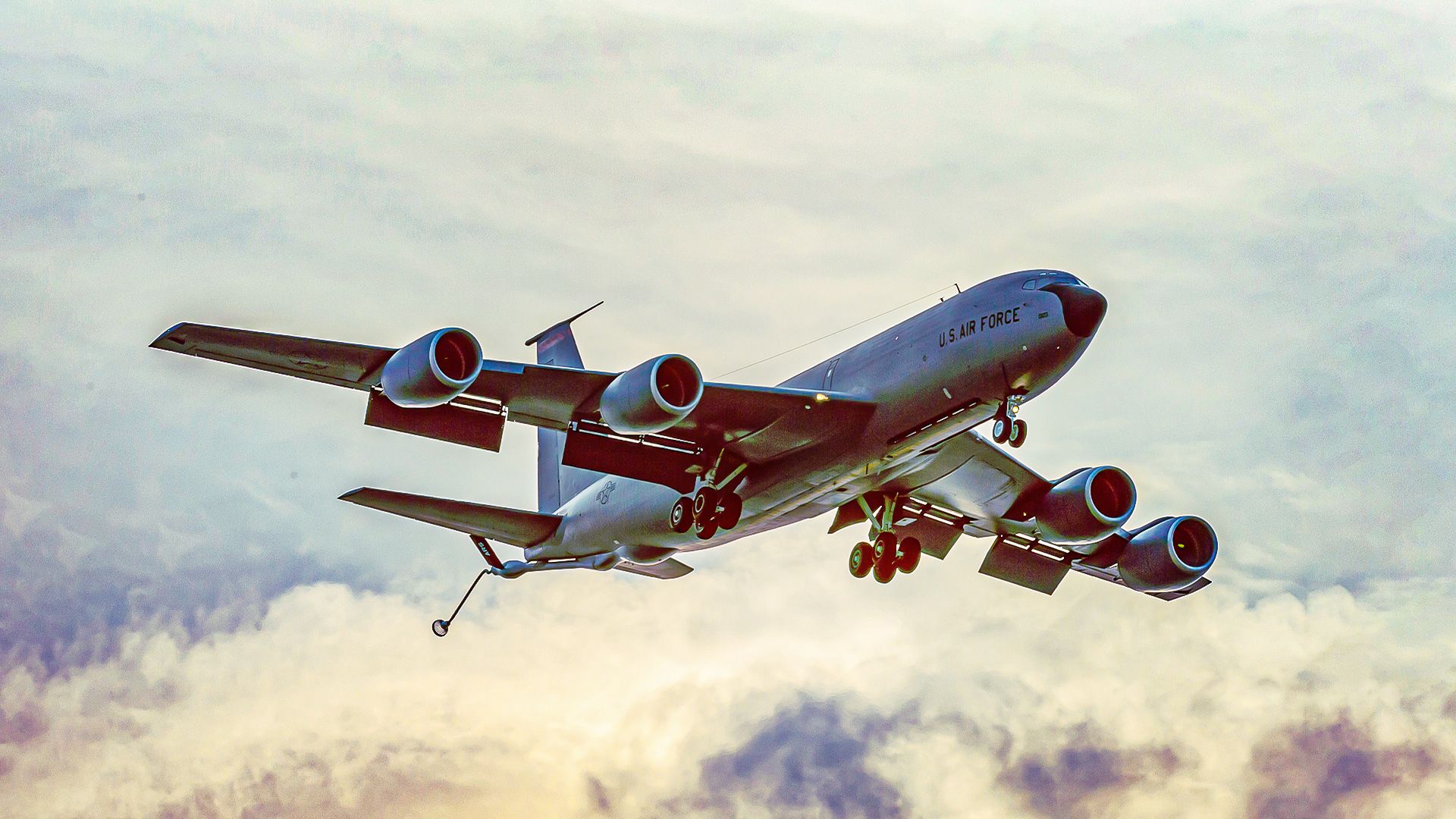
The United States Air Force has announced that it is installing SpaceX's Starshield antennas on its KC-135 Stratotanker fleet. This initiative forms part of a broader effort called the Mobility Air Forces (MAF) Connectivity program. The KC-135, a mid-air refueling aircraft, is one of the oldest still in active service, with some being in operation since the 1950s. The Air Force aims to modernize these aircraft to enhance their capability to serve as communication relays.
The Air Force plans to keep KC-135 in operation through at least 2050.
What has been confirmed
The installations are confirmed to be part of the MAF Connectivity program, with a prototype expected by Q2 of fiscal year 2026. These Starshield antennas will utilize multi-band and multi-orbit SATCOM terminals capable of switching between government and commercial satellite constellations. The Air Force plans for the KC-135 to serve through at least 2050. Additionally, these upgrades will assist in preserving the stealth capabilities of the B-21 Raider by allowing the KC-135 to act as a communication relay.Why it matters
This program reflects a significant collaboration between a leading commercial space company and the military, symbolizing a merger of cutting-edge technology with decades-old military hardware. The upgrades not only bolster the KC-135 tanker with enhanced connectivity and adaptability against electronic warfare but also play a critical role in the armed forces' strategic operations, especially concerning newly developed stealth technology.FlyMarshall context
The KC-135's modernization showcases the ongoing efforts within aviation to extend the life of existing aircraft through technological upgrades. SpaceX's role in this program indicates the increasing involvement of private aerospace companies in governmental and military applications. For commercial aviation, this reflects broader trends of utilizing existing airframes in innovative ways to maximize lifecycle and operational efficiency.What happens next
The next steps involve completing the prototype installation targeted by the second quarter of fiscal year 2026, with a focus on testing the functionality and effectiveness of these new systems. The Air Force will likely release further updates on tests and eventual full-scale implementation across the KC-135 fleet in the coming years.Continue reading
This is an excerpt. The full story, written and reported by Simple Flying, continues on their site.
Read Full Story at Simple Flying