U.S. Navy Pursues 1,000-Mile Combat Radius for Carrier-Based Tactical Drones
The U.S. Navy aims to enhance its aerial capabilities with carrier-compatible drones achieving a 1,000 nautical mile range without refueling.
1 min readvia twz.com
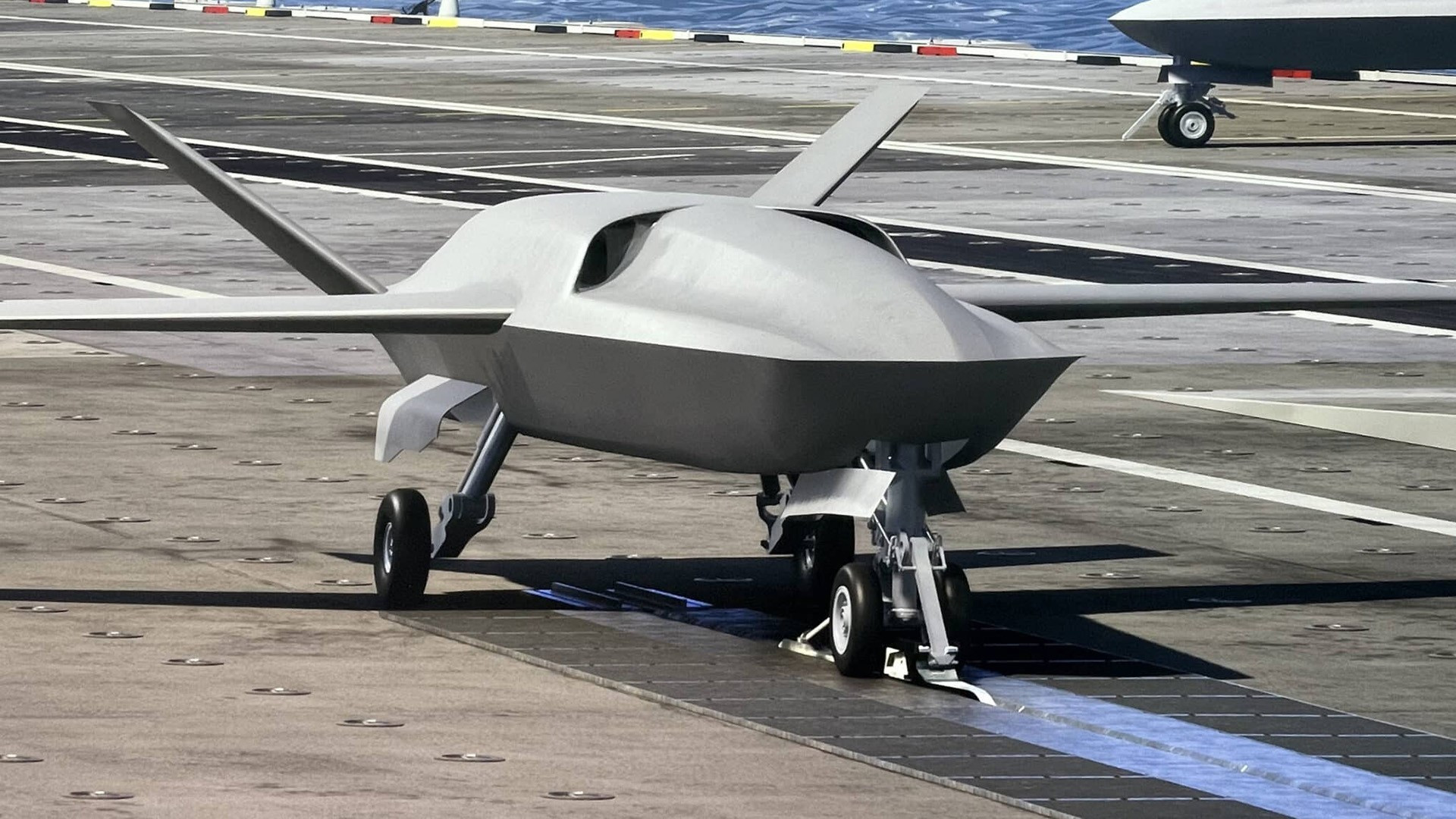
The U.S. Navy has announced an initiative to develop carrier-based tactical drones capable of achieving a 1,000 nautical mile range without the need for refueling. These drones will need to be compatible with the existing launch and recovery systems of Nimitz and Ford class carriers. Additionally, the Navy is exploring the use of vertical takeoff and landing drones for deployment on smaller vessels such as destroyers.
The Navy plans for 60 percent of future carrier air wings to be uncrewed.
What has been confirmed
While the Navy's plans have yet to be officially confirmed, it is likely that the carrier-based drones will be part of the transition to a 5th/6th-generation air wing. The MQ-25 Stingray, a component of this plan, will offer a secondary role in surveillance and reconnaissance. Furthermore, the Navy aims for 60 percent of its future carrier air wings to consist of uncrewed aircraft.Why it matters
This development signifies a pivotal shift in naval aviation strategy towards uncrewed systems, highlighting the increasing importance of drones in military operations. For the U.S. commercial aviation audience, these advancements underscore how unmanned technologies continue to impact aviation standards and progress, potentially influencing future commercial sector innovations and efficiencies.FlyMarshall context
Understanding the push for uncrewed operational capabilities offers insights into parallel trends within commercial aviation, such as advancements in automation and flight technology. The emphasis on compatibility with existing infrastructure also mirrors challenges faced by airlines integrating new aircraft into their fleets while maximizing platform utility across varied operational contexts.What happens next
As the Navy progresses with these plans, specifics on timelines, manufacturing partners, and further technological details will likely emerge. Until then, the aviation community will watch for developments that might inform broader industry trends.Continue reading
This is an excerpt. The full story, written and reported by twz.com, continues on their site.
Read Full Story at twz.com